



Gillows Style Stand
A gillows style stand brings classical proportion and refined British cabinet-making directly into a room.
Gillows Style Stand
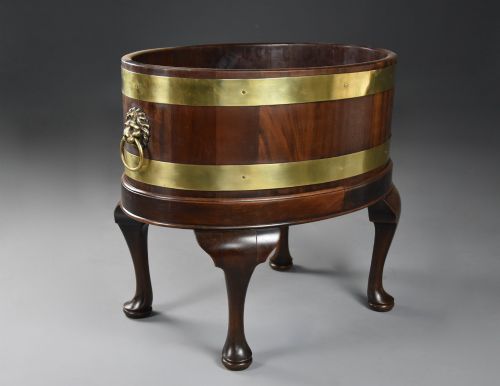
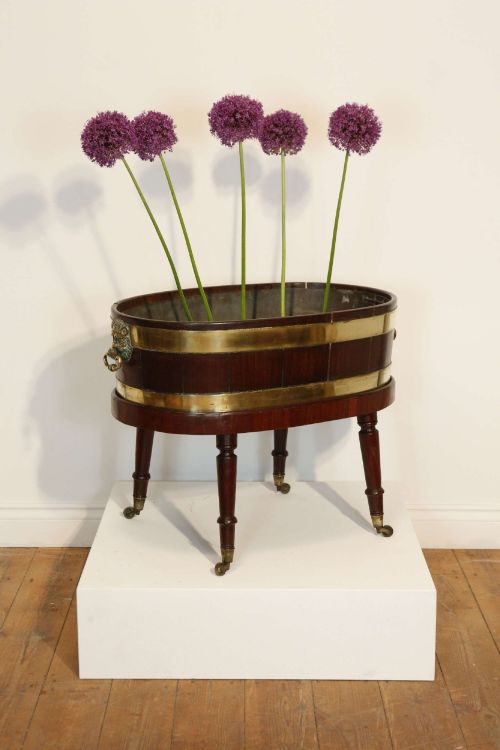
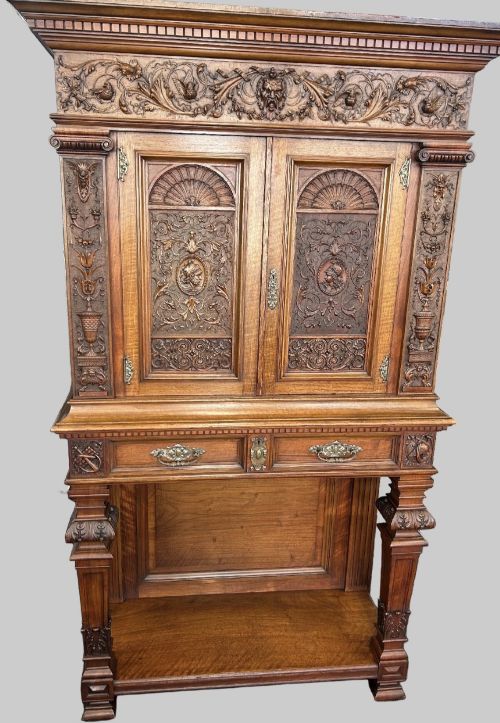
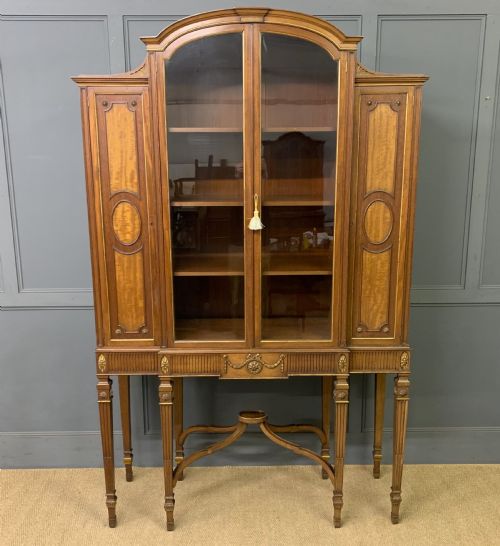
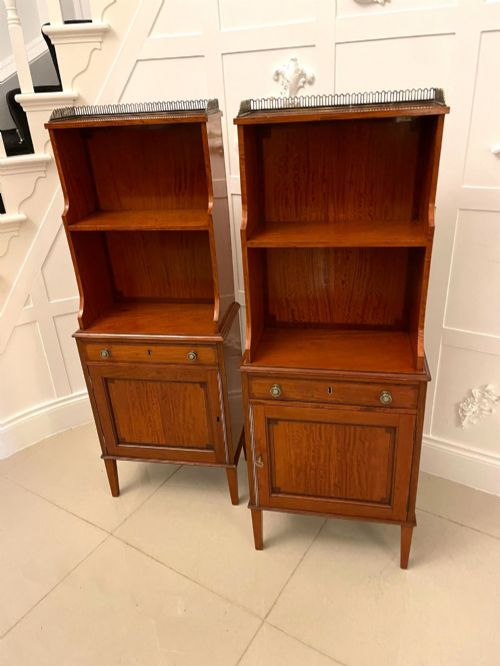
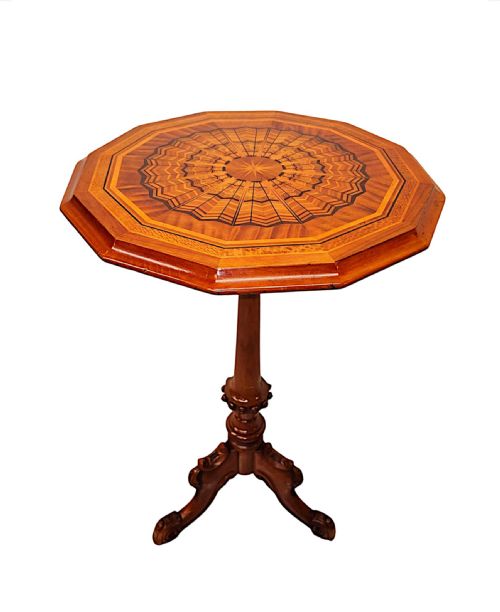
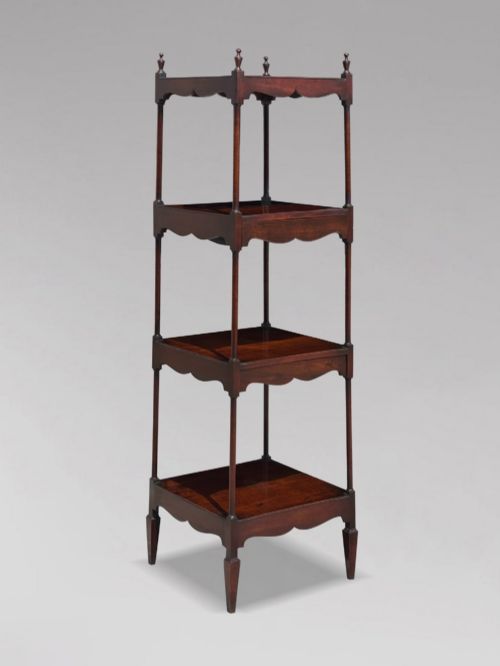
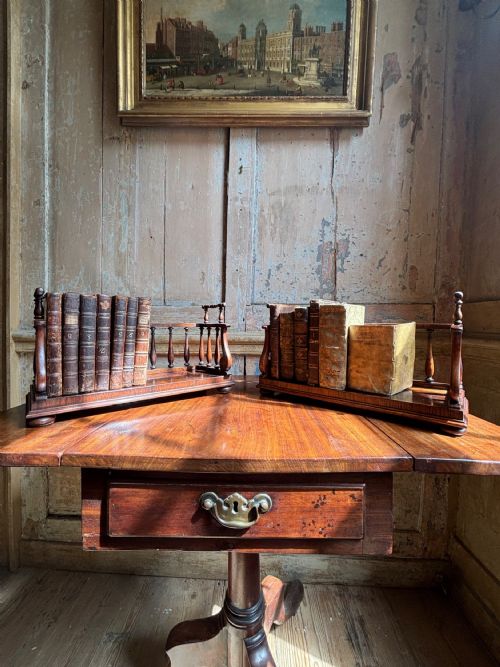
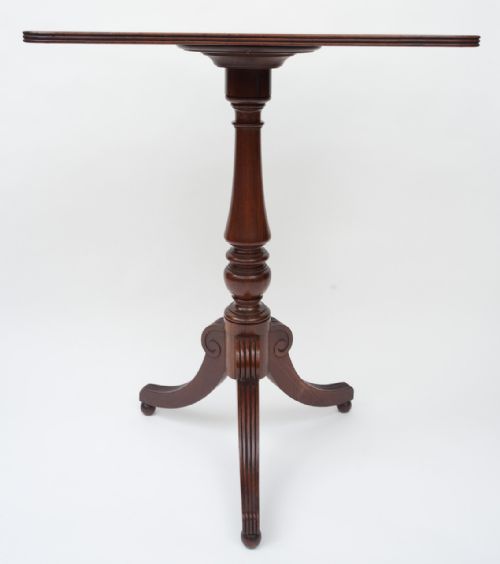
A gillows style stand encompasses a diverse range of refined furniture including occasional tables, whatnots, bookcases, and wash stands. When exploring this selection, a buyer encounters pieces originating from the Georgian and Regency periods through to the Victorian and Edwardian eras, reflecting enduring craftsmanship.
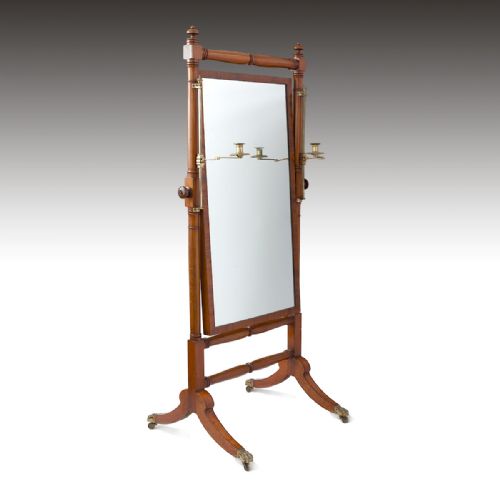
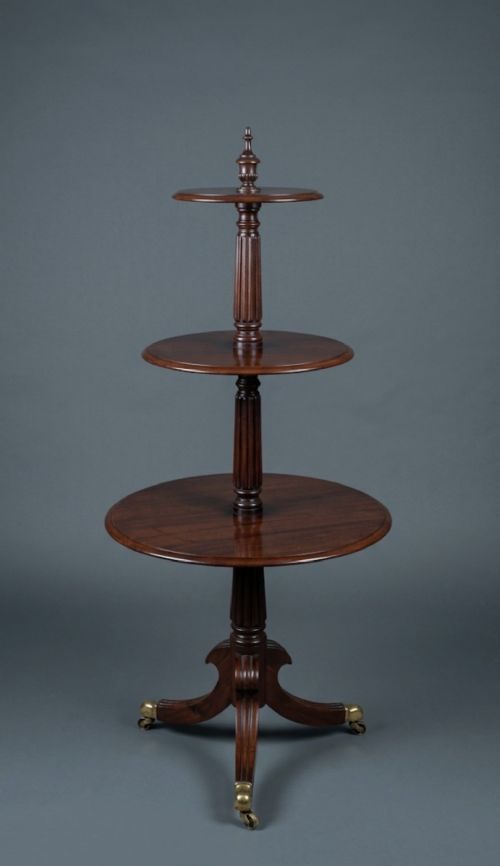
The forms vary widely from tiered dumb waiters and pedestals to library tables and cheval mirrors. Mahogany, rosewood, and satinwood dominate the construction, often displaying the classical restraint and structural integrity associated with Lancaster workshops.
Materials and construction
The makers utilised dense timbers such as mahogany, rosewood, and oak, frequently selecting figured veneers to enhance visual depth. Satinwood and ebonised wood appear in specific pieces, matched with brass fittings and glass elements.
Joinery techniques prioritised stability and clean lines, visible in tiered shelf construction, adjustable bookcase mechanics, and finely turned pedestals. Inlaid details and delicate gallery backs demonstrate precise hand-tooling across the various centuries represented.
Gillows Style Stand Retail Price Guide 2026
Typical asking prices for gillows style stand among the pieces listed under this phrase on Sellingantiques today, from the lower quarter to the upper quarter. They describe what is for sale here now, not the wider market.
Several stands include adjustable shelves and pivoting tiers, proving that nineteenth-century readers appreciated flexible storage just as much as modern book collectors do.
Assessing quality and proportion
The distinction between standard items and superior examples lies in the selection of timber grain and the crispness of the turning and carving. Superior pieces maintain balanced proportions where every tier, leg, and gallery rail works in visual harmony.
Original brass castors, intact secondary timbers, and restrained inlay without excessive embellishment separate distinguished workshop output from later commercial reproductions. The integrity of the structural joints and the crispness of the mouldings define the upper tier of quality.
Gillows of Lancaster·Gillow and Co·Waring and Gillow
The Gillows Style Stand Glossary
- Whatnot
- A set of open shelves standing on legs, designed for displaying ornaments or holding books. These tier stands appeared frequently in fine nineteenth-century drawing rooms.
- Regency
- An architectural and decorative style spanning the early nineteenth century. It is characterised by classical restraint, inspired by ancient Greek and Roman forms.
- Satinwood
- A durable, yellowish timber prized for its lustrous grain. Cabinet-makers used it extensively for high-status inlaid occasional tables and cabinets.
- Dumb waiter
- A multi-tiered revolving or stationary stand used for serving food or holding tableware. These pieces showcase tiered carpentry at its most functional.
- Gillow and Co
- The notable historic furniture firm operating from Lancaster and London. Their workshops set high standards for British cabinet-making across multiple generations.
Gillows Style Stand: Frequently Asked Questions
How do I identify a genuine piece?
Look for crisp timber turning, appropriate secondary woods like oak or pine, and subtle design proportions typical of traditional British workshops.
Examine the joinery and hardware to ensure the construction matches the stated period, whether Georgian or Victorian.
Where should I place a whatnot?
These tiered stands suit corners or empty wall spaces in drawing rooms and libraries. They hold books or small decorative objects without dominating the floor area.
Ensure the location avoids direct sunlight to protect polished rosewood or mahogany surfaces.
Are these items suitable for daily use?
Occasional tables and book stands function well in modern homes for holding lamps, drinks, or volumes. Their sturdy timber construction handles everyday placement.
Treat polished surfaces with standard care, using coasters and avoiding excessive moisture.
What is a gallery back?
A low decorative rail fixed to the top edge of a wash stand or table. It prevents items from sliding off the surface.
This feature adds a refined structural flourish typical of nineteenth-century bedroom and dressing furniture.