





Gillows Pedestal Stand
A gillows pedestal stand brings structural elegance and fine cabinet-making into a room, offering a versatile surface for display.
Gillows Pedestal Stand
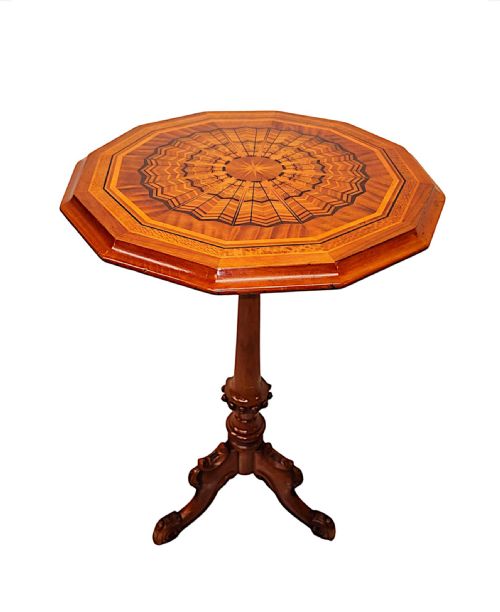
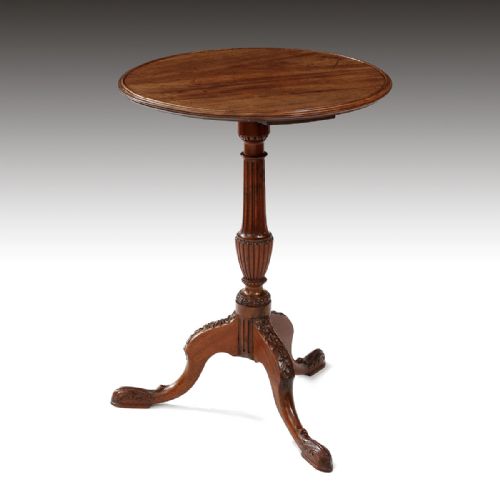
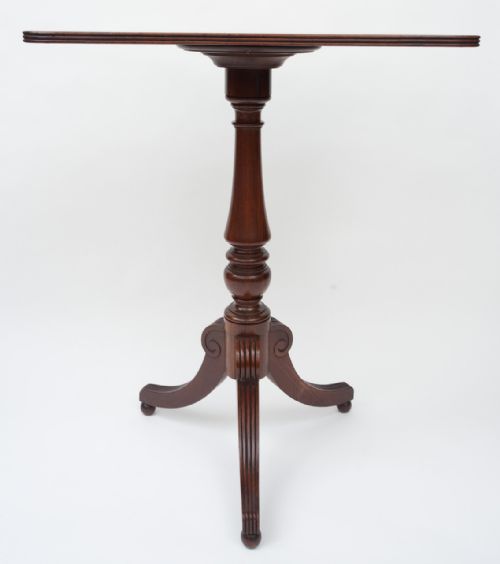
When you search for a gillows pedestal stand, you enter a field defined by nineteenth-century craftsmanship, occasional tables, and architectural plant stands. These pieces range from compact occasional furniture to substantial pedestals associated with the notable Lancaster and London firm.
On this page, you are most likely to meet mahogany and rosewood examples originating from the Regency and Victorian periods. Forms span from tripod occasional tables and tea poys to carved stands and console pedestals.
The objects reflect stylistic shifts through George III, Regency, William IV, and Victorian eras, including Aesthetic Movement designs. Each piece demonstrates the functional versatility demanded by period interiors, serving as side tables or display columns.
How they were made
Cabinet-makers utilised dense timbers such as mahogany, rosewood, and goncalo alves, often enhanced by satinwood inlay or flame mahogany veneers. Ebonised wood and burr walnut also appear, providing contrasting dark surfaces and rich grain patterns.
Structural elements frequently incorporate brass fittings and gilding to accent the carved woodwork. Construction methods rely on stable tripod bases, turned columns, and precise joinery suited to supporting heavy decorative objects.
Gillows Pedestal Stand Retail Price Guide 2026
Typical asking prices for gillows pedestal stand among the pieces listed under this phrase on Sellingantiques today, from the lower quarter to the upper quarter. They describe what is for sale here now, not the wider market.
Several tea poys include internal compartments originally designed to keep expensive tea leaves safely under lock and key from domestic staff.
What varies in quality
The distinction between standard production and the finest work lies in the selection of timbers and the crispness of the carving. Richly figured flame mahogany, intricate satinwood inlay, and dense rosewood elevate a piece above simpler domestic furniture.
Attribution and stamps add significant context, as documented signatures or firm markers connect items directly to the workshop traditions. Furthermore, balanced proportions in the turned pedestals and robust integrity in the tripod legs dictate the success of the overall form.
Gillow and Co.·Gillows
The Gillows Pedestal Stand Glossary
- Teapoy
- A small box or chest mounted on a central pillar and base, originally designed to hold loose tea leaves. These containers often feature internal compartments and secure locking lids.
- Tripod base
- A three-legged support structure commonly found beneath occasional tables and pedestals to ensure stability on uneven floors. This configuration allows for slender central columns.
- Goncalo alves
- A dense exotic hardwood prized for its striking contrasting dark brown and golden-yellow figuring. Makers utilised this timber to create visually arresting decorative surfaces.
- Aesthetic movement
- A late nineteenth-century design style that rejected heavy Victorian ornamentation in favour of simplified forms and artistic refinement. Pieces from this era often embrace lighter structural lines.
- Flame mahogany
- A veneer cut from the fork of the mahogany tree where the branch meets the trunk, producing a rippling flame-like pattern. Cabinet-makers reserved this material for prominent table tops.
Gillows Pedestal Stand: Frequently Asked Questions
What is a gillows pedestal stand?
A gillows pedestal stand is a piece of nineteenth-century furniture designed to support lamps, plants, or decorative items upon a central column and base. These items reflect the high standards of cabinet-making associated with the firm.
Such stands range from slender plant holders to robust occasional tables featuring fine mahogany or rosewood construction. Their architectural presence suits both traditional and contemporary interiors.
How do I identify a Gillows piece?
Identification relies on locating stamped maker marks, firm signatures, or distinct structural characteristics documented in historical records. The quality of the timber selection and carving also provides strong indicators.
Many pieces are attributed based on specific stylistic traits, turned column details, and precise joinery typical of the workshop. Comparing proportions and materials against recorded archive examples helps confirm provenance.
What woods were used?
Cabinet-makers predominantly utilised dense hardwoods such as mahogany and rosewood for their durability and rich grain. Satinwood, oak, and burr walnut also appear across various periods.
Exotic timbers like goncalo alves were occasionally chosen for decorative contrast, while ebonised wood provided a dramatic dark finish. These materials were often paired with brass or gilt accents.
How do I style a pedestal stand?
A pedestal stand functions well as a display surface for sculpture, ceramics, or lamps in a hallway or living space. Its vertical profile draws the eye upward without occupying excessive floor area.
Matching the period timber, such as mahogany or rosewood, with existing furnishings creates a cohesive interior. Placing smaller items upon them highlights their decorative utility.