

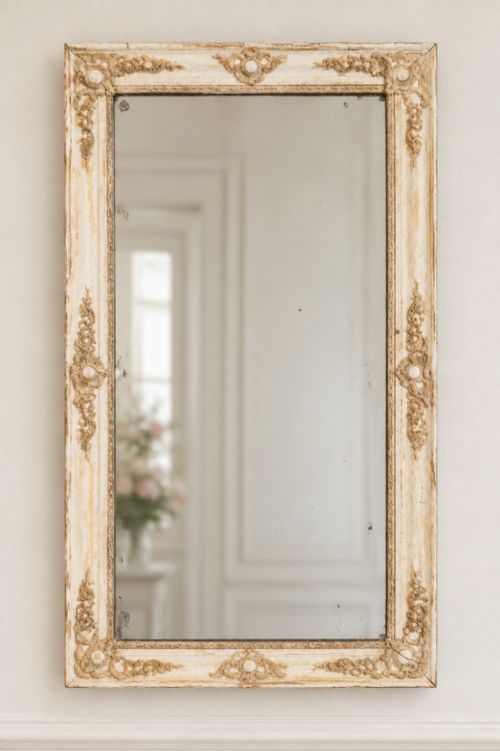
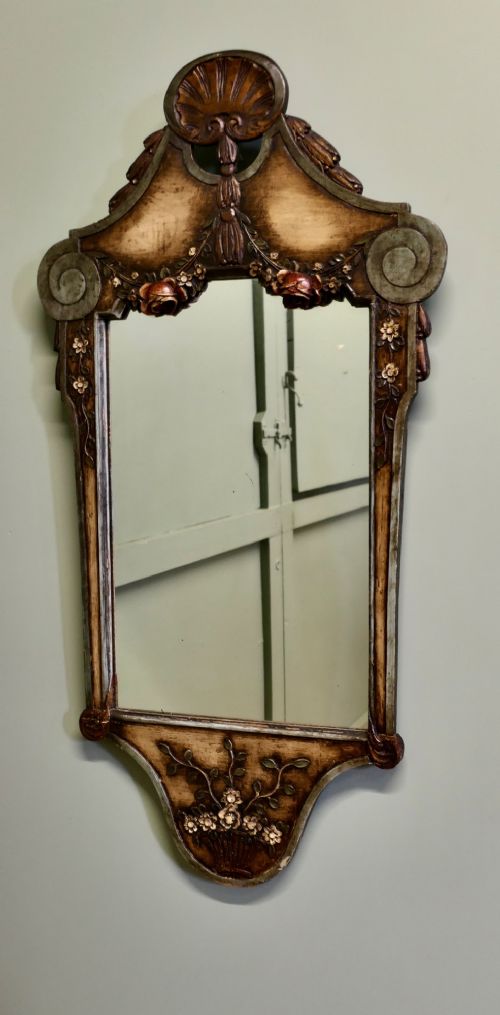
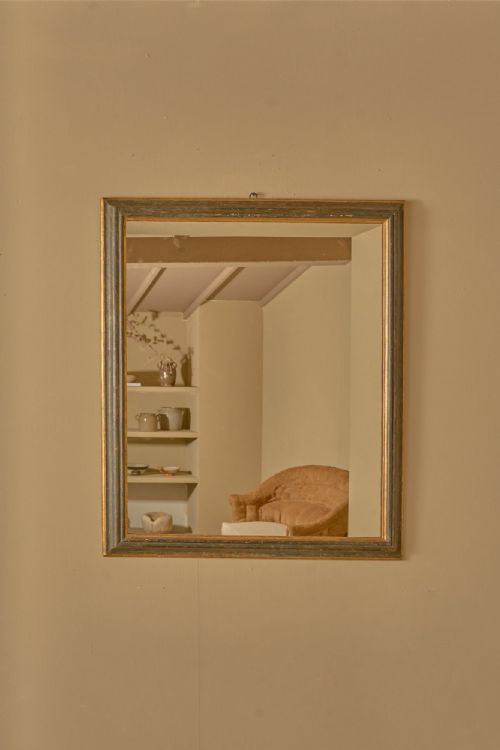
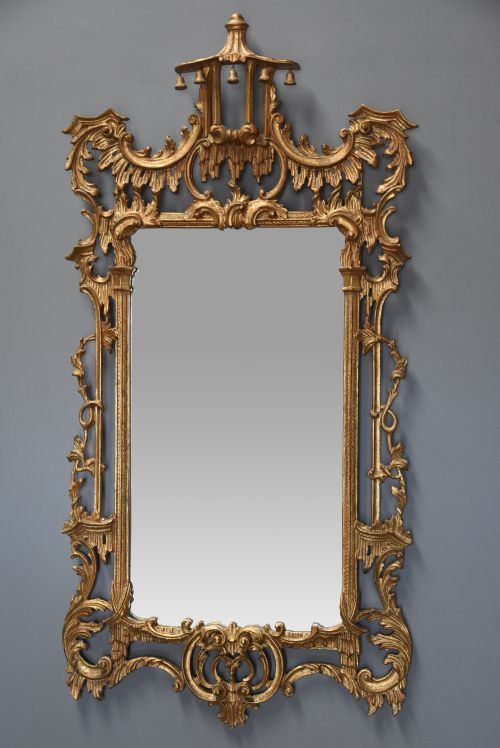


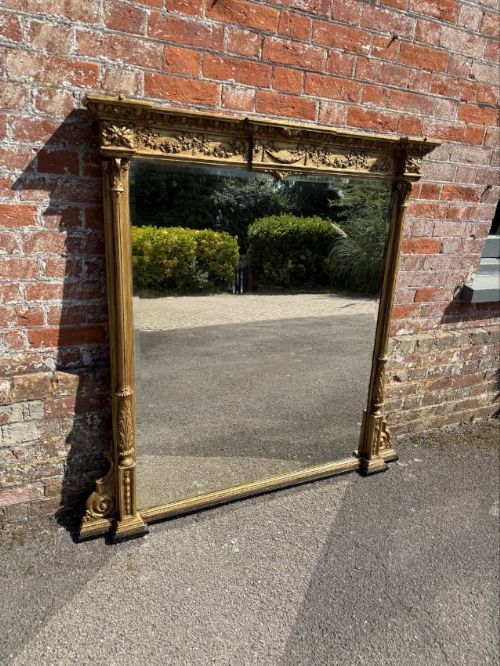

Gilded Wooden Wall Mirror
A gilded wooden wall mirror brings warmth and reflected light to a room, ranging from restrained Georgian fretwork to ornate Italian Rococo revival pieces.
Gilded Wooden Wall Mirror
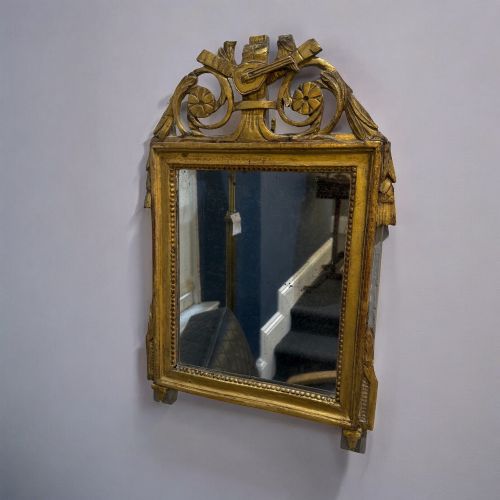
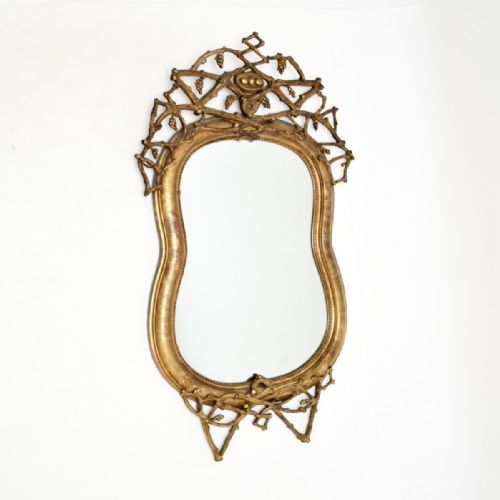
When you search for a gilded wooden wall mirror, you encounter a selection spanning the eighteenth, nineteenth, and early twentieth centuries. The pieces vary from compact wall-hanging frames to grand overmantels designed to sit above a fireplace.
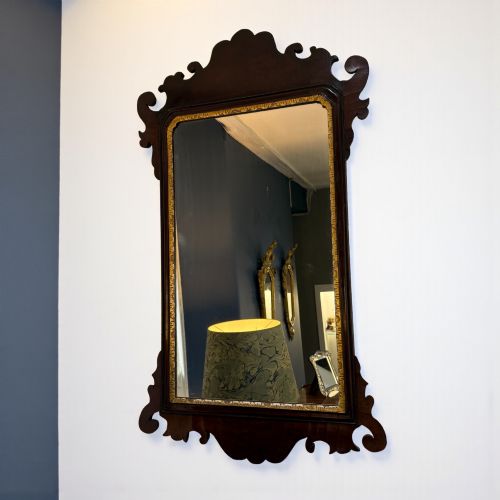
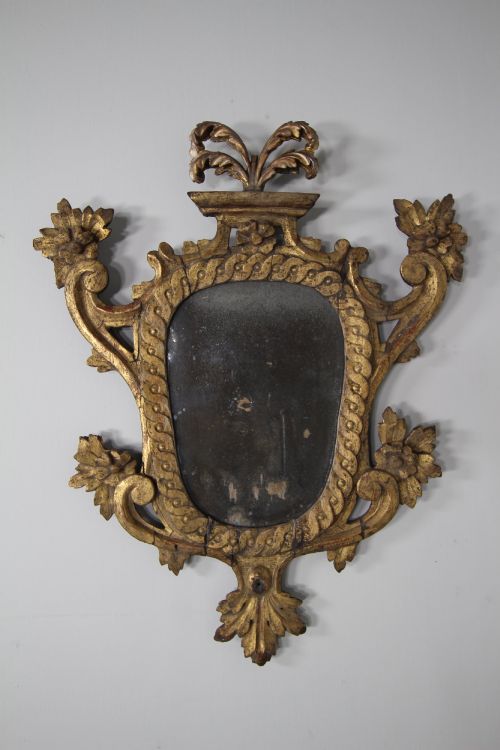
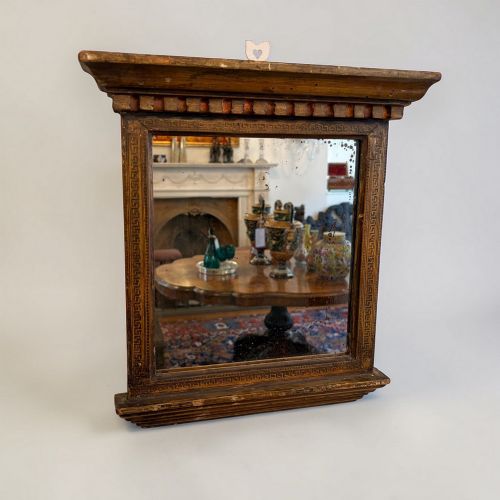
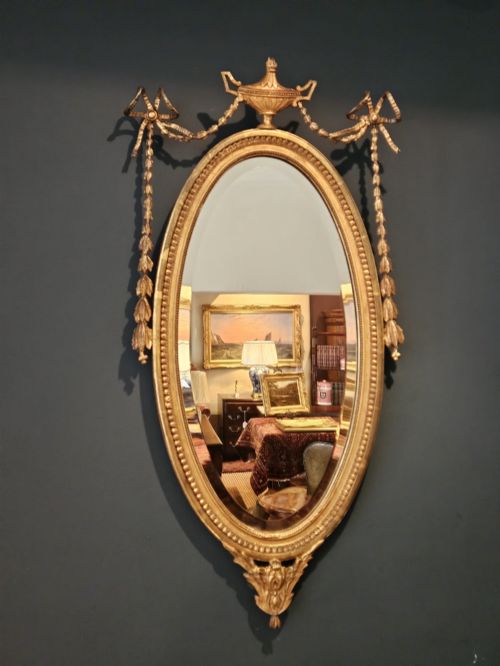
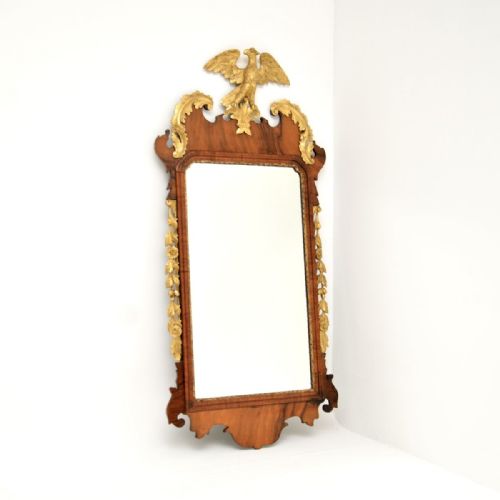
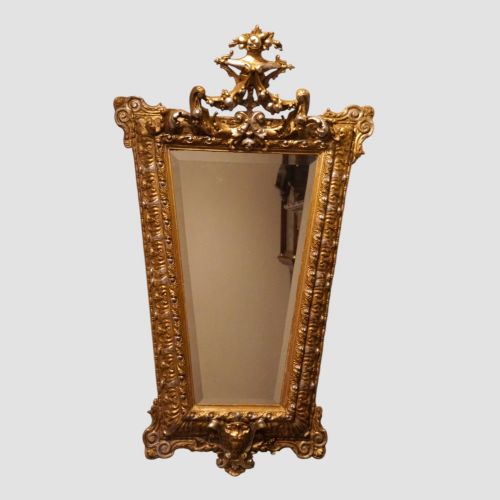
You will frequently find nineteenth-century examples and Italian-influenced designs on this page, alongside Georgian mahogany and parcel-gilt iterations. Forms include rectangular shapes, oval frames, and architectural overmantels with carved details.
Makers drew on various regional traditions, producing French chateau, Edwardian, and Neoclassical interpretations. These objects served both functional reflection and decorative display in period interiors.
How they were made
Craftsmen shaped the core structure from timber such as mahogany, walnut, or general carved wood. Gesso was then applied to the wooden base to create a smooth, pliable surface for subsequent ornamentation.
Giltwood and gold leaf finishes were applied to catch the light, sometimes complemented by silver-gilt or paint. Detailed carvings, fretwork patterns, and urn top pediments required steady handwork with specialised chisels.
Gilded Wooden Wall Mirror Retail Price Guide 2026
Typical asking prices for gilded wooden wall mirror among the pieces listed under this phrase on Sellingantiques today, from the lower quarter to the upper quarter. They describe what is for sale here now, not the wider market.
Design styles represented include Neoclassical, Edwardian, Georgian, and various regional Italian Rococo and Florentine interpretations.
What varies in quality
The definition and depth of the carved wooden ornament separate standard production from superior examples. Crisp execution in the gesso and the finesse of the applied gold leaf indicate higher workshop standards.
The integrity of the timber frame and the preservation of the original mirror glass or engraved plate determine the overall character. More substantial overmantels and elaborate fretwork pieces demonstrate greater ambition in their design.
The Gilded Wooden Wall Mirror Glossary
- Giltwood
- Wood that has been coated with gold leaf or a gold-coloured finish. This technique creates a luminous surface that defines many traditional frames.
- Gesso
- A plaster-like mixture applied to wood to provide a smooth base for gilding. It allows for intricate relief carving before the gold leaf is laid down.
- Overmantel
- A large mirror specifically proportioned to hang above a fireplace mantel. These pieces often feature architectural elements like column frames or painted arches.
- Parcel-gilt
- Woodwork that is partially gilded, leaving areas of natural timber grain visible alongside the gold leaf. This style highlights the contrast between the wood and the metallic finish.
- Pediment
- The decorative structure crowning the top of a mirror frame. Examples include urn motifs and architectural flourishes.
Gilded Wooden Wall Mirror: Frequently Asked Questions
How do I hang a heavy overmantel mirror safely?
Large overmantel pieces require secure fixing directly into wall studs or masonry using heavy-duty brackets. The substantial weight of timber and glass demands professional installation to distribute the load evenly.
Ensure the hanging wire or integrated D-rings match the scale of the frame. Checking the wall construction beforehand prevents shifting over time.
What is parcel-gilt and how is it used?
Parcel-gilt refers to decorative objects where only specific carved portions are covered in gold leaf. This technique highlights particular architectural details while letting the underlying mahogany or walnut show through.
Georgian and later cabinet makers utilised this method to create subtle contrast on frames and furniture. It offers a more restrained appearance than fully gilded surfaces.
How can I tell a Georgian mirror from a Victorian one?
Georgian pieces often favour mahogany fretwork, parcel-gilt finishes, and architectural symmetry derived from classical proportions. The wood selection and hand-cut joinery reflect eighteenth-century cabinet-making standards.
Victorian items tend toward heavier gesso ornamentation, elaborate overmantel formats, and revival styles like Rococo or Italian Florentine. The scale is frequently grander to suit the domestic architecture of the period.
How should I clean antique glass and gilt frames?
Dust giltwood frames gently with a dry, soft brush to protect the delicate gold leaf and gesso layers. Avoid commercial sprays or water, which can damage the aged surface.
Clean the mirror glass sparingly using a cloth dampened slightly with distilled water or a mild glass cleaner. Prevent any liquid from seeping behind the glass plate or touching the surrounding wood.