





Gilded Wooden Icon
A gilded wooden icon brings devotional history into a room, offering centuries of spiritual and artistic tradition through carved timber and leaf metal.
Gilded Wooden Icon
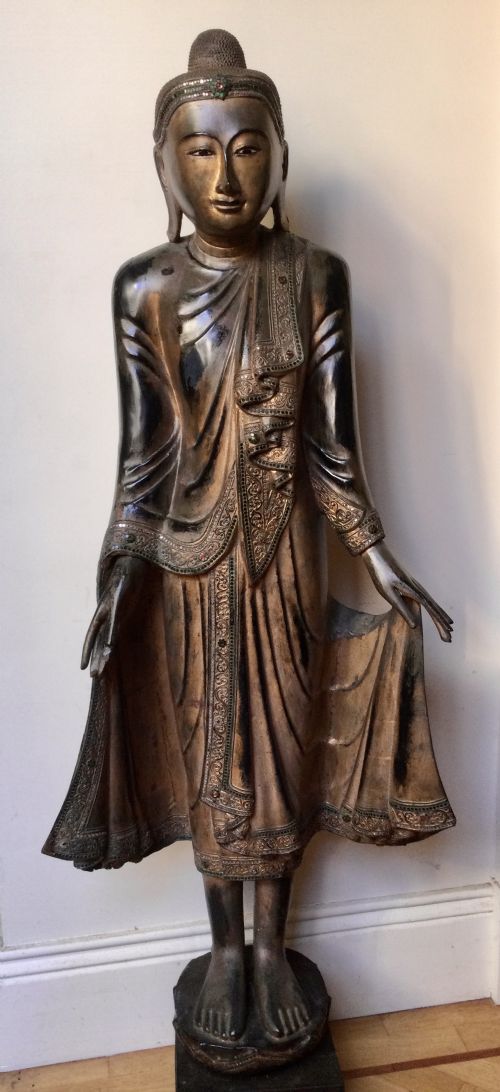
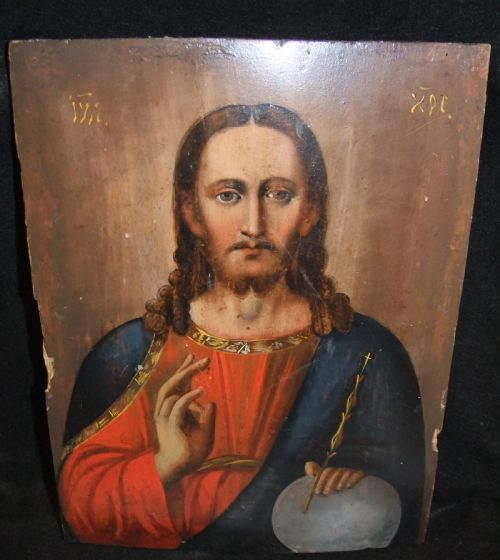
When you search for a gilded wooden icon, you encounter sacred panel paintings, carved figures, and home altars created for private and public worship. The selection spans traditions from Russian Orthodox panels depicting subjects like Christ Pantocrator and Easter with the Passion of Christ to Spanish folk art and Burmese Buddha sculptures.
The versions you are most likely to meet on this page date from the seventeenth century through to the early twentieth century. These objects bridge decorative arts and religious devotion, utilising traditional timber supports embellished with gold and pigment.
Materials and construction
The foundation of these works relies on carved wood panels or figures shaped from timber, often prepared with gesso to receive subsequent layers of decoration. Artisans applied gold leaf to create luminous backgrounds and halos that reflect light in sacred spaces.
Painters and carvers utilised tempera paint, egg tempera, oil, lacquer, and polychrome pigments to bring holy figures and narratives to life. This combination of carved wood, gesso, and metallic leaf creates the durable surface seen across nineteenth-century Russian works and seventeenth-century European figures alike.
Gilded Wooden Icon Retail Price Guide 2026
Typical asking prices for gilded wooden icon among the pieces listed under this phrase on Sellingantiques today, from the lower quarter to the upper quarter. They describe what is for sale here now, not the wider market.
Saint Barbara apparently moonlights across different centuries and borders, keeping watch over everything from seventeenth-century European figures to nineteenth-century domestic shrines.
Assessing quality and craftsmanship
The distinction between standard examples and finer works rests in the precision of the carver's chisel and the delicacy of the painter's brushwork. Superior panels display refined facial expressions, intricate detailing in drapery and architectural elements, and skillful application of gold leaf.
Age and regional tradition also influence the character of each piece, with seventeenth-century baroque influences or detailed iconography commanding attention. The preservation of original tempera paint and undisturbed gilded surfaces distinguishes well-maintained examples from heavily restored pieces.
The Gilded Wooden Icon Glossary
- Gesso
- A traditional paint mixture consisting of a binder mixed with chalk, gypsum, or pigment, applied to wooden panels as a smooth base for gilding and painting.
- Tempera
- A permanent, fast-drying painting medium consisting of coloured pigments mixed with a water-soluble binder agent, frequently egg yolk.
- Giltwood
- Wood that has been treated with a thin layer of gold leaf or gold dust to simulate solid gold, frequently seen on European figures and altars.
- Polychrome
- The practice of decorating architectural elements, sculpture, or panels in a variety of colours.
- Pantocrator
- An iconic depiction of Christ as ruler of all, typically shown holding a book and raising his right hand in blessing.
Gilded Wooden Icon: Frequently Asked Questions
What is a gilded wooden icon?
A gilded wooden icon is a sacred artwork created on timber supports, featuring carved or painted religious figures enhanced with gold leaf and traditional pigments. These pieces served as focal points for prayer and devotion in homes and churches across various Christian and Buddhist traditions.
The selection available includes panel paintings, home altars, and freestanding sculptures dating from the seventeenth century to the early twentieth century. Each item reflects the specific theological and artistic conventions of its region of origin.
How were these icons used?
These objects functioned primarily as devotional aids for personal prayer, household worship, or communal religious ceremonies. Believers placed them in domestic corner shrines or altars to facilitate spiritual connection and veneration.
Over time, many of these pieces transitioned from active religious contexts into collections of fine art and historical antiquities, prized for their craftsmanship and cultural significance.
How do I live with a gilded wooden icon?
Living with these pieces involves placing them in stable environments away from direct sunlight, excessive moisture, and rapid temperature fluctuations to protect the delicate wood and gold leaf. Wall-mounted panels and tabletop altars add a sense of history and contemplative depth to modern interiors.
Allowing the piece to serve as a quiet focal point in a study, hallway, or living space lets the natural warmth of the wood and gold enhance the room without needing elaborate surrounding decor.
How do I tell periods apart?
Differentiating between periods relies on observing stylistic markers, painting techniques, and the type of wood preparation used by the maker. Seventeenth-century works often exhibit baroque or traditional Orthodox characteristics, while nineteenth and early twentieth-century pieces display evolving approaches to panel painting and framing.
Examining the underlying materials, such as gesso application and pigment formulation, provides further clues regarding the era of production and geographic origin.