
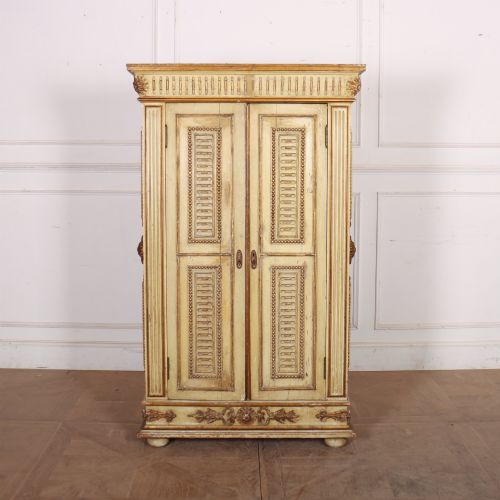


Gilded Wooden Cabinet
A gilded wooden cabinet brings rich texture and reflective light into a room, offering both practical storage and a strong decorative presence.
Gilded Wooden Cabinet
A gilded wooden cabinet spans a remarkably diverse range of origins, from nineteenth-century Italian side cupboards to seventeenth-century architectural tabernacles. These pieces combine timber construction with surface enrichment, often taking the form of side cabinets, small cupboards, or table cabinets.
Buyers searching for a gilded wooden cabinet will encounter various regional interpretations, including Spanish folk art home altars and Chinese lacquer side cabinets. The selection reflects global craftsmanship across centuries, utilising gold leaf, gesso, and paint to create striking visual focal points.
How they were made
The construction of these pieces relies on traditional woodworking techniques paired with elaborate surface preparation. Artisans applied layers of gesso to wooden foundations before laying fine gold leaf or executing detailed hand-painted designs.
Many examples incorporate specialised finishes such as black lacquer or polychrome paintwork. Carved architectural elements, marquetry inlay, and brass hardware frequently complement the primary gilded surfaces.
Current listings feature pieces spanning from the seventeenth century through the nineteen-thirties, utilising gold leaf, brass, and lacquer.
What varies in quality
Quality in these pieces rests upon the precision of the joinery and the integrity of the surface decoration. Finer examples display crisp carving, balanced proportions, and careful application of gold leaf or lacquer that ages gracefully.
The distinction between standard execution and superior craftsmanship lies in the depth of detail, whether in the complexity of a painted scene or the architectural rigour of a tabernacle structure.
The Gilded Wooden Cabinet Glossary
- Giltwood
- Wood that has been treated with a thin layer of gold leaf or gold paint. This finish creates a luminous metallic sheen that defines much of the furniture in this category.
- Gesso
- A plaster-like mixture applied to wood as a smooth base for gilding or painting. It provides the necessary foundation for intricate surface carving and gold application.
- Lacquer
- A durable varnish made from natural resin or synthetic compounds, often used in Asian decorative arts. It produces a hard, glossy finish that protects the underlying wood and painted details.
- Marquetry
- The art of applying pieces of veneer to a structure to form decorative patterns. This technique adds pictorial depth and geometric interest to cabinet doors and panels.
- Polychrome
- The practice of decorating architectural elements or furniture in multiple colours. It appears frequently on folk art pieces and religious shrines to enhance visual narrative.
Gilded Wooden Cabinet: Frequently Asked Questions
Where should I place a gilded wooden cabinet?
These cabinets work exceptionally well in living rooms, hallways, or dining spaces where their reflective surfaces catch natural light. Position them away from direct heat sources to protect the delicate gold leaf and timber.
Because many examples function as side cabinets or small cupboards, they provide useful surface area and concealed storage without dominating a room.
How do I clean a gilded wooden cabinet?
Dust the surfaces gently with a soft, dry microfibre cloth to prevent the accumulation of grit. Avoid using commercial sprays, water, or abrasive cleaning agents, as these can strip the delicate gold leaf or damage the underlying gesso.
For stubborn grime, consult a professional conservator rather than attempting chemical intervention at home.
How can I tell different periods apart?
Dating relies on examining the underlying construction methods, hardware, and stylistic motifs present on the piece. Seventeenth and eighteenth-century pieces often show heavier architectural structures, while nineteenth-century works frequently incorporate revival styles or global influences.
Comparing the specific type of gesso and the wear patterns on the gold leaf helps confirm the age of the craftsmanship.
Were these cabinets used for storage?
Most pieces served specific domestic or religious functions, ranging from general household storage in cupboards to specialised uses in spice cabinets and table cabinets. Some forms, such as home altars and tabernacles, were designed for devotional display rather than everyday storage.
Each form dictates the internal arrangement of shelves and compartments found inside.