



Gilded Wood Standing Lamp
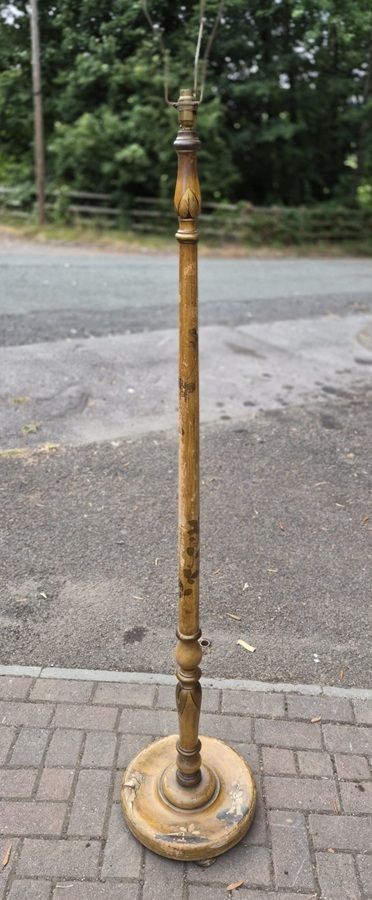
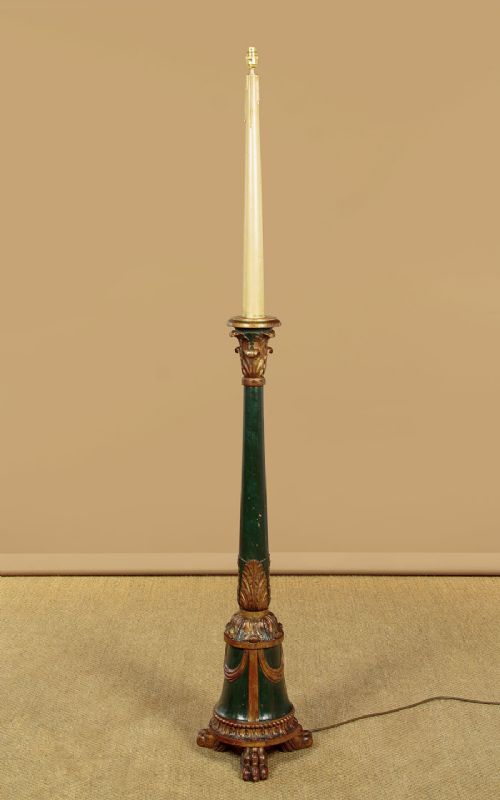
A gilded wood standing lamp brings warm, sculptural presence to a room, offering height and character that smaller table pieces simply cannot match.
Gilded Wood Standing Lamp
When you search for a gilded wood standing lamp, you encounter tall lighting fixtures designed to anchor a corner or sit beside seating. These objects take the form of standard lamps, floor lamps, and converted oil lamp stands originating across the nineteenth and early twentieth centuries.
The versions most frequently met on this page span the Victorian era, the Edwardian period, and the nineteen-twenties. Makers drew on diverse aesthetics, producing pieces that range from restrained neoclassical revival designs to ornate Venetian baroque and Florentine carvings.
Beyond straightforward lighting supports, the selection includes sculptural figures on stands and pieces incorporating marble surfaces. These taller forms combine utility with decorative ambition, functioning as prominent furnishings within a room scheme.
Materials and construction
Construction relies heavily on carved wood and gesso applied as a smooth base for subsequent gilding. Artisans shaped timber into slender shafts and elaborate bases, utilising brass elements for structural stability or wiring adaptation.
Giltwood application involved laying thin metal leaf over prepared grounds, sometimes paired with polychrome highlights or parcel gilding. Certain examples combine painted wood surfaces with metallic details, reflecting the specific decorative grammar of periods like the Edwardian Chinoiserie style.
Materials appearing across the inventory include giltwood, gesso, brass, marble, and painted wood.
Assessing quality and craftsmanship
Quality reveals itself in the crispness of the wood carving and the depth of the gilding. Superior examples display hand-tooled detail rather than soft, mass-produced moulding, with the gesso layer adhering smoothly to the timber beneath.
The proportion and balance of the standard dictate its success as an interior object. Finer pieces maintain structural integrity without heavy reinforcement, ensuring the tall silhouette stands plumb and holds its decorative surface gracefully.
George Bullock
The Gilded Wood Standing Lamp Glossary
- Giltwood
- Wood that has been coated with gold leaf or gold dust. This finish catches candlelight and electric illumination alike, giving the surface its characteristic warm glow.
- Gesso
- A plaster-like mixture applied to wood as a base before gilding. It provides a smooth, receptive surface for the gold leaf.
- Parcel Gilt
- A decorative treatment where only specific portions of an object are gilded while the rest is painted or left as exposed wood. This technique creates contrast and highlights particular carved details.
- Pricket Stick
- A candleholder featuring a sharp central spike rather than a socket. These are frequently converted to form lamp bases.
- Polychrome
- Painted in several colours. This finish appears frequently on figurative Italian and Venetian pieces alongside gold leaf.
Gilded Wood Standing Lamp: Frequently Asked Questions
How do I wire an old lamp safely?
Most antique standards require rewiring to meet modern electrical standards before use in a home. A qualified electrician can run contemporary flex through the central channel without altering the exterior timber.
Retaining the original switch housings or brass holders where possible preserves the character of the piece while ensuring safe daily operation.
Where should I place a floor lamp?
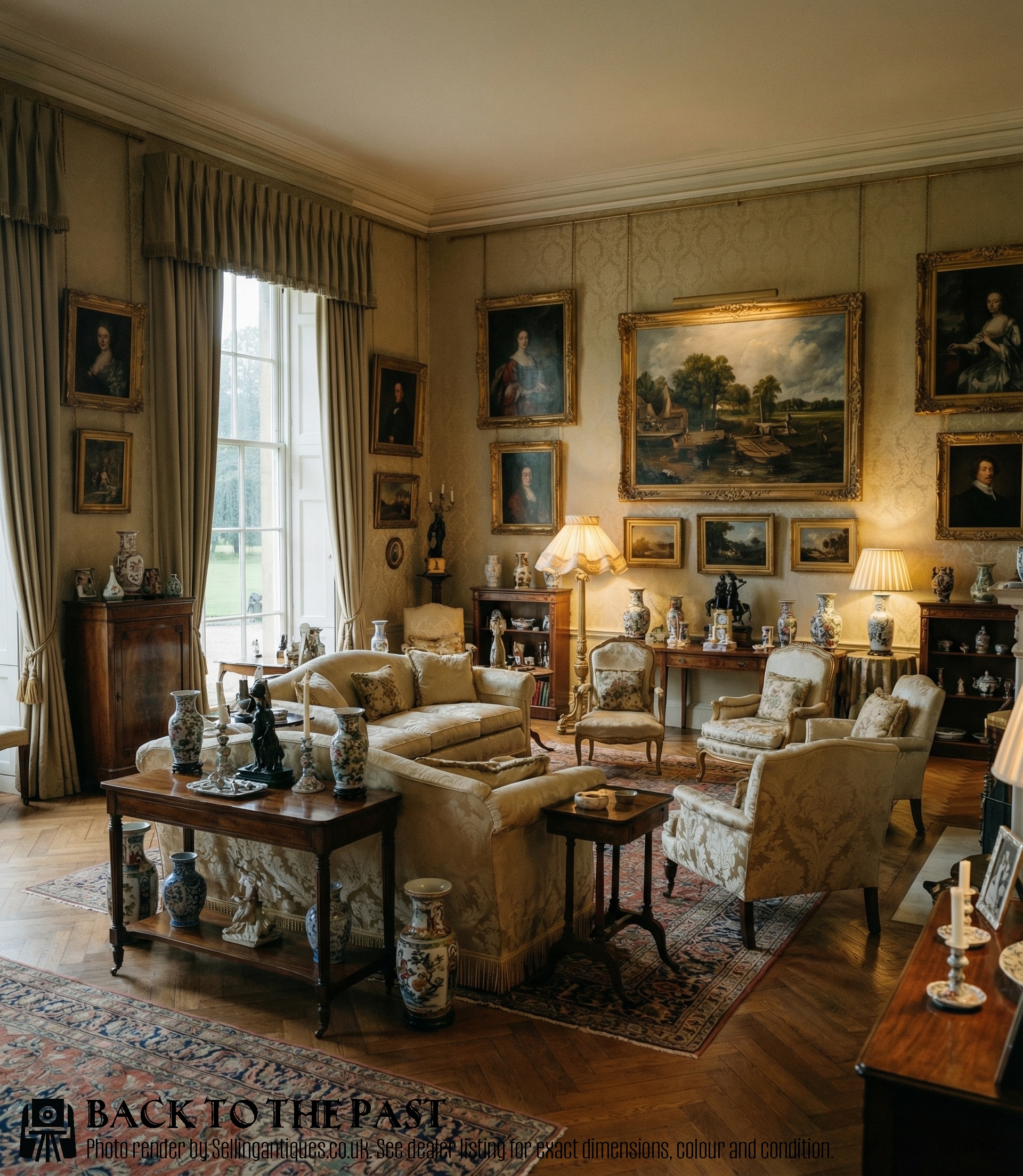
These tall fixtures suit corners, reading areas, and spaces beside substantial armchairs or sofas. Their height allows them to distribute light effectively across a larger seating arrangement.
Keep them away from direct heat sources and damp environments to protect the delicate giltwood and gesso surfaces over time.
How do I clean gilded wood?
Dust the surface gently using a dry, soft brush or a clean microfiber cloth. Avoid commercial cleaning sprays, water, and abrasive materials which lift the fragile gold leaf.
Routine, gentle maintenance is all that is required to keep the metallic finish bright and stable.
What is the difference between Victorian and Edwardian styles?
Victorian examples often draw on heavier historical revivals, including ornate baroque carving and rich, dark tones. They tend toward substantial proportions and dramatic sculptural forms.
Edwardian pieces frequently embrace lighter aesthetics such as Chinoiserie decoration and painted finishes, reflecting a shift toward brighter, more whimsical interiors.