






Gilded Wood Pedestal Stand
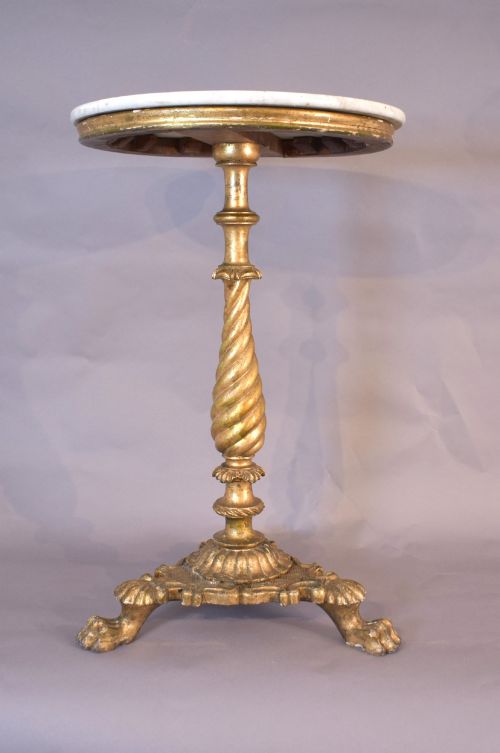
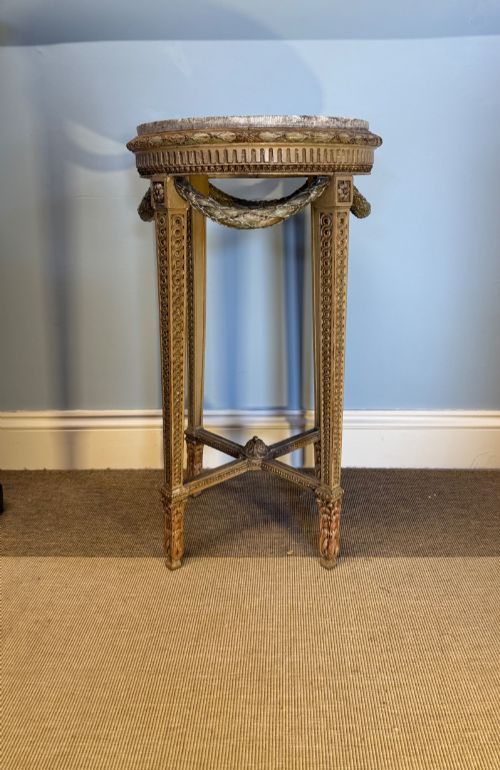
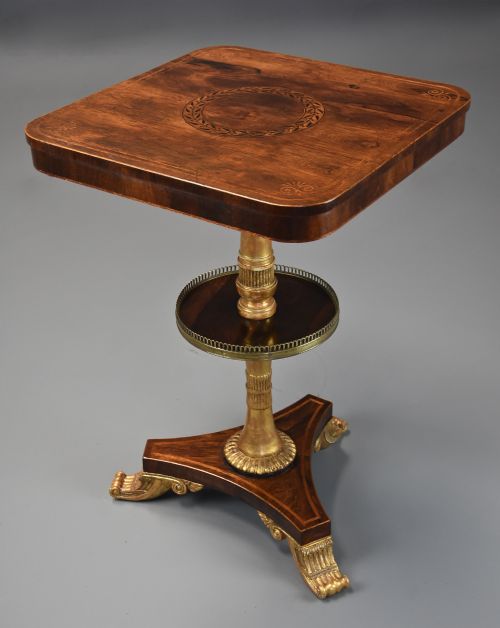
A gilded wood pedestal stand brings height and polished surface weight to a corner, carrying marble tops, figures, and lamps with distinct period presence.
Gilded Wood Pedestal Stand
When searching for a gilded wood pedestal stand, a buyer encounters a focused group of nineteenth-century occasional tables, torcheres, and figural stands originating primarily from English, French, and Italian workshops. These pieces serve to elevate urns, figures, or lamps, utilising compact footprints to anchor empty corners in a room.
The most common examples on this page date from the nineteenth century, spanning Regency, Victorian, and Venetian styles. They frequently combine carved wooden structures with circular marble tops or figural supports such as blackamoors and classical figures.
Materials and construction
The foundational structures of these pieces rely on carved wood, mahogany, rosewood, and gesso, which provide the stable armature necessary to support heavier stone elements. Artisans applied gold leaf and polychrome paint directly over the prepared wooden surfaces to achieve rich decorative finishes.
Many examples incorporate inset marble tops and cast brass details, combining natural stone with metallic accents to create durable display surfaces. Carving and gilding techniques vary from crisp neoclassical motifs to elaborate Venetian baroque flourishes.
Listings feature pieces from the nineteenth century, incorporating materials such as gold leaf, marble, gesso, and carved wood across side table and torchere forms.
What separates the finest examples
Quality in these pieces rests upon the crispness of the wood carving and the integrity of the original giltwood or polychrome surface. Finer examples display deeply undercut foliage, stable joints, and well-fitted marble inserts that sit flush with the surrounding wooden frame.
The nuance of the painted and gilded finish dictates visual success, where original patination without heavy modern repainting retains the depth intended by the maker. Proportion and balance in tripod bases or figural columns separate standard utility items from more ambitious decorative commissions.
The Gilded Wood Pedestal Stand Glossary
- Torchere
- A tall ornamental stand designed to hold a light source or decorative object. These slender supports often feature tripod legs and elevated platforms.
- Giltwood
- Timber coated with a thin layer of gold leaf or gold dust over a prepared gesso ground. This technique creates a luminous metallic surface on carved furniture.
- Polychrome
- Decorated in multiple colours, often seen on figural stands and carved wooden sculptures. The application of varied pigments enhances sculptural detail.
- Gesso
- A plaster-like mixture applied to wood surfaces to create a smooth base for gilding or painting. It allows intricate carved details to remain sharp beneath surface finishes.
Gilded Wood Pedestal Stand: Frequently Asked Questions
Where should I place a pedestal stand?
These stands suit empty corners, entrance halls, or flanking larger pieces of furniture where vertical height is needed. Their compact footprints allow them to fit into tight spaces without overwhelming a room.
Ensure the location protects the piece from heavy foot traffic, particularly for examples with delicate tripod legs or protruding carved figures.
How do I clean gilded wood?
Dust surfaces gently with a soft, dry cloth or a feather duster to remove surface particles. Avoid liquid cleaners, abrasives, or modern polishes that can lift or dull delicate gold leaf.
Keep pieces away from direct sunlight and excessive moisture to preserve the underlying gesso and wood structure over time.
How do I identify the period?
Dating relies on stylistic clues, construction methods, and materials such as rosewood, mahogany, or specific regional carving traits. Regency and Victorian pieces often show distinct neoclassical or revival influences derived from French and Italian designs.
Examining the underside, joinery, and the wear patterns on the gold leaf helps establish the age of the woodwork.