





Gilded Wood Moulding
These pieces of gilded wood moulding bring a warm metallic sheen and architectural definition to your walls, whether framing art or reflecting light.
Gilded Wood Moulding
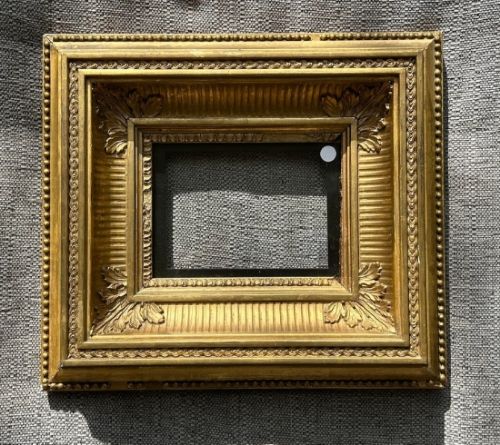
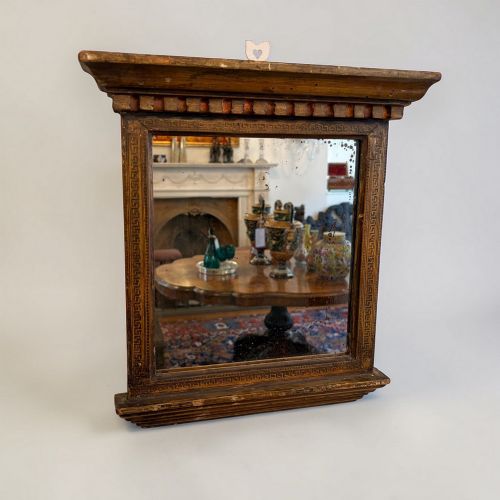
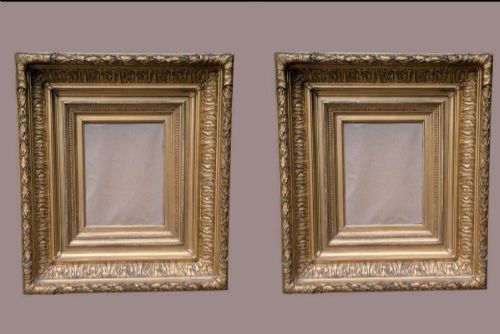
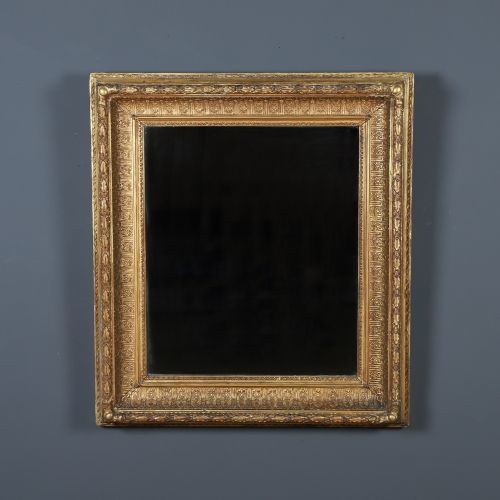
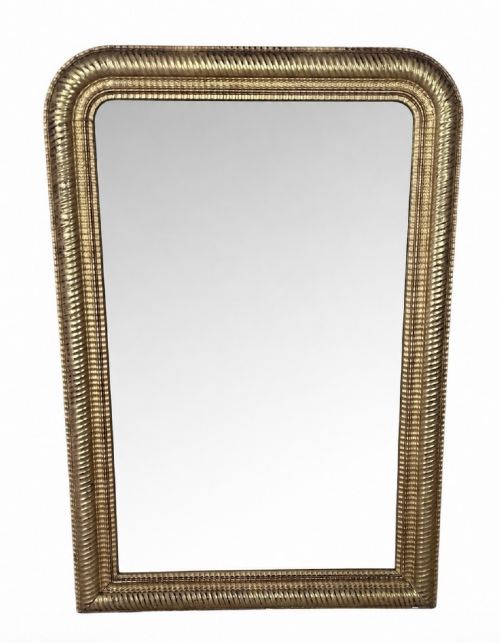
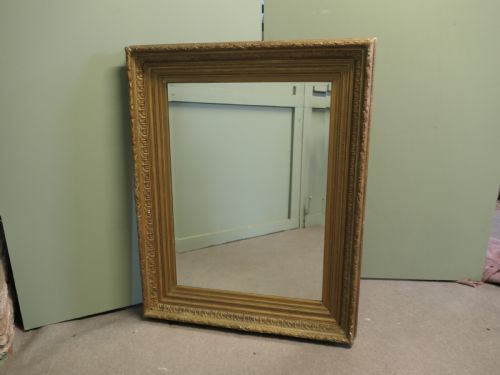
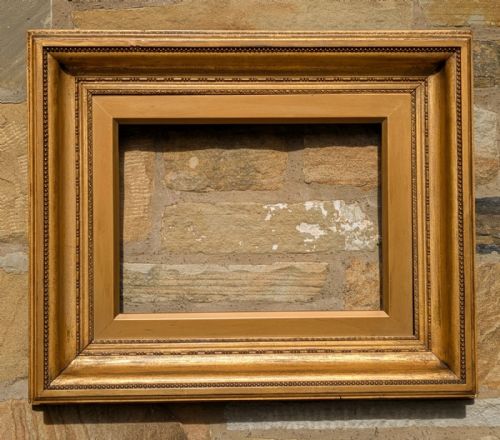
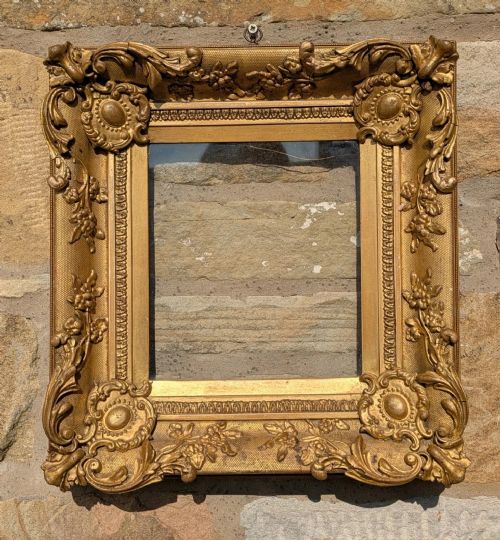
When searching for gilded wood moulding, a buyer encounters a selection of decorative trims, mirror frames, and picture frames spanning several centuries. The material serves primarily to enhance wall displays through reflective surfaces and carved wooden profiles.
The pieces listed on this page range from Georgian mahogany and parcel-gilt fretwork to Victorian overmantle mirrors and deep picture frames. Nineteenth-century examples predominate, showing styles from Neoclassical to Rococo Revival.
Materials and construction
Makers built these pieces using a wooden base coated in gesso before applying gold leaf or gilt. This layered preparation provided a smooth, receptive surface for burnishing and leaf application.
Materials recorded in the evidence include solid wood, mahogany, glass, and mirror glass. Gilding methods involved delicate gold leaf laid over gesso to achieve a continuous metallic finish.
Gilded Wood Moulding Retail Price Guide 2026
Typical asking prices for gilded wood moulding among the pieces listed under this phrase on Sellingantiques today, from the lower quarter to the upper quarter. They describe what is for sale here now, not the wider market.
Listings feature periods spanning from the 17th century through the 18th century, the Georgian era, and the 19th century up to 1900.
Assessing quality and craftsmanship
Quality rests upon the depth of the carving and the crispness of the architectural details, such as fluting or fretwork. Heavier frames with substantial wooden depths generally indicate more ambitious workshop production.
The preservation of the original gold leaf and the integrity of the gesso base separate superior examples from worn pieces. Subtleties in hand-carved ornamentation distinguish individual items from standard production.
The Gilded Wood Moulding Glossary
- Giltwood
- Wood that has been coated with gold leaf or a gold-coloured finish. This technique creates a durable metallic sheen on decorative items.
- Gesso
- A plaster-like mixture applied to wood to create a smooth surface for gilding. It allows craftsmen to carve fine details before applying gold leaf.
- Overmantle
- A large mirror designed to hang above a fireplace mantelpiece. These pieces often feature wide frames to anchor the room's proportions.
- Parcel-gilt
- A decorative treatment where only specific parts of an object are gilded, leaving the underlying wood visible. This creates a contrast between the timber and the gold.
- Ripple frame
- A picture frame characterised by concentric, undulating waves carved into the wood. The pattern catches light across multiple curved ridges.
Gilded Wood Moulding: Frequently Asked Questions
How do I hang a heavy gilded mirror?
Heavy frames require secure wall fixings suited to the weight of the timber and glass. Using wall anchors into masonry or locating studwork ensures stability.
Professional mirror hangers often employ heavy-duty battens or brackets designed to distribute the load evenly across the wall.
How do I clean antique giltwood?
Dusting gently with a soft, dry brush prevents the accumulation of dirt without disturbing fragile surfaces. Avoid using liquids, chemical sprays, or abrasive cloths.
Water or commercial cleaners can strip gold leaf and damage the underlying gesso. Professional conservation is advisable for heavily soiled pieces.
What is the difference between an overmantle and a wall mirror?
Overmantle mirrors are specifically proportioned to sit above fireplace surrounds, often featuring horizontal dimensions that span the hearth. Regular wall mirrors serve general placement throughout a hallway or reception room.
Both types utilise gilded wood moulding, but overmantles generally command a larger visual presence in a room.
How do I identify a Victorian gilt frame?
Victorian frames often display deep profiles, heavy construction, and distinct revival styles such as Rococo or Art Nouveau. Makers utilised robust timber bases finished with thick gesso and gold leaf.
Examining the construction joints and the back of the wood helps confirm nineteenth-century production methods.