





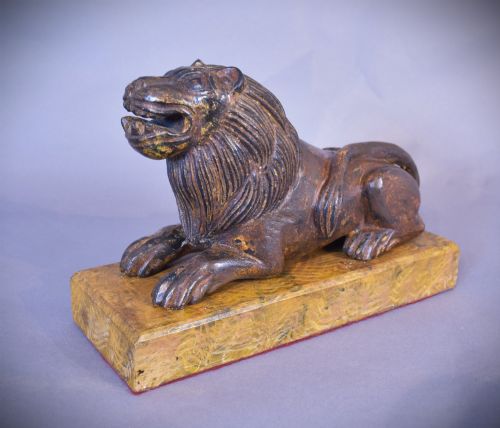
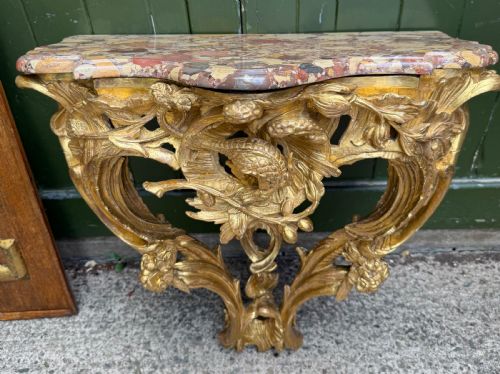


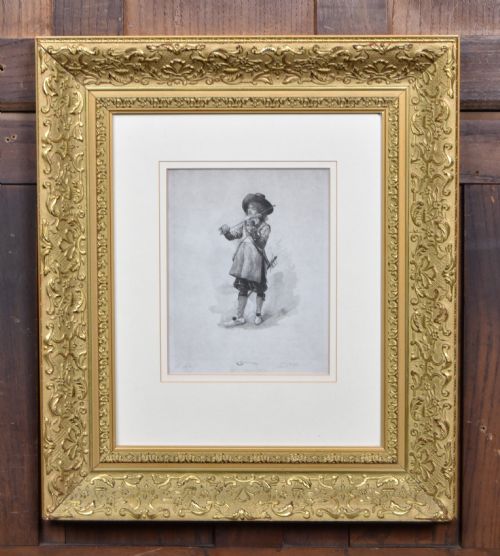

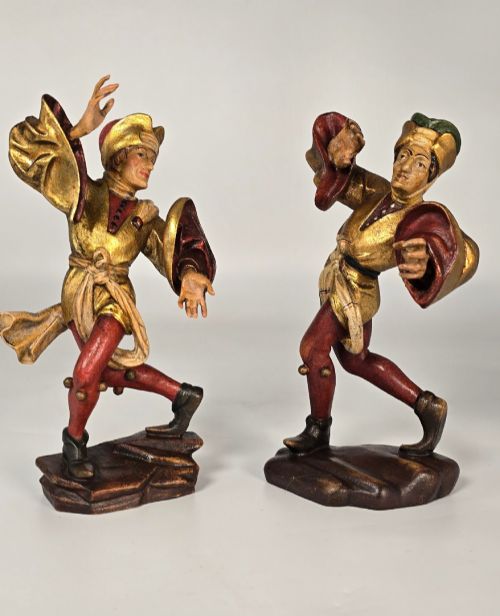
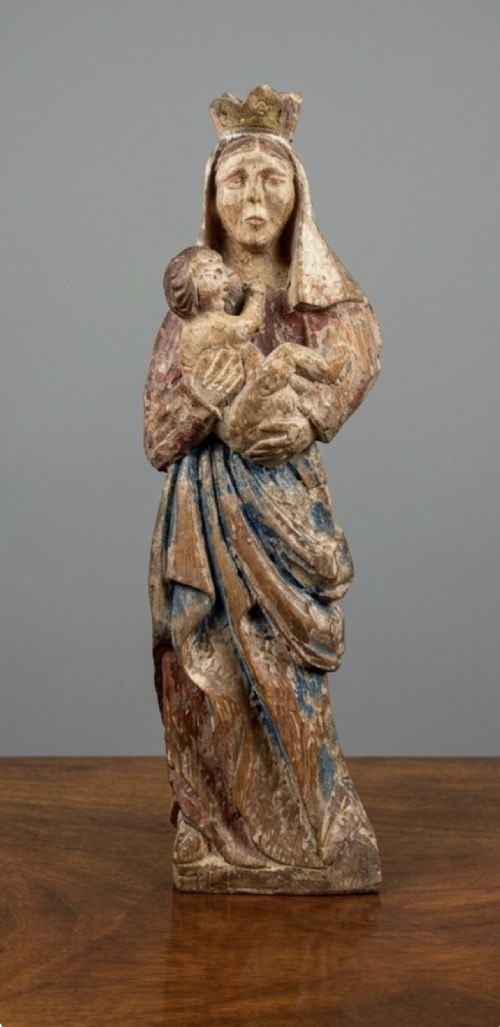
Gilded Wood Figure
When you search for gilded wood figure, you encounter carved statues finished in gold leaf, depicting deities, saints, and nobles across centuries.
Gilded Wood Figure
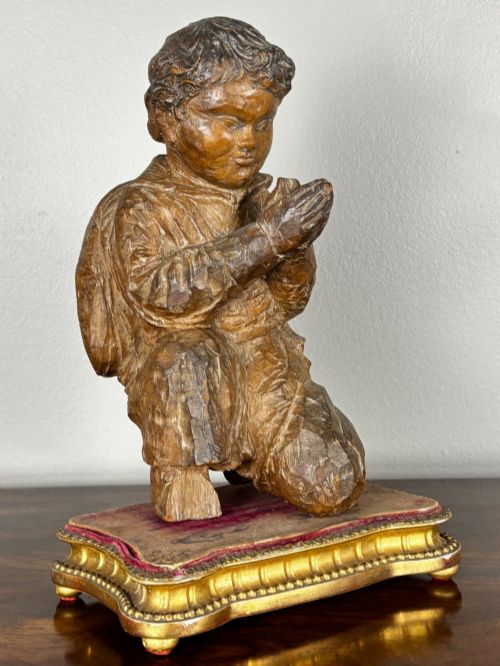
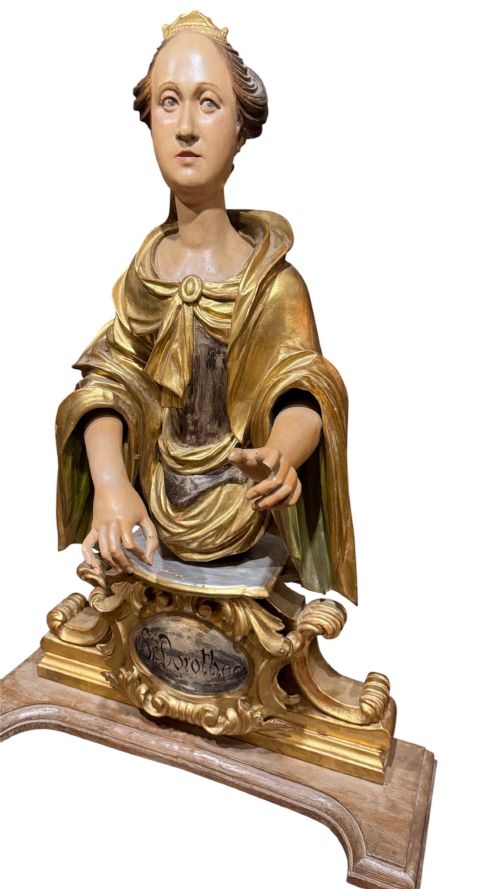
A gilded wood figure represents a carved sculptural tradition spanning the seventeenth to the twentieth century, originating from European workshops and Asian temples alike. These objects include depictions of deities, scholars, saints, and angels, created for devotional, architectural, or decorative purposes.
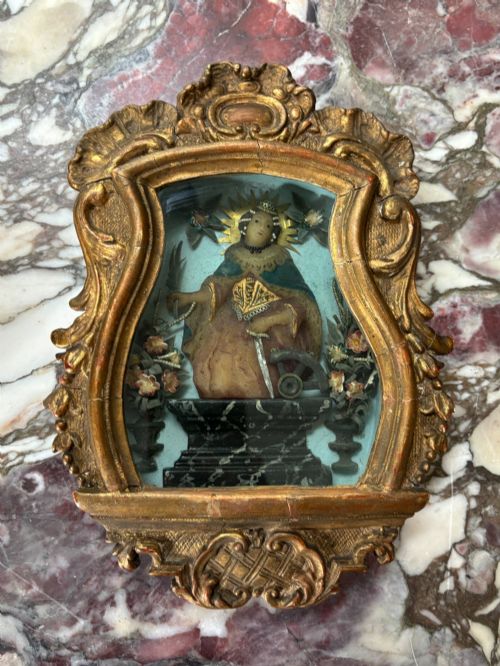
Buyers browsing this selection frequently encounter carved representations dressed in polychrome paint alongside gold leaf and giltwood. The forms range from miniature household figures to monumental temple guardians and architectural elements.
European examples often reflect Baroque or Italian styling with limewood and oak, whilst Asian works display Qing Dynasty traditions through lacquered and hand-painted surfaces. Each piece carries the distinct regional hand of its maker, whether from Italy, Germany, China, or Burma.
Materials and Techniques
Artisans carved these figures primarily from timbers such as limewood, oak, and general hardwoods, providing a stable foundation for intricate detail. Gesso was then applied to smooth the grain before gold leaf or giltwood was laid down.
Many surfaces received further enhancement through polychrome paint and lacquer, adding colour and depth to garments and faces. This combination of carved wood, gesso, and metallic leaf created the reflective quality seen on altarpieces and temple sculptures.
Gilded Wood Figure Retail Price Guide 2026
Typical asking prices for gilded wood figure among the pieces listed under this phrase on Sellingantiques today, from the lower quarter to the upper quarter. They describe what is for sale here now, not the wider market.
Listings span centuries from the sixteenth to the twentieth, incorporating European limewood and oak alongside Asian lacquered and polychrome timber figures.
Quality Variations
The standard of a carved wooden figure rests upon the depth and dexterity of the initial carving, particularly in the rendering of facial expressions and drapery folds. Finer pieces demonstrate precise tool work that brings vitality to hands, hair, and posture.
The preservation of the original surface finish, whether gold leaf, polychrome paint, or lacquer, dictates much of the visual integrity. Sensitivity in historical touch-ups and the natural ageing of the gesso base separate superior examples from heavily restored works.
Thomas Spinks·Frank Moss Bennett·P. Ruiz·J De Ninville
The Gilded Wood Figure Glossary
- Giltwood
- Wood that has been treated with a thin layer of gold leaf or powder. This finish provided a reflective surface favoured in European religious and domestic interiors.
- Gesso
- A plaster mixture applied to a wooden substrate as a base for paint or gold leaf. It creates a smooth and uniform surface for detailed carving work.
- Qing Dynasty
- The last imperial dynasty of China, lasting from sixteen-forty-four to nineteen-shirteen. Pieces from this period often exhibit refined lacquer and gilt finishes on temple figures.
- Baroque
- An ornate artistic style originating in Europe during the early seventeenth century. It is characterised by dramatic movement and deep relief carving in statues and furniture.
Gilded Wood Figure: Frequently Asked Questions
What are gilded wood figures?
These pieces are three-dimensional sculptures carved from timber and finished with gold leaf, giltwood, or painted details. They encompass religious icons, temple guardians, and decorative figures produced across various global traditions.
Craftsmen shaped the wood and applied gesso before adding metallic leaf to create luminous surfaces that caught the light in dim interiors.
Where were these figures placed?
European examples often originated in churches, domestic altars, or grand reception rooms as part of Baroque decorative schemes. Asian figures typically served inside temples or domestic shrines as objects of reverence or scholarly contemplation.
Their placement dictated their scale, ranging from intimate miniature carvings to monumental temple guardians standing several feet tall.
How do I care for a wooden figure?
Maintain a stable indoor environment away from direct sunlight and sudden humidity changes to protect the underlying timber and gesso. Dust gently with a dry, soft brush rather than using liquid cleaners or polishes.
Preserving the delicate balance of old wood, gesso, and gold leaf requires minimal intervention and careful handling.
How can I tell the period?
Dating relies on stylistic markers such as the posture, drapery style, and regional characteristics associated with movements like the Baroque era or the Qing Dynasty. Tool marks and the composition of the gesso layer also offer clues to the workshop origin.
Comparing the carving depth and surface wear with documented examples helps establish the likely century of manufacture.