




Gilded Wood Cabinet
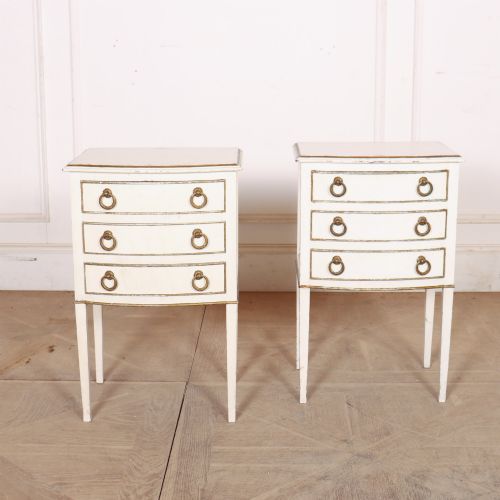
These gilded wood cabinet examples bring together centuries of craftsmanship, offering decorative storage across periods from the seventeenth century onward.
Gilded Wood Cabinet
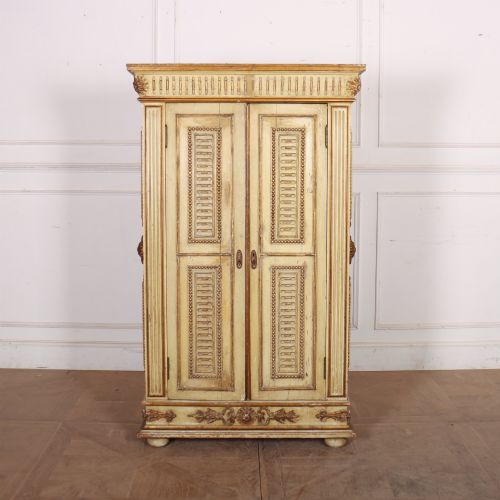
A gilded wood cabinet is a storage piece or display unit finished with gold leaf or giltwood, encompassing forms such as vitrines, side cabinets, display cabinets, and cabinets on stands. When you search for a gilded wood cabinet, you encounter diverse regional expressions ranging from English Georgian and Victorian pieces to Italian Baroque and French Louis-style works.
The nineteenth century represents the most frequent origin for these pieces on this page, alongside significant eighteenth-century examples and twentieth-century variations like Art Deco items and nineteen-thirties hand-painted works. Forms include compact bedside cupboards, tall breakfront side cabinets, and intricate wall-hanging display cases.
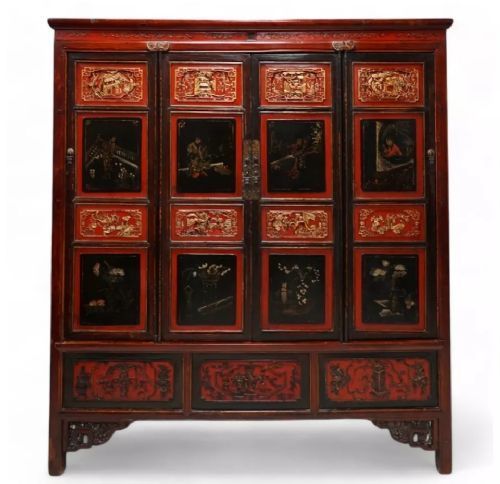
Buyers also find specialised items such as Chinese lacquered marriage cabinets, Spanish folk art altars, and travelling bureaux. Each piece serves both a practical storage function and a decorative role within an interior.
What varies in quality
Quality rests in the precision of the carving, the integrity of the gilded or lacquered surface, and the subtlety of the timber grain. Finer pieces demonstrate crisp detail in carved giltwood and gesso work, alongside carefully executed marquetry and balanced proportions.
The depth and preservation of the gold leaf or paintwork distinguish master craftsmanship from simpler production. Structural refinement, such as the seamless integration of glazed sides and original hardware, elevates the standing of an individual piece.
Listings span periods from the 17th century through the 1930s, utilising gold leaf, gesso, brass, and diverse woods like amboyna and kingwood.
The Gilded Wood Cabinet Glossary
- Giltwood
- Wood that has been coated with gold leaf or gold paint. This finish appears frequently across nineteenth-century display cases and Italian side cupboards.
- Vitrine
- A glass-fronted cabinet designed for displaying fine objects or porcelain. These items often feature glazed sides and elaborate frames.
- Japanning
- A European imitation of East Asian lacquer work popular in eighteenth-century furniture. It involves layered varnishes and decorative motifs.
- Gesso
- A plaster-like mixture applied to wood to create a smooth surface for gilding. It allows carvers to achieve sharp relief details beneath gold leaf.
- Marquetry
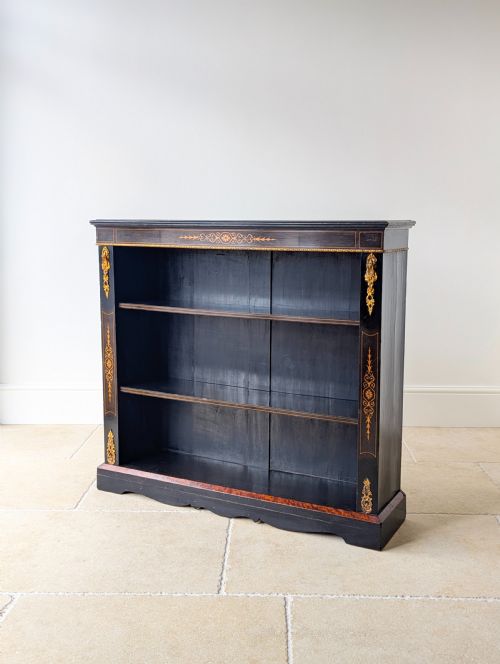
- The art of applying pieces of veneer to a structure to form decorative patterns. Craftsmen utilise various coloured woods to build pictorial designs on cabinet doors.
Gilded Wood Cabinet: Frequently Asked Questions
Where should I place a display cabinet?
These cabinets suit principal reception rooms or hallways where their glazed panels and decorated surfaces receive adequate ambient light. Ensure they sit away from direct heat sources to protect delicate timber and gilt surfaces.
Pairing a vitrine or side cabinet with complementary antique furniture enhances the room's proportions. Wall-hanging display cases require secure fixing directly into structural studs.
How do I care for gilded wood?
Dust surfaces gently using a soft, dry ostrich feather duster or a clean microfibre cloth. Avoid chemical cleaning sprays, polishes, or excessive moisture which can damage delicate gold leaf and gesso.
Maintain stable room humidity levels to prevent timber expansion and subsequent cracking of the surface finishes. Professional conservationists should handle any structural repairs.
How do I identify eighteenth-century pieces?
Eighteenth-century cabinets often display distinct joinery methods, native timber selections such as mulberry or walnut, and hand-applied japanned or lacquered finishes. Proportion and hardware reflect the prevailing Georgian or continental tastes of the period.
Look for signs of age within the drawer linings and backboards, including hand-cut dovetails and tool marks. Comparing structural construction to documented period examples helps confirm origin.