
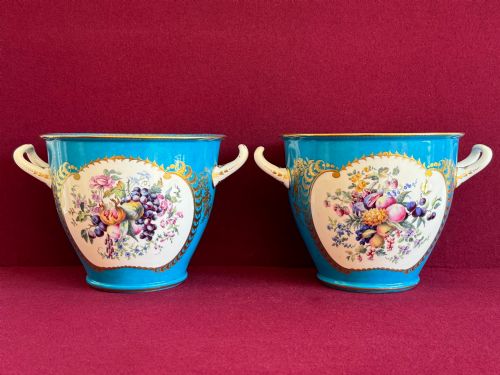
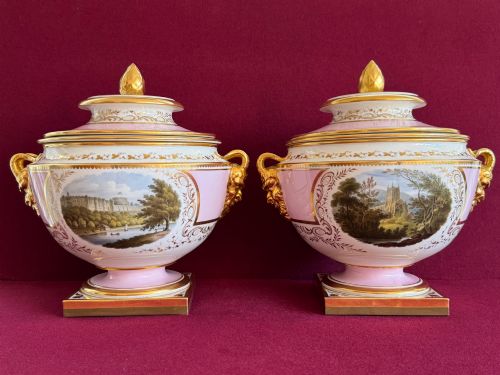
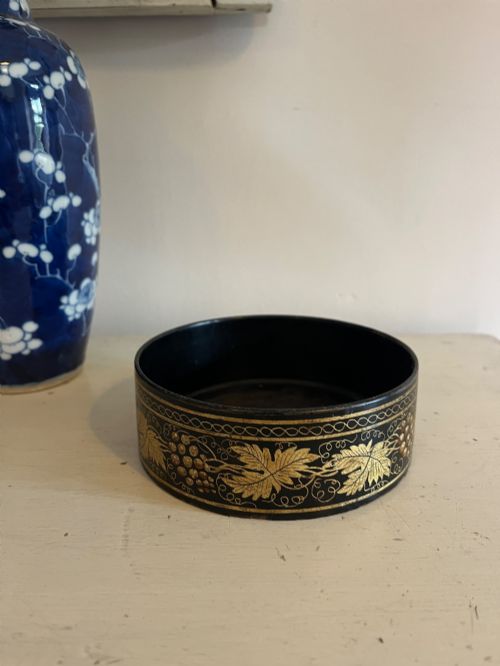
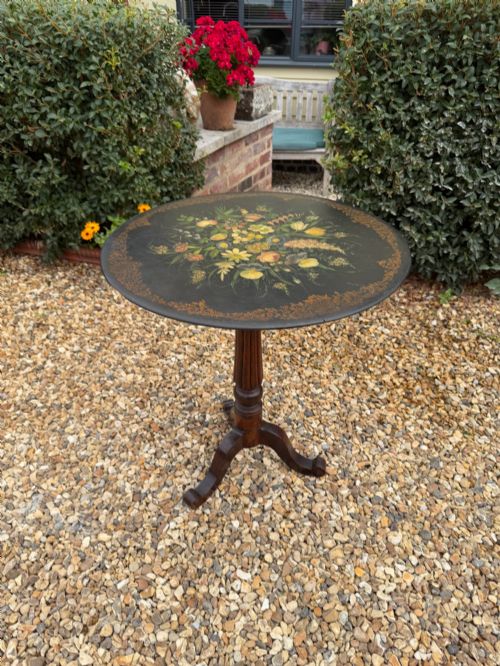



Gilded Wine Table
These gilded wine table pieces bring decorative warmth and historic surface detail to a room.
Gilded Wine Table
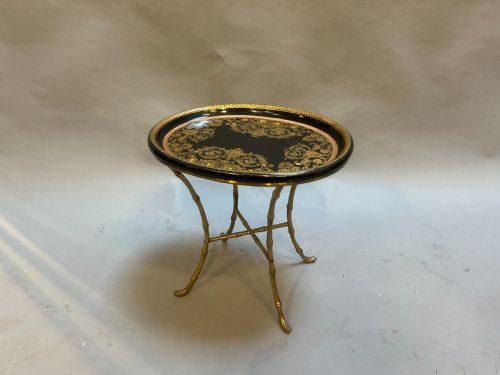
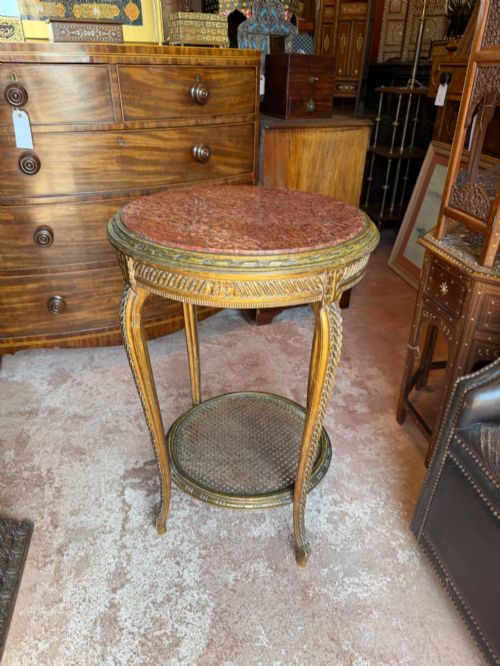
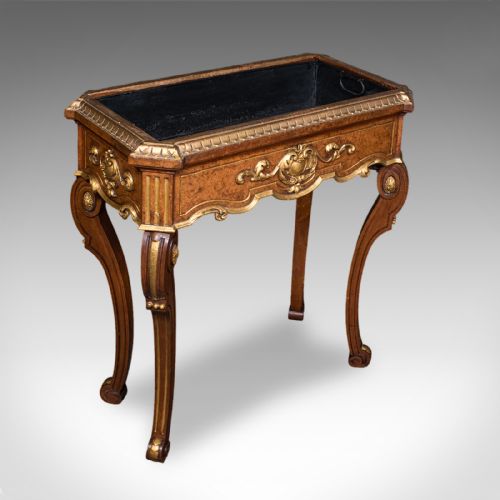
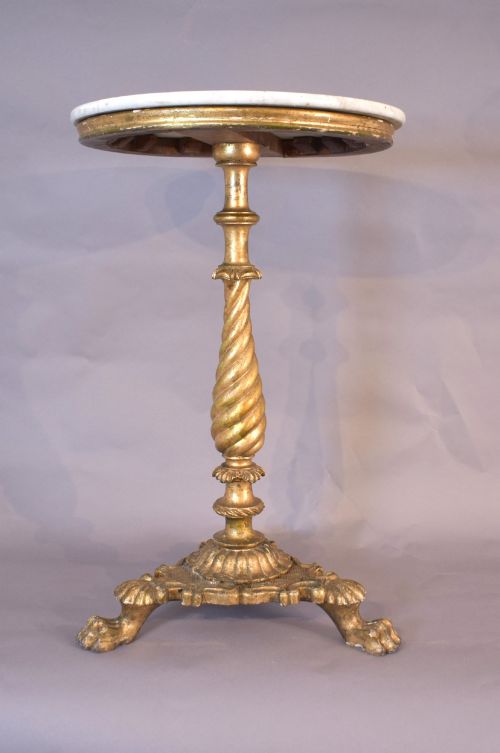
A gilded wine table is a decorative small-scale surface intended for holding drinks or display, appearing across the nineteenth century and into the twentieth century in various regional designs. Buyers searching for a gilded wine table encounter forms such as tripod tables, pedestal occasional pieces, and low stacking tables.
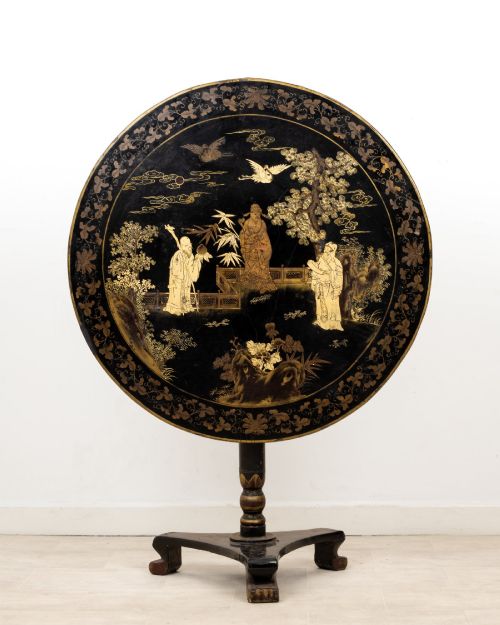
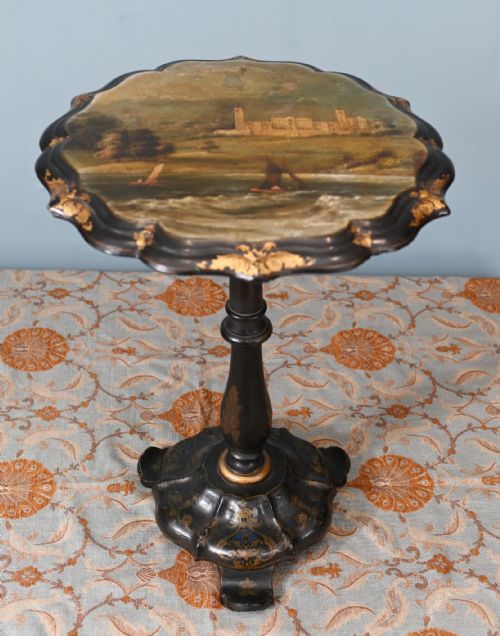
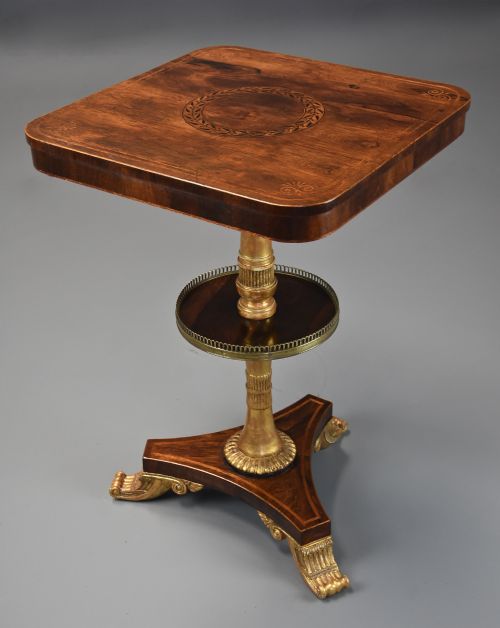
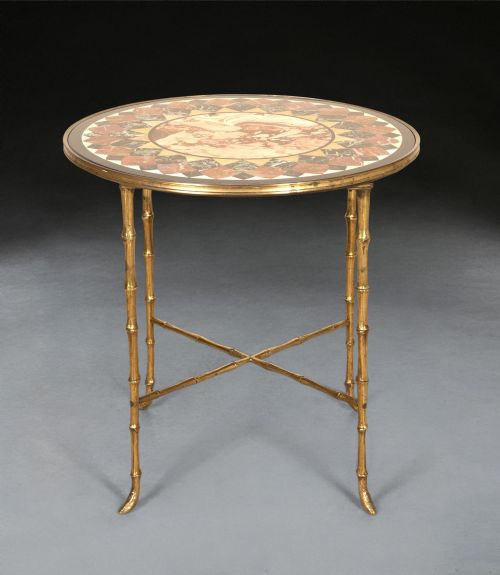
The selection on this page leans heavily towards nineteenth century French and Regency pieces, alongside Italian painted items, Chinese lacquer, and later twentieth century examples. These compact surfaces served as moveable furniture in period drawing rooms and boudoirs.
Originating from cabinet makers working in diverse stylistic revivals, these tables combine functional small surfaces with elaborate giltwood, painted, or lacquered decoration. They suit modern interiors as bedside stands, lamp tables, or accent pieces.
What varies in quality
Quality in these pieces rests upon the precision of the carving, the richness of the gilding or gold leaf application, and the integrity of the secondary materials like marble or onyx. Finer examples display crisp moulding details, balanced proportions in the tripod or pedestal base, and sophisticated parquetry or painted decoration.
The execution of joinery and the selection of cabinet woods distinguish standard production items from workshop pieces created in recognised Regency or French revival styles. Preserved original surfaces without heavy overpainting command greater interest from collectors.
Object types on this site include tilt top tables, nest of tables, wine coasters, and jardiniere stands.
Zwiener Jansen Sucesseur·George Bullock·Thomas Hope·E.Daligny·Linke
The Gilded Wine Table Glossary
- Giltwood
- Wood that has been coated with gold leaf or metallic powder over a prepared gesso ground. This finish defines the reflective surface characteristic of many antique occasional tables.
- Guéridon
- A small French table supported by one or more central columns or figures. The form became popular during the seventeenth century and persisted through nineteenth century revival periods.
- Tripod table
- A freestanding small table supported by three legs branching from a central pillar. These tables offer stable placement on uneven historic floorboards.
- Japanned
- European furniture finished with imitation East Asian lacquer using black or coloured varnishes. The technique mimics imported lacquerware through layered painting and curing.
- Ormolu
- Gilded bronze or brass mounts applied to furniture for decorative enrichment. French cabinet makers utilised these cast metal elements to accentuate structural corners and legs.
Gilded Wine Table: Frequently Asked Questions
What is a gilded wine table used for?
These small tables were originally designed for serving wine or holding small decorative objects in formal entertaining spaces.
Today they function effectively as accent furniture, holding lamps, drinks, or small plants beside seating areas.
How do I identify a Regency period table?
Regency pieces typically display classical neoclassical influences, architectural pedestals, and dark woods such as rosewood or amboyna.
Look for restrained ornamentation, column supports, and painted pedestals echoing ancient Greek or Roman design.
Are marble tops original to these tables?
Many French and Italian occasional tables were produced with fitted inset marble or onyx slabs to provide a durable, cool surface.
These stone tops were integrated during manufacture to support glassware and decanters without sustaining liquid damage.
How do I care for giltwood and painted surfaces?
Keep gilded and painted tables away from direct sunlight and excessive humidity to prevent the gold leaf or paint from flaking.
Dust gently with a dry, soft cloth and avoid chemical polishes or water on the decorated areas.