



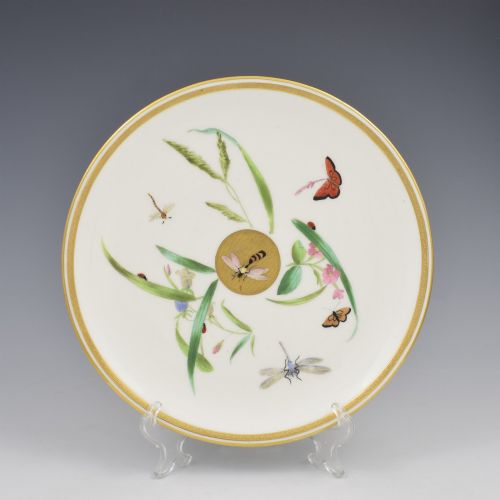
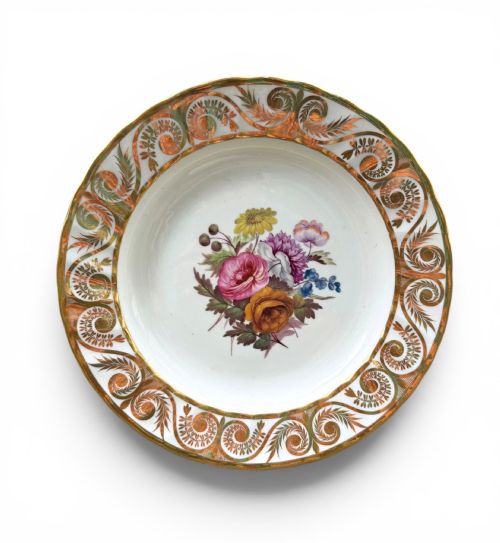
Gilded White Porcelain Dish
These items of gilded white porcelain dish material combine ceramic bodywork with metal leaf highlights, offering collectors historical charm and refined decorative presence.
Gilded White Porcelain Dish
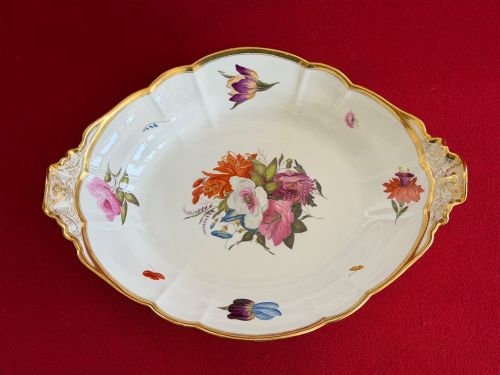
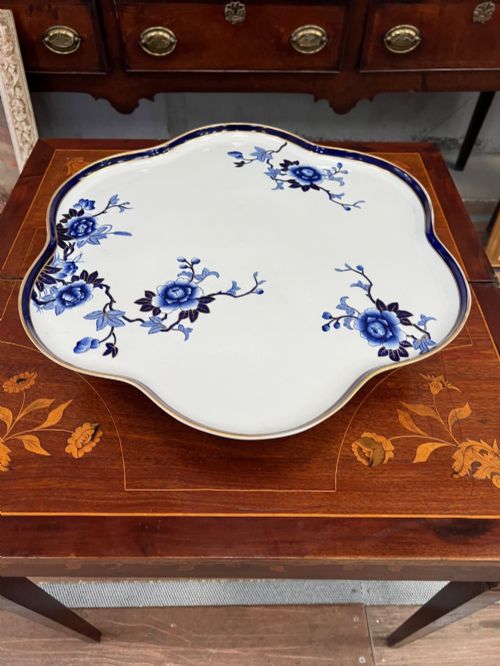
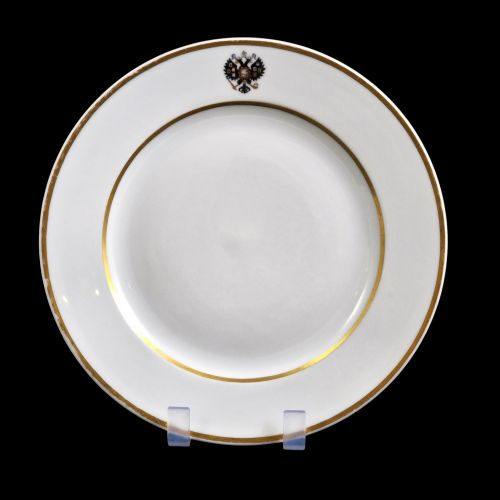
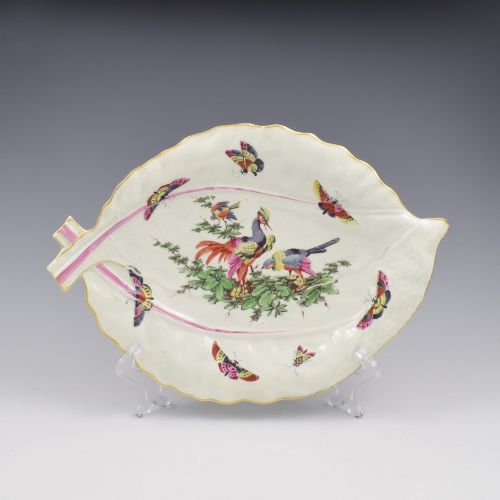
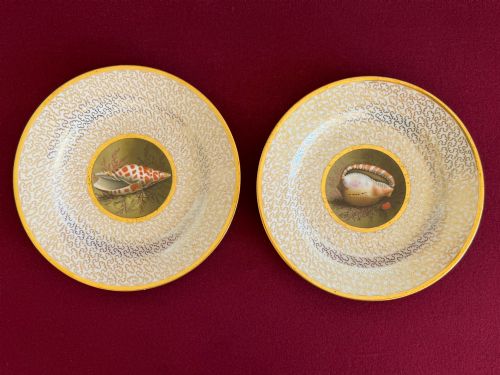
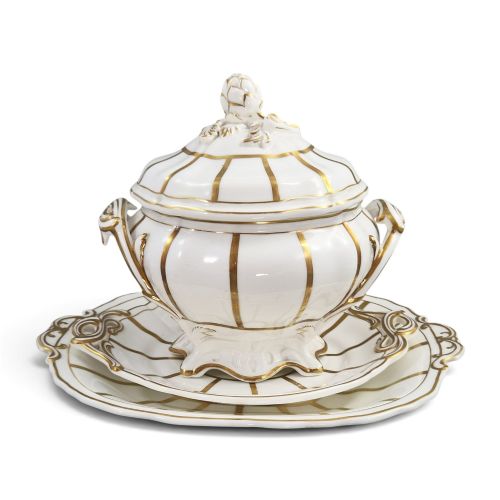
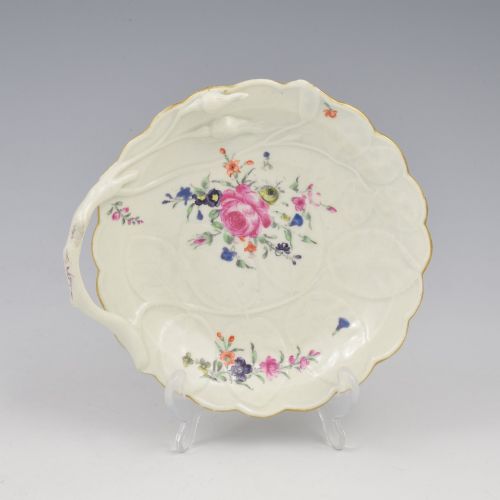
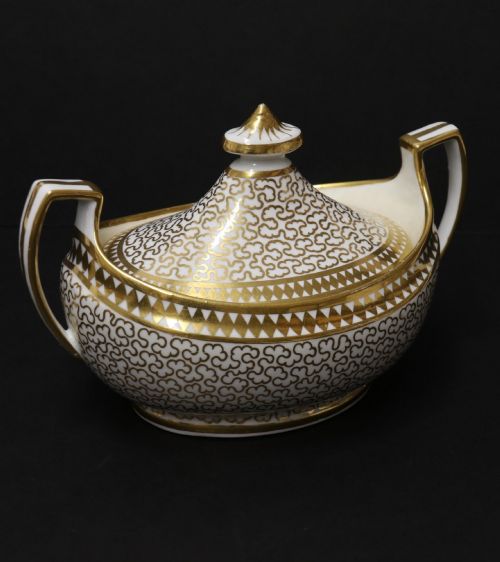
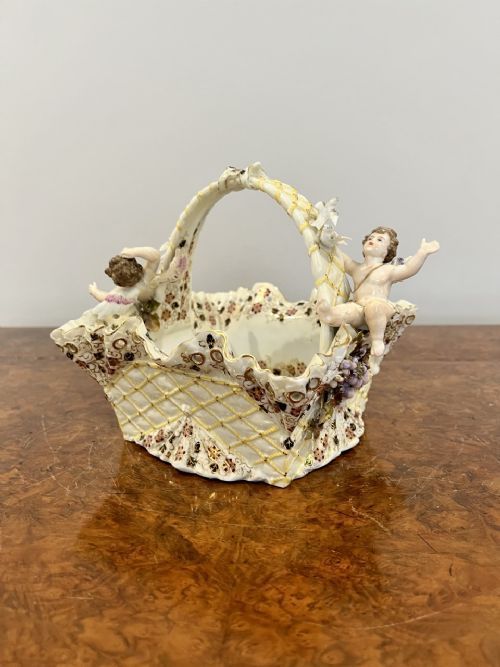
A gilded white porcelain dish appears in forms ranging from cabinet plates and dessert services to sweetmeat dishes, baskets, and tureens. These items span periods from the eighteenth century through the Victorian era and into the early twentieth century.
Makers from English factories such as Worcester, Derby, Minton, and Rockingham sit alongside continental European works from Meissen, KPM Berlin, and Paris. Each piece reflects the shifting tastes of the Georgian, Regency, and Aesthetic periods.
How they were made
Potters shaped ceramic bodies using porcelain, soft-paste porcelain, and ironstone before applying hand-painted enamel decoration and botanical or avian motifs. Craftsmen then added gold leaf, gilt, and gilding to rims, handles, and raised relief elements.
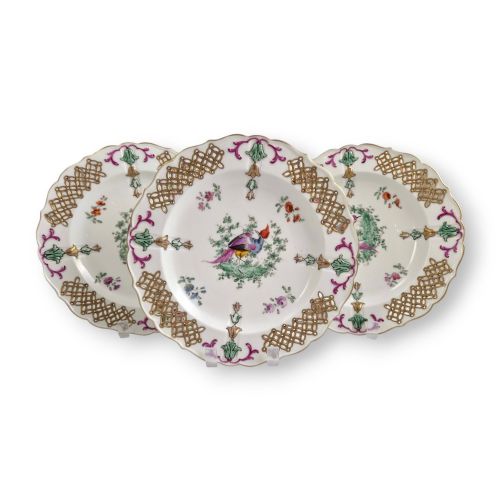
Factories utilised specialised firing techniques to set intricate floral encrustations, reticulated basketweave patterns, and transfer-printed or hand-painted topographical views onto the ceramic surface.
Gilded White Porcelain Dish Retail Price Guide 2026
Typical asking prices for gilded white porcelain dish among the pieces listed under this phrase on Sellingantiques today, from the lower quarter to the upper quarter. They describe what is for sale here now, not the wider market.
Listings feature porcelain, ironstone, and soft-paste porcelain across the 18th Century, Regency, and Victorian eras.
What varies in quality
The precision of the hand-painted brushwork distinguishes standard production ware from superior examples, particularly in detailed bird studies, floral bouquets, and topographical landscapes. The crispness of moulded details, such as basketweave textures and applied flowers, reveals the skill of the original ceramic artist.
The application of gold leaf and burnished gilding shows noticeable gradation, where heavier, more durable metal layers maintain their reflective brilliance better than thin washes that have rubbed away through centuries of handling.
KPM Berlin·Meissen·Flight Barr And Barr·Paul Muller Selb·Helena Wolfsohn·Grainger And Co Royal Worcester
The Gilded White Porcelain Dish Glossary
- Soft-paste porcelain
- A glassy ceramic composition fired at lower temperatures than hard-paste porcelain, common in eighteenth-century English factories. It produces a warm, creamy body beneath the glaze.
- Gilding
- The application of gold leaf or powdered gold to ceramic surfaces for decorative contrast. Artisans burnished this metal layer to achieve a bright metallic finish.
- Reticulated
- A pierced or openwork pattern formed in the wet clay before firing, often resembling woven wicker on baskets and plates. This technique requires considerable skill to prevent warping in the kiln.
- Ironstone
- A heavy, durable type of earthenware patented in the nineteenth century. It provides a robust alternative to standard porcelain for utilitarian and decorative wares alike.
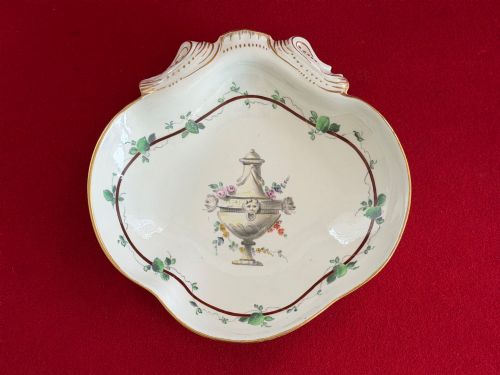
- Sweetmeat dish
- A small, specialised vessel designed for serving confectionery, nuts, or small sweet delicacies during formal dining courses.
Gilded White Porcelain Dish: Frequently Asked Questions
What periods do these dishes come from?
The pieces span multiple centuries, originating primarily from the eighteenth, nineteenth, and early twentieth centuries. Examples bridge Georgian, Regency, and Victorian aesthetics.
Specific production dates align with notable manufacturing eras, including the First Period Worcester years and the late Victorian revival movements.
How were these decorative dishes used historically?
Owners displayed them on dining tables, in cabinets, or on sideboards as part of extensive dessert and dinner services. Many held sweetmeats, fruit, or small decorative items during formal meals.
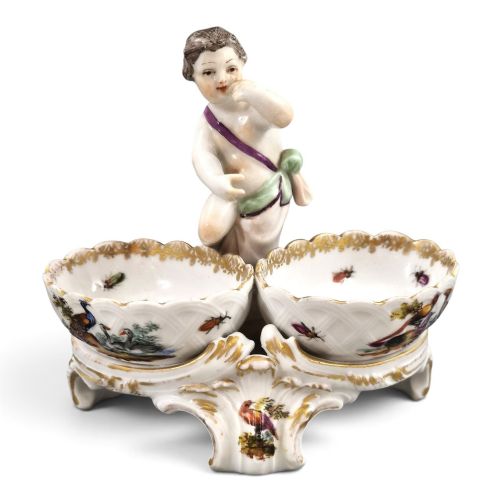
Beyond dining use, ornamental baskets and figural salt cellars served as centrepieces that demonstrated the host's wealth and refinement.
How should I care for gilded porcelain?
Gentle handling prevents the loss of delicate applied flowers and surface gilding. Dusting with a dry, soft cloth maintains the finish without abrasive contact.
Avoid immersion in water or chemical cleaning agents, as moisture and harsh detergents can degrade the historic enamel paints and metal leaf.
How can I tell different factory styles apart?
English factories like Worcester and Rockingham often favored botanical studies, transfer prints, and topographical landscapes of local landmarks. Continental makers such as Meissen and KPM Berlin frequently incorporated figural elements, putti, and exotic birds.
Examining the paste, weight, and decorative palette helps attribute a piece to its likely country of origin.