




Gilded Swept Frame Painting
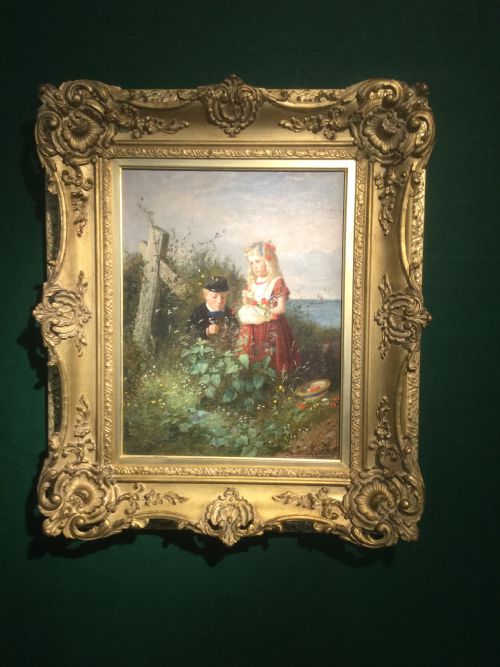
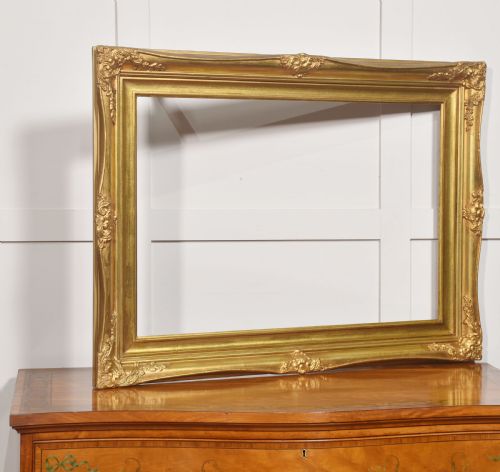
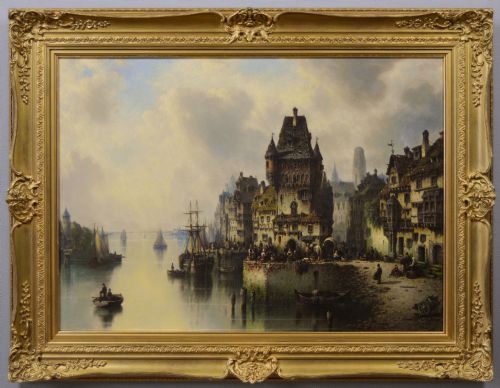
A gilded swept frame painting brings together elaborate scrollwork and canvas art, offering an ornate centrepiece for a traditional interior.
Gilded Swept Frame Painting
A gilded swept frame painting combines oil or watercolour artwork with an ornate, curved picture frame defined by distinct moulding and scrollwork. These pieces span from the seventeenth century through to the early twentieth century, incorporating Victorian pastoral scenes, landscapes, and interior watercolours.
The most common examples encountered on this page date from the nineteenth and early twentieth centuries, capturing periods such as the Victorian era and early twentieth-century Scottish school. The artworks themselves range from detailed floral still lifes and river landscapes to continental townscapes and modernist compositions.
Collectors frequently seek these works for the harmonious pairing of period canvases and elaborately moulded frames. The craftsmanship of the frame often matches the artistic merit of the painting it encloses, creating a unified decorative object.
Materials and construction methods
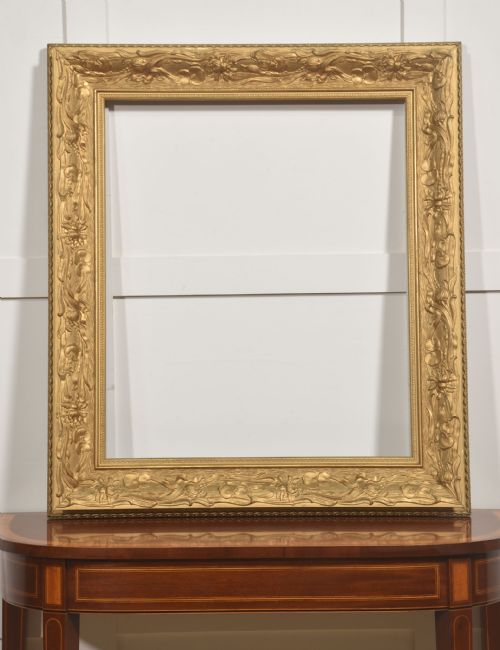
Makers constructed the foundational structure using wood, applying layers of gesso to build up the intricate relief details characteristic of swept designs. Artisans then applied gold leaf or giltwood finishes over the prepared surface to achieve a brilliant metallic sheen.
Paintings within these surrounds utilise oil on canvas or watercolour on paper, executed by artists working across Britain and continental Europe. The combination of carved wooden frames and hand-applied gilding reflects traditional workshop practices from the seventeenth to the twentieth centuries.
Listings feature works spanning the seventeenth to the twentieth centuries, utilising oil on canvas, watercolour, gesso, and giltwood.
Distinguishing quality in frames and canvases
The standard of carving and the depth of the swept moulding dictate the visual impact of the frame. Superior examples display crisp, undercut scrollwork in the gesso without loss of detail, whereas lesser pieces show softer contours and simpler application.
The artistic execution of the painting itself determines the overall desirability of the piece. Works by listed artists with documented exhibition histories or distinctive regional schools hold greater interest than anonymous studio output.
Charles Hunt·Robert Eadie·Sir Herbert Hughes Stanton·William Miller Frazer·Emily Selinger·William Sidney Cooper·Ludwig Hermann·Owen Bowen·Kenneth Washburn·Robert Mann
The Gilded Swept Frame Painting Glossary
- Gesso
- A plaster-like mixture applied to wood as a base for gilding and moulding. This substance allows artisans to carve intricate relief patterns before applying gold leaf.
- Giltwood
- Wood that has been coated with gold leaf or a gold-coloured finish. This material provides the luminous surface typical of antique picture frames.
- Rococo
- An eighteenth-century style revived in later periods, characterised by asymmetrical scrollwork and C-curves. This aesthetic heavily influences the swept frames found on many nineteenth-century works.
- Watercolour
- A painting method where pigment is suspended in a water-based solution on paper. These works require protective glazing when housed in ornate frames.
- Swept frame
- A picture frame featuring deeply curved, flowing mouldings that sweep outward from the inner edge. This design adds dramatic movement and architectural presence to the artwork.
Gilded Swept Frame Painting: Frequently Asked Questions
How do I clean a gilded swept frame?
Dust the ornate mouldings gently with a soft, dry brush to prevent accumulation in the recesses. Avoid using liquid cleaners or abrasive cloths that can damage the delicate gold leaf finish.
Take care around areas of gesso relief, as these can be fragile. Professional conservation is recommended if the gilding shows signs of flaking.
Are these frames original to the paintings?
Many frames are contemporary to the artwork they enclose, sharing similar period characteristics. However, framing pairings evolved over time as collectors matched canvases to decorative surrounds.
Examining the rebate and fixings helps determine the longevity of the pairing. Both original combinations and sympathetic later pairings appear in these listings.
How do I hang a heavy framed painting?
Utilise sturdy wall fixings rated for the combined weight of the wood, gesso, and canvas. Secure the hanging wire or brackets directly to the wooden structure of the frame rather than relying solely on backing boards.
Position the piece away from direct sunlight and fluctuating heat sources to protect both the oil or watercolour medium and the gilded surface.
What distinguishes Victorian pastoral art?
Victorian pastoral works typically depict rural scenes, agricultural life, and domestic animals in tranquil landscapes. Artists focused on naturalistic lighting and detailed rendering of foliage and livestock.
These paintings frequently appear within Rococo revival or swept giltwood frames that complement the romanticism of the subject matter.