



Gilded Portrait Paintings
Gilded portrait paintings bring centuries of distinct likenesses and opulent frames into focus for the discerning collector.
Gilded Portrait Paintings
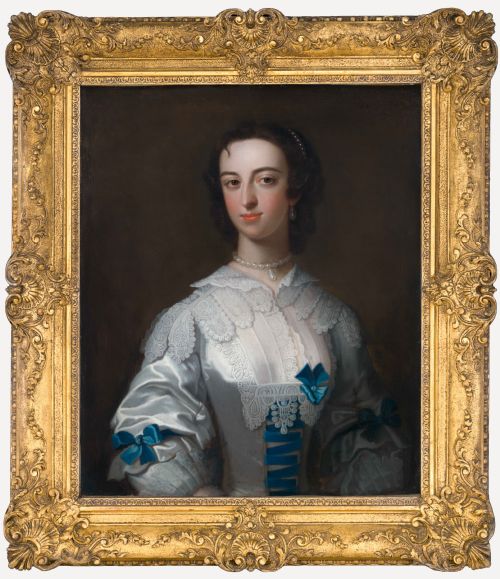
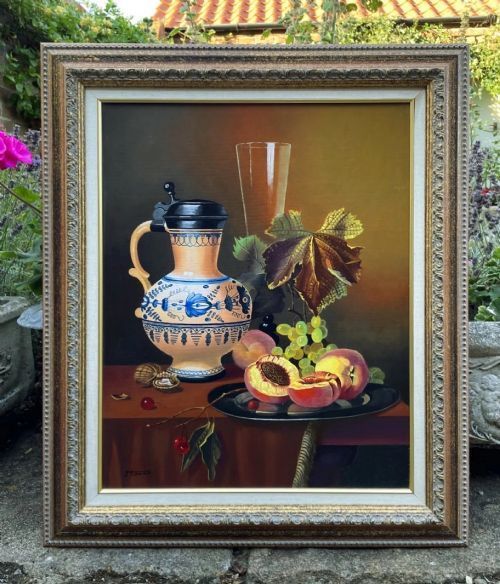
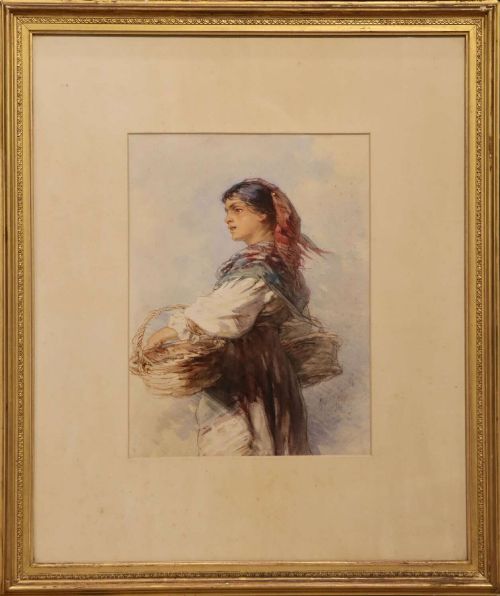
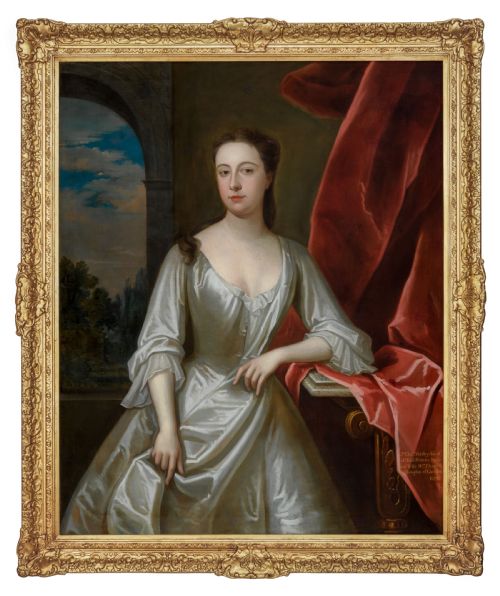
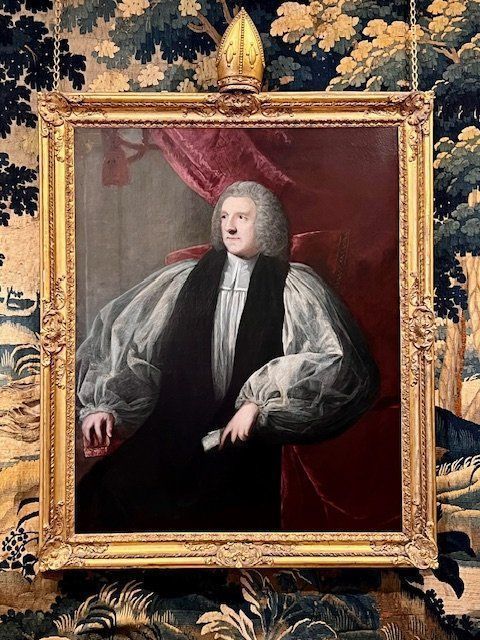
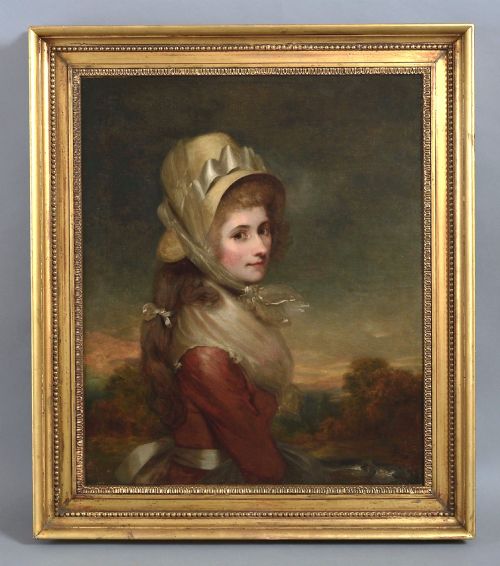
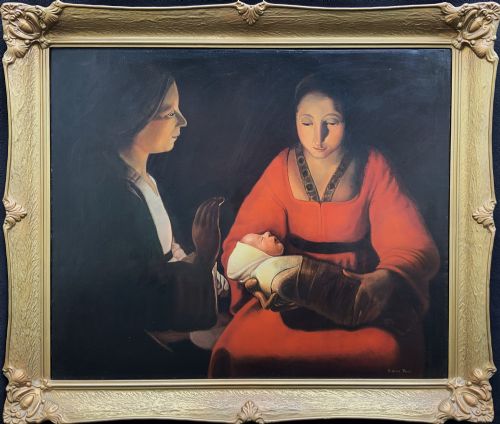
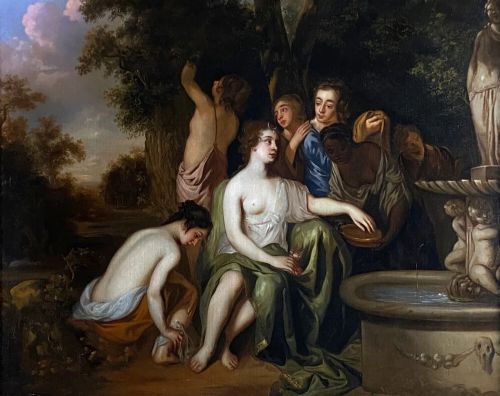
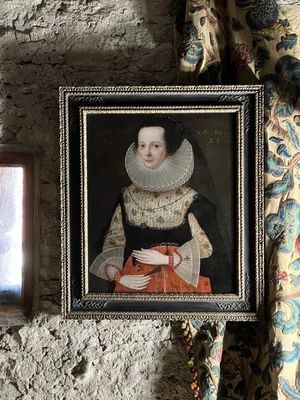
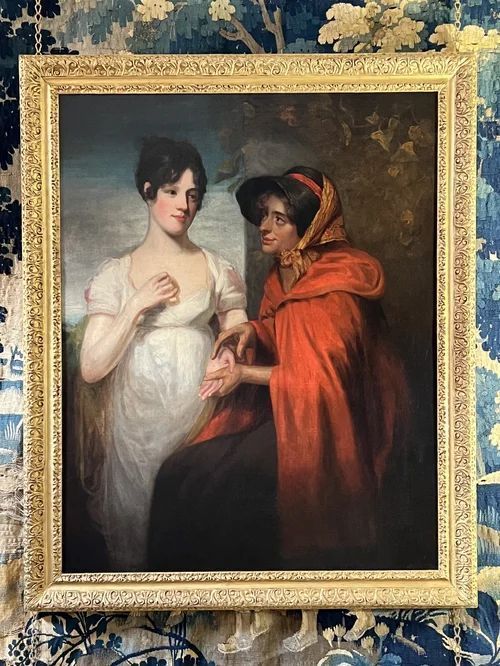
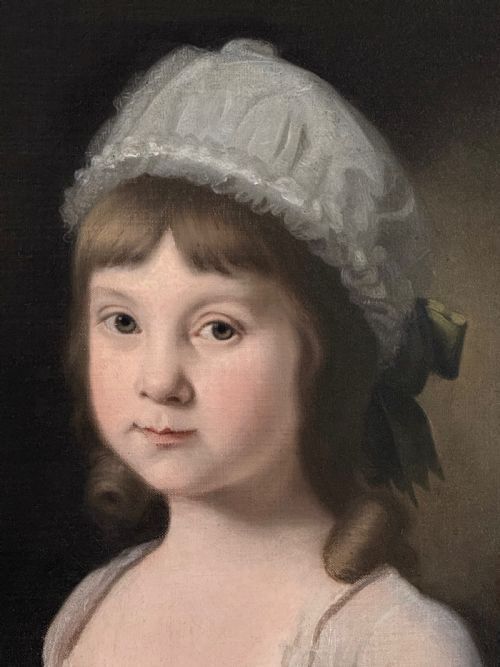
Gilded portrait paintings encompass centuries of artistic representation, ranging from seventeenth-century nobility to nineteenth-century academic studies. These works capture subjects from noblewomen to country girls, framed within ornate surrounds that elevate the visual impact of the canvas.
The selections encountered on this page span diverse stylistic movements, including Baroque, Georgian, and Regency periods. Buyers frequently encounter works executed in oil on canvas, accompanied by historic giltwood or gesso frames that define their traditional character.
Materials and Techniques
Artists historically applied oil paint onto prepared canvas or panel supports, utilising layered pigments to build depth in skin tones and drapery. These surfaces allow for subtle blending and enduring richness across centuries.
The surrounding frames utilise carved wood ornamented with gesso and finished with gold leaf. This gilding technique creates the reflective metallic border characteristic of these historic fine art pieces.
Several portraits preserve the likenesses of beloved family dogs and clever cats rather than human nobility.
Factors of Distinction
Quality rests upon the skill of the brushwork and the anatomical accuracy of the sitter, distinguishing studio output from master execution. Subtle handling of light, shadow, and expression dictates the artistic merit of each canvas.
The integrity and craftsmanship of the accompanying frame heavily influence the piece. Period-matching carved giltwood frames exhibiting deep relief and original gilding hold greater aesthetic and historical cohesion than later replacements.
Sir Joshua Reynolds·Sir Godfrey Kneller·Joseph Clover·John Opie·Anthony Van Dyck
The Gilded Portrait Paintings Glossary
- Giltwood
- Wood that has been coated with gold leaf or gold dust. This decorative treatment provides the bright, reflective border typical of antique picture frames.
- Gesso
- A plaster-like mixture applied to wood before gilding. It creates a smooth, carved surface capable of holding intricate ornamental detail.
- Oil on Canvas
- Pigment mixed with drying oil applied to stretched fabric. This medium enabled artists to achieve rich tonal gradations and lasting durability.
- Baroque
- An artistic style prevalent in the seventeenth and early eighteenth centuries. It emphasises dramatic lighting, grand scale, and rich ornamentation in portraiture.
Gilded Portrait Paintings: Frequently Asked Questions
How do I date a gilded portrait painting?
Dating relies upon the clothing style of the sitter, the construction of the canvas stretcher, and the profile of the frame. Examining inscriptions or signatures on the reverse often provides direct clues to the period of creation.
stylistic indicators such as seventeenth-century lace collars or Regency-era hairstyles help narrow the decade. Comparing the technique to known works from the same school confirms the timeline.
Where should I hang these heavy framed portraits?
These works require sturdy wall anchors capable of supporting the combined weight of a dense wooden canvas stretcher and a solid giltwood frame. Placing them away from direct sunlight preserves the sensitive oil pigments and prevents the gold leaf from fading.
position the centre of the painting at eye level for optimal viewing. Maintaining stable room humidity protects the gesso and wood from cracking over time.
What is the difference between studio work and master output?
Master pieces represent direct creations by a named artist, featuring their personal brushwork and compositional vision. Studio works originate from the workshop of a master, often involving assistants executing parts of the canvas under supervision.
both categories utilise the same period materials and oil techniques. Studio pieces offer a close connection to a famous hand while remaining distinct in execution.
How should I clean a historic gilt frame?
Cleaning requires a soft, dry brush to gently remove surface dust from the intricate carved gesso and gold leaf details. Moisture and chemical cleaners must be avoided to prevent stripping the delicate metallic finish.
professional conservators should address stubborn grime or flaking areas. Regular gentle dusting preserves the historic surface without causing abrasion.