

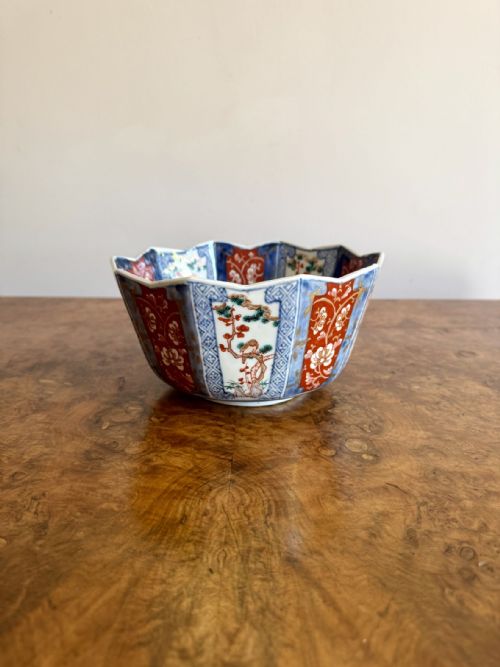
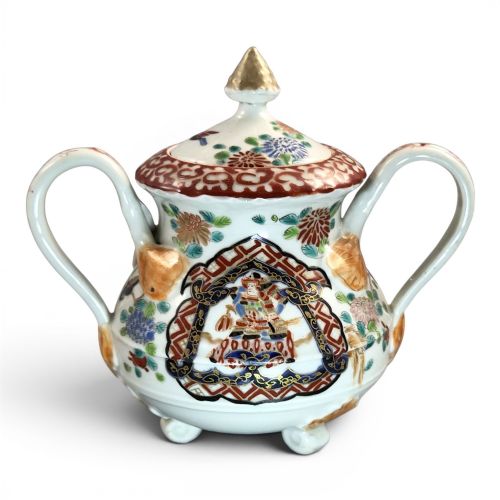


Gilded Porcelain Basin
These gilded porcelain basin examples bring hand-painted motifs and rich metallic leaf from eighteenth-century manufactories and Meiji workshops straight to your table.
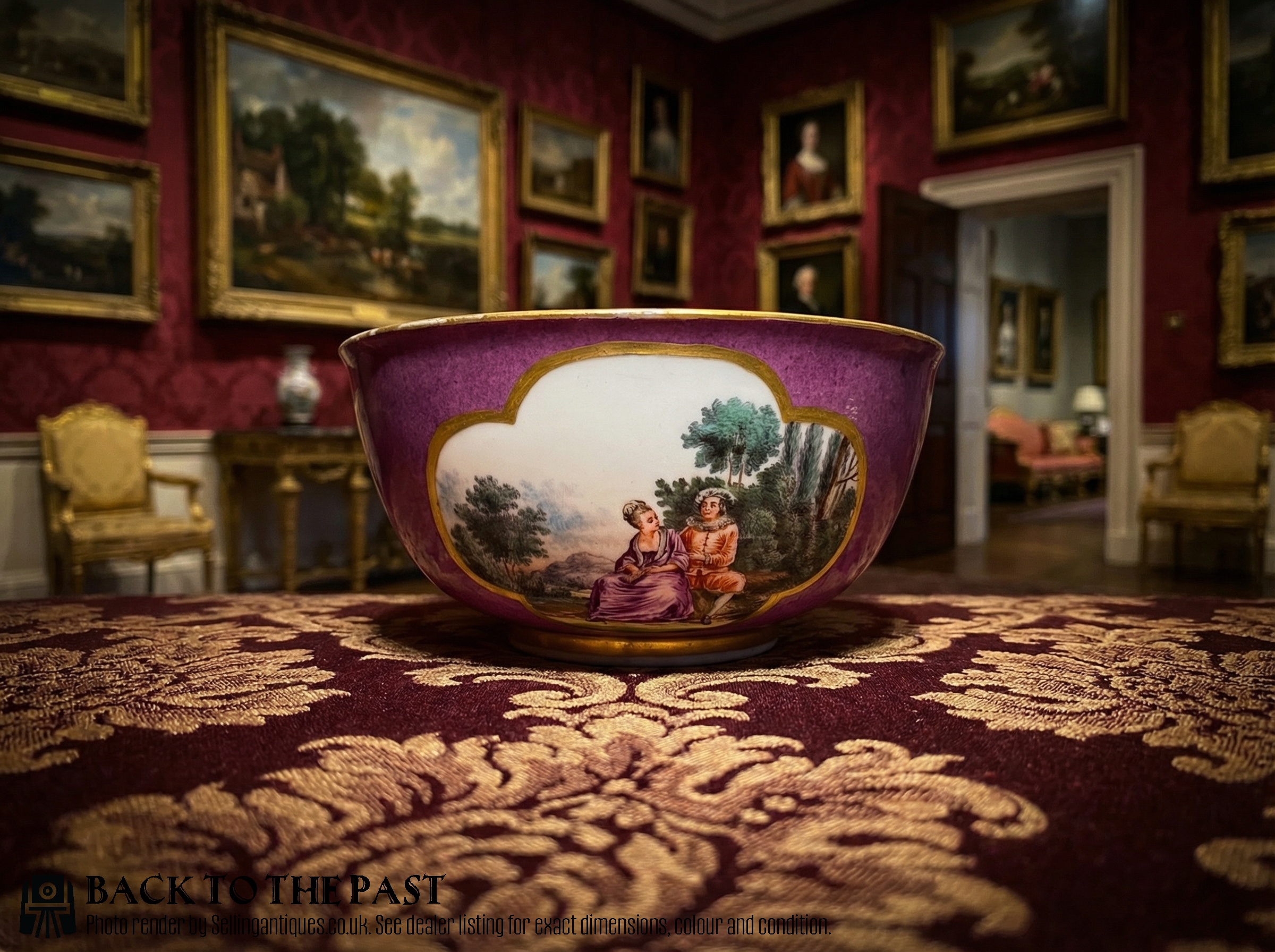
Gilded Porcelain Basin
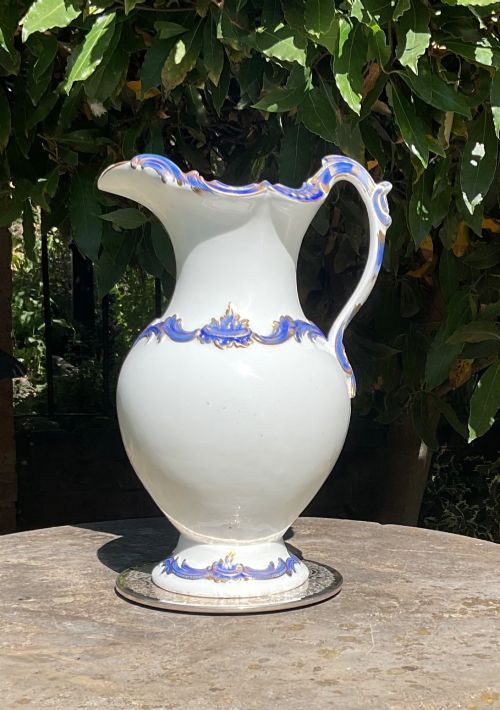
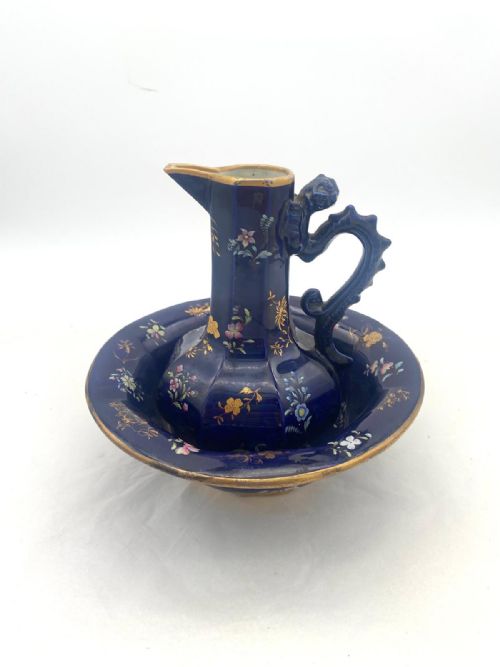
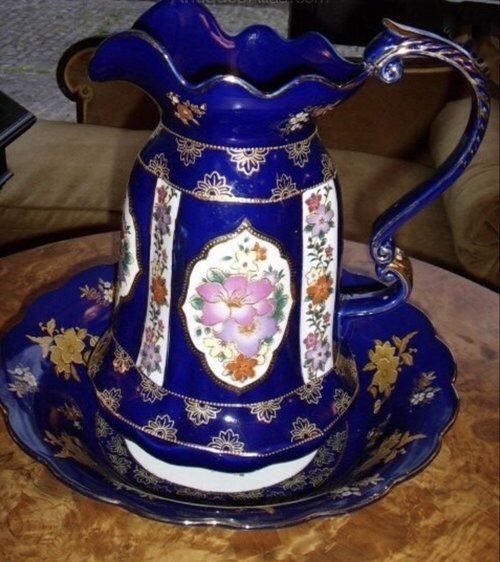
A gilded porcelain basin encompasses several distinct domestic forms, ranging from monumental punch bowls and sugar bowls to complete washstand sets and decorative table bowls. You will encounter nineteenth-century English ironstone alongside delicate eighteenth-century Worcester pieces and intricate Japanese Satsuma wares.
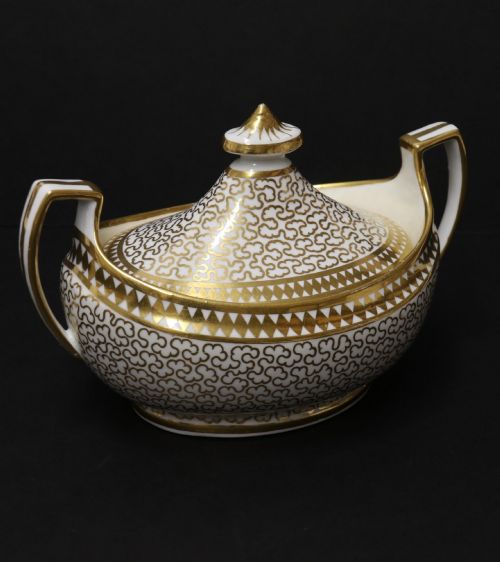
The domestic washware and larger basins serve as functional vessels for the bedroom or washstand, while smaller sucriers and fruit bowls were designed for tea service and formal dining. Makers across the Georgian, Victorian, and Edwardian eras utilised these forms to showcase elaborate cobalt glazes, enamel decoration, and rich gilding.
Materials and Techniques
Potters built these vessels using fine bone china, ironstone, felspar porcelain, and earthenware bodies, shaped by hand or moulded before kiln firing. Artisans applied cobalt blue glazes, polychrome enamels, and detailed hand-painted flower designs or figurative scenes across the ceramic surface.
Gold leaf and liquid gilt accents were painted onto the rims, handles, and borders, then fired again to bond the precious metal to the glaze. Japanese Satsuma and Imari pieces integrate crackle glazes and layered metallic pigments alongside traditional hand-painted motifs.
Samurai warriors stare out across centuries from eighteenth-century tea bowls.
Craftsmanship and Design
The distinction between standard domestic production and exceptional output lies in the crispness of the hand-painting and the purity of the porcelain body. Superior pieces exhibit precise brushwork on intricate floral or figural panels, alongside cleanly applied, burnished gold leaf that retains its lustre.
Artistic authorship elevates certain examples, particularly where named studios, documented pattern numbers, or recognised designers like Daisy Makeig-Jones are involved. The weight of the ceramic, the balance of the form, and the complexity of the enamelling separate mass-produced utility wares from masterworks.
Masons Ironstone·Chamberlains Worcester·Spode·Royal Crown Derby·Royal Worcester·Doulton Burslem·Wedgwood·Meissen·Coalport
The Gilded Porcelain Basin Glossary
- Sucrier
- A small covered sugar bowl designed for use during the tea service. These pieces frequently feature matching lids and delicate handles.
- Imari
- A style of Japanese export porcelain characterised by a palette of underglaze blue, iron red, and abundant gold leaf. The designs typically incorporate complex floral and brocade patterns.
- Satsuma
- An earthenware ceramic type originating from Japan, featuring a distinct ivory-coloured crackle glaze. Artisans decorated these surfaces with elaborate polychrome enamels and raised gold details.
- Ironstone
- A durable type of heavy earthenware patented in the nineteenth century to imitate true porcelain. It provided a robust body for large washstand jugs and basins.
- Gilt
- A thin layer of gold applied to the surface of the porcelain or ceramic body. This finish was often burnished by hand to create a reflective metallic sheen.
Gilded Porcelain Basin: Frequently Asked Questions
Were these large basins used for washing?
Many of the larger bowls and sets functioned as washware for bedrooms before modern indoor plumbing became standard. They sat atop wooden washstands alongside matching water jugs for morning routines.
Smaller examples served entirely different purposes, functioning as sugar bowls, tea caddies, or formal table centerpieces for dining rooms.
How do I tell Japanese Satsuma from Chinese export ware?
Satsuma ceramics feature a characteristic ivory-coloured body covered in a fine network of transparent crackle glaze. They are traditionally decorated with dense polychrome enamel figures and raised gold paint.
Chinese export porcelain from similar periods typically utilises harder, whiter paste bodies with different glaze properties and distinct cobalt blue or famille rose palettes.
Can I use these antique bowls for serving food?
Most antique porcelain and earthenware bowls are suitable for serving dry foods or fruit, provided the glaze is intact and free from heavy wear. Older lead glazes or pieces with extensive professional restorations are better reserved for display.
Sudden temperature changes can crack aged ceramics, so avoid using them in ovens, microwaves, or for hot liquids.