



Gilded Pedestal Stand
A gilded pedestal stand brings surface and height together through gold leaf, carved wood, and marble.
Gilded Pedestal Stand
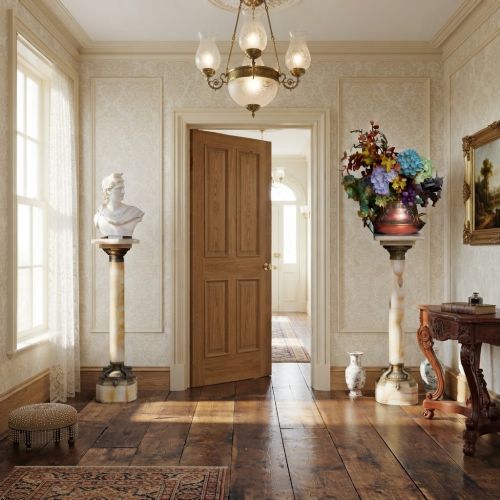
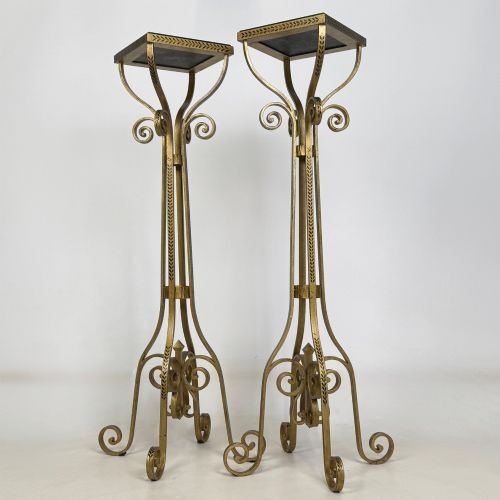
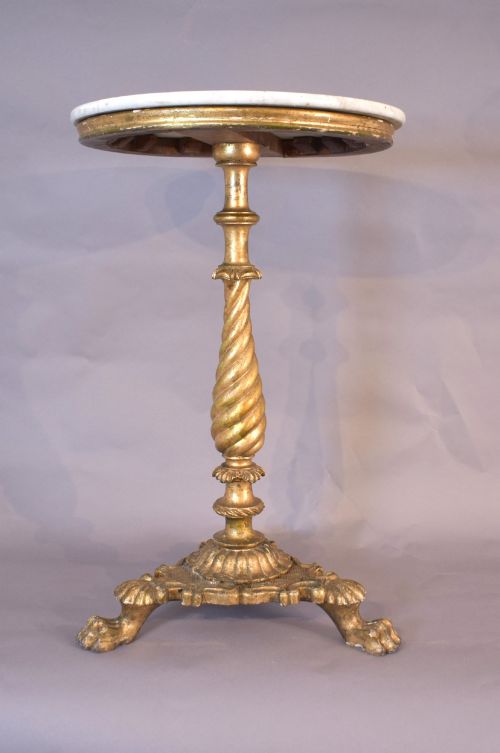
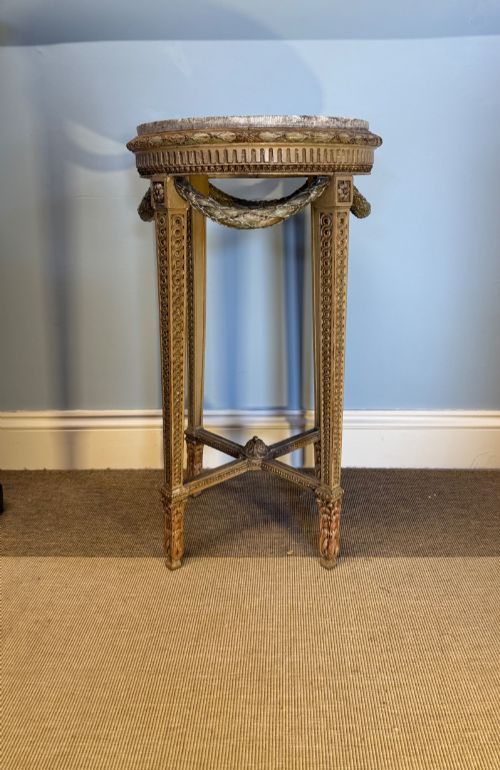
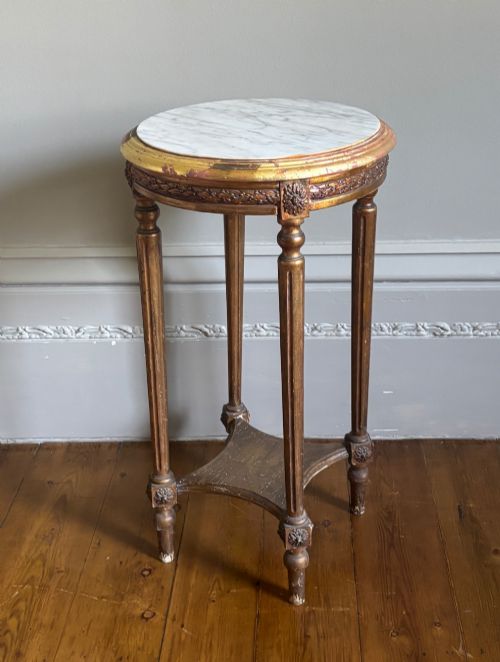
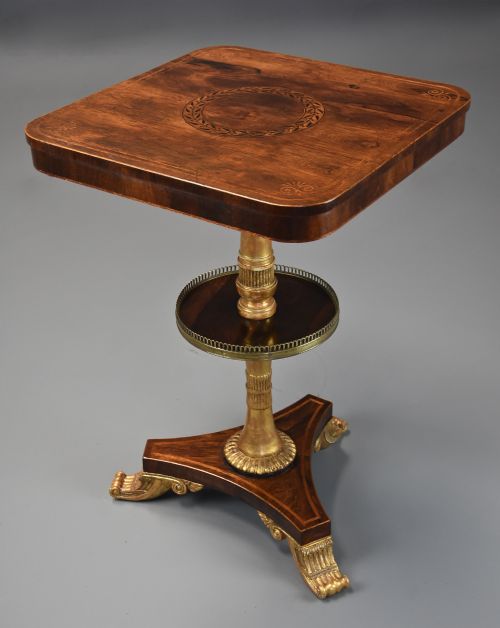
A gilded pedestal stand serves as an elevated platform for display, taking the form of torcheres, plant stands, and occasional tables. These pieces emerge primarily from the nineteenth century, including Victorian and Regency eras, alongside later twentieth-century interpretations.
The selections span French Neoclassical, Louis XVI, and Venetian Baroque styles, drawing on European workshop traditions. Makers utilise various formats to elevate urns, figures, and decorative objects within a room.
Most examples combine a raised wooden or brass support with decorative surface treatments, creating vertical presence. Buyers encounter circular tops, tripod bases, and column structures designed for prominent interior placement.
Materials and Construction
Craftsmen built these pieces using carved wood, gesso, and cast brass, applying gold leaf and polychrome paint for surface brilliance. Giltwood and gilt bronze provide the metallic sheen characteristic of these decorative supports.
Insets of marble and onyx form solid tabletops, supported by carved wooden columns and tripod legs. Artisans shaped structural timber and applied intricate mouldings to achieve the classical silhouettes seen across the period.
Elephants and gondoliers unexpectedly share the showroom floor with classical columns and quiet wine tables.
Quality and Execution
Superior examples display crisp carving within the gesso and wood, where floral and architectural motifs retain sharp definition. Inferior pieces often show softer ornamentation and hurried application of surface finishes.
The integration of materials dictates distinction, notably in the precise fitting of marble tops into brass collars and wooden frames. Heavier casting in bronze and denser timber cores separate robust decorative supports from lighter utilitarian stands.
The Gilded Pedestal Stand Glossary
- Torchere
- A tall stand designed specifically to hold a light source, candle, or decorative urn. These pieces utilise slender columns and elevated platforms to create vertical focal points in period interiors.
- Giltwood
- Timber coated with a thin layer of gold leaf over a prepared gesso ground. This technique creates a luminous metallic finish popular in French and Venetian furniture design.
- Gesso
- A plaster-like mixture applied to carved wood as a smooth base for gilding and painting. It allows artisans to shape intricate relief ornamentation before applying gold leaf.
- Tazza
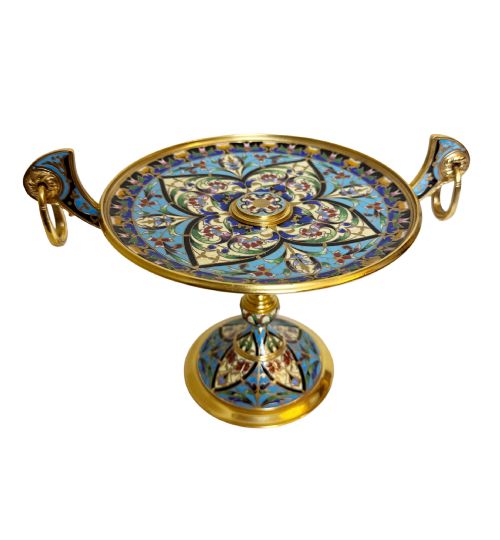
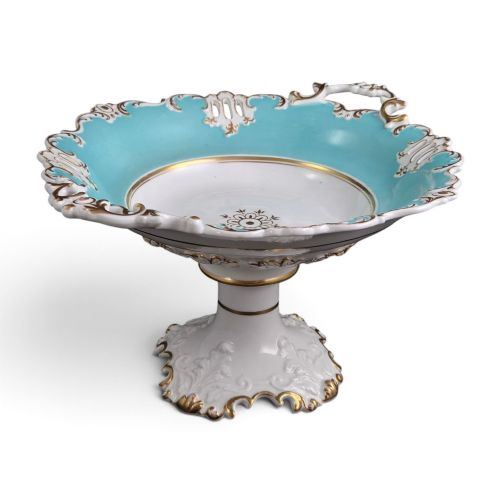
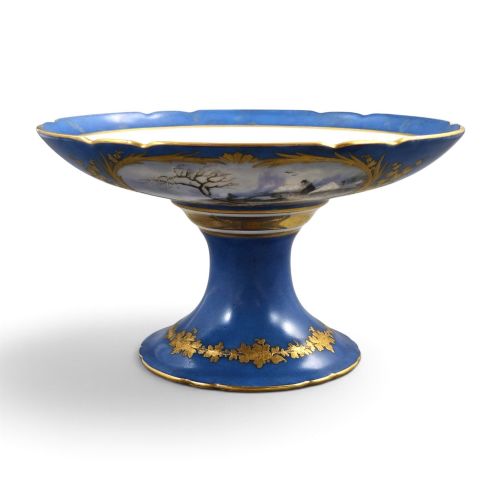
- A shallow bowl or vase raised on a high foot and pedestal stem. These display pieces appear in porcelain, glass, and metal upon elevated stands.
- Ormolu
- Finely chased and gilt bronze mounts applied to furniture and stone columns. The technique enhances structural joints and decorative highlights with a rich metallic sheen.
Gilded Pedestal Stand: Frequently Asked Questions
What is a gilded pedestal stand used for?
These pieces function as raised platforms to display urns, sculptures, plants, and lamps. Their height draws the eye upward and accents specific corners or focal points in a room.
Historically, torcheres held lighting devices, while occasional stands and marble columns supported decorative art objects. Today, they serve similar display purposes in domestic interiors.
How do I identify a 19th-century stand?
Nineteenth-century pieces typically display period characteristics such as hand-carved gesso ornamentation, natural marble insets, and traditional joinery methods. Examining the underside and the wear patterns on the gold leaf helps reveal age.
Stylistic cues like Victorian Rococo Revival or French Neoclassical motifs also point toward specific decades within the nineteenth century.
Are marble tops original to these stands?
Many nineteenth-century stands feature fitted marble or onyx tops that were integrated during initial production. The stone provides weight and a stable, heat-resistant surface for display.
Inspecting the rebate where the stone meets the wooden or brass frame reveals whether the top matches the construction methods of the period.
How do I care for giltwood furniture?
Giltwood surfaces require gentle dusting with a soft, dry cloth to protect the delicate gold leaf and underlying gesso. Moisture and harsh cleaning agents can damage the metallic finish.
Keeping these stands away from direct sunlight and excessive humidity preserves the integrity of the carved wood and the gilded layers.