

Gilded Overmantle
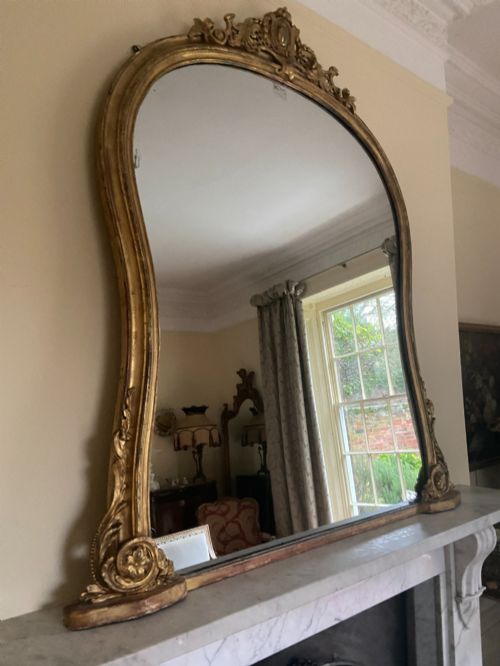
A gilded overmantle commands a fireplace, bringing light and scale to a room through expanses of mercury glass and gleaming gold leaf.
Gilded Overmantle
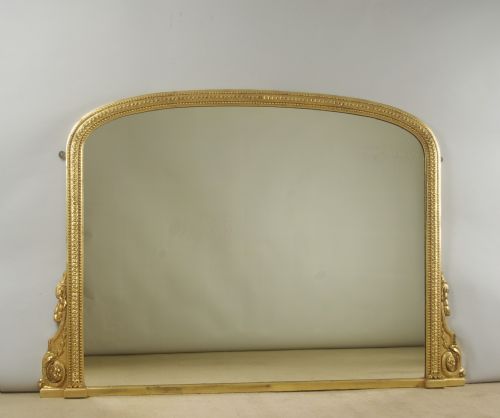
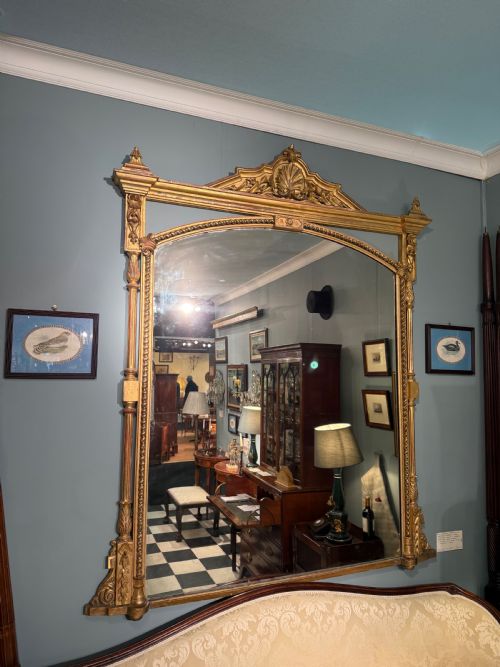
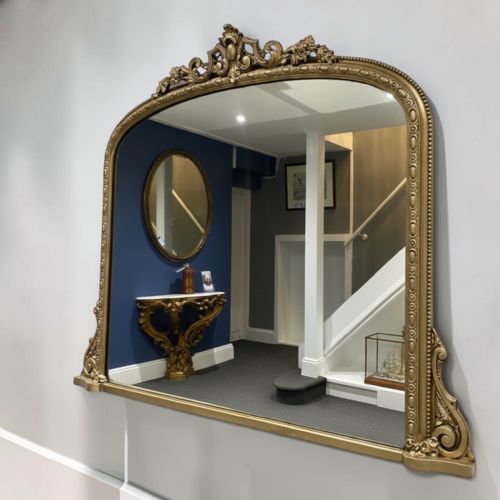
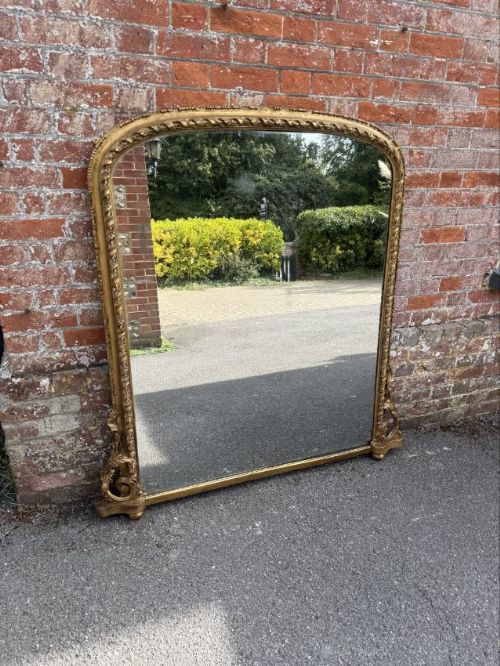
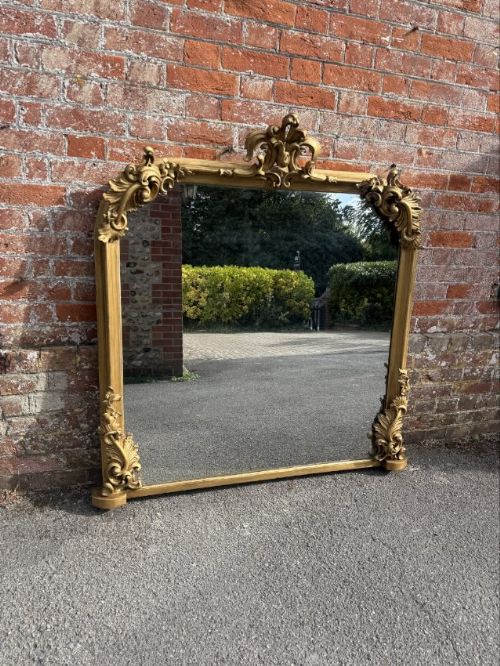
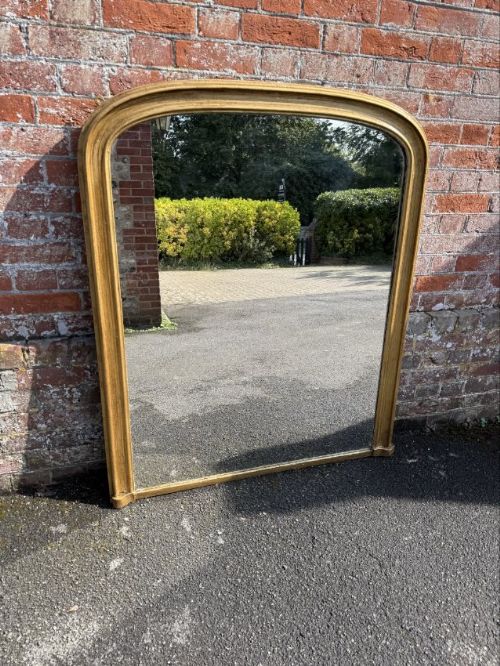
When you search for a gilded overmantle, you encounter large architectural mirrors designed specifically to sit above a chimney piece. These substantial objects dominate the vertical space of a wall, reflecting interior light and expanding the visual proportions of a drawing room or parlour.
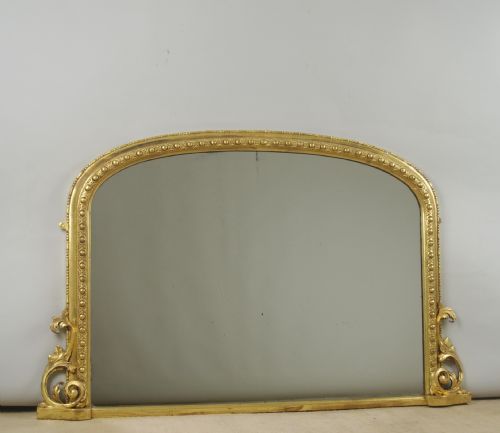
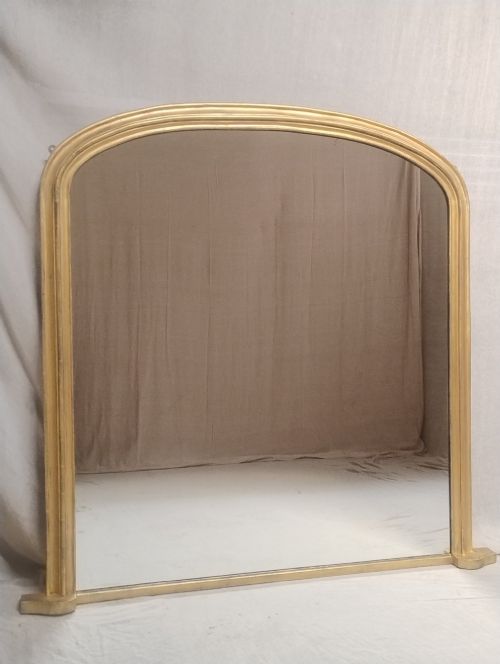
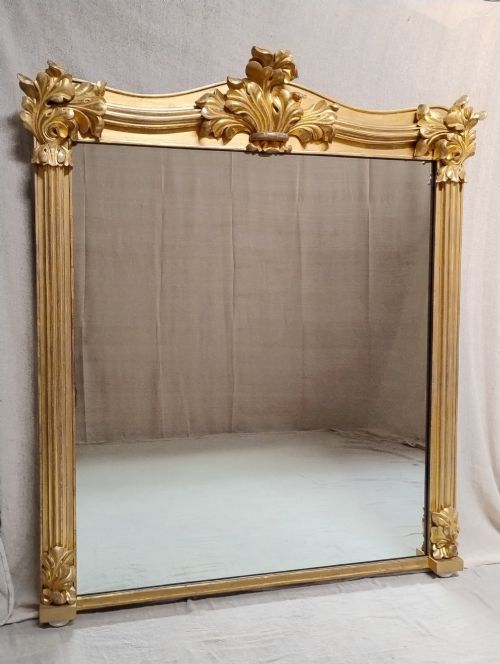
The most common examples on this page date from the nineteenth century, spanning Victorian and Regency periods. You will frequently find arched tops, rectangular formats, and shaped frames that echo the structural lines of period fireplaces.
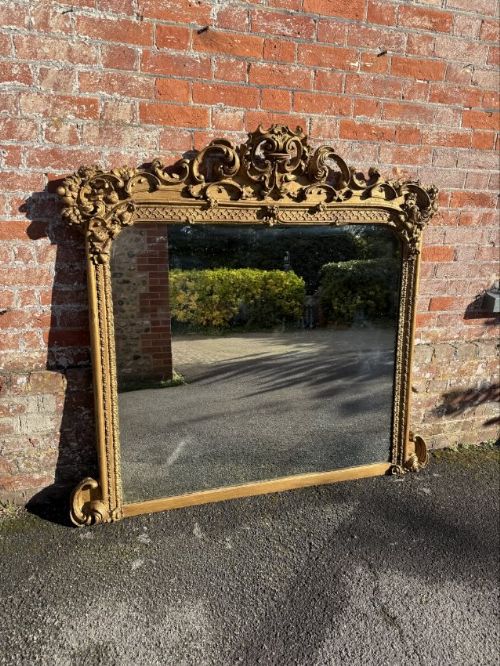
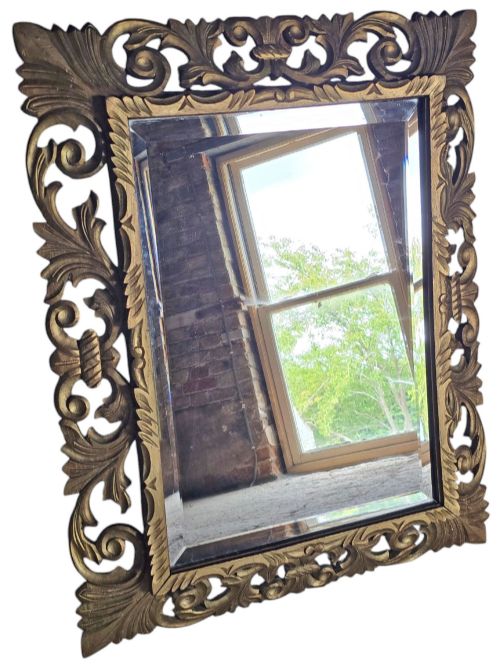
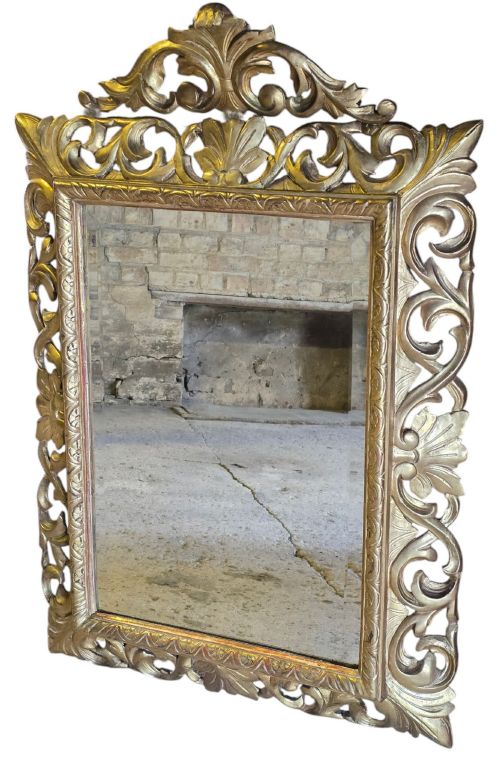
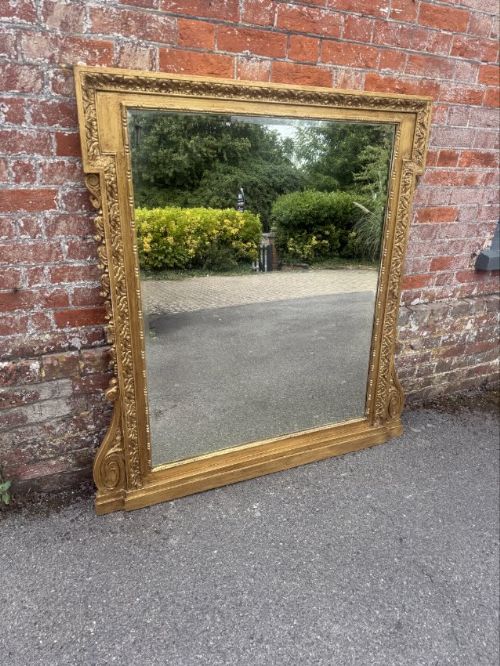
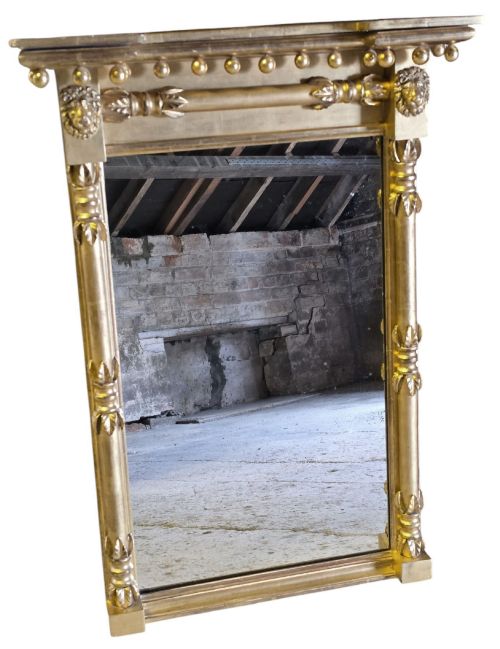
Originating largely from English workshops, these mirrors combine functional glass with decorative gilding to create a striking focal point. Their forms range from simple pillared frames to elaborate revival styles including French Louis Philippe and Florentine designs.
Materials and construction
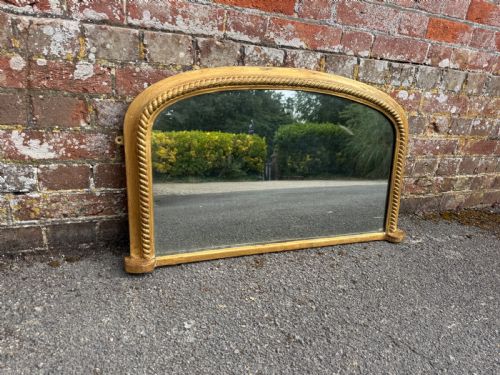
Carved wood and gesso form the structural foundation of these frames, providing a stable base for intricate ornamentation. Artisans applied layers of composition and gesso over timber to build up relief details like rope twists, column turns, and arched crests before gilding.
Gold leaf and gilding techniques impart the characteristic metallic brilliance seen across the surface. Craftsmen laid thin sheets of gold or applied metallic finishes over the prepared ground, sometimes augmenting the woodwork with painted and parcel-gilt details.
Mirror glass, occasionally exhibiting light foxing from age, is fitted into the heavy rebates of the frame. The reflective plates provide depth, working in tandem with the gilded woodwork to brighten period interiors.
Gilded Overmantle Retail Price Guide 2026
Typical asking prices for gilded overmantle among the pieces listed under this phrase on Sellingantiques today, from the lower quarter to the upper quarter. They describe what is for sale here now, not the wider market.
Some maritime-inspired frames feature nautical rope twist carvings, bringing a subtle seafaring touch right into the formal Victorian drawing room.
Distinctions in quality
The crispness of the carved wood and gesso ornamentation dictates much of the visual standard. Superior pieces display sharply defined mouldings and deep relief work on rope twists or architectural columns, whereas lesser examples rely on soft, shallow composition castings.
The handling of the gilding separates standard production from finer craftsmanship. High-grade surfaces show nuanced application of gold leaf that catches the light evenly, while ordinary pieces exhibit flat or overworked metallic finishes lacking depth.
The Gilded Overmantle Glossary
- Gesso
- A plaster-like mixture applied to wooden frames as a smooth base for gilding. It is often modelled or carved to create decorative relief patterns.
- Giltwood
- Timber that has been coated with gold leaf or metallic paint. This material forms the primary shimmering structure of nineteenth-century chimney mirrors.
- Overmantel
- A large mirror or painting designed to hang directly on the wall above a mantelpiece. These fixtures were proportioned to match the width of the fireplace below.
- Foxing
- Age-related spots and browning that develop on mirror glass over decades. This natural oxidation creates mottled dark patches within the reflection.
- Rope twist
- A carved decorative moulding resembling twisted cord. This motif frequently runs along the inner or outer borders of nineteenth-century frames.
Gilded Overmantle: Frequently Asked Questions
How do I hang a heavy gilded overmantle safely?
These large mirrors carry substantial weight from their wooden frames and glass plates, requiring secure attachment to solid masonry walls using heavy-duty brackets.
Professional installation is usually necessary to distribute the load evenly across wall studs or brickwork rather than relying on standard picture hooks.
What periods do these mirrors represent?
The selection spans the nineteenth century, featuring Victorian and Regency designs alongside French Louis Philippe and Florentine influences.
Most pieces date between eighteen-forty and eighteen-ninety, capturing the decorative revival styles popular during the Victorian era.
How should I clean the gilt frame?
Giltwood surfaces require gentle dusting with a soft, dry brush to prevent damage to the delicate gold leaf and gesso layers.
Avoid liquid cleaners, abrasive cloths, or moisture, as water can dissolve the underlying gesso and ruin the metallic finish.
Why does the mirror glass look speckled?
Speckling or foxing occurs when the backing behind the glass degrades over time due to exposure to air and moisture.
Many collectors value this natural ageing process because it confirms the genuine antiquity of the mirror plate.