






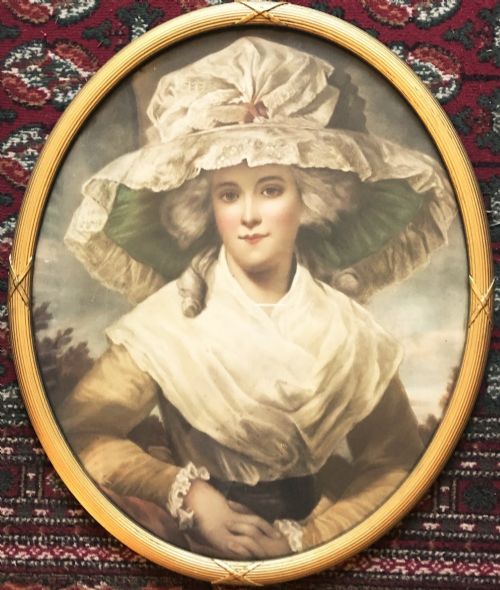
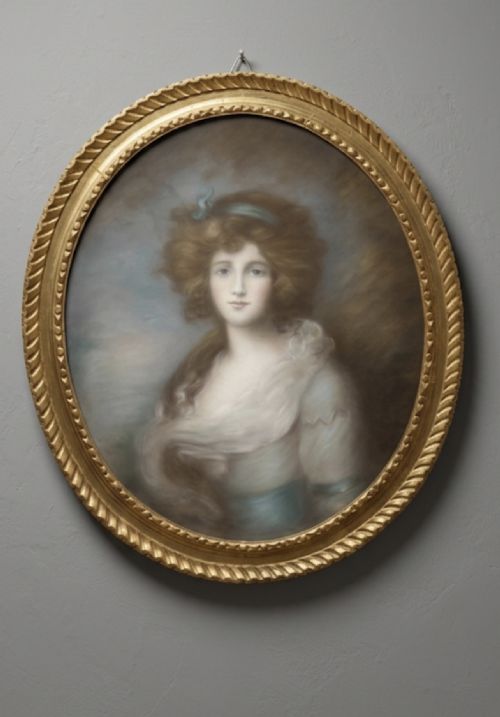
Gilded Oval Portrait Painting
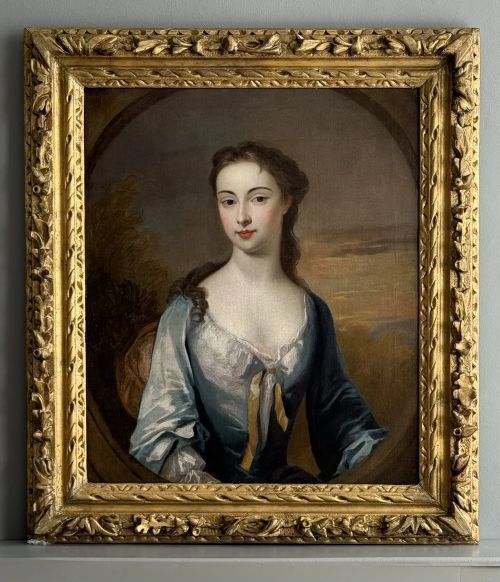
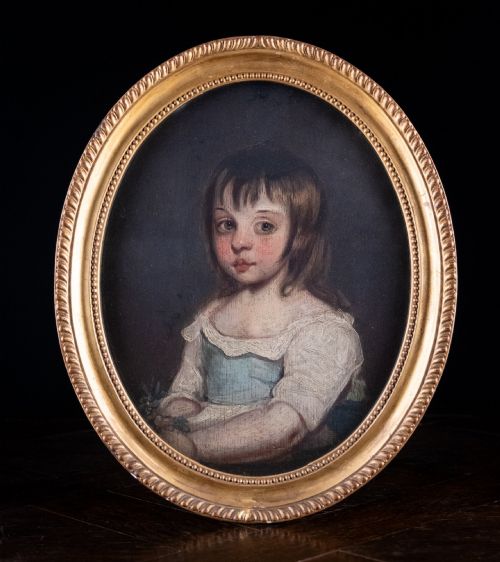
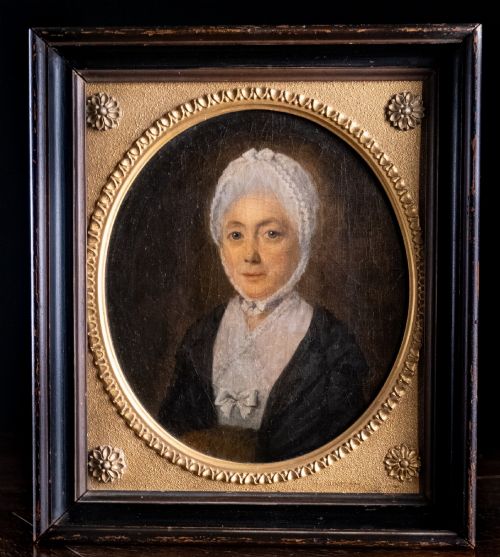
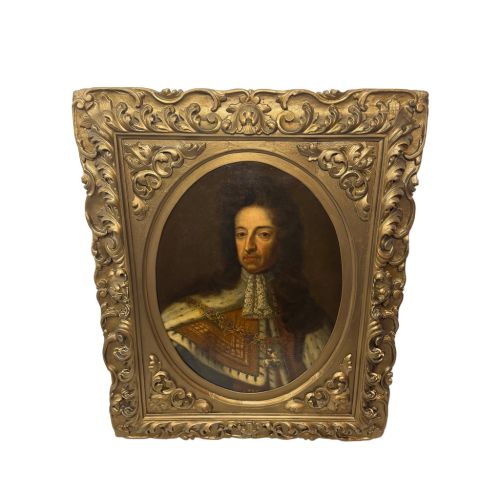
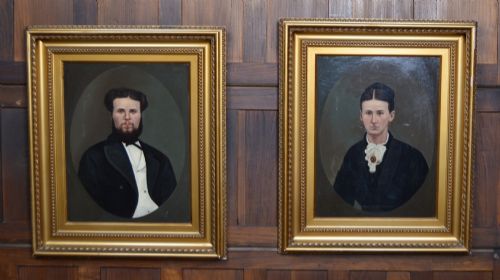
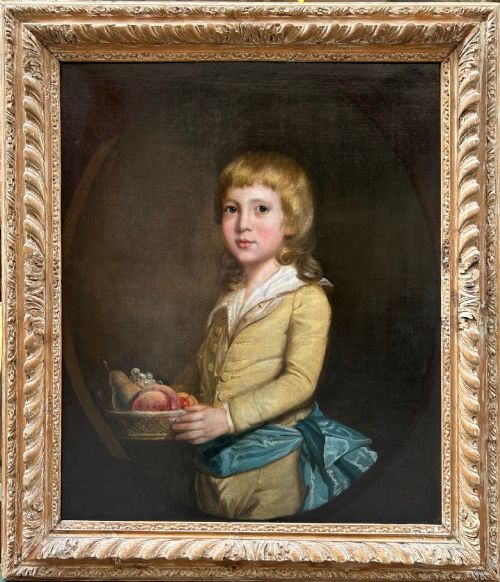
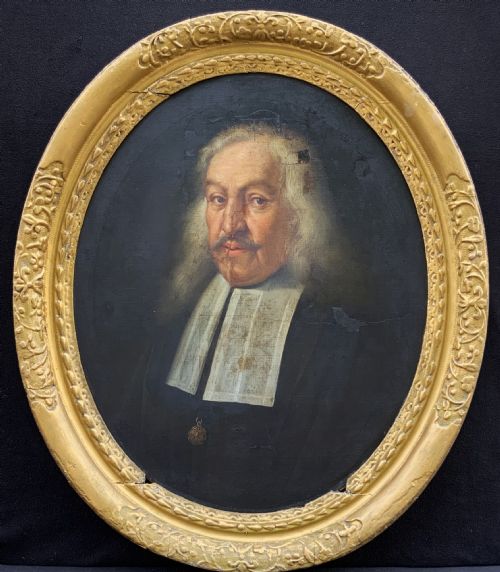
A gilded oval portrait painting captures a face from centuries past within a curved frame of shining gold leaf.
Gilded Oval Portrait Painting
A gilded oval portrait painting combines a curved canvas, panel, paper or glass support with an ornate gold-finished frame designed to highlight the subject's face. You encounter these works across the seventeenth, eighteenth and nineteenth centuries, spanning Georgian, Regency, Victorian and Edwardian periods.
The subjects range from titled aristocracy and children to gentlemen and ladies in regional schools, executed in oil, pastel or watercolour. Miniature versions on glass and small canvas formats appear alongside larger wall art pieces.
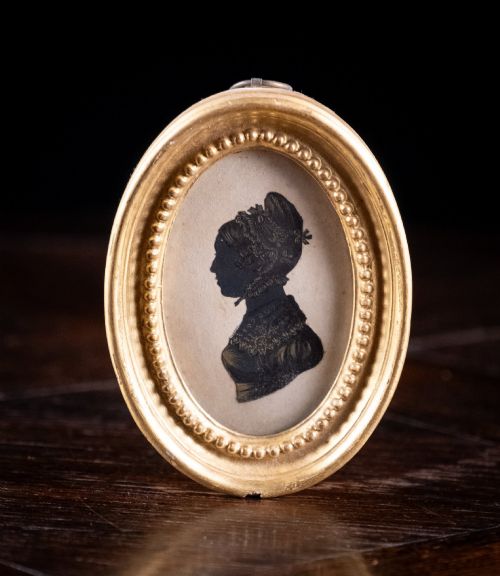
Works attributed to notable portraitists sit alongside pieces from British, Flemish, Dutch and German continental schools. Some examples present intimate silhouettes while others depict full compositions of sitters in period dress.
Materials and Technique
Artists painted on oil on canvas, paper, glass or prepared wood supports, applying pigments with precision to capture fabrics and skin tones. Pastel and watercolour works utilise delicate strokes, sometimes protected beneath glass within the curved mount.
Frames are constructed from wood and finished with applied gold leaf or gilt wood, creating the characteristic reflective border. The combination of oil, watercolour or pastel with a gilded surround defines the physical structure of these works.
Sir Walter Raleigh's gaze meets yours across four centuries from within a carved wooden gold frame.
Assessing Quality
The preservation of the original gilt frame and the stability of the canvas, glass or paper support determine the integrity of the surviving object. High standard works maintain crisp detail in the surface medium without extensive modern overpainting.
Sir Godfrey Kneller·Michael Dahl·Thomas Murray·John Scougall·Thomas Beach·Pieter Borseler·Jeremiah Davison·Allan Ramsay·Arthur Percy Dixon·Arthur William Devis·Pieter Nason·Frans van der Mijn
The Gilded Oval Portrait Painting Glossary
- Giltwood
- Wood carved and coated with a thin layer of gold leaf or metallic powder. This material gives the frame its bright, reflective metallic finish.
- Portrait miniature
- A small-scale painting executed on ivory, vellum, card or paper, often housed in a protective case or glazed frame. These intimate works gained popularity from the sixteenth century onwards.
- Old Master
- A term for a European artist of high skill working before the nineteenth century. It also refers to a painting created by such an artist.
- Silhouette
- A portrait rendered as a solid shape, usually black on a light background, recording the outline of a profile. Some examples feature gilded embellishments.
Gilded Oval Portrait Painting: Frequently Asked Questions
How do I hang an oval portrait?
Support the weight of the gilded frame securely from the wall using appropriate fixings rather than relying on the decorative hanging ring alone. Position the piece at eye level where adequate light can strike the gold surface.
Keep the painting away from direct sunlight and damp environments to protect the canvas, paper and gilt wood over time.
What periods do these paintings cover?
The selections span from the seventeenth century through the Georgian and Regency eras up to Edwardian and Art Deco times. Each era brings distinct clothing styles and painting techniques.
Early works often feature stiff lace collars and dark robes, while nineteenth-century pieces display softer pastels and vibrant watercolours.
Are these works always painted in oil?
While oil on canvas is common, the listings include pastels, watercolours, silhouette prints and painted glass. Artists selected different mediums depending on the scale and purpose of the commission.
Miniatures frequently utilise watercolour or gouache on delicate surfaces, whereas larger formal commissions employ oil paint.
How are miniatures framed?
Miniatures are typically set behind glass in small wooden, brass or papier-mâché frames, often featuring inner gilded bezels. This glazing protects the sensitive pigments from dust and moisture.
Many include small hanging loops or stands for desk placement rather than standard wall hanging hardware.