


Gilded Oriental Ceramics
These gilded oriental ceramics bring together centuries of refined Asian craftsmanship, showcasing delicate porcelain and earthenware enriched with gleaming gold leaf.
Gilded Oriental Ceramics
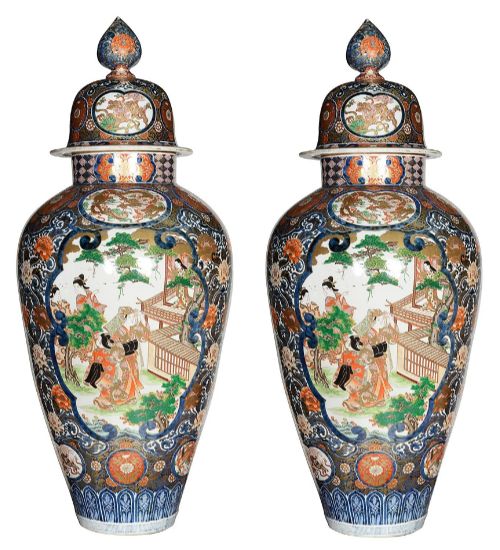
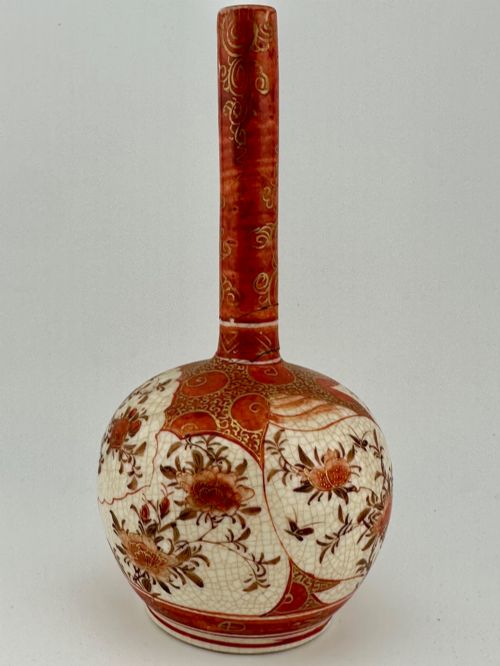
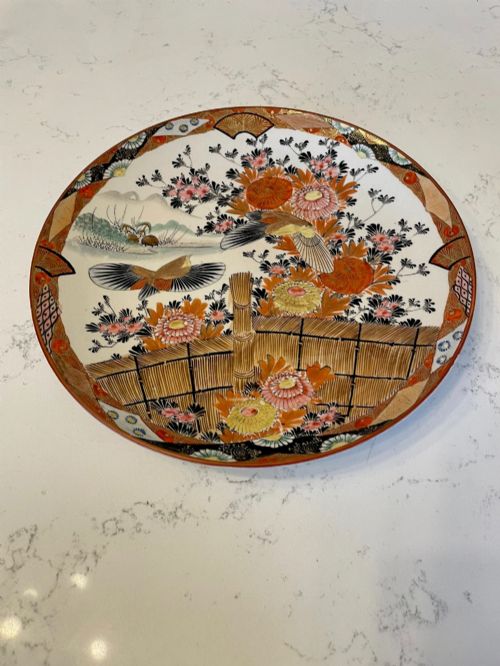
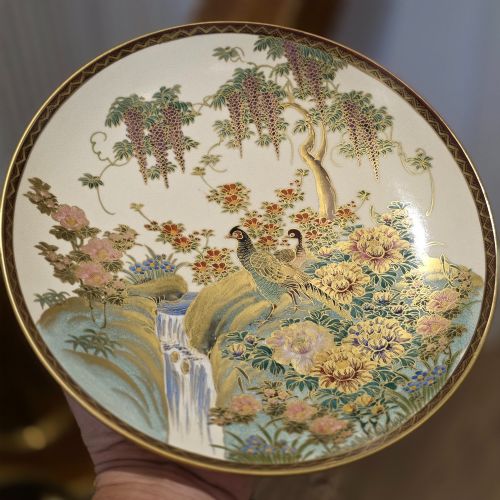
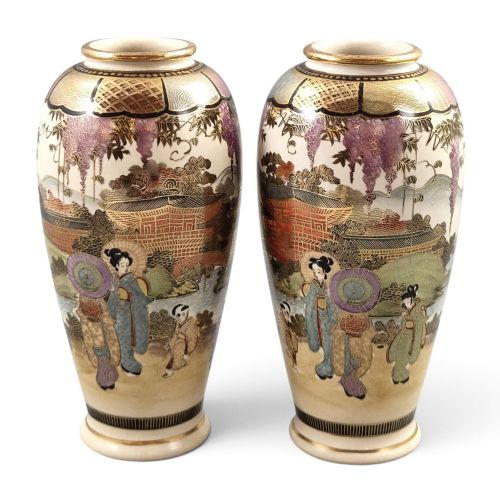
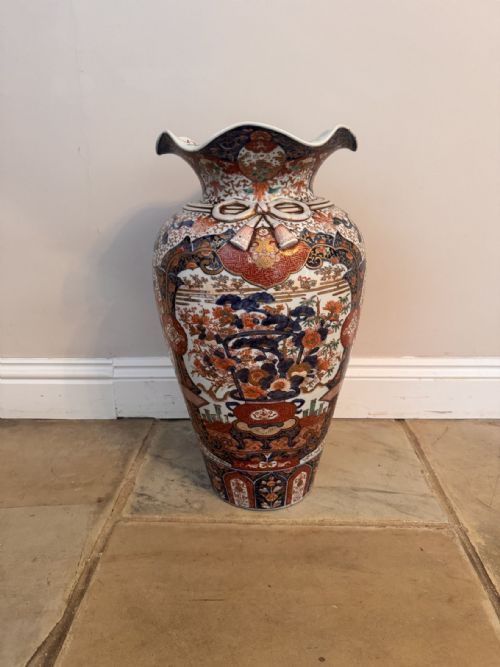
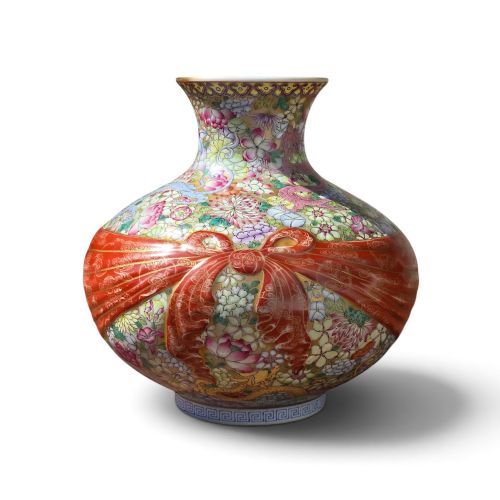
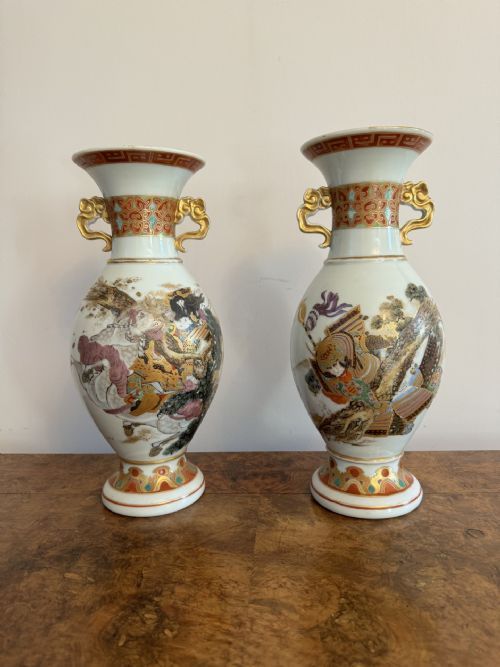
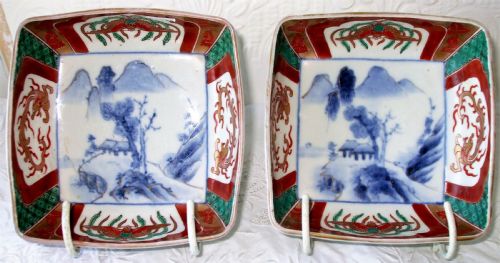
Gilded oriental ceramics encompass a rich variety of decorative objects, from large floor-standing vases to intricate bowls, chargers, and figural sculptures. When searching for gilded oriental ceramics, buyers frequently encounter Japanese Imari, Satsuma, and Kutani wares, alongside Chinese porcelain pieces spanning the nineteenth and early twentieth centuries.
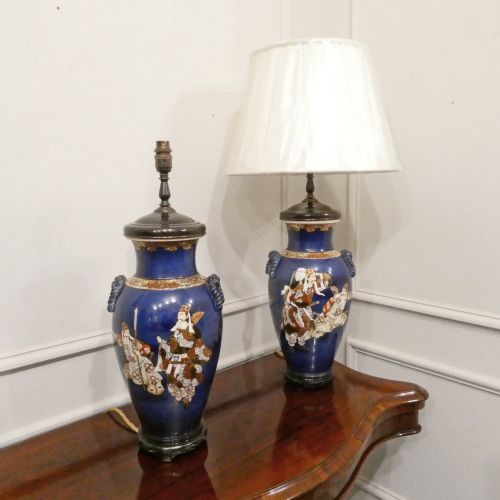
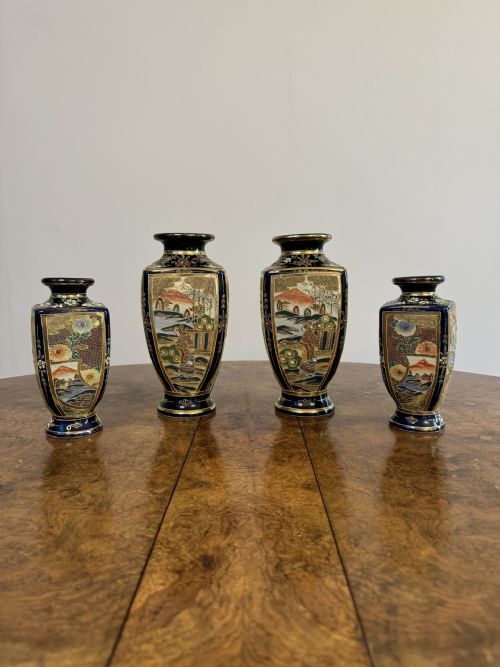
The selection ranges from functional table lamps and teapots to monumental garniture sets and decorative dishes. Many items originate from the Meiji period in Japan and the transition from the Qing Dynasty to the Republic period in China, reflecting distinct aesthetic traditions of their respective eras.
These items bring complex hand-painted scenes, floral motifs, and figures into domestic interiors, serving both ornamental and utilitarian roles. The forms vary from scalloped plates to ginger jars and okimono, each bearing the characteristic application of gilding alongside enamel and iron-red pigments.
How they were made
Potters shaped fine porcelain and earthenware bodies by hand or on the wheel before applying initial underglaze and overglaze colours. Artisans then meticulously added intricate details using gold leaf, gilt, and enamel paints to create rich surface contrasts.
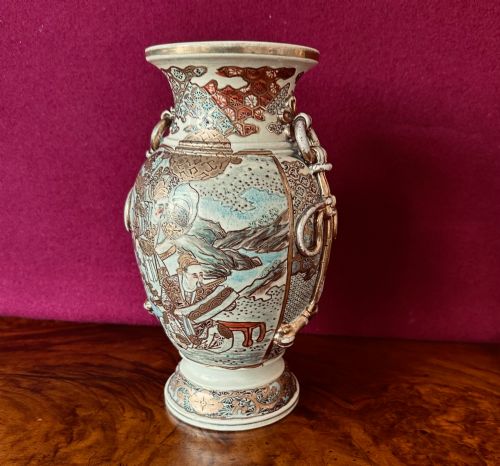
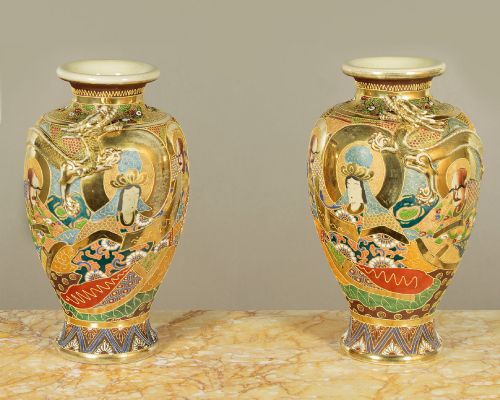
Many Satsuma pieces utilised a distinctive cream-coloured earthenware body with a fine network of crackle glaze, providing a textured canvas for detailed pictorial scenes. Kiln firing fixed the ceramic pigments and glazes, after which delicate gilding was often applied and fixed in a subsequent low-temperature firing.
Listings feature porcelain, earthenware, and wood items adorned with gold leaf, gilt, and enamel across the nineteenth and early twentieth centuries.
What varies in quality
The finesse of the hand-painted brushwork dictates much of the distinction between standard and exceptional pieces, particularly in the rendering of facial expressions on figures and the precision of intricate floral patterns. Master workshops employed skilled artists whose work displayed superior depth, shading, and compositional balance across the ceramic surface.
The generosity and purity of the gold leaf or gilt application also mark the upper tier of production, remaining bright and securely adhered without excessive rubbing or dullness. Additionally, the crispness of the porcelain or earthenware moulding and the stability of the glaze define the structural integrity of the finished object.
Koshida·Shozan·Manpei·Gyokkō·Kozan·Kinkōzan·Kinzan·Hotoda·Shizan
The Gilded Oriental Ceramics Glossary
- Imari
- A style of Japanese export porcelain originating from Arita, traditionally characterised by a palette of underglaze blue, iron red, and abundant gold leaf. These wares were heavily exported to Europe and prized for their vibrant, contrasting decoration.
- Satsuma
- A type of Japanese earthenware featuring a pale, ivory-coloured crackle glaze that is typically decorated with polychrome enamels and rich gilding. Satsuma pottery became particularly renowned during the Meiji period for elaborate narrative scenes.
- Kutani
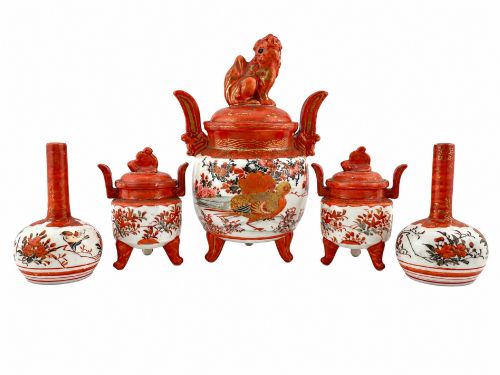
- Japanese porcelain and ceramic wares known for bold colour palettes, frequently incorporating strong greens, blues, purples, and extensive red and gold designs. Kutani pieces often depict natural subjects, figures, and geometric borders.
- Moriage
- A decorative ceramic technique involving the buildup of slip or enamel to create raised, textured surface patterns before gilding. This method adds a tactile, three-dimensional quality to floral and dragon motifs.
- Okimono
- A small Japanese freestanding carved sculpture intended for display in a traditional alcove or domestic interior. They often portray deities, historical figures, or animals rendered in porcelain and earthenware.
Gilded Oriental Ceramics: Frequently Asked Questions
What is the difference between Satsuma and Imari ceramics?
Satsuma wares are typically earthenware with a distinct crackleglaze surface, decorated with dense enamel and gold leaf depicting figures or landscapes. Imari pieces are porcelain, defined by a palette centred on underglaze blue, iron red, and gilt highlights.
While Imari relies on a harder, resonant porcelain body suited to tableware and chargers, Satsuma offers an ivory canvas ideal for elaborate, miniature painting.
How can I tell the period of a piece?
Examine the base for maker signatures, studio marks, and the quality of the ceramic body, which often reflects the manufacturing standards of the Meiji period or late Qing Dynasty. Stylistic clues, such as the complexity of the narrative scenes and the type of glaze finish, also point toward specific decades.
Comparing the weight, gilding style, and pigment tones against documented examples from known workshops helps narrow down the production era.
Were these items made for export?
Many of these gilded ceramics were produced specifically for international export to Western markets during the late nineteenth and early twentieth centuries. European and American demand for elaborate Japanese and Chinese decorative arts heavily influenced the scale and motifs of these pieces.
Export wares often featured particularly lavish gilding and vibrant scenes tailored to the tastes of Western collectors during the Meiji and late Qing periods.