

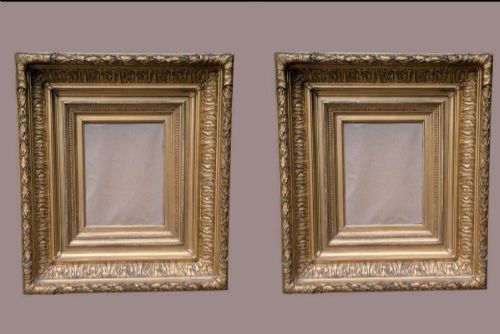
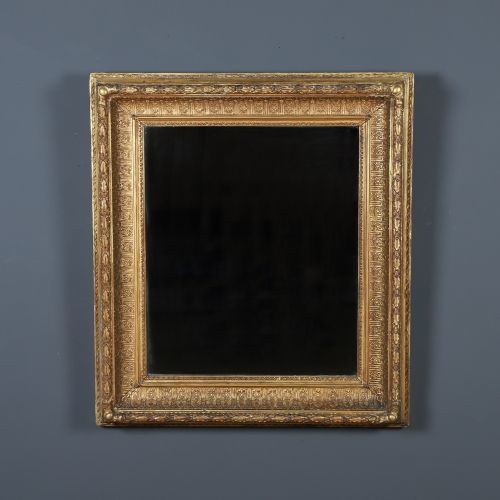
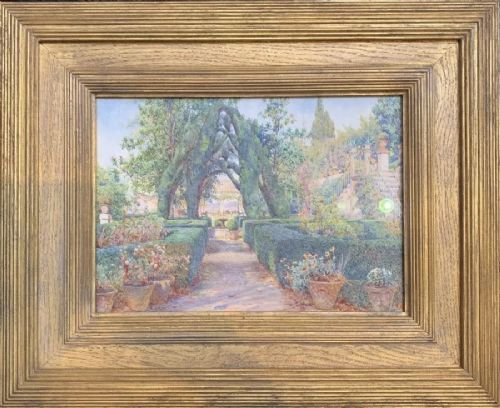
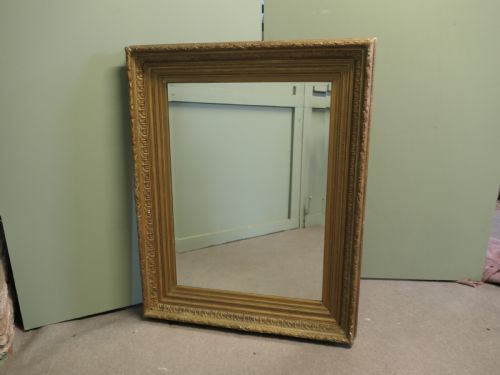

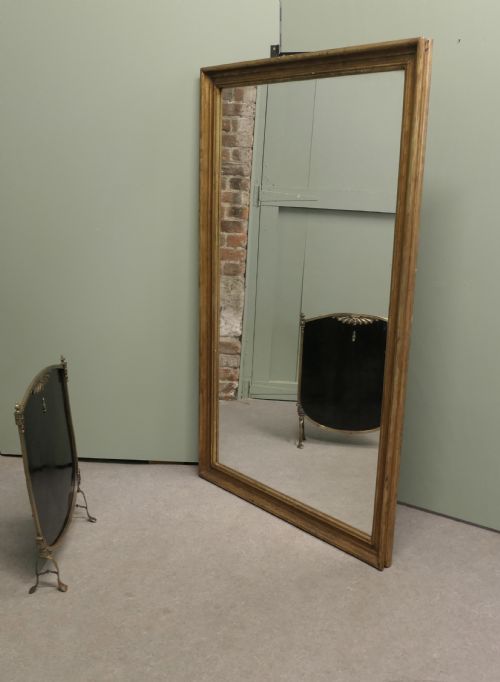

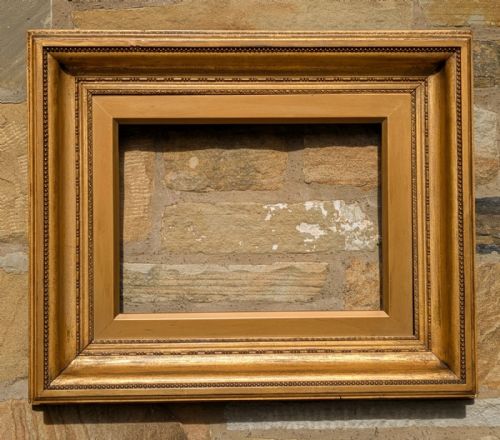
Gilded Moulding Frame
A gilded moulding frame brings depth and warm metallic reflection to walls, holding centuries of craftsmanship in timber, gesso and gold leaf.
Gilded Moulding Frame
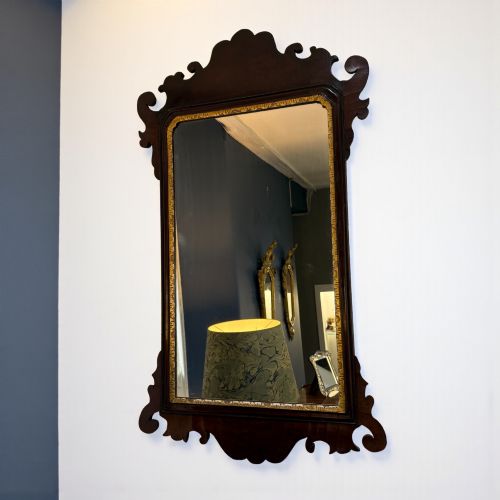
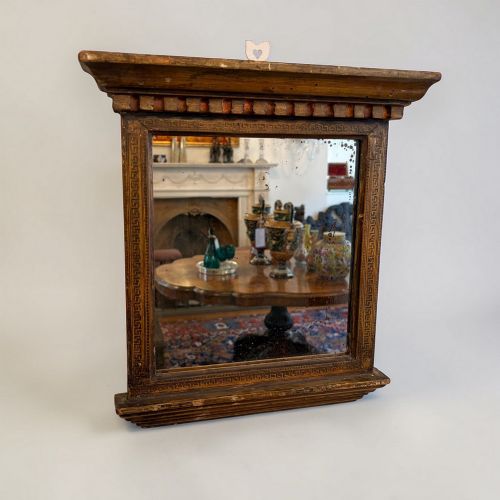
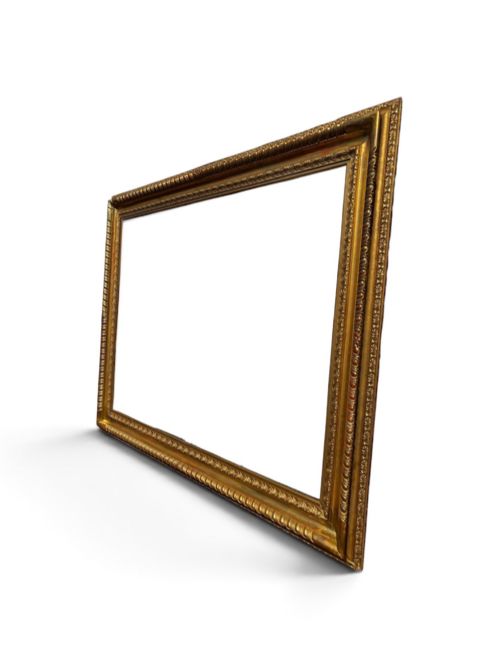
When you search for a gilded moulding frame, you are looking at decorative wall mirrors, picture frames and overmantel pieces designed to display art or reflect light. These items span periods from the seventeenth century through the Georgian, Victorian, Regency and Edwardian eras, carrying centuries of design history.
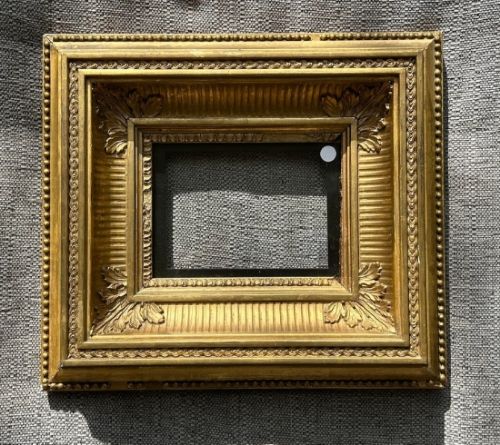
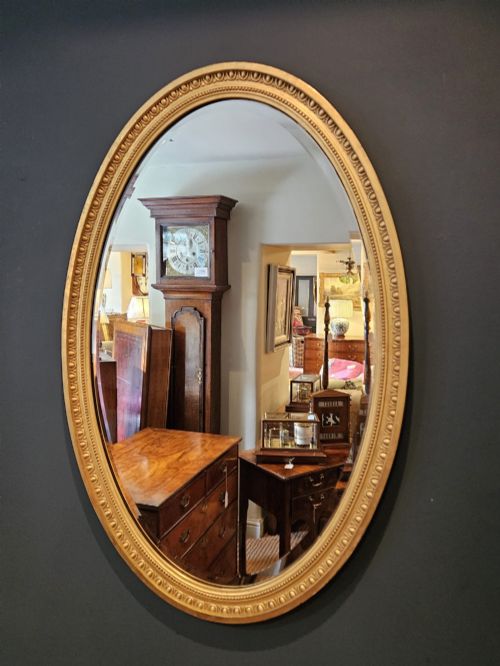
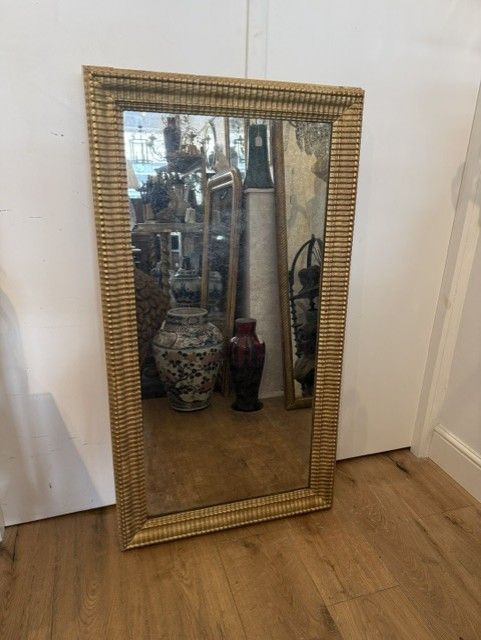
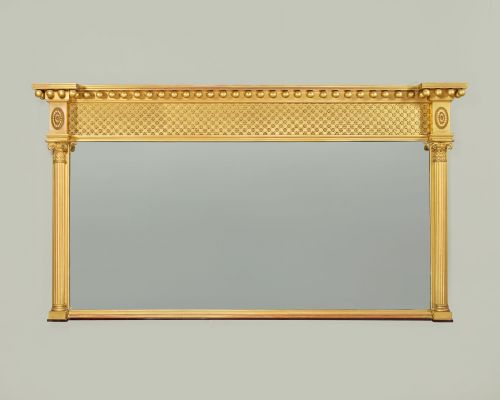
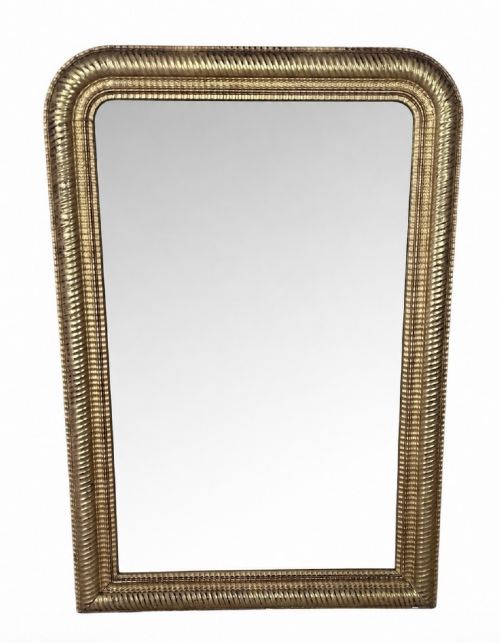
The most common versions on this page are nineteenth-century pieces, including deep giltwood and gesso picture frames, rectangular and oval wall mirrors, and large overmantel frames. They appear in styles ranging from Neoclassical and Art Nouveau to French Louis Philippe and plain ripple mouldings.
Makers shaped these objects from sturdy timbers like pine and mahogany, applying layered gesso and gold leaf to create rich metallic surfaces. Whether framing an oil painting or serving as a standalone mirror, each piece demonstrates traditional woodworking and gilding methods.
What varies in quality
The standard of a gilded moulding frame depends on the depth and crispness of the gesso ornamentation and the purity of the gilding. Deeper mouldings and hand-carved decorative elements show greater skill than simple surface applications.
The integrity of the underlying wood and the preservation of the original gold leaf separate standard examples from exceptional pieces. Heavier frames with intact original gilding and minimal restoration hold stronger visual presence.
Gilded Moulding Frame Retail Price Guide 2026
Typical asking prices for gilded moulding frame among the pieces listed under this phrase on Sellingantiques today, from the lower quarter to the upper quarter. They describe what is for sale here now, not the wider market.
Some nineteenth-century ripple frames were turned on specialised lathes so precisely that the wooden waves still hypnotise cats today.
The Gilded Moulding Frame Glossary
- Gesso
- A fine plaster mixture applied to wood frames to provide a smooth base for gilding and ornamentation. It is built up in layers and often carved or moulded.
- Giltwood
- Timber that has been coated with gold leaf or gold paint to give the appearance of solid gold. This technique defines the primary aesthetic of these frames.
- Verre eglomise
- A traditional technique of cold painting and gilding on the reverse side of glass to produce a mirror panel with decorative borders. It frequently appears in Regency pieces.
- Ripple frame
- A picture frame featuring concentric wave-like mouldings turned on a lathe. These circular or linear patterns create distinct optical texture.
Gilded Moulding Frame: Frequently Asked Questions
How do I hang a heavy gilt mirror?
Heavy overmantel and wall mirrors require secure fixings anchored directly into wall studs or masonry using appropriate weight-rated brackets.
Distributing the weight evenly across two fixing points prevents strain on the original wooden frame and hanging hardware.
What is an overmantel mirror?
An overmantel mirror is a large wall mirror specifically designed to hang on the wall directly above a fireplace mantel.
These pieces often feature grand scale and horizontal proportions intended to reflect light and fill the chimney breast space.
How do I identify a Victorian gilt frame?
Victorian frames typically display deep, substantial mouldings made from pine coated in thick gesso and finished with gold leaf.
They frequently incorporate styles such as Neoclassical revival or Art Nouveau ornamentation characteristic of the nineteenth century.