






Gilded Metal Sculpture
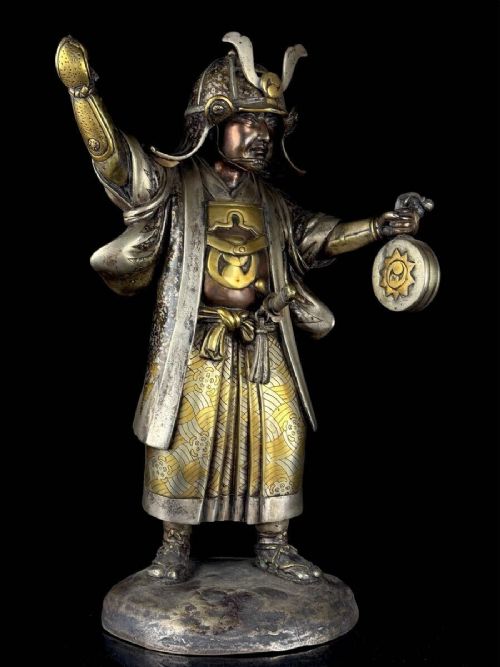
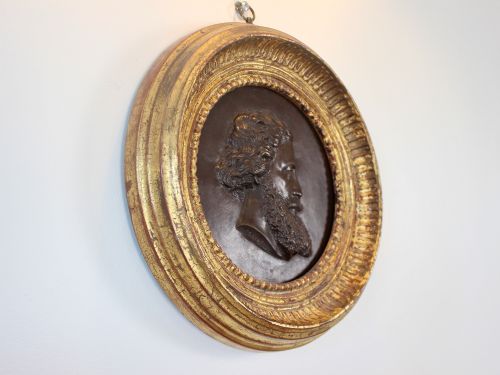
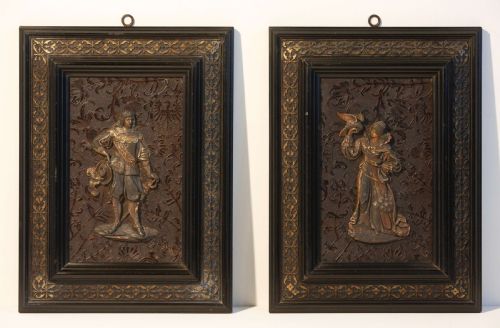
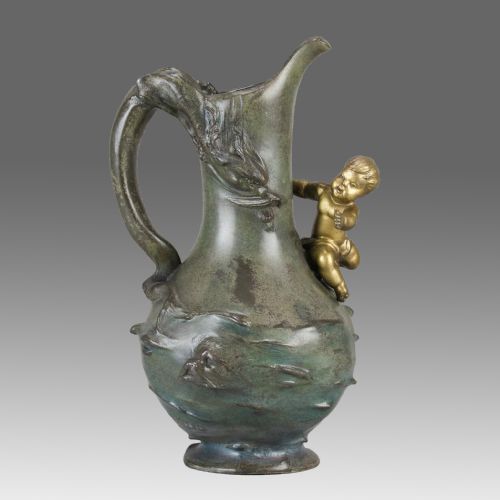
These gilded metal sculpture works bring together cast figures, plaques and vessels finished in gold leaf or gilt surface layers from various periods.
Gilded Metal Sculpture
A gilded metal sculpture selection encompasses cast figures, wall plaques, vases and statues produced across the nineteenth and twentieth centuries alongside earlier examples. Buyers examining this category encounter works ranging from classical Grand Tour souvenirs to Art Deco figures and Eastern temple lions.
The nineteenth century provides a strong presence on this page, often appearing through portrait busts, classical figures and decorative reliefs cast in bronze or brass. Alongside these traditional European pieces, the selection extends to include earlier Asian sacred figures and twentieth-century decorative pieces.
The assortment shifts fluidly between secular decorative subjects, religious iconography and mythological depictions mounted on marble, onyx or wood bases. These objects function primarily as mantel ornaments, cabinet pieces or wall-mounted reliefs rather than monumental public works.
Materials and Construction
Makers utilised bronze, gilt bronze, spelter and white metal as the primary casting metals, often applying a layer of gold leaf or chemical gilding to the finished surface. Many of these figures and plaques rely on traditional lost-wax casting or sand-casting methods to achieve fine detail.
Gilded Metal Sculpture Retail Price Guide 2026
Typical asking prices for gilded metal sculpture among the pieces listed under this phrase on Sellingantiques today, from the lower quarter to the upper quarter. They describe what is for sale here now, not the wider market.
An eagle cast in brass once belonged to the personal collection of Belinda Gentle.
Assessing Quality and Execution
Quality in these pieces depends heavily on the crispness of the original cast and the subtlety of the chasing work applied after removal from the mould. Superior examples retain sharp facial expressions, distinct clothing folds and clean lettering without the softness typical of secondary casts.
The preservation of the original gilt surface or applied patination significantly dictates the visual appeal of each piece, distinguishing professional foundry production from commercial output. Furthermore, the integration between the metal sculpture and its marble or wood plinth indicates the original standard of assembly.
MAINFROY·Charles Korschann·Bruno Zach·Georges Van De Voorde·Jean Jacques Pradier·Charlotte Monginot
The Gilded Metal Sculpture Glossary
- Gilt bronze
- Metal cast in bronze and subsequently coated with a thin layer of gold or gold leaf. This technique provides a lustrous finish resistant to tarnishing.
- Spelter
- A zinc alloy commonly used as a less expensive alternative to bronze for figural sculptures, particularly during the Art Deco period. It accepts various painted or metallic finishes.
- Grand Tour
- Nineteenth-century souvenirs acquired by travellers visiting classical sites in Italy and Europe. These typically included miniature bronze replicas of famous antiquities.
- Relief
- Sculpture where the figures project from a flat background rather than existing in the round. Wall plaques and tableaux utilise this method.
- Patination
- The chemical or natural colouring of a metal surface resulting from age or deliberate treatment. Artists use it to create tonal depth on bronze figures.
Gilded Metal Sculpture: Frequently Asked Questions
What is gilded metal sculpture?
Gilded metal sculpture refers to three-dimensional figures, reliefs and decorative objects cast in metals like bronze, brass or spelter and finished with a gold surface layer.
These works span multiple centuries and artistic movements, encompassing European classical revivals as well as Asian sacred art.
How do I identify spelter from bronze?
Spelter is a softer zinc alloy that generally feels lighter and may show a greyish metal underneath worn paint or gilding.
Bronze offers a heavier weight and a more resonant quality when struck, holding finer chased details after casting.
Where were these sculptures displayed?
Historically, smaller figures and plaques were placed on mantelpieces, desks or within specialised display cabinets inside domestic interiors.
Larger busts and temple lions occupied prominent positions in studies, antechambers or religious settings.
How should I care for gilded metal?
Gilded surfaces require gentle dusting with a soft, dry cloth to prevent the accumulation of abrasive particles.
Avoid chemical cleaners and polishes, which can strip away the delicate gold leaf or patinated finish.