
Gilded Metal Lighting
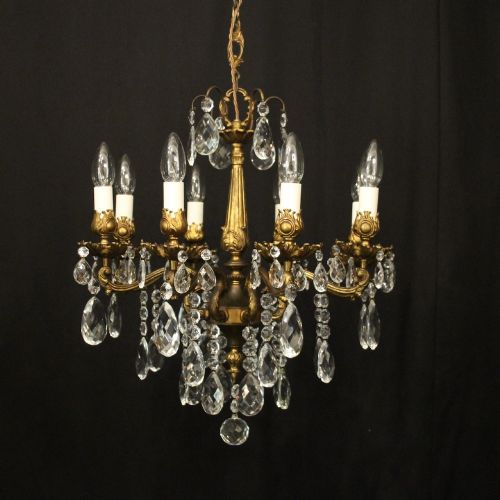
These gilded metal lighting pieces bring warmth and decorative presence to a room, ranging from grand French chandeliers to Italian wall lights.
Gilded Metal Lighting
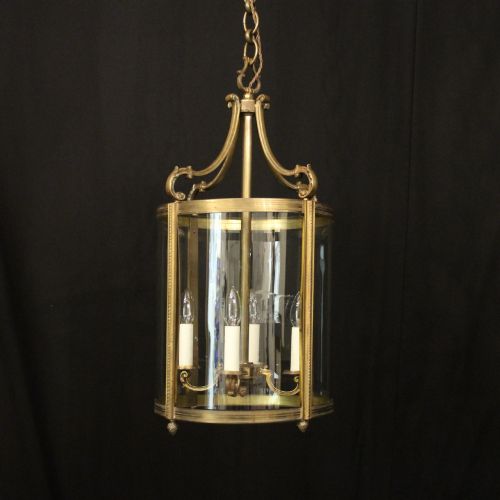
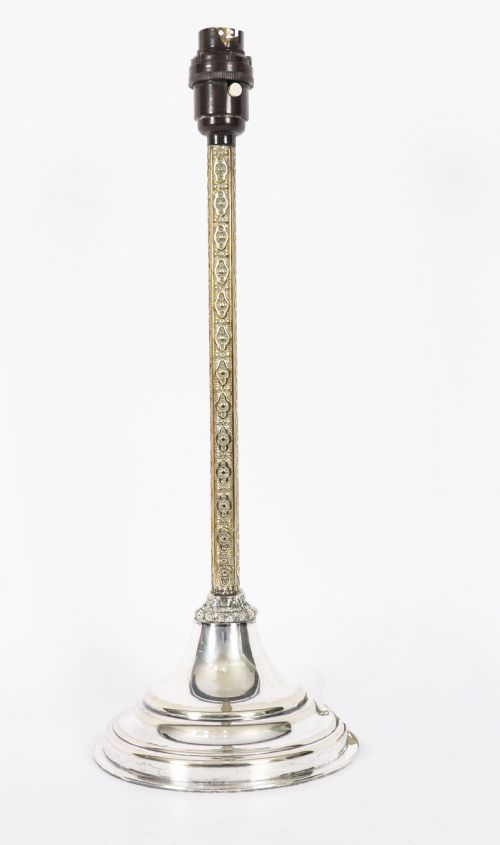
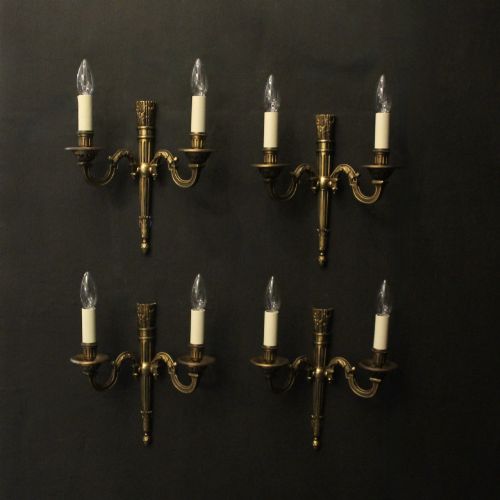
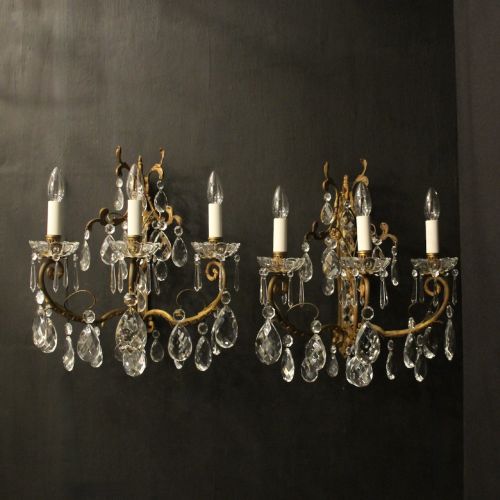
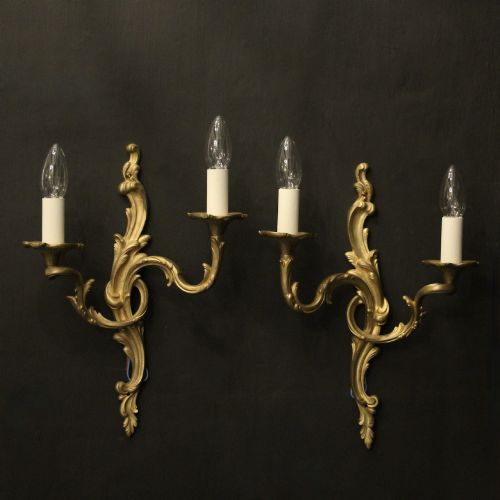
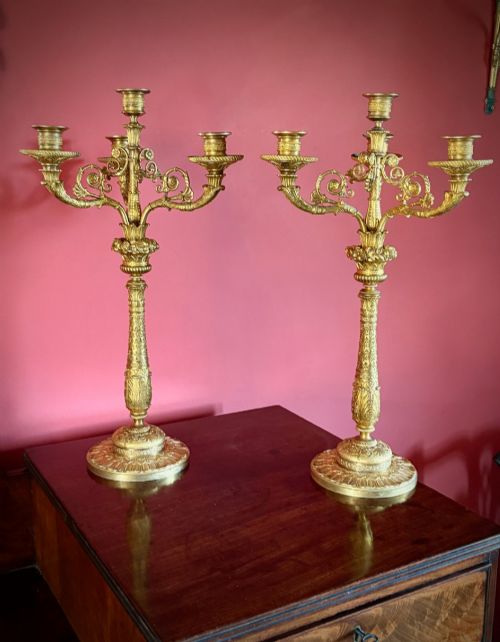
Gilded metal lighting encompasses a variety of fixtures designed to illuminate interiors while adding a decorative metallic sheen. When exploring this selection, buyers encounter multiple forms including chandeliers, wall lights, wall sconces, ceiling lights, hall lanterns, table lamps, and candelabra.
The objects originate predominantly from French and Italian workshops across the nineteenth and twentieth centuries. Pieces span specific eras such as the 1860s, 1880s, 1900, 1910, 1920, 1930, and the mid-century period.
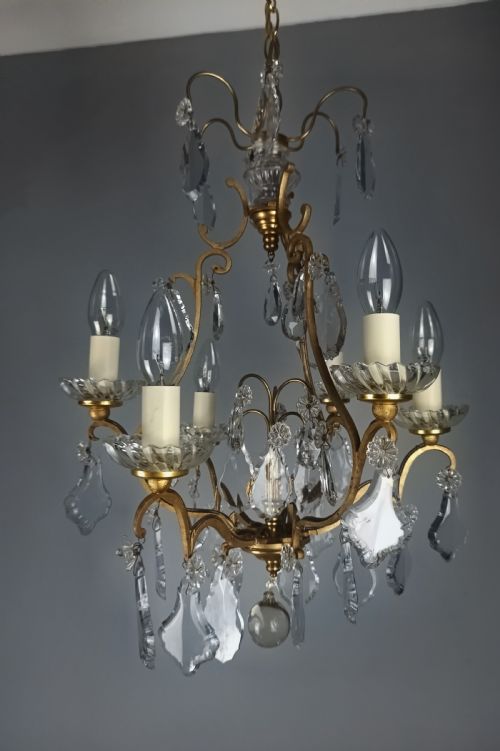
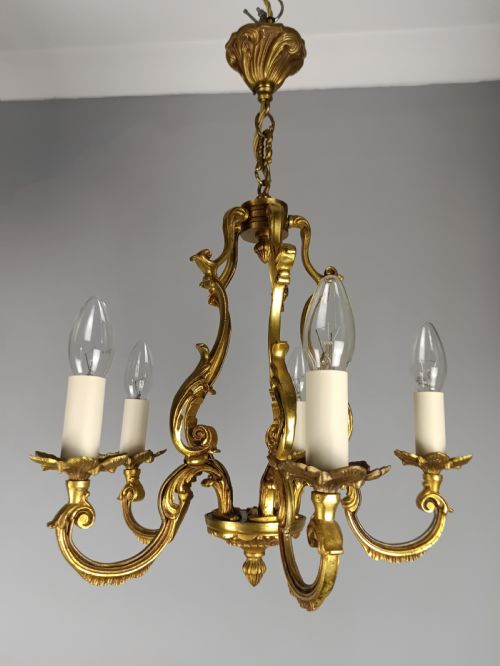
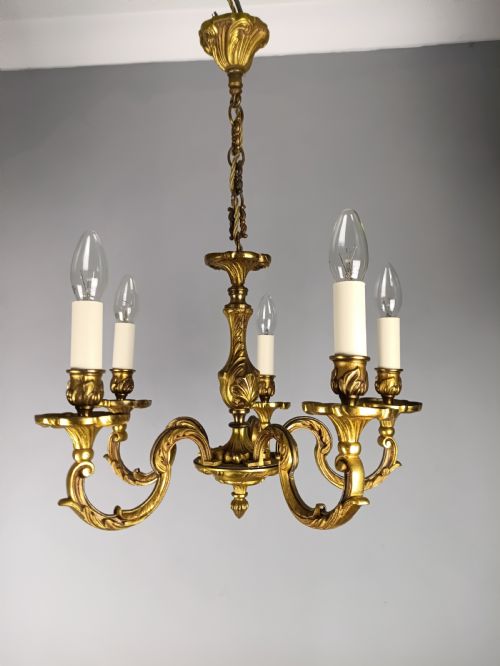
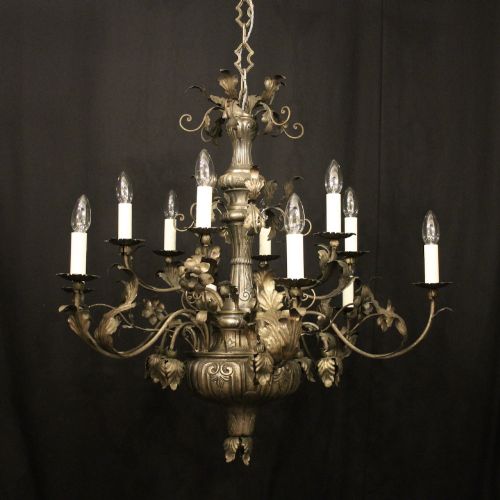
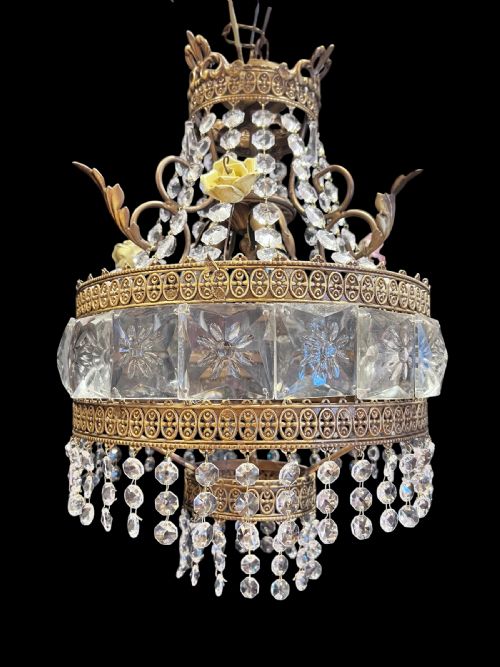
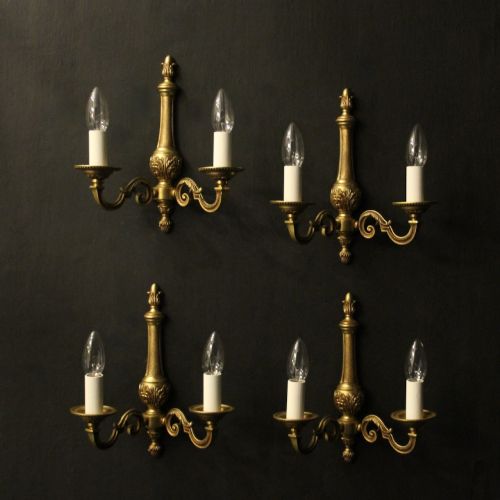
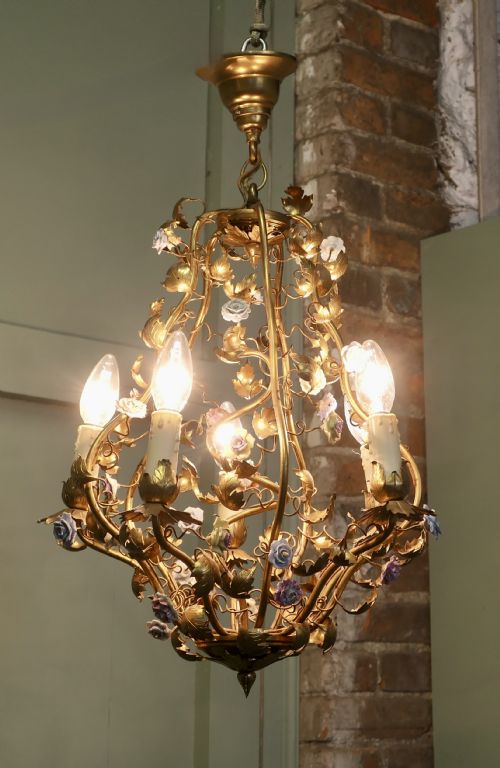
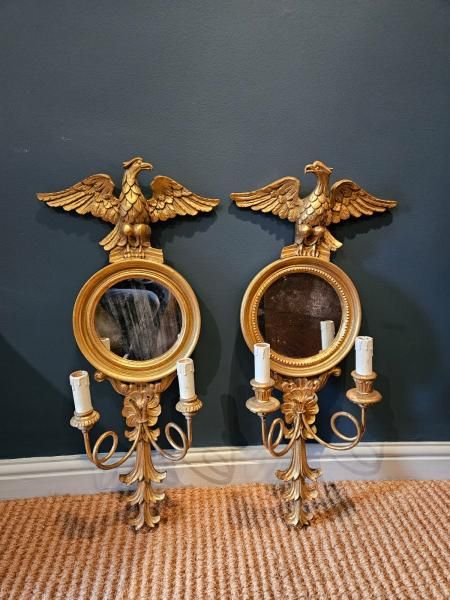
French pieces frequently exhibit rococo, neo-classical, or chateau influences, often taking the form of birdcage chandeliers or multi-armed wall lights. Italian items frequently showcase Florentine styles, sometimes incorporating carved wooden elements with gilt leaf or delicate porcelain flowers.
Materials and Construction
Construction relies heavily on metals such as brass, bronze, or cast iron finished with gold leaf, silver gilding, or ormolu. Artisans also utilised toleware and crystal components to embellish the frames.
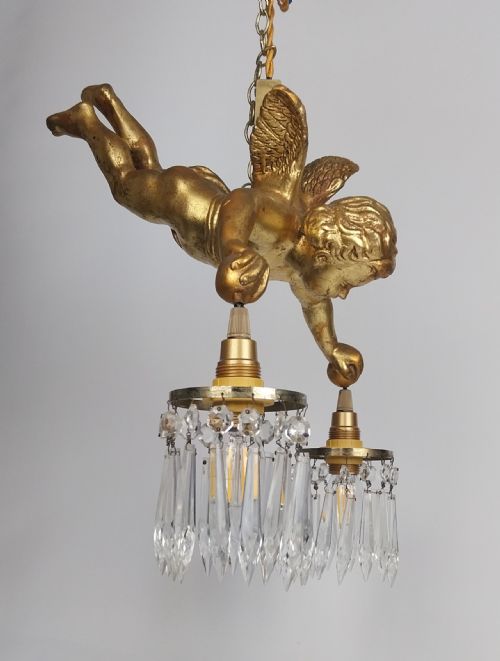
Many items integrate glass drops, crystal teardrops, amber crystals, or mirror backs to reflect and amplify the illumination from candles or early electric bulbs. Decorative details like porcelain flowers, cherubs, and coronets were hand-assembled onto the metal armature.
Several chandeliers feature winged cherubs keeping watch from above the lights.
Assessing Quality
Quality differentiates by the crispness of the cast bronze or brass ornament and the depth of the gilding or ormolu finish. Superior items display meticulous hand-chasing on metal mounts and securely seated crystal or glass elements rather than simpler pressed sheet construction.
The integrity of integrated decorative components, such as hand-painted ceramic flowers or uniformly cut crystal pendants, distinguishes finer workshops. Consistency in matching sets of wall lights or balanced proportions in multi-tier chandeliers indicate higher craftsmanship.
Mappin & Webb's
The Gilded Metal Lighting Glossary
- Ormolu
- Finely ground high-carat gold applied to a bronze base using a mercury amalgamation process, or later via electroplating. This technique gives the metal a rich, warm yellow lustre.
- Toleware
- Painted or lacquered sheet metal items, often incorporating floral motifs in applied colours. It frequently appears in mid-period French chandeliers and sconces.
- Birdcage Chandelier
- A chandelier style characterised by a curved wire or metal frame resembling a birdcage, heavily hung with crystal garlands and drops. This form maximises the reflection of light inward.
- Florentine Style
- A decorative aesthetic originating in Italy, known for ornate leaf scrolls, carved wooden or metal foliage, and rich gilding. It often pairs metallic warmth with pastel or clear crystal accents.
- Wall Sconce
- A decorative light fixture affixed to a wall, holding one or more candles or electric bulbs. Pairs and sets of these fixtures are common in period interiors.
Gilded Metal Lighting: Frequently Asked Questions
What periods do these pieces come from?
The inventory spans the nineteenth century through the mid-twentieth century, with particular concentration in the decades between 1910 and 1930.
Items from the 1860s and 1880s sit alongside later twentieth-century iterations, reflecting enduring aesthetic traditions across European decorative arts.
How were these fixtures originally powered?
Many older examples were constructed for candles before undergoing conversion to electricity during the twentieth century. Some mid-century pieces were manufactured specifically for electrical wiring.
Original candle-holders and drip pans frequently remain part of the design, even when modern internal wiring has been installed.
What distinguishes French lighting styles here?
French pieces in this category often draw upon rococo revival or neo-classical idioms, featuring elaborate gilt bronze frames, crystal teardrops, and cage structures. Ormolu mounts and coronet details are characteristic of these designs.
Italian pieces, by contrast, frequently highlight Florentine gilt leaf work and delicate porcelain floral adornments.