
Italian Gilt Light
When you search for italian gilt light, you are looking at gilded chandeliers, sconces and wall lights shaped by centuries of decorative tradition.
Italian Gilt Light
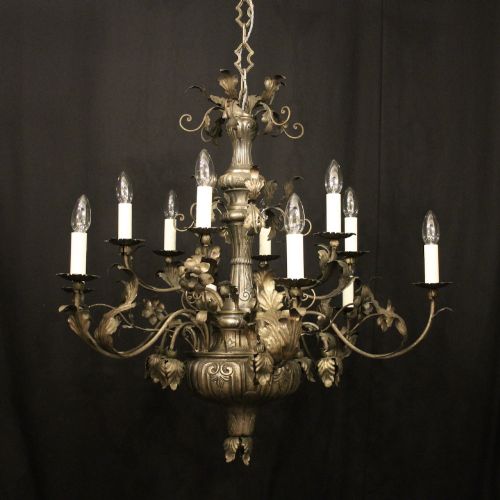
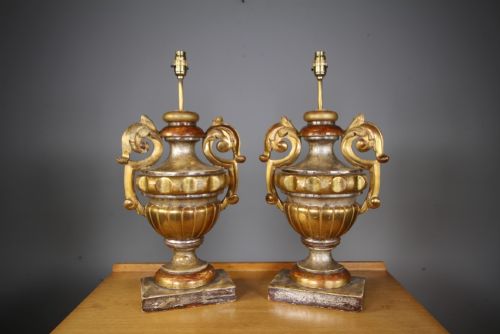
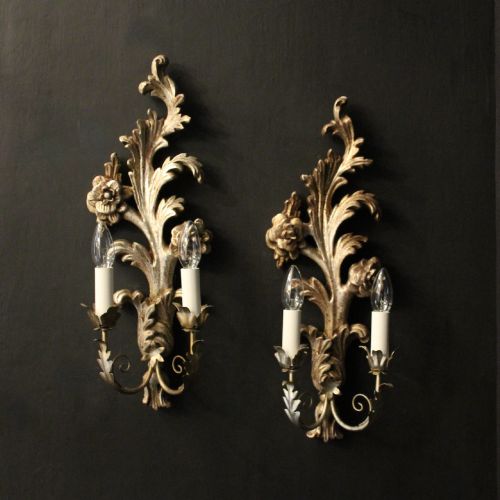
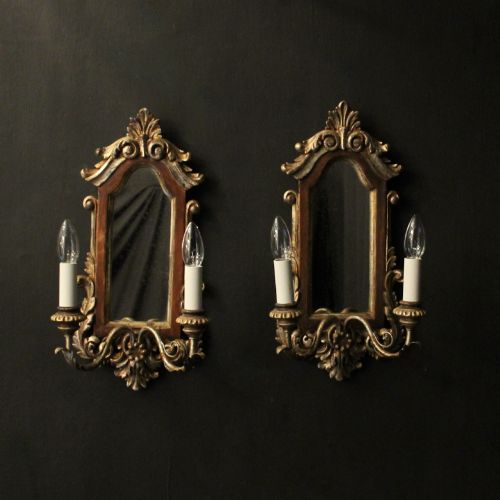
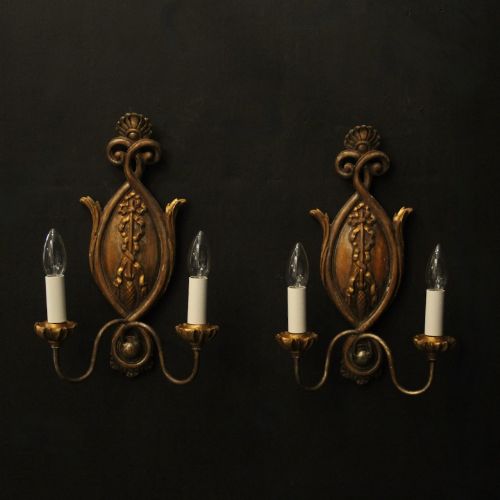
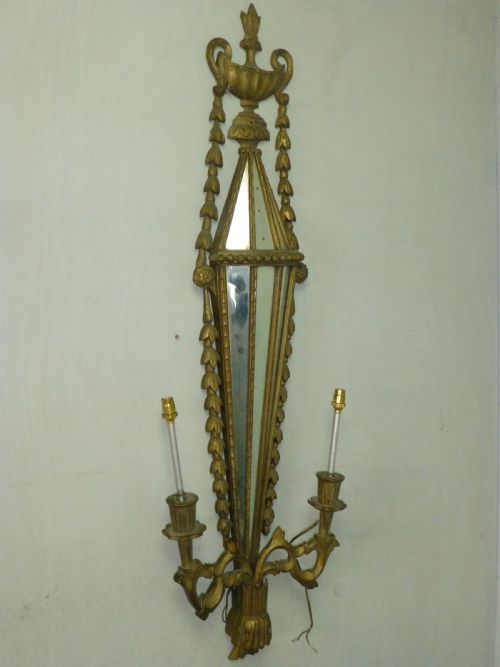
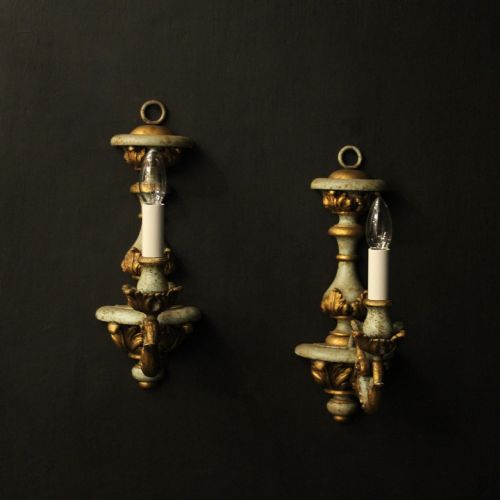
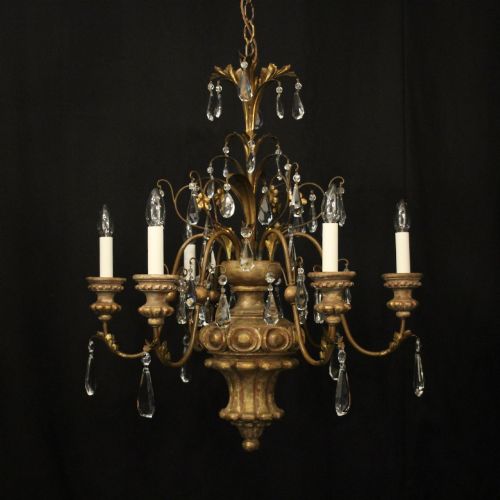
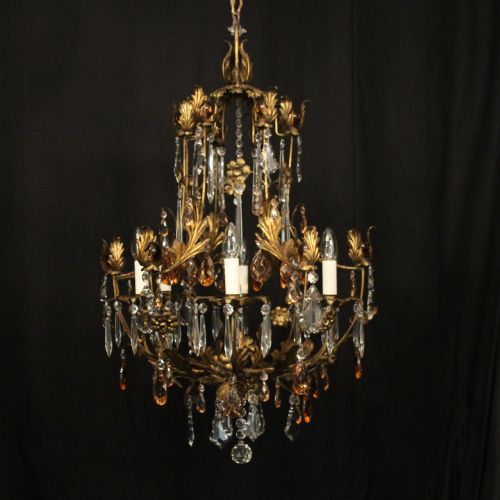
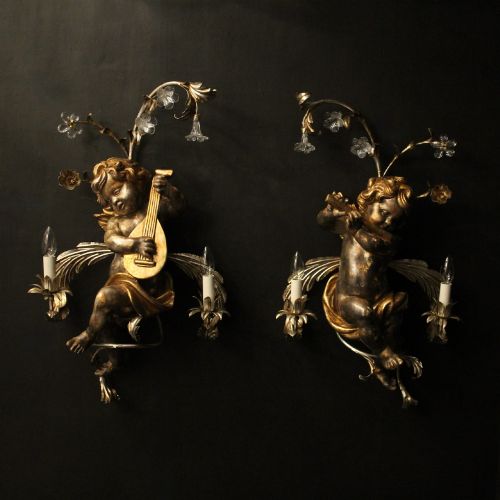
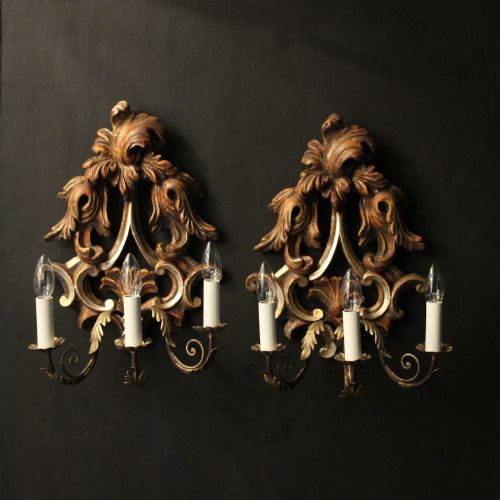
An italian gilt light encompasses diverse forms ranging from grand multi-tiered chandeliers to paired wall sconces, girandoles and floor lamps. Buyers frequently encounter twin-arm and triple-arm giltwood wall lights originating from Florentine workshops during the early decades of the twentieth century. These pieces bridge functional illumination and ornamental sculpture, often incorporating carved wood, gesso and applied gold leaf.
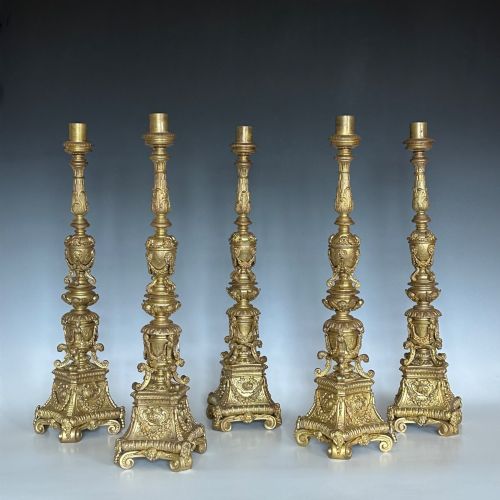
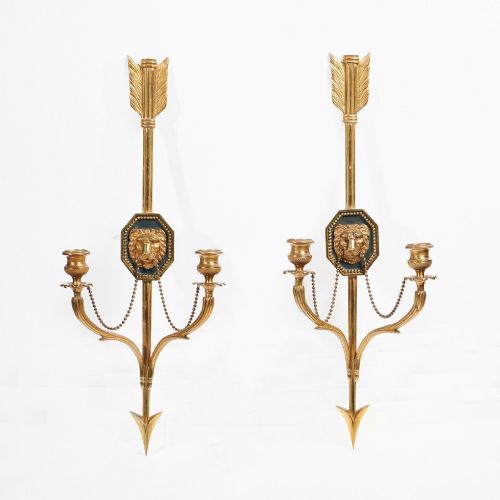
The historical spread stretches from eighteenth-century gilt bronze candlesticks through nineteenth-century urn lamps and lanterns to robust twentieth-century production. Wall lights and chandeliers dominate the selection, frequently displaying regional traits associated with Genoa, Venice and Florence. Many items reflect distinct stylistic revivals, particularly baroque and rococo idioms adapted for domestic interiors.
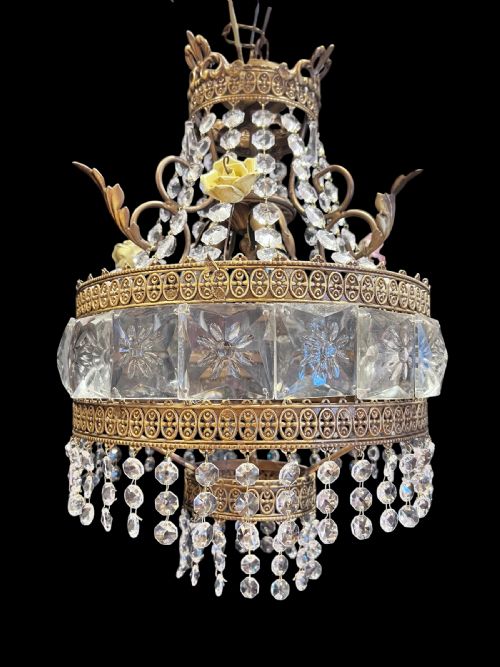
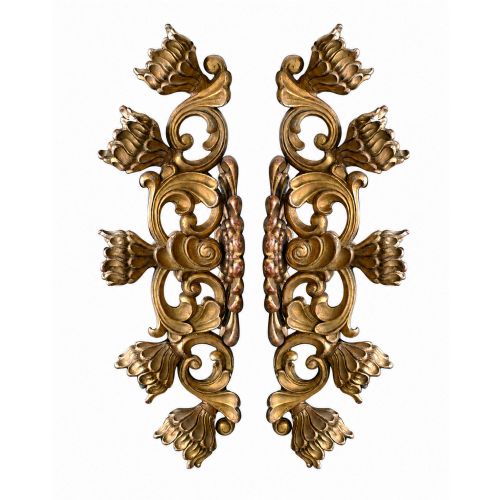
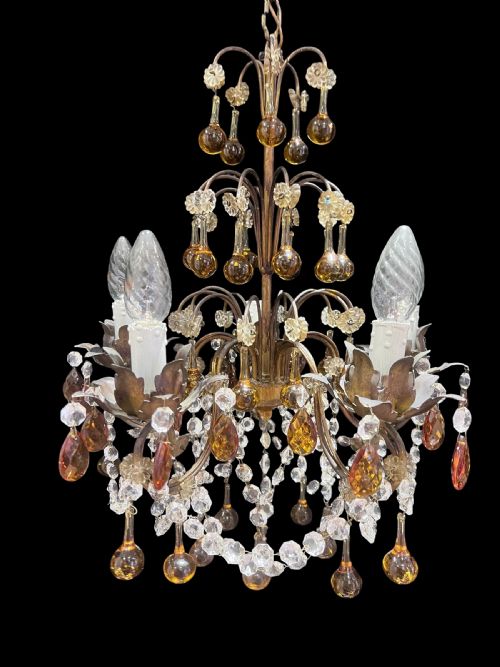
Lighting fixtures often feature naturalistic motifs such as leaves, cherubs, porcelain flowers and crystals. Simpler single-arm wooden brackets appear alongside monumental carved structures, offering options for various scales of interior space. Polychrome finishes frequently accompany the gilding, introducing subtle colour variations to the carved surfaces.
Materials and Construction
Makers utilised timber bases, predominantly pine or carved wood, coated in layers of gesso to create smooth grounds for ornamentation. Artisans applied gold leaf or silver leaf over these prepared surfaces before burnishing the metal to achieve a reflective sheen. Polychrome paint layers were frequently added to highlight carved details like foliage, cherubs and floral elements.
Metal components in chandeliers and wall sconces typically involved brass, ormolu, gilt metal and toleware alongside structural ironwork. Crystal pendants, Murano glass elements and porcelain flowers were integrated into chandeliers and girandoles to enhance light dispersion. Alabaster and mirrored glass backing plates also appear in specific lamp designs to amplify illumination.
Carved wooden cherubs peek out from numerous wall sconces, holding candle branches with perpetual wooden surprise.
Assessing Quality
The standard of carving distinguishes superior pieces from standard production, evident in the depth and crispness of acanthus leaves, cherubic figures and structural mouldings. Hand-carved wooden elements display an organic fluidity that mechanical replication fails to capture.
The application and preservation of the gold leaf or silver gilt determine visual richness, with burnished surfaces offering greater brilliance than flat painted alternatives. Integrated components like genuine Murano glass, hand-shaped crystals and intact porcelain flowers elevate the sophistication of the fixture.
The Italian Gilt Light Glossary
- Giltwood
- Wood that has been coated with gold leaf or powder and sealed. This finish gives wooden carvings the appearance of solid gold.
- Gesso
- A plaster mixture applied to wood surfaces as a preparation for gilding or painting. It provides a smooth base for intricate carving details.
- Girandole
- An ornamental branched wall light featuring a mirror backplate. The reflective glass helps to multiply the illumination in a room.
- Ormolu
- Gilded bronze used for decorative mounts and structural parts. It provides a durable metallic finish with a warm lustre.
- Toleware
- Lacquered or enamelled metalware often painted with floral motifs. It frequently forms decorative elements in wall lights and sconces.
Italian Gilt Light: Frequently Asked Questions
How do I hang a heavy giltwood chandelier?
Large multi-armed chandeliers require professional installation into ceiling joists using rated fixings to support the combined weight of wood, metal and crystal.
Electrical wiring must be checked and adapted to modern safety standards during the hanging process.
Can these wall lights be rewired for modern wiring?
Most vintage and antique fixtures accept modern electrical components and rewiring without altering the external decorative structure.
Qualified electricians can easily install contemporary lamp holders and test the circuits for domestic use.
How do I clean antique gilt surfaces?
Dusting requires a soft, dry brush to prevent damage to delicate gold leaf and aged gesso layers.
Moisture and chemical cleaners should be avoided entirely to preserve the original patination and prevent flaking.
What is the difference between Florentine and Venetian styles?
Florentine lighting typically emphasises carved giltwood, elaborate foliage and rich polychrome finishes derived from regional artisan traditions.
Venetian pieces frequently incorporate glass components, Murano elements and theatrical baroque silhouettes reflecting maritime wealth.