




Gilded Landscape Mirror
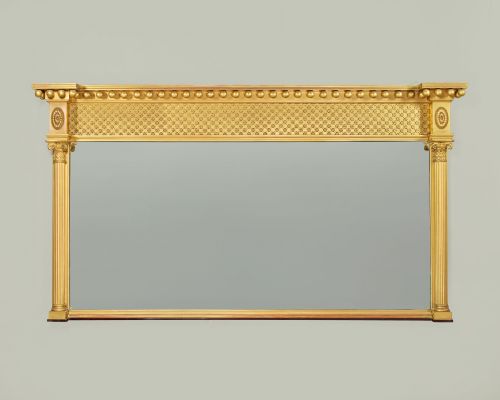
A gilded landscape mirror brings width and reflected light to a room, most commonly found as a grand overmantel or horizontal wall glass.
Gilded Landscape Mirror
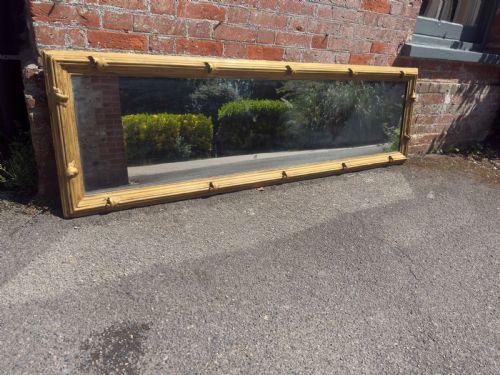
When searching for a gilded landscape mirror, you encounter horizontal wall glass designed to span the width of a mantelpiece or a principal wall. The selection spans the Regency era, the 19th century, the Victorian period, and Edwardian times, alongside examples from the 1930s.
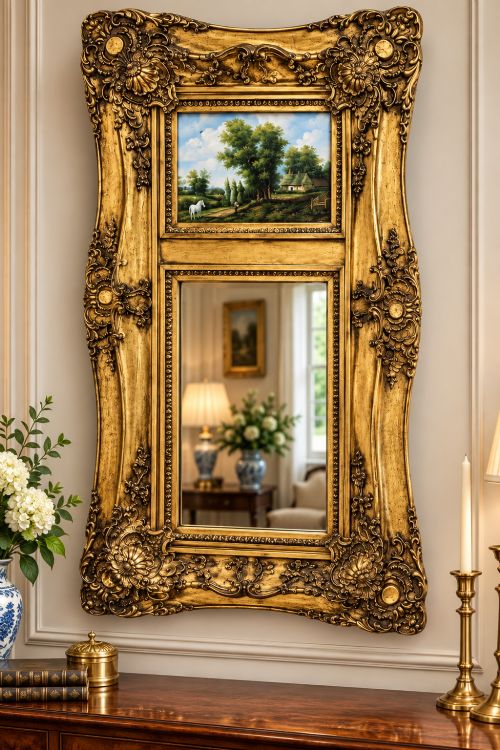
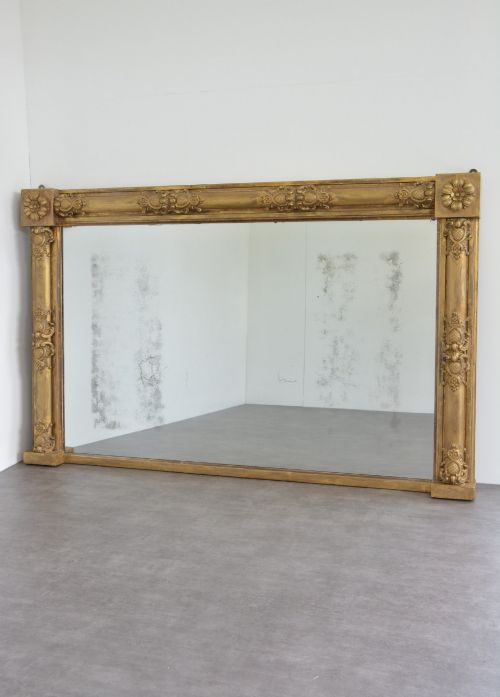
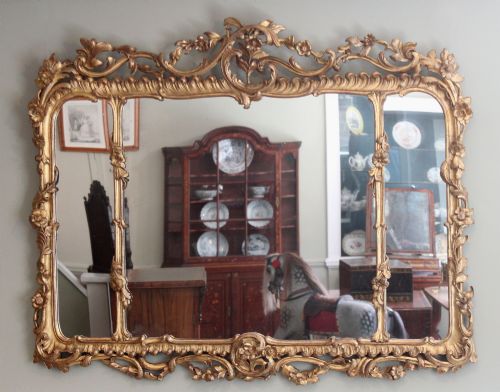
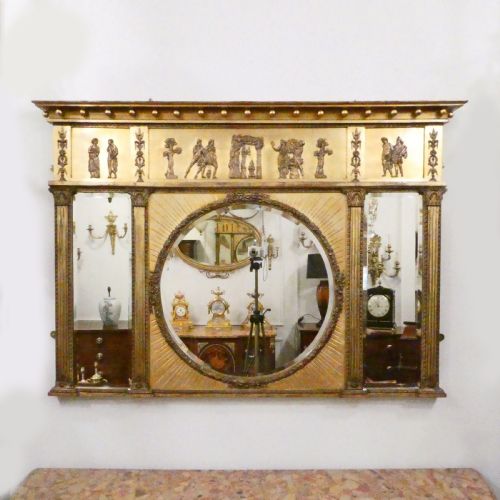
The dominant forms in this group are overmantel mirrors, pier mirrors, and trumeau mirrors. Many examples measure on a grand scale, incorporating multi-plate configurations such as triptych formats or painted panels above the glass.
Origin details in the inventory point towards English, French, and Scottish workshops. Pieces range from straightforward gilded wall frames to elaborate architectural compositions with classical motifs.
How They Were Made
Carved wood and gesso provide the structural relief for the gilded surfaces. Artisans applied thin layers of gold leaf or composition material over a prepared gesso base, often burnishing specific areas to create contrast.
Mirror glass sits within frames of wood and gilt, occasionally showing original foxing or silvering deterioration. Specialised panels feature reverse glass painting, known as eglomisé, or incorporate oil-painted friezes within the upper section.
What Varies in Quality
The depth and crispness of the carved ornament distinguish superior work from simpler production. Hand-carved wooden details and intricate gesso motifs exhibit sharper definition and greater articulation than pressed composition mouldings.
The integrity of the original gilding and the character of the mirror glass determine the visual presence of a piece. Retaining original gold leaf alongside period mirror plates with light foxing adds historical depth to the object.
Ciceri and Co
The Gilded Landscape Mirror Glossary
- Overmantel mirror
- A horizontal looking glass specifically proportioned to hang on the wall above a fireplace mantelpiece. These frames often match the length of the hearth below.
- Gesso
- A plaster-like mixture applied to wood frames to create a smooth surface for gilding or to be moulded into relief decoration. Carved details are frequently built up in gesso before leaf application.
- Trumeau mirror
- A decorative wall glass combined with a painted panel or a panel containing artwork situated above the main glass plate. They originated in France and often integrate into wall panelling.
- Eglomisé
- A technique where cold painting and gilding are applied to the rear face of glass to produce a mirrored or metallic decorative picture. This process appears frequently in Regency pier mirrors.
- Triptych
- A mirror divided into three distinct vertical sections or plates within a single frame. The flanking plates are usually narrower than the central glass.
Gilded Landscape Mirror: Frequently Asked Questions
Where should a landscape mirror be hung?
These horizontal frames fit naturally above a fireplace mantelpiece, where their width balances the opening below. They also function effectively along a principal wall above a low sideboard or sofa to draw light across the room.
Because many pieces are built on a grand scale, ensure the wall fixings are secured directly into structural studs or masonry to support the weight of the wood and glass.
How do I identify a Regency period mirror?
Regency examples frequently display classical architectural elements such as columned pilasters, acanthus leaves, laurel wreaths, and convex or ball-detail friezes. Eglomisé panels and giltwood finishes with ebonised accents are also characteristic of this period.
Proportions tend to be balanced and architectural, reflecting the Neoclassical taste popular in early nineteenth-century interiors.
What is a pier mirror?
A pier mirror is a tall or wide looking glass designed specifically to hang on the wall space between two windows, known as the pier. They often incorporate console tables or feature elongated proportions.
In this collection, pier mirrors appear alongside overmantels, sharing similar gilded wood and gesso construction methods.
Can I clean the original glass?
Original mirror glass requires gentle maintenance to preserve the silvering and any historic foxing spots. Use a soft, dry microfibre cloth to remove dust rather than applying liquid cleaners directly to the surface.
Harsh chemical sprays can seep behind the frame or damage vulnerable edges where the backing has deteriorated over the centuries.