




Gilded Japanese Lacquer
Gilded Japanese lacquer pieces are tactile works of art adorned with metallic leaf, bringing rich historic depth and deep black or red surfaces into your home.
Gilded Japanese Lacquer
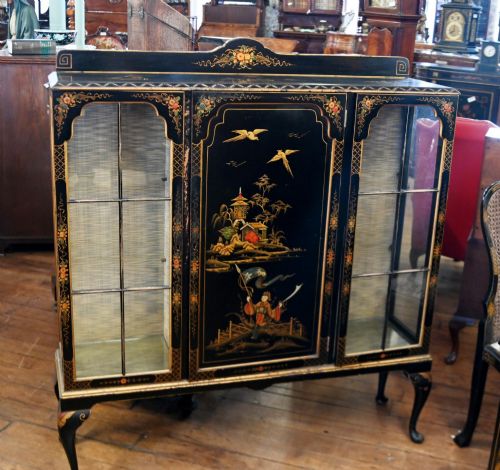
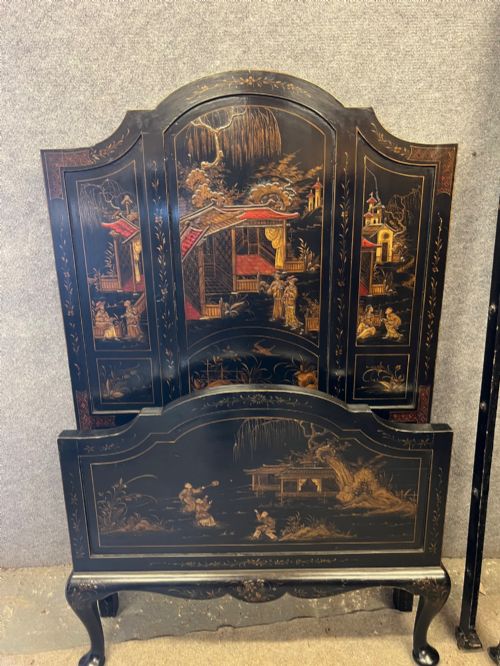
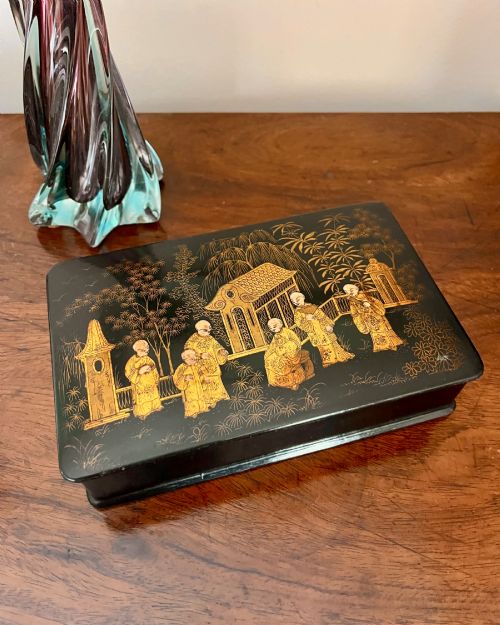
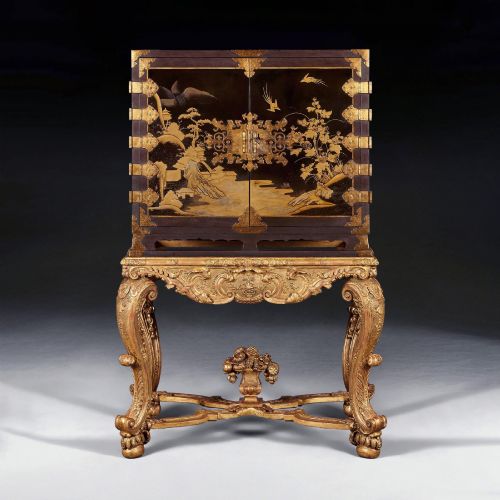
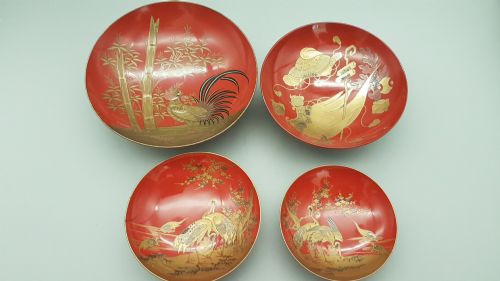
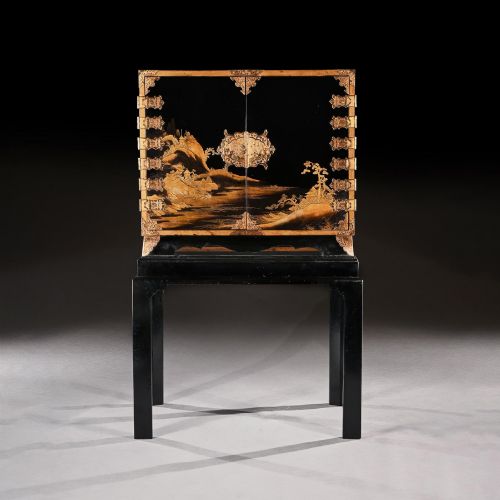
Gilded Japanese lacquer encompasses a range of functional and decorative items, from intricately painted table cabinets and folding screens to sets of sake cups and cabinets on stands. These objects originate primarily from the Edo and Meiji periods, alongside later twentieth-century interpretations.
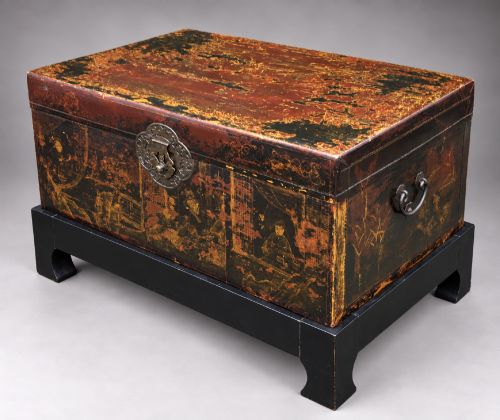
You will frequently encounter portable items such as jewellery boxes and blanket boxes alongside larger furniture forms like nest of tables and cabinets on stands. Western adaptations in the Chinoiserie and Queen Anne styles also appear alongside traditional Japanese export pieces.
What varies in quality
Quality rests upon the depth and intricacy of the lacquer work and the precision of the gold leaf application. Finer pieces display smooth, unblemished surfaces where the gilt ornamentation remains crisp and securely adhered to the wooden base.
The complexity of the form also dictates standing, with elaborately carved cabinets on stands or multi-panel folding screens representing more advanced craftsmanship than simpler utility boxes or standard tables.
Gilded Japanese Lacquer Retail Price Guide 2026
Typical asking prices for gilded japanese lacquer among the pieces listed under this phrase on Sellingantiques today, from the lower quarter to the upper quarter. They describe what is for sale here now, not the wider market.
Some tiny sake cups manage to squeeze the entire grandeur of Mount Fuji and rolling seascapes into surfaces smaller than your palm.
The Gilded Japanese Lacquer Glossary
- Urushi Lacquer
- Natural sap derived from the toxicodendron vernicifluum tree, processed and applied in multiple layers to form a hard, waterproof finish. This substance serves as the traditional foundation for Japanese decorative arts.
- Meiji Period
- The era in Japanese history spanning from 1868 to 1912, characterised by opening trade with the West and producing highly detailed export goods. Pieces from this time often feature elaborate pictorial scenes.
- Edo Period
- The period lasting from 1603 to 1867 governed by the Tokugawa shogunate, known for sophisticated refinement in lacquer production and cabinetmaking. Items surviving from this epoch carry significant historic weight.
- Chinoiserie
- European artistic style reflecting Chinese and Japanese aesthetic influences, popular during the seventeenth and early twentieth centuries. Furniture in this taste uses lacquered finishes and gilt motifs on domestic forms like nests of tables.
- Shodana
- A traditional Japanese tabletop display cabinet featuring asymmetrical shelving and small cupboards. These pieces showcase delicate lacquer work designed to house small treasures and curios.
Gilded Japanese Lacquer: Frequently Asked Questions
How do I care for gilded Japanese lacquer?
Keep these items away from direct sunlight and extreme temperature fluctuations to prevent the wood and lacquer from drying out or cracking. Dust them gently with a soft, dry cloth without applying chemical polishes or modern cleaning agents.
Because the natural lacquer finish is sensitive to moisture and abrasion, placing them in stable indoor environments preserves the delicate gold leaf and painted details for the long term.
Are these pieces waterproof?
While cured urushi lacquer creates a durable and water-resistant surface, antique items featuring gold leaf and delicate painted decoration should not be immersed in water or used for serving liquids. Traditional sake cups are decorative or ceremonial rather than functional tableware.
Wiping surfaces with a damp cloth is acceptable for cleaning, but prolonged contact with moisture can compromise the underlying wood and lift the gilt elements.
How do I distinguish Meiji period pieces?
Meiji period items often exhibit fine pictorial detail, including specific motifs like Mount Fuji and coastal seascapes, reflecting the era's focus on pieces destined for Western export markets. The lacquer work on these objects balances traditional techniques with an openness to elaborate narrative scenes.
Examining the construction of cabinets, boxes, and screens helps confirm the nineteenth-century manufacturing methods and materials characteristic of this specific era of Japanese craftsmanship.