

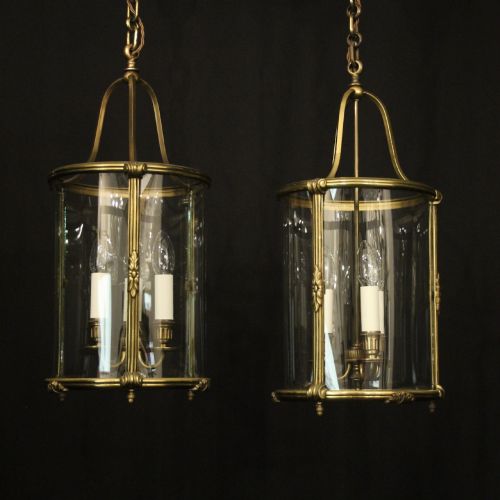
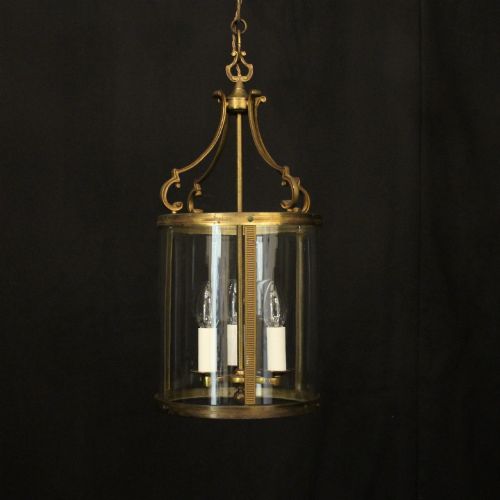
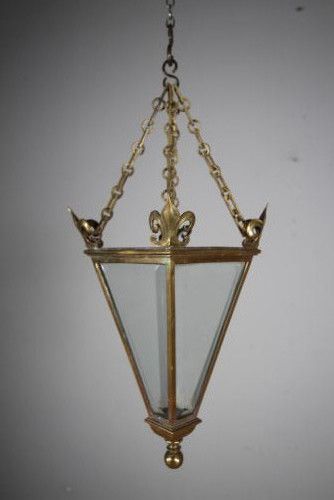
Gilded Hanging Light
These gilded hanging lights bring warmth and old illumination to a room, cast in bronze, brass, and crystal from periods spanning the nineteenth century to the interwar years.
Gilded Hanging Light
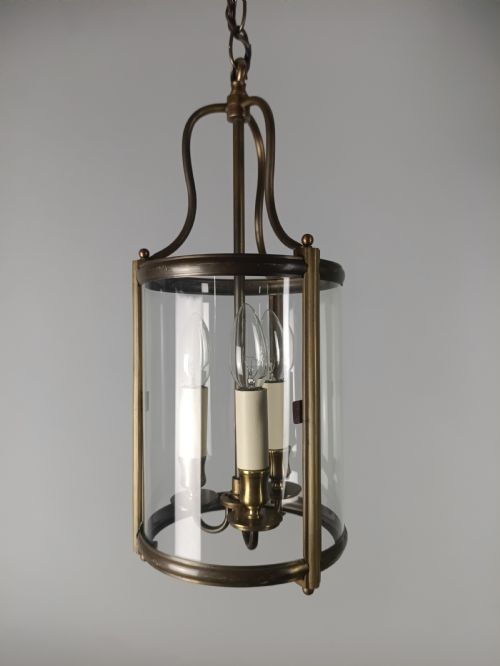
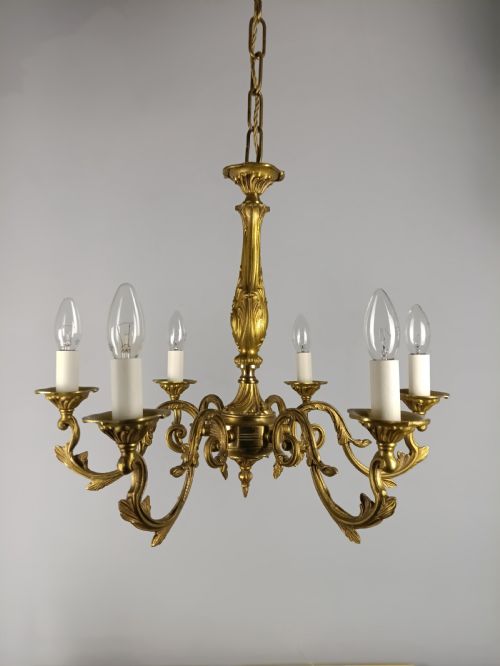
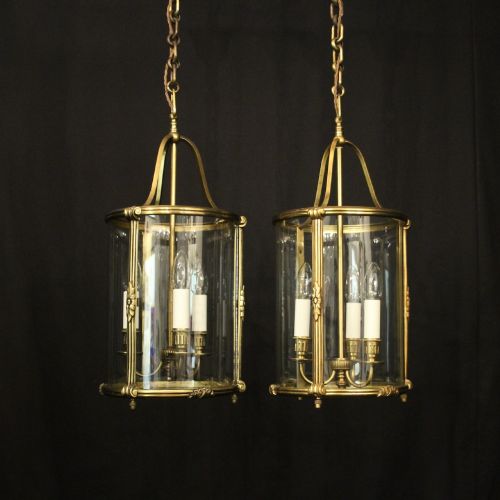
A gilded hanging light illuminates a room from above, taking the form of multi-armed chandeliers, hall lanterns, and pendant lights suspended by chains or rods. Buyers seeking this phrase encounter fixtures designed to dominate a ceiling space with metallic reflection and glass drops.
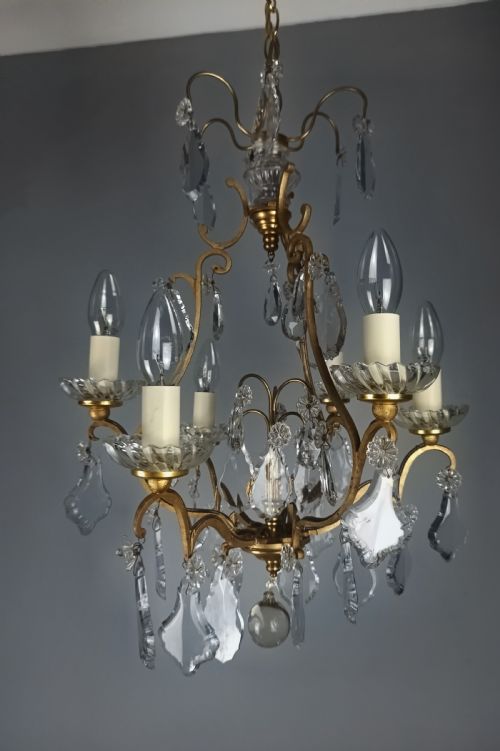
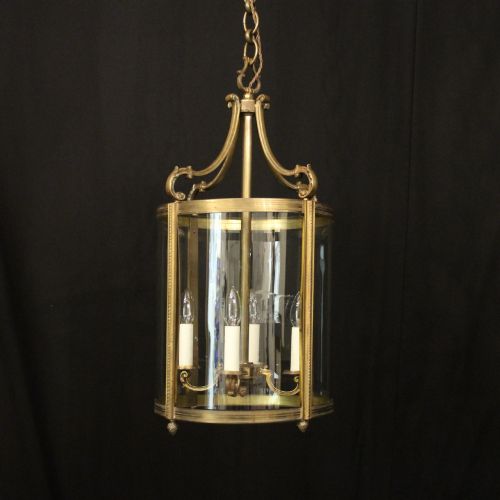
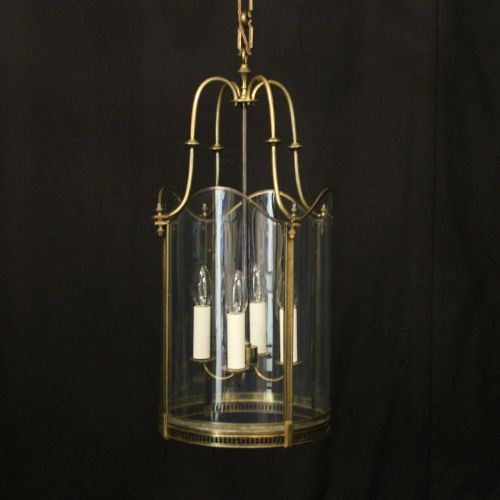
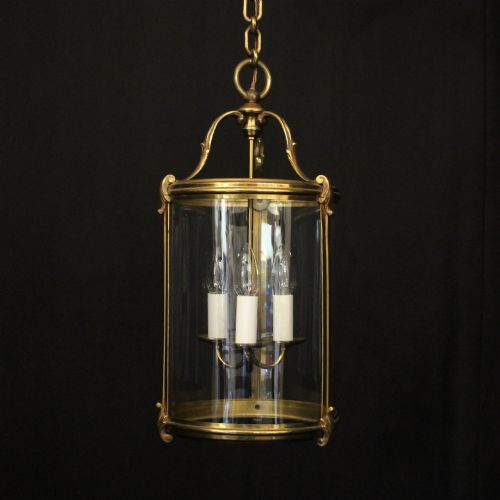
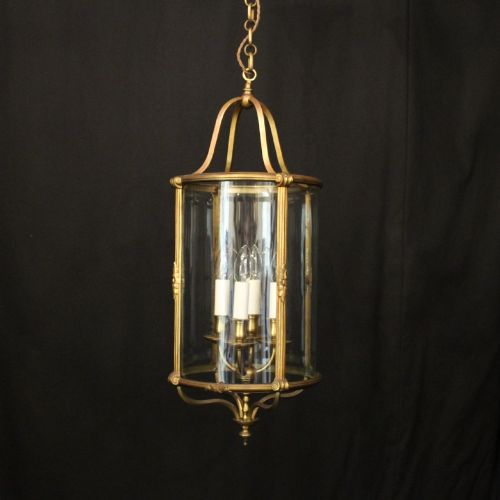
The selection leans heavily toward French chandeliers and hall lanterns originating from the nineteenth century, Edwardian era, and the decades up to 1930. Pieces range from simple three-light Italian frames to monumental Venetian carved giltwood lanterns and complex multi-bulb birdcage designs.
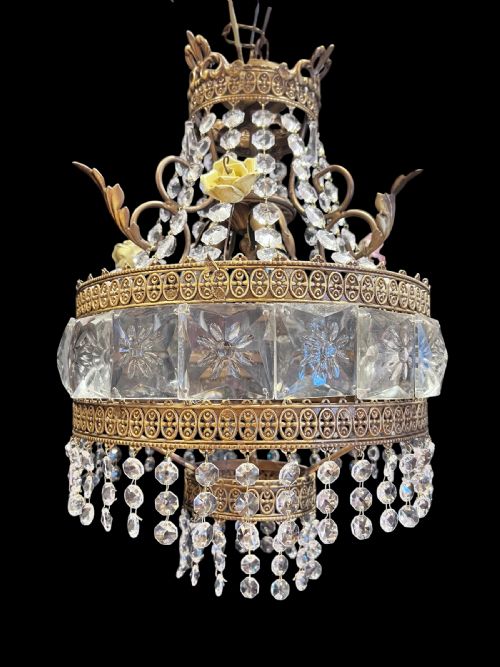
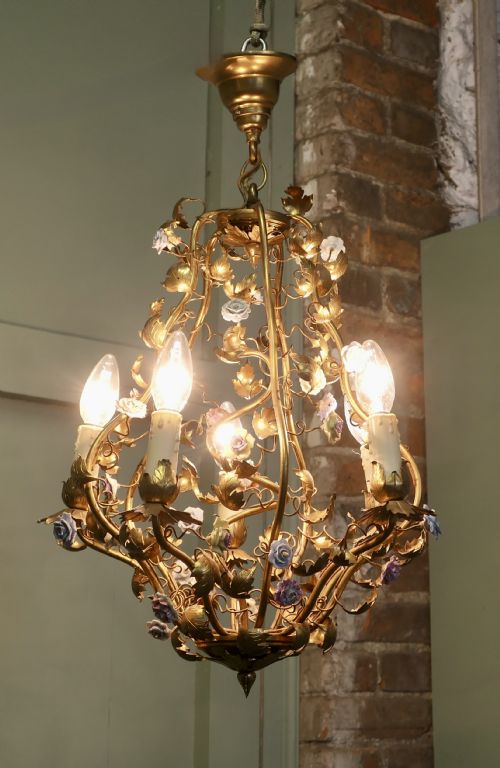
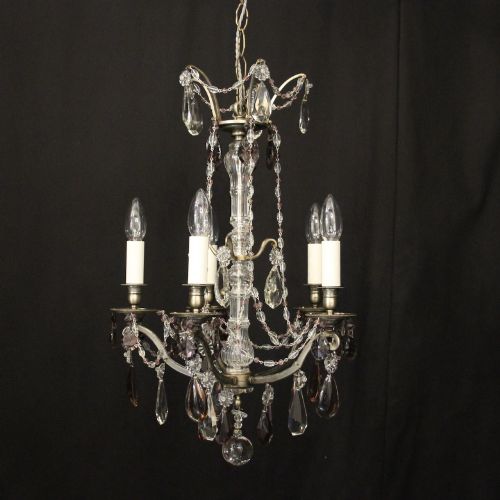
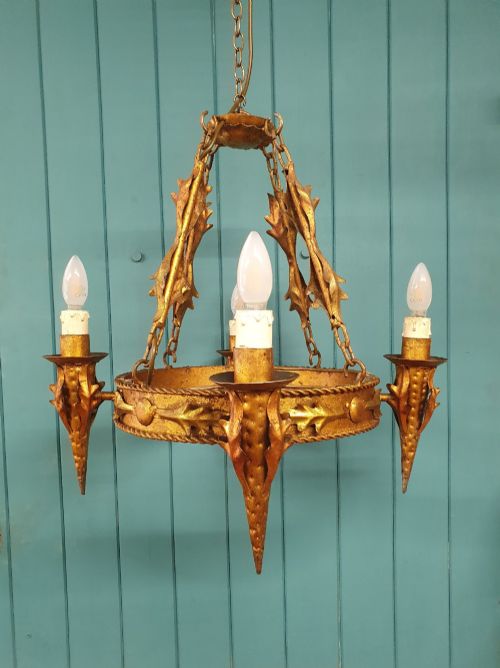
Form follows function across distinct typologies, separating closed convex lanterns meant for entryways from open chandeliers built for principal salons. Many incorporate decorative elements such as porcelain flowers, turquoise crystals, amber teardrops, and tolewear components.
How they were made
Makers constructed these frames using cast bronze, brass, or carved wood, applying surface gilding, silver gilding, or gesso to create a lustrous metallic finish. Bronze and brass components were often cast in sections and chased by hand before assembly.
Lighting capacity varied from single bulbs to nine or more lights, integrated with bevelled glass panes, crystal drops, and ceramic floral details. Metal armature supported intricate glass arrangements, securing crystals via wire links and mounting tolewear foliage directly to the central stem.
Some lanterns carry the distinct imprint of the Palace of Versailles, having been faithfully copied down to their hexagonal ormolu frames.
What varies in quality
Quality rests in the crispness of the metal casting, the weight of the gilded bronze or brass, and the clarity of the hanging crystal or bevelled glass. Finer examples display meticulous hand-chasing on the metal and balanced proportions across multiple arms.
Subtlety in the application of gold leaf, silver gilding, or gesso dictates the depth of the surface finish over time. Pieces with intact original components, harmonious glass drops, and substantial structural weight stand apart from lighter, simpler constructions.
The Gilded Hanging Light Glossary
- Gilded Bronze
- Metal cast and finished with a gold-coloured surface, often termed ormolu when applied to decorative domestic objects. This material provides structural rigidity and a rich metallic sheen.
- Hall Lantern
- A hanging light enclosed in glass panels, historically placed in entrance hallways to protect the flame from drafts. These fixtures often feature convex or bevelled glass panes.
- Tolewear
- Painted or lacquered sheet metal shaped into decorative elements like leaves and flowers. It adds colour and organic texture to the metallic framework of a light.
- Birdcage Chandelier
- A style of light featuring a curved wire or metal frame resembling the silhouette of a birdcage, heavily hung with crystal drops. This form maximises the refraction of light.
Gilded Hanging Light: Frequently Asked Questions
Where should I hang a hall lantern?
These enclosed lanterns suit entrance halls, corridors, and high-ceilinged vestibules where their glass panels and directional downward light can be fully appreciated.
Ensure adequate clearance beneath the fixture so that doors swing freely and movement remains unobstructed.
Can these antique lights use modern bulbs?
Most antique fixtures accept modern SES or SES-compatible candle bulbs, though wiring should be inspected and updated by a qualified electrician to meet current safety standards.
Select low-wattage or LED bulbs that mimic the warm glow of historic illumination without generating excessive heat near old crystal and metal.
How do I date a gilded chandelier?
Dating relies on stylistic markers, construction techniques, and materials, such as the heavy cast bronze and specific crystal cuts characteristic of nineteenth-century French and Italian workshops. Interwar pieces often display simpler electrical integration and distinct manufacturing shortcuts compared to earlier handmade examples.
Compare the mounting hardware, screw types, and wiring channels to establish the likely period of manufacture.