
Gilded Framed Pier Mirror
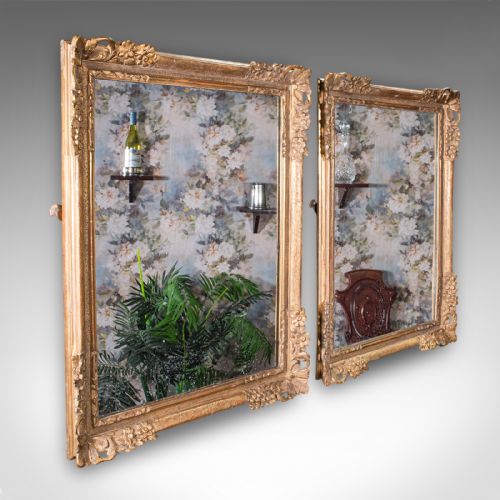
A gilded framed pier mirror brings light and vertical presence to a room, designed traditionally to hang on the wall space between two windows.
Gilded Framed Pier Mirror
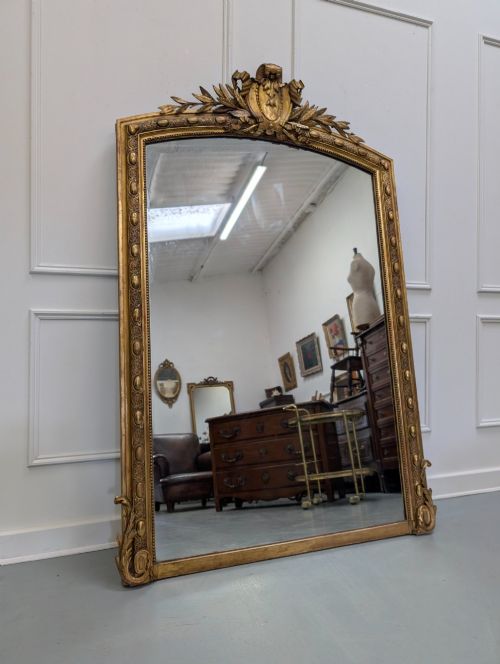
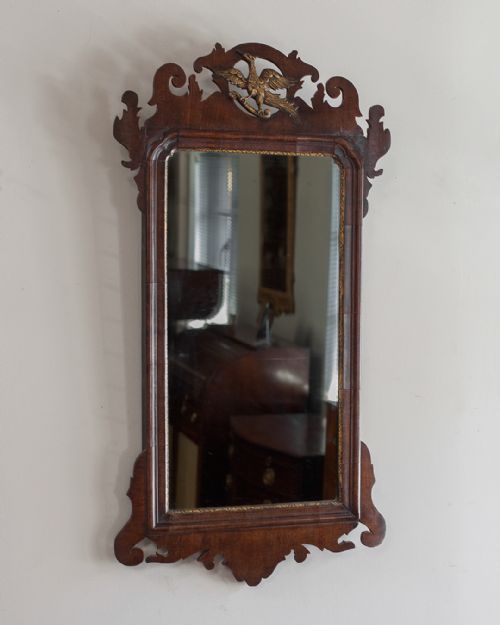
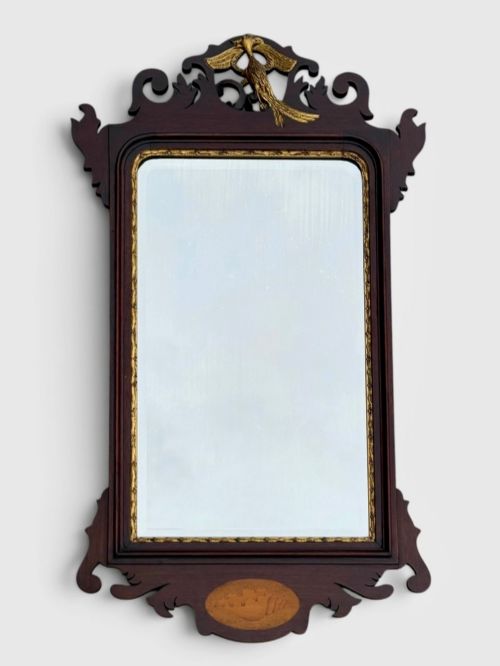
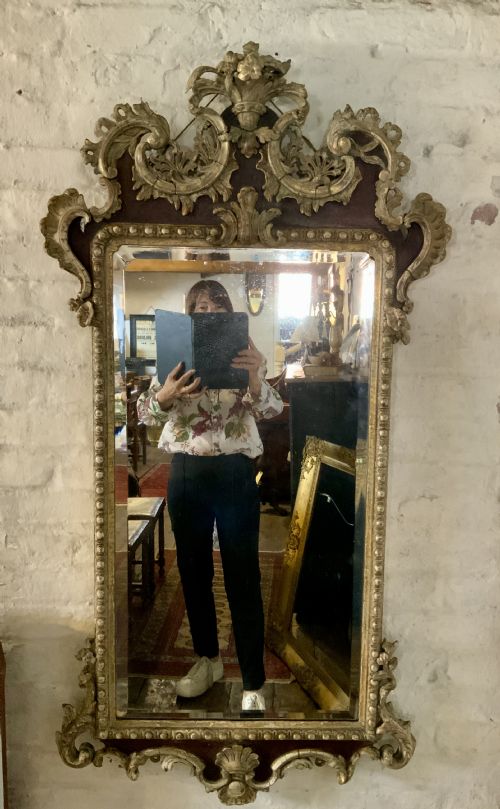
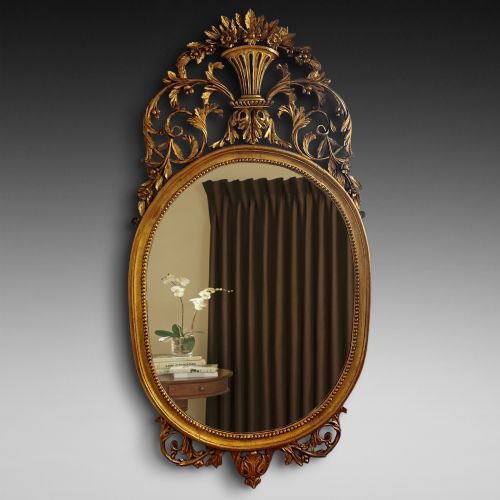
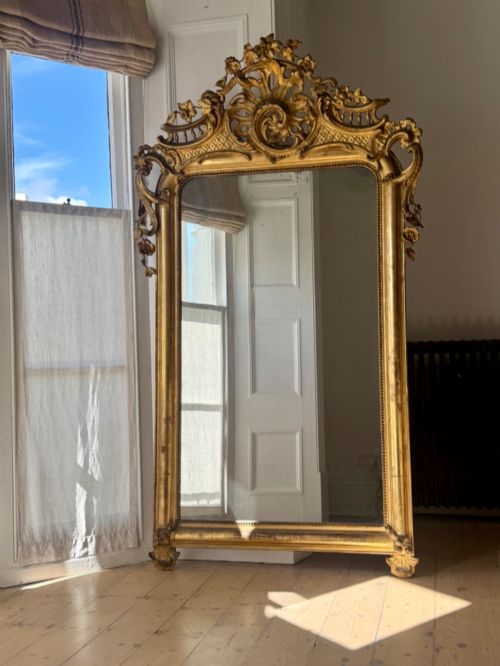
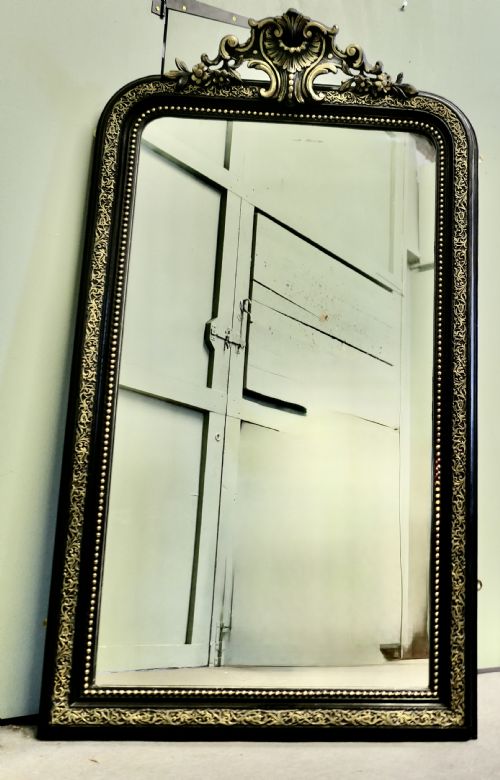
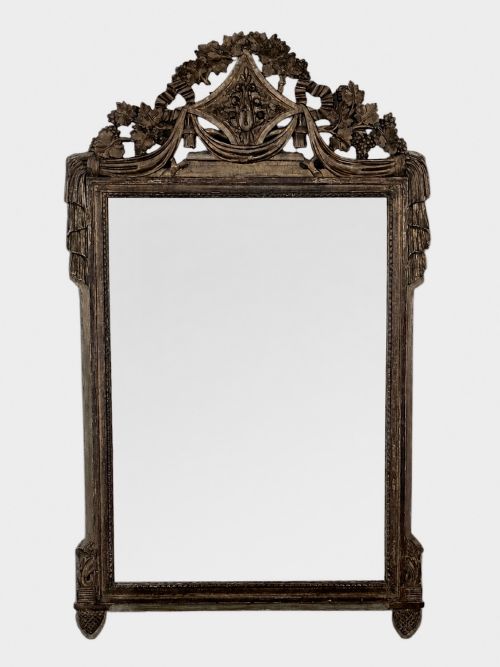
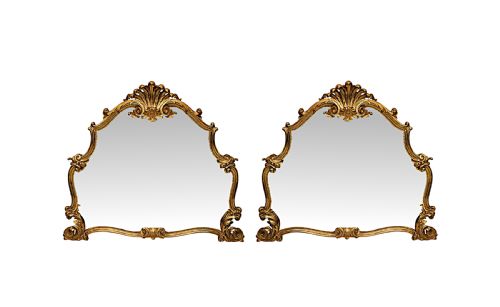
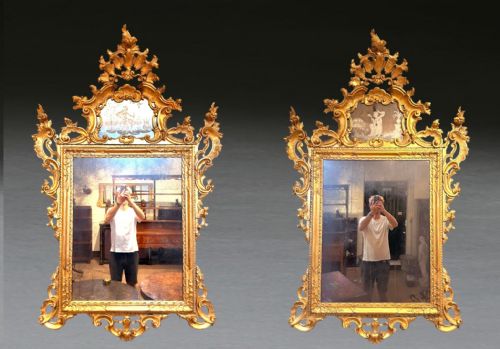
A gilded framed pier mirror is an architectural wall glass designed to occupy the narrow wall space between windows, reflecting daylight back into a room. These pieces appear frequently from nineteenth century, Regency, and Georgian periods, alongside French and Italian variations.
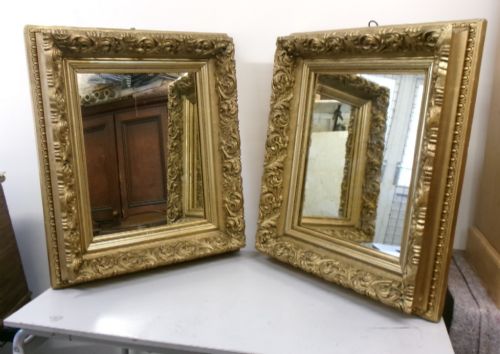
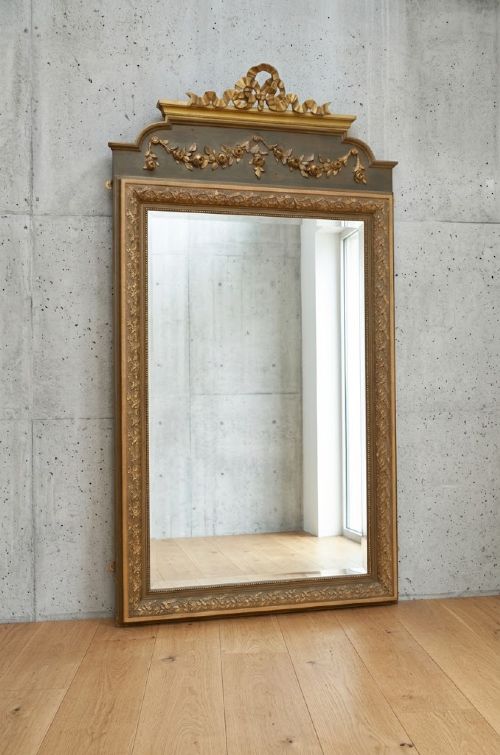
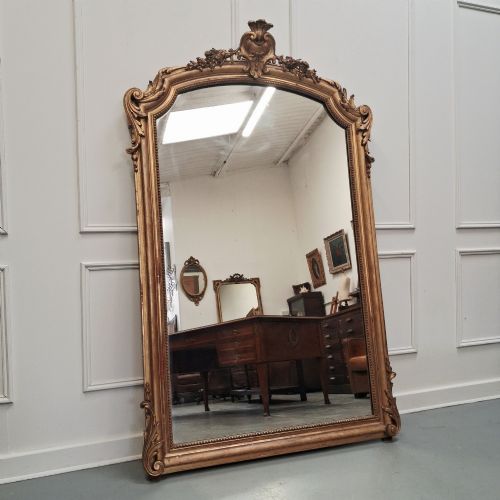
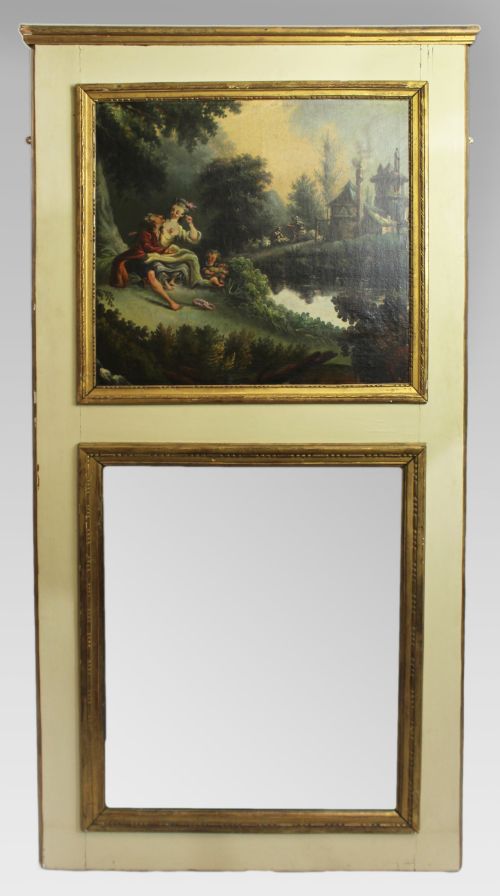
The selection ranges from tall trumeau mirrors incorporating oil paintings to arched leaner formats and carved rococo designs. Most examples found on this page date from the nineteenth century, utilising giltwood, gesso, and original mirror glass plates.
Makers and designers referenced in the broader tradition include figures like William Kent and John Belchier, whose eighteenth century design aesthetics influenced later revival pieces. Buyers encounter both English craftsmanship and continental French or Italian workshops.
What Varies in Quality
The crispness and depth of the hand-carved wood ornamentation distinguish finer pieces from standard production. Deep relief work and well-defined gesso moulding indicate skilled workshop execution rather than cast composition substitutes.
The condition and age of the mirror plate itself contribute to the overall character of the piece, with original mercury glass plates carrying distinct visual depth. Frame integrity, the preservation of the original gilding, and the retention of backboards also influence the standing of an example.
Some tall French trumeau mirrors conceal pastoral oil paintings above the glass, doubling as artwork for gloomy hallways.
William Kent·John Belchier
The Gilded Framed Pier Mirror Glossary
- Giltwood
- Wood that has been coated with gold leaf or metal leaf. This finish provides the characteristic metallic sheen seen on period frames.
- Gesso
- A plaster mixture applied to wood frames to create a smooth surface for carving and gilding. It allows intricate relief ornamentation to be modelled.
- Pier glass
- A large mirror designed to hang on the wall pier between windows. These mirrors maximise natural light within period interiors.
- Trumeau
- A decorative wall mirror that incorporates a painted panel or oil painting above the glass plate. These tall pieces originated in French interior design.
- Mercury glass
- A type of mirror glass produced using a silvering process involving mercury amalgam. It displays a characteristic mottled and soft reflection.
Gilded Framed Pier Mirror: Frequently Asked Questions
Where should a pier mirror be hung?
These mirrors were historically placed on the narrow wall space between two windows to reflect natural light deeper into the room. In modern settings, they function effectively above mantelpieces, in hallways, or as full-length leaner mirrors.
Hanging them securely requires fixings suited to the substantial weight of carved wood, gesso, and glass frames.
How do I identify a Regency period mirror?
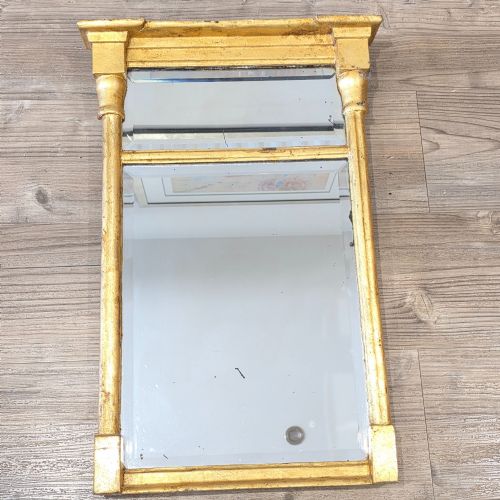
Regency pieces often incorporate classical architectural motifs such as columns, ball accents, and convex or rectilinear framing. They reflect the neoclassical tastes prevalent during the early nineteenth century.
Examination of the timber construction, backboards, and mounting hardware helps confirm the period of manufacture.
What is mercury glass?
Mercury glass refers to mirror plates silvered using a mercury and tin technique common before the mid-nineteenth century. This process produces a warm, uneven reflection with dark speckling.
The presence of original mercury glass often indicates an earlier mirror plate, even within a later assembled frame.
How should I clean a gilded frame?
Giltwood and gesso surfaces require careful maintenance using a soft dry brush to remove dust. Moisture and modern chemical cleaners can damage delicate gold leaf and historical finishes.
Gentle handling preserves the fragile gesso mouldings and the integrity of the original metallic leaf.