



Gilded Framed Needlework
These gilded framed needlework pieces bring centuries of stitchcraft, silk, and wool into your rooms within gilded wooden borders.
Gilded Framed Needlework
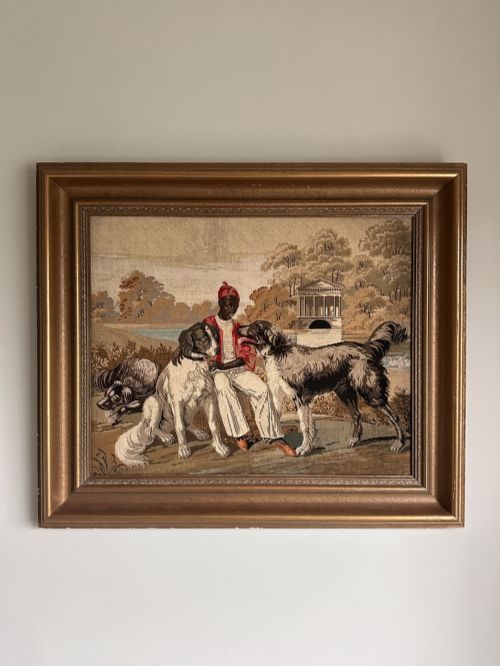
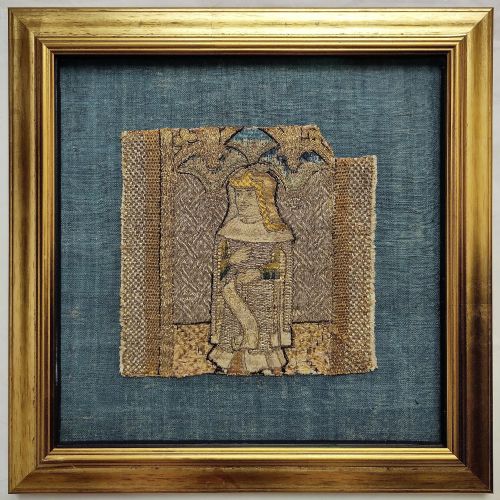
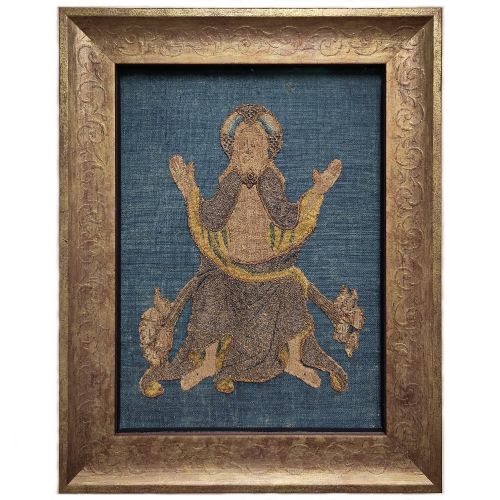
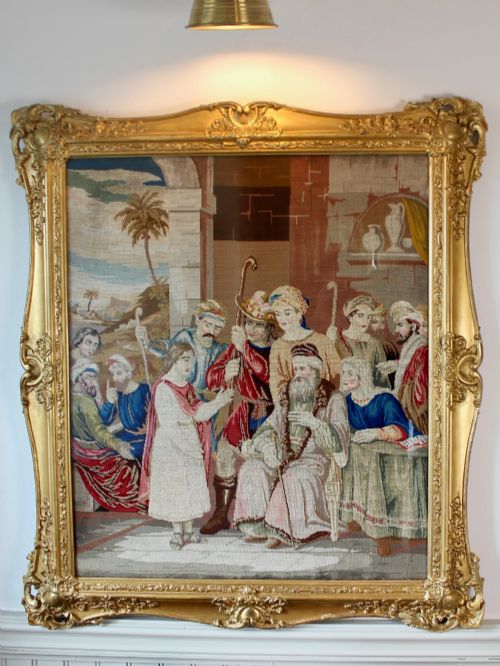
When you search for gilded framed needlework, you encounter textile wall art ranging from medieval ecclesiastical panels to Victorian woolwork pictures and Scottish samplers. These works span multiple centuries, appearing in forms such as framed tapestries, silk and metal thread embroidery, and oval woolwork pictures.
How they were made
Maker execution relies on textile foundations like linen, canvas, silk, and wool worked with thread, silk, and metal thread. Artisans stitched intricate pictorial scenes, samplers, and tapestries by hand, employing varied stitches to build texture and depth.
Framing utilised wood, gilt wood, and giltwood, occasionally incorporating verre églomisé glass panels to protect and enhance the textile within. Water gilded oval and rectangular frames finished the presentation, securing the panels for wall display.
Gilded Framed Needlework Retail Price Guide 2026
Typical asking prices for gilded framed needlework among the pieces listed under this phrase on Sellingantiques today, from the lower quarter to the upper quarter. They describe what is for sale here now, not the wider market.
Materials recorded across the inventory include silk, wool, canvas, linen, giltwood, and verre églomisé glass.
What varies in quality
Execution separates standard domestic samplers from masterworks such as opus anglicanum panels or finely detailed 18th-century Dutch silkwork. The crispness of the needlework, the complexity of the silk and metal threads, and the preservation of the textile fibres dictate the upper tier.
Frame craftsmanship matches the textile, moving from simple wooden mouldings to water gilded frames and verre églomisé glass surrounds. Original matching frames that complement the exact period of the needlework elevate the overall integrity of the piece.
The Gilded Framed Needlework Glossary
- Berlin woolwork
- A type of counted-thread embroidery popular in the 19th century, stitched in brightly coloured wool on canvas from printed pattern grids.
- Opus anglicanum
- Fine English medieval embroidery, historically executed in silk and gold thread for ecclesiastical vestments and panels.
- Verre églomisé
- A process of applying gold or silver leaf to glass and engraving a design through the metal before sealing it, often used for decorative borders on picture frames.
- Giltwood
- Wood carved and coated with gold leaf or a gold-coloured finish, standard for picture frames across the 18th and 19th centuries.
- Sampler
- A piece of needlework produced by a beginner or child to demonstrate mastery of various stitches and alphabets.
Gilded Framed Needlework: Frequently Asked Questions
What periods do these pieces span?
The inventory covers items ranging from pre-16th century ecclesiastical work through 18th-century Dutch pieces and Regency examples up to late Victorian samplers and woolwork.
Most items you encounter date from the 19th century and the Victorian era, offering a clear view of domestic needlework traditions.
How were these textiles displayed?
These textiles functioned primarily as wall art, mounted inside frames to protect the delicate silk, wool, and metal threads from handling and dust.
Frames incorporate gilt wood, water gilded surfaces, and protective glass, including specialised verre églomisé surrounds on oval pieces.
What materials are used in the stitching?
The primary textile components consist of silk, wool, canvas, and linen, often combined with metallic thread for highlights and rich visual texture.
Support structures rely on wooden panel frames finished in giltwood or gold leaf to frame the stitched imagery.
How do I care for framed needlework?
Keep textile art away from direct sunlight to prevent the fading of silk and wool threads, and maintain stable indoor humidity levels.
Avoid hanging pieces in damp environments to protect both the historic fabric and the gilded wooden frames.