




Gilded Frame Portrait Miniature
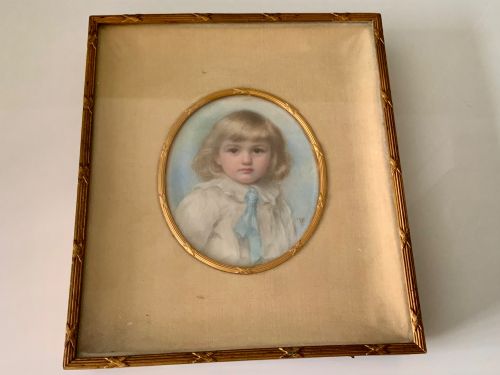
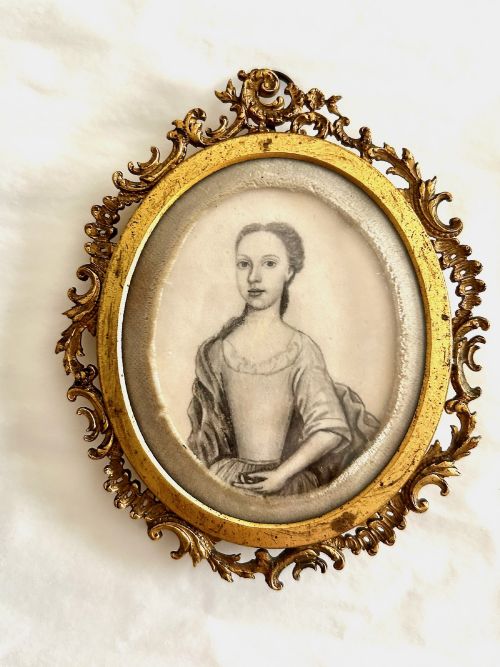
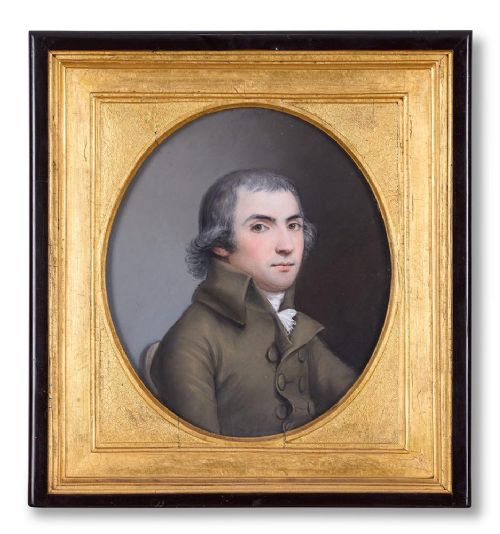
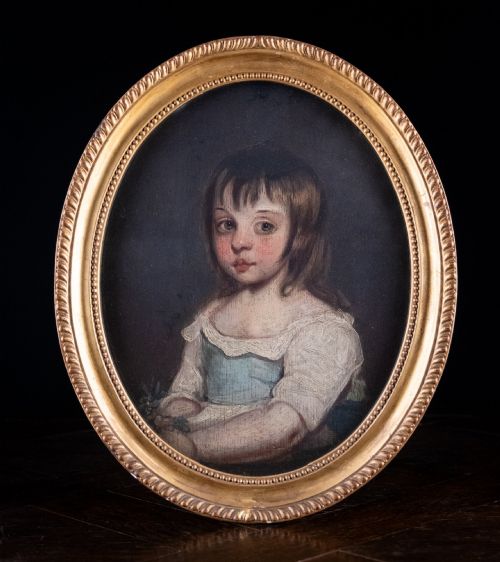
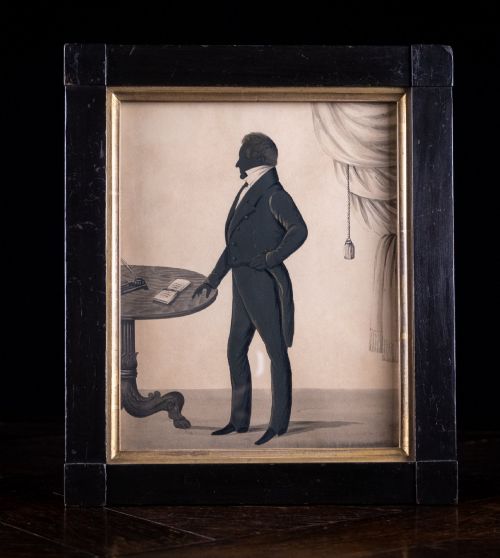
A gilded frame portrait miniature is a small painted or silhouetted likeness housed within decorative metal or gilded wood.
Gilded Frame Portrait Miniature
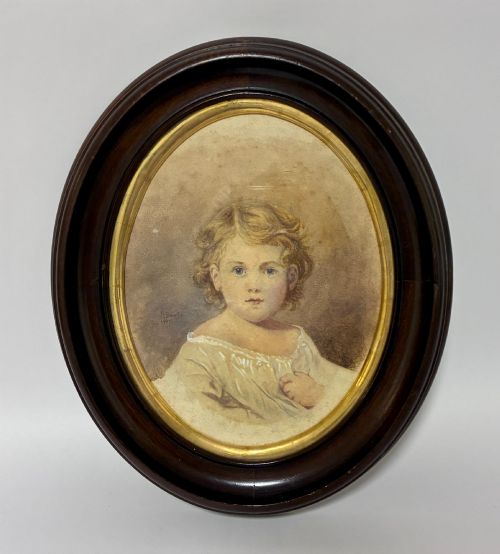
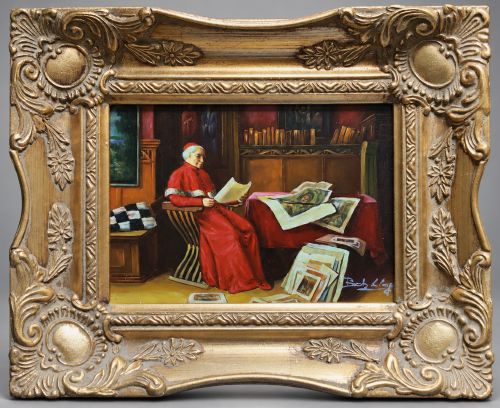
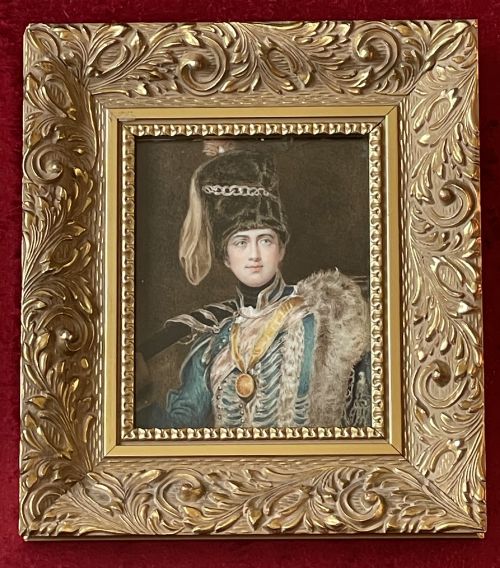
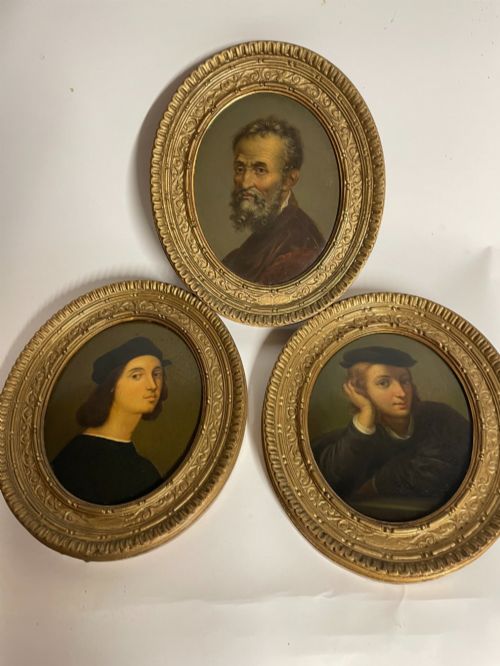
A gilded frame portrait miniature captures the likeness of an individual on a small scale, designed to be held in the hand or hung on a wall. When you search for a gilded frame portrait miniature, you encounter works spanning the eighteenth, nineteenth, and early twentieth centuries. These pieces originate from British, European, American, and Indian schools, reflecting diverse cultural traditions.
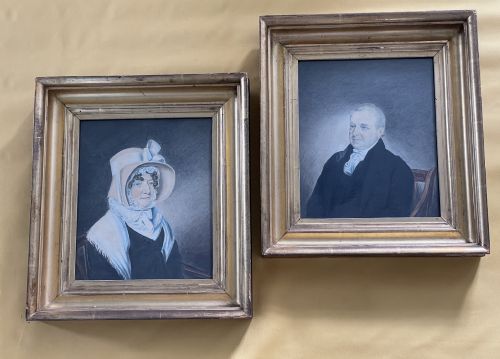
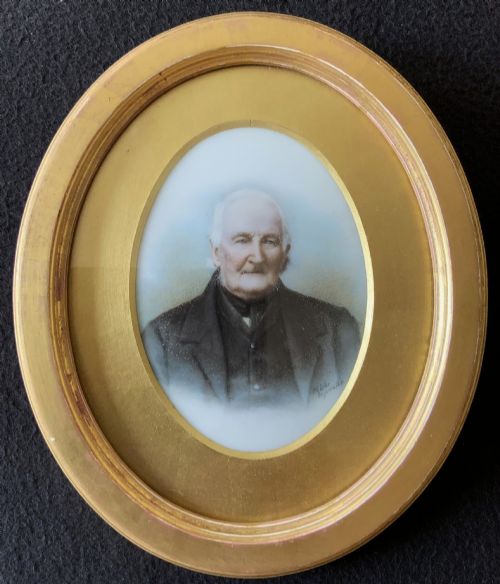
The most common examples you meet on this page are nineteenth-century silhouettes and watercolour paintings housed in giltwood, brass, or rosewood surrounds. You also find porcelain plaques, pastel works, and oil paintings depicting gentlemen, ladies, children, and historical figures. Many items survive in pairs, offering companion pieces of related sitters.
Materials and Techniques
Miniaturists worked with fine brushes to achieve remarkable detail on small surfaces, mounting their finished paintings securely within protective glass and tight frames. Makers shaped wood and metal into circular, oval, and rectangular profiles, applying surface gilding to enhance the visual impact of the artwork.
Gilded Frame Portrait Miniature Retail Price Guide 2026
Typical asking prices for gilded frame portrait miniature among the pieces listed under this phrase on Sellingantiques today, from the lower quarter to the upper quarter. They describe what is for sale here now, not the wider market.
A travelling musician captured in paint shares space here with an emperor and a gentleman named Josiah Chaloner.
Quality and Execution
Framing materials and original mounts also influence the overall standard of the object. High-grade items retain their original glass, backing, and contemporary gilded frames without extensive modern intervention. The preservation of signed inscriptions, artist attributions, and period provenance adds significant weight to the piece.
George Atkinson·Albin R Burt·William Egley·J Deacon·Susie Lassam·George Hargreaves·John Miers·Ozias Humphry·Nathaniel Bermingham
The Gilded Frame Portrait Miniature Glossary
- Silhouette
- A portrait profile filled in with a solid dark colour, often highlighted with gold leaf on paper. These were popular during the Georgian and Regency periods.
- Giltwood
- Wood that has been coated with a thin layer of gold leaf or gold paint. This technique provides a bright decorative finish to picture frames.
- Miniature painting
- A detailed artwork executed on a very small scale, requiring fine brushes and steady hands. These works often depict individual family members or public figures.
- Companion pair
- Two matching artworks created by the same hand, depicting related subjects intended to hang together. They frequently show a husband and wife or family friends.
Gilded Frame Portrait Miniature: Frequently Asked Questions
How were these miniature portraits displayed?
Owners typically hung these small artworks closely together on drawing room walls or kept them protected on tables. Their compact size allowed collectors to group many likenesses in a single space.
Some pieces were designed for personal transport, while others relied on wall hooks attached to their wooden or brass surrounds.
What subjects appear in these portraits?
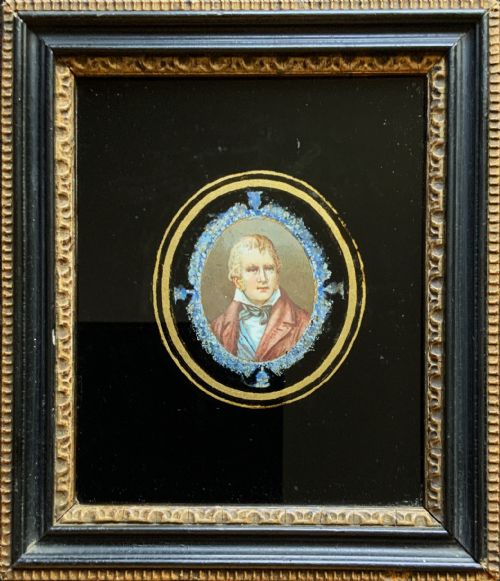
The sitters include local gentlemen, ladies, children, family friends, and historical figures such as Mughal emperors. Artists also recorded travelling musicians and characters from everyday life.
Many portraits preserve the identities of ordinary citizens, while others depict notable historical personages and literary figures.
How do I identify the period of a piece?
Clothing styles, hairstyles, and framing materials offer the clearest clues to the date of execution. Regency and Georgian items often feature distinct costume cuts and specific silhouette techniques.
Signatures, written inscriptions on the reverse, and artist attributions further help historians narrow down the exact decade of creation.
Are these portraits usually signed by the artist?
Many works remain anonymous, but skilled practitioners frequently signed their paintings or silhouettes on the front or reverse. Archival records sometimes link unsigned pieces to known practitioners through stylistic comparison.
Signatures often appear discretely near the edge of the painted surface or hidden beneath the frame backing.