
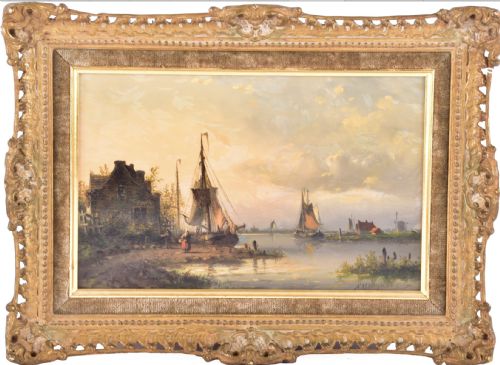
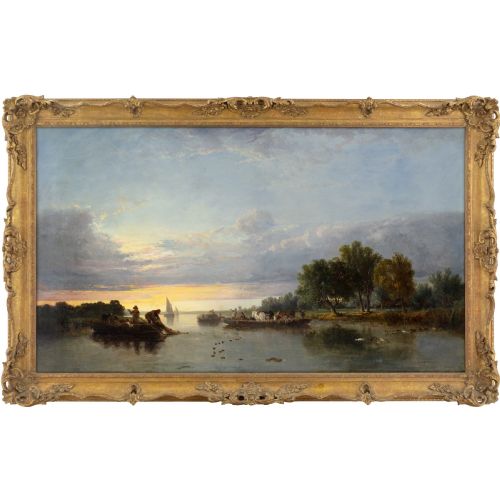
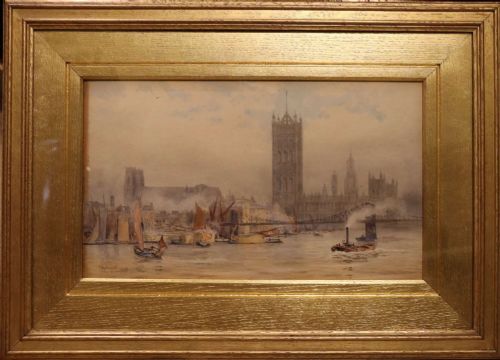
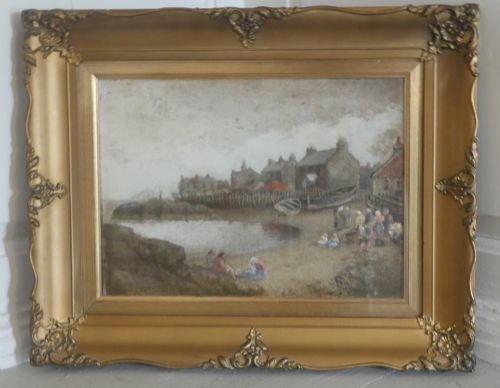


Gilded Frame Maritime Painting
A gilded frame maritime painting brings the movement of coastal waters and sailing vessels indoors, framed in bright gold leaf.
Gilded Frame Maritime Painting
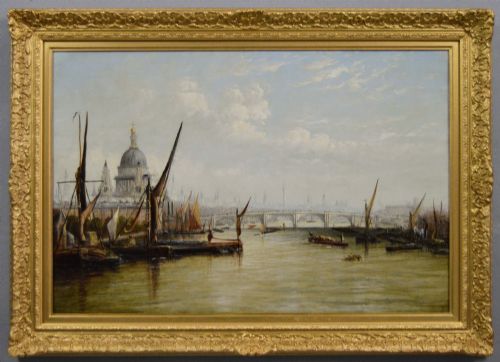
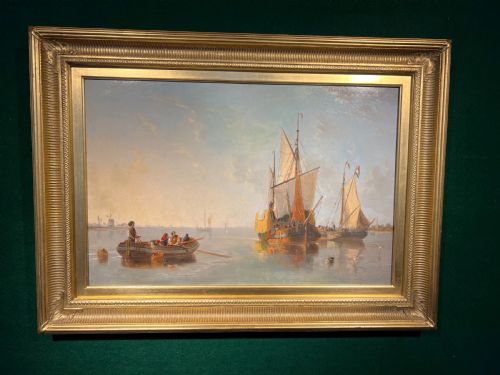
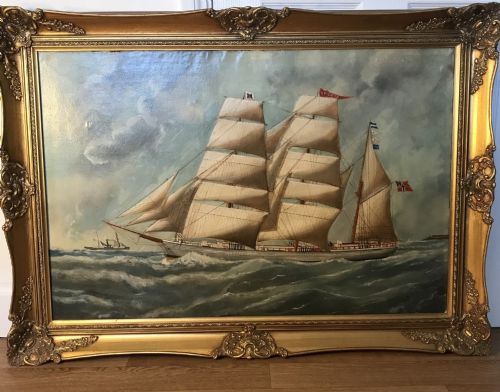
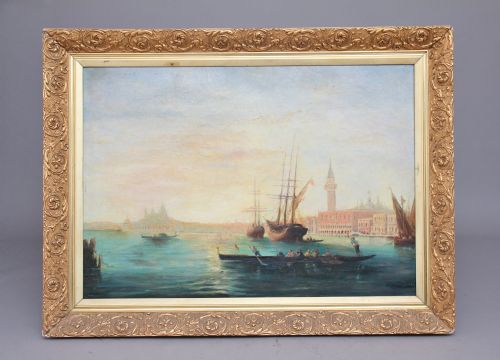
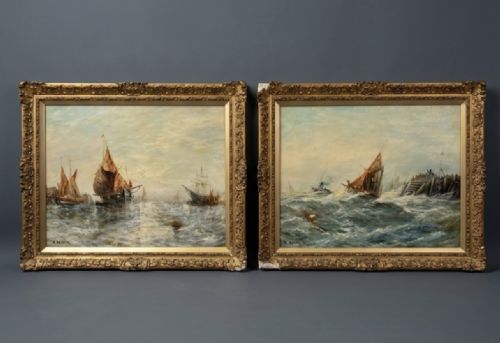
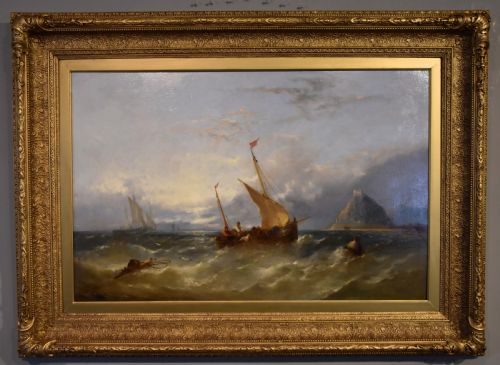
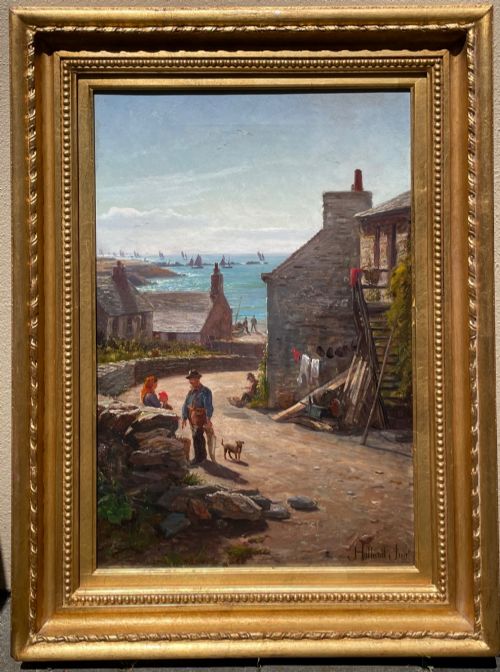
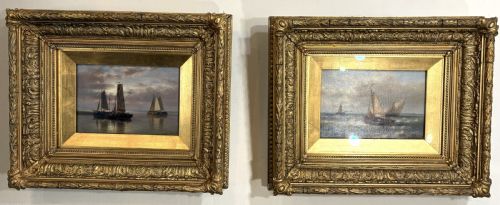
A gilded frame maritime painting captures coastal views, harbour scenes, and open sea voyages rendered in oil paint. These works frequently depict sailing ships, fishing boats, and coastal towns under varying atmospheric conditions.
Buyers encountering this selection will find pieces predominantly originating from the nineteenth century and the Victorian era, alongside early twentieth-century examples. The physical surrounds include gilded wood, gesso, and standard wood framing matching the period of the canvas.
Materials and construction
The underlying support relies primarily on canvas or board prepared for oil paint application, while watercolour appears in select works. Pigments are layered to create light effects across water and sky, capturing coastal atmosphere.
Surrounding surrounds consist of carved or moulded wood finished with gesso and gold leafing. These gilded frames provide a reflective boundary that complements the marine subject matter within.
The selection spans the nineteenth century through the early twentieth century, including Victorian marine art.
Markers of distinction
Quality rests upon the artist's handling of maritime light, water movement, and structural accuracy of the vessels depicted. Stronger examples demonstrate confident brushwork and precise compositional balance.
The craftsmanship of the accompanying frame contributes significantly to the piece. Hand-carved gesso work and well-preserved gilding distinguish superior mountings from plain or later replacements.
John Wilson Carmichael·Abraham Hulk I·James Webb·Thomas Bush Hardy·Gustave de Breanski
The Gilded Frame Maritime Painting Glossary
- Giltwood
- Wood carved and coated with gold leaf or a gold-coloured metallic finish. This material creates a bright border that enhances the tones of the painting.
- Gesso
- A plaster-like mixture applied to wood frames before gilding. It provides a smooth base for carving intricate decorative details.
- Marine painting
- Artwork focusing primarily on the sea, ships, and coastal views. These depictions range from calm harbour scenes to dramatic shipwrecks.
- Oil on canvas
- Pigment mixed with drying oil applied to a stretched cloth support. This technique allows for rich colour blending and texture.
Gilded Frame Maritime Painting: Frequently Asked Questions
How should I hang a gilded frame maritime painting?
Select a wall with stable humidity away from direct sunlight to protect both the canvas and the delicate gold leaf on the frame. Ensure the hanging hardware is securely fixed to support the combined weight of the painting and its heavy wooden mount.
Position the work at eye level where adequate room lighting can catch the metallic sheen of the frame without creating harsh glares on the painted surface.
What subjects appear in these maritime works?
The compositions range from tranquil Venetian lagoons and Dutch coastal waters to dramatic scenes of vessels navigating heavy seas. Harbour views, fishing boats off the coast, and specific sailing ships also feature prominently.
Many pieces document actual locations and historical vessels, offering a record of nineteenth-century maritime activity and coastal architecture.
How do I clean a gilded frame?
Remove dust gently using a soft, dry artist brush or a clean microfiber cloth. Avoid applying moisture or chemical cleaning agents, as these can strip the gold leaf or damage the underlying gesso.
For more stubborn grime, consult a professional conservator to prevent accidental loss of the original gilt finish.
How can I date a maritime painting?
Examine the style of the vessel rigging, the clothing of any figures depicted, and the construction methods of the stretcher bars and frame. Nineteenth-century works often display distinct academic realism or early impressionist influences.
Signatures, dates inscribed on the canvas or reverse, and artist records provide further confirmation of the period.