



Tall Ship Canvas Art
Tall ship canvas art brings the drama of historical maritime life into a room, offering striking depictions of sailing vessels on painted surfaces.
Tall Ship Canvas Art
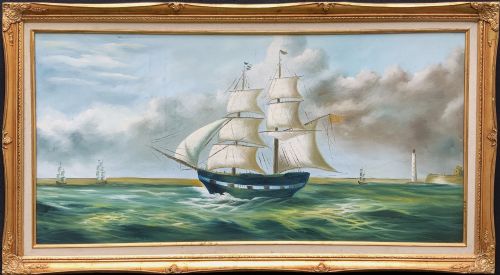
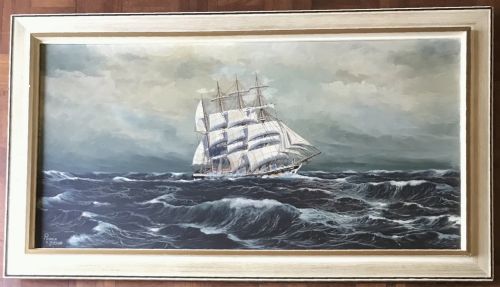
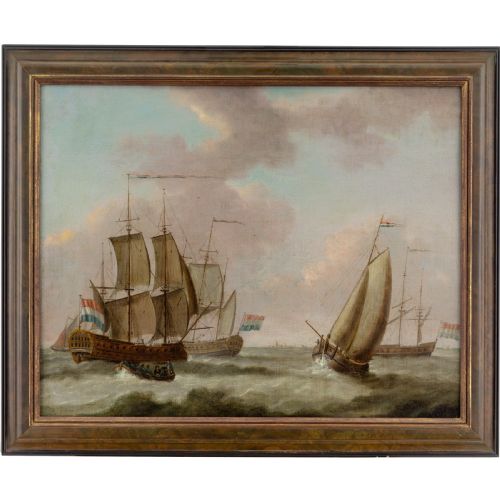
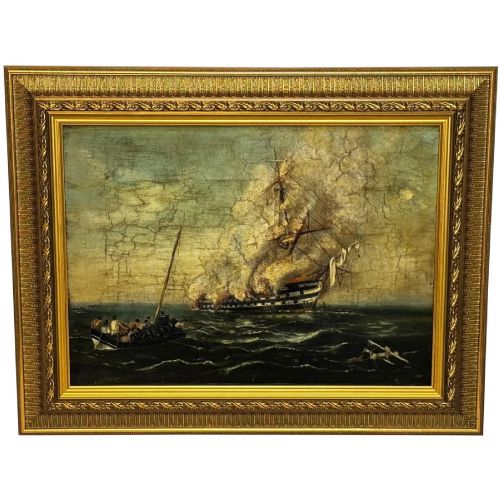
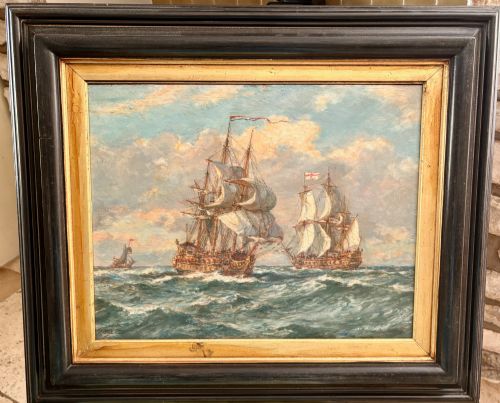
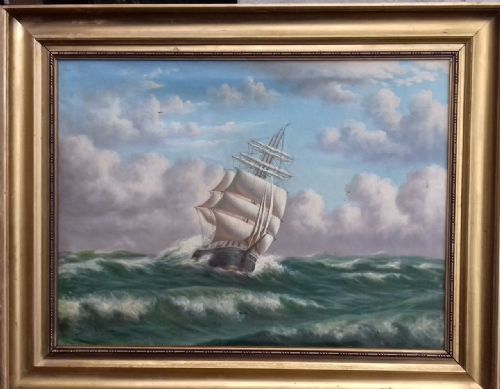
When you search for tall ship canvas art, you encounter oil paintings on canvas depicting sailing vessels, maritime scenes, and sea battles from various historical periods. The selections span from the early nineteenth century through the Edwardian era and mid-twentieth century.
Most pieces on this page represent maritime realism and traditional marine art, capturing specific vessels like the Cutty Sark or HMS Swift. Harbour scenes and coastal views with shipping complete the common subjects found in these listings.
Origins stretch across the nineteenth century, Regency, and Victorian periods, alongside Edwardian works and mid-century marine pieces. Buyers frequently encounter detailed ship portraits and stormy seascapes rendered in oils.
Materials and construction
These works utilise oil paint applied to canvas surfaces, capturing the texture of water, sky, and wooden ship hulls. The combination of oil on canvas allows for depth in depicting stormy seas and atmospheric coastal light.
Frames often incorporate wood, gesso, and gold leaf or gilding, with specific pieces noting giltwood surrounds. These traditional framing materials complement the period character of the canvas paintings.
Tall Ship Canvas Art Retail Price Guide 2026
Typical asking prices for tall ship canvas art among the pieces listed under this phrase on Sellingantiques today, from the lower quarter to the upper quarter. They describe what is for sale here now, not the wider market.
The inventory spans the Regency period, Victorian era, Edwardian years, and mid-century marine realism.
Assessing quality in maritime paintings
Quality separates through the precision of the ship portraiture, the handling of maritime atmospheric conditions like storms or calm harbours, and the articulation of rigging and hull details. Master painters capture the exact rigging of four-masted barques or West Indiamen with technical accuracy.
The condition of the canvas and the preservation of the original oil paint layer influence the integrity of the piece. Frames featuring original gilding or gesso work add historical completeness to the artwork.
Bernard Gribble·Dion Pears·John Callow·Joseph Heard·V Dybdal·George Stainton
The Tall Ship Canvas Art Glossary
- Canvas
- A heavy woven fabric used as a surface for oil painting. It provides the primary support for the pigment in these maritime works.
- Giltwood
- Wood carved and covered with gold leaf or a gold-coloured metallic finish. It frequently surrounds these nineteenth-century oil paintings.
- Marine Realism
- An artistic style focused on accurate depiction of ships, oceans, and maritime operations. This approach defines many traditional ship portraits.
- Oil Paint
- A slow-drying paint made with pigments suspended in oil. It allows artists to blend colours smoothly for dramatic seascapes.
Tall Ship Canvas Art: Frequently Asked Questions
What periods do these paintings come from?
The pieces span from the early 1800s and Regency era through the Victorian period, Edwardian times, and into the mid-twentieth century.
This broad timeline encompasses traditional maritime art and later mid-century marine realism.
How should I hang a large maritime oil painting?
Large marine paintings require sturdy wall anchors to support the weight of the canvas and heavy wood or giltwood frames. Hang them away from direct sunlight to protect the oil paint and canvas.
Ensure proper clearance from heat sources to prevent cracking in the gesso and gilding.
What is a ship portrait?
A ship portrait is a specialised painting that records the precise appearance of a specific vessel, such as a four-masted barque or a named warship. Artists rendered these with strict attention to rigging, hull design, and maritime flags.
Captains, shipowners, and maritime enthusiasts commissioned these works to document particular vessels.
How do I care for antique canvas art?
Keep the canvas in stable room temperatures with moderate humidity to prevent the fabric and oil paint from warping or cracking. Dust the surface gently with a soft, dry brush without applying pressure.
Avoid chemical cleaners and consult a professional conservator for cleaning the oil paint layer.