
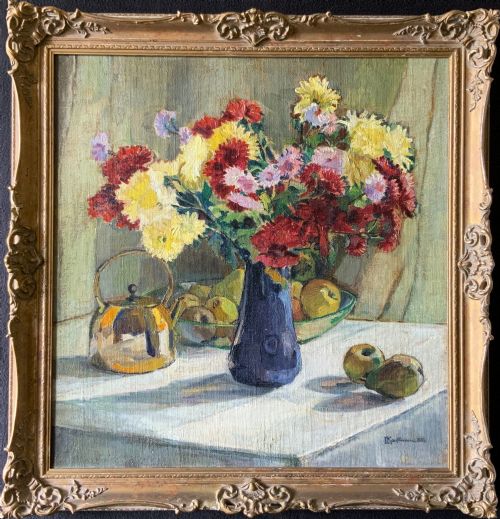

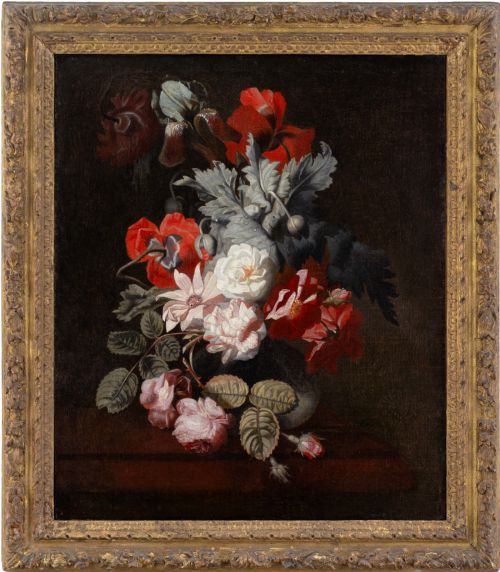

Gilded Frame Flower Art
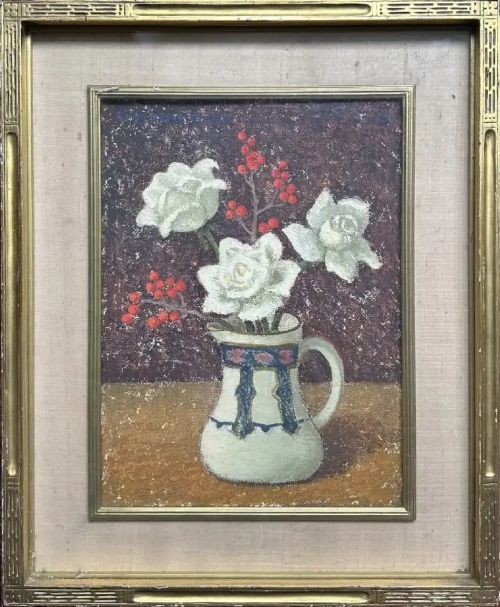
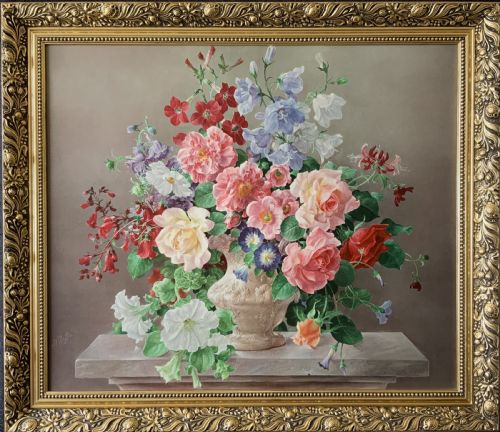
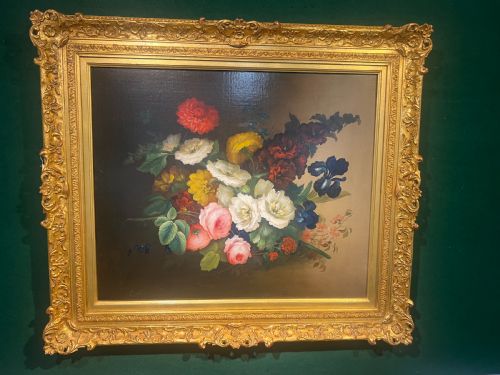
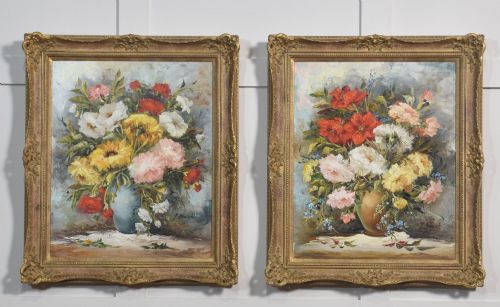
These gilded frame flower art pieces bring together botanical studies and rich period surrounds to anchor a room.
Gilded Frame Flower Art
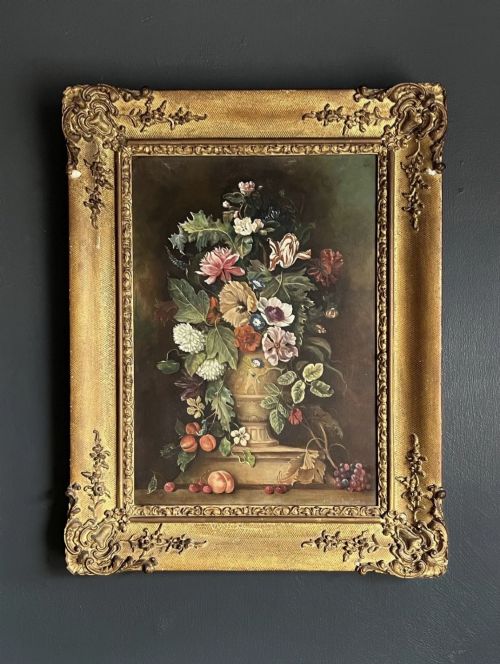
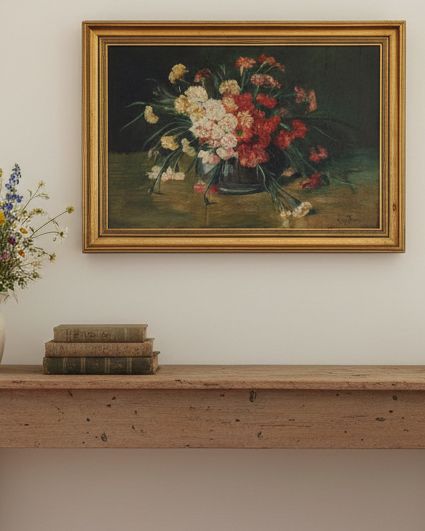
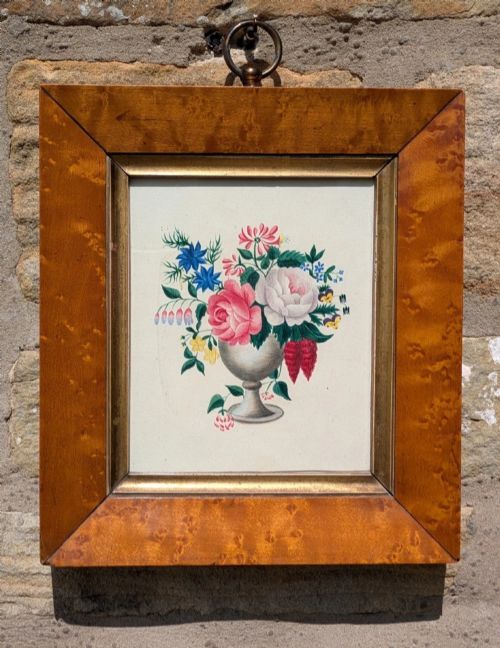
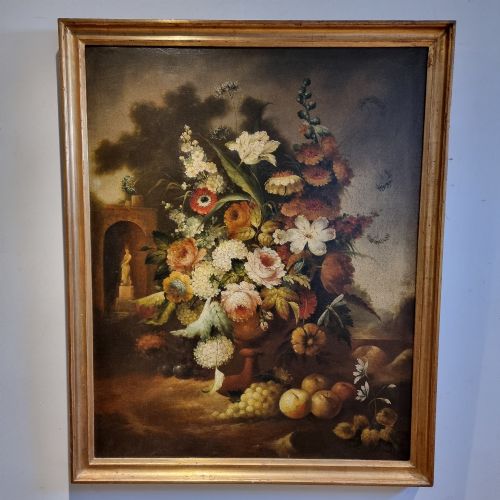
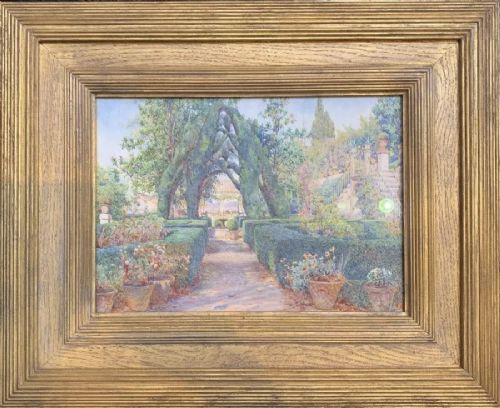
Gilded frame flower art encompasses oil paintings, watercolours and gouache works focused on botanical subjects, still lifes and garden scenes. These pieces span from the nineteenth century through the mid twentieth century, drawing on Victorian, Edwardian and modernist traditions.
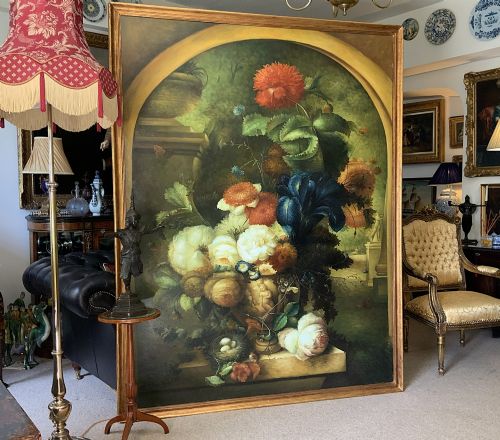
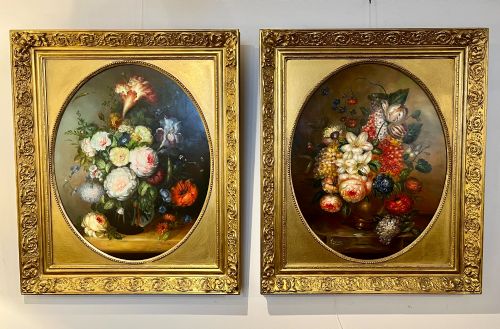
The selections here frequently showcase Dutch floral still life revivals alongside British Impressionist and traditional depictions of roses, carnations and garden borders. Buyers encounter individual canvases, balanced pairs and framed works on paper housed in period surrounds.
The framing serves as an integral component, with many works presented in ornate gilt gesso, carved wood and gold leaf mouldings. These assemblies connect historic botanical illustration with decorative interior display.
How they were made
Artists painted primarily with oil on canvas or oil on board, alongside watercolour and gouache on paper, applying pigments to capture the tonal shifts of petals and foliage. The physical support often reflects the period, ranging from traditional stretched canvas to sturdy board.
The frames utilise wood as a base, shaped and finished with layers of gesso before the application of gold leaf or gilt surface treatments. Relief ornamentation and corner mouldings give these surrounds their characteristic weight and texture.
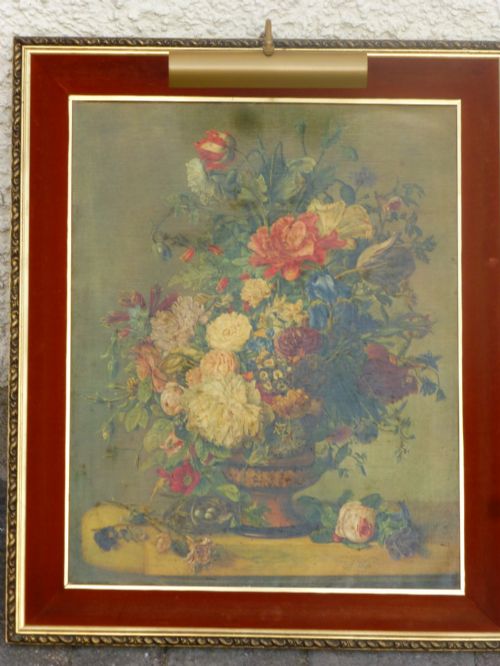
Several floral canvases arrive accompanied by unexpected residents, including a cheeky bird's nest and wandering garden cherubs.
What varies in quality
The distinction between tiers rests upon the handled execution of the brushwork and the depth of the botanical rendering. Stronger examples display considered control of light, shadow and colour harmonies within the floral arrangement.
Frame construction also dictates the overall standard, with hand carved gesso detailing and original gold leaf gilding marking out higher grade pieces. The harmony between the artwork and its specific gilt surround completes the visual balance.
Ernest Arthur Rowe·Emma Fordyce MacRae·Owen Bowen·Maud Frances Eyston Sumner·Oliver Clare
The Gilded Frame Flower Art Glossary
- Gesso
- A plaster mixture applied to wood frames as a smooth base for gilding. It allows craftsmen to carve crisp decorative motifs before applying gold leaf.
- Gilt
- A thin layer of gold applied to the surface of wood or gesso frames. This finish provides a warm, reflective border that enhances the artwork within.
- Oleograph
- A mechanical colour print produced on canvas to imitate an oil painting. These textured reproductions gained popularity for decorative home display.
- Still life
- An artwork depicting inanimate subject matter, typically focusing on cut flowers, fruit and vases. This genre allows artists to explore light and composition in a controlled setting.
- Gouache
- An opaque watercolour paint mixed with a binding agent to produce a flat, matte finish. It provides artists with strong pigmentation for botanical details.
Gilded Frame Flower Art: Frequently Asked Questions
What periods do these pieces date from?
The selection spans from the nineteenth century into the mid twentieth century, incorporating Victorian, Edwardian and modernist movements.
Works reflect the shifting aesthetic preferences of these eras, from strict botanical recording to looser impressionist interpretations.
Are the frames original to the artworks?
Many pieces retain their period or contemporary gilt surrounds, which were chosen to complement the tones of the painting.
Craftsmen matched the ornate gesso and wood mouldings to the visual weight of the floral subject matter.
How should I care for a gilt frame?
Keep the wood and gesso surfaces away from direct sunlight and damp environments to protect the fragile gold leaf finish.
Dust gently with a dry, soft cloth without applying liquid cleaning solutions or abrasive materials.
What is the difference between an oil painting and an oleograph?
An oil painting consists of hand applied pigments on canvas or board by an artist. An oleograph is a later mechanical print made to simulate the texture of an original painting.
Close inspection of the surface reveals the raised brush marks of paint compared to the dot pattern of print technology.