

Gilded Figure Sculptures
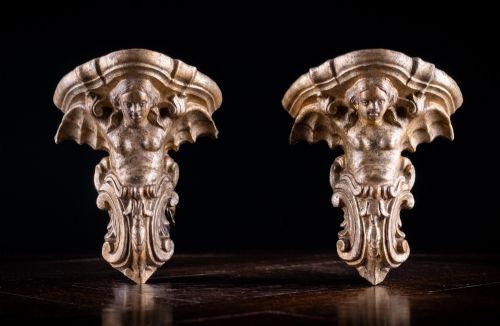
Gilded figure sculptures are modelled representations of human and divine forms enriched with gold leaf or metal, prized for their decorative presence and material weight.
Gilded Figure Sculptures
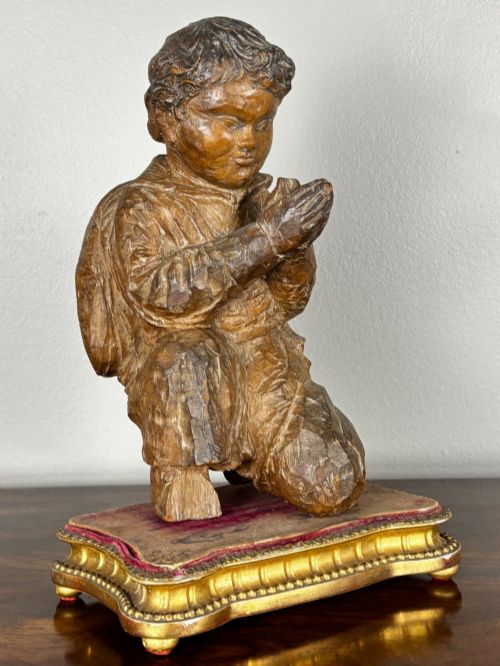
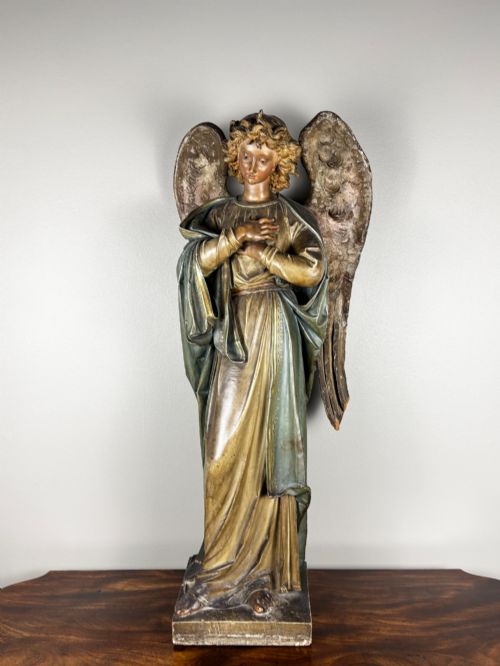
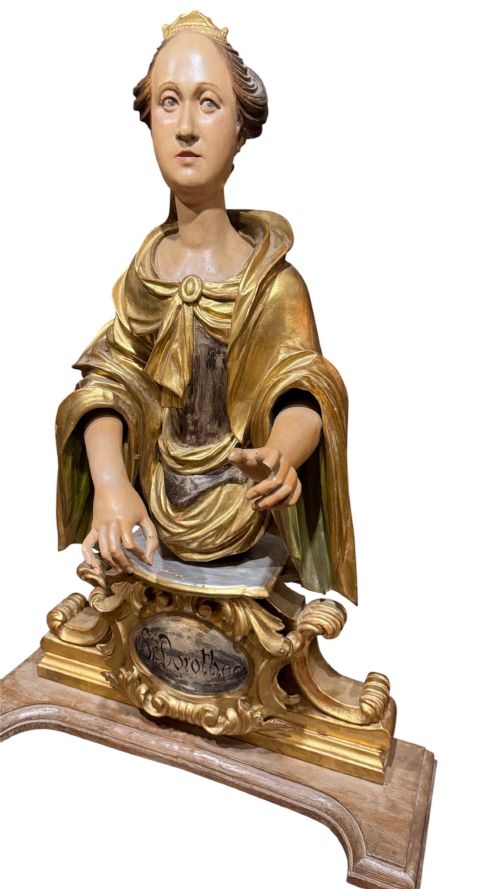
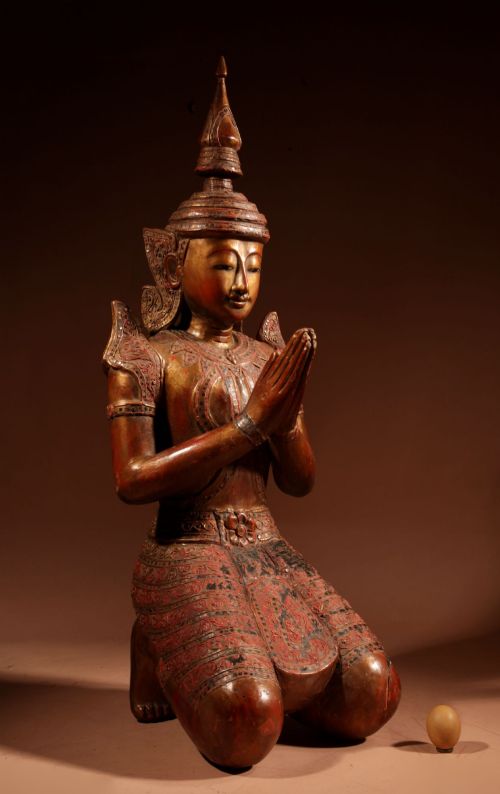
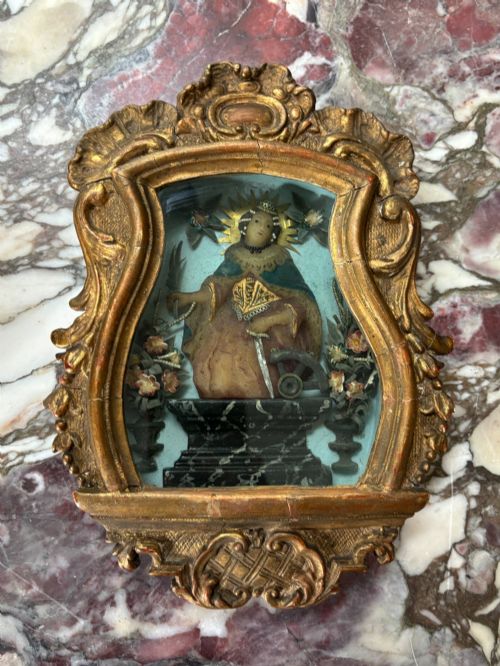
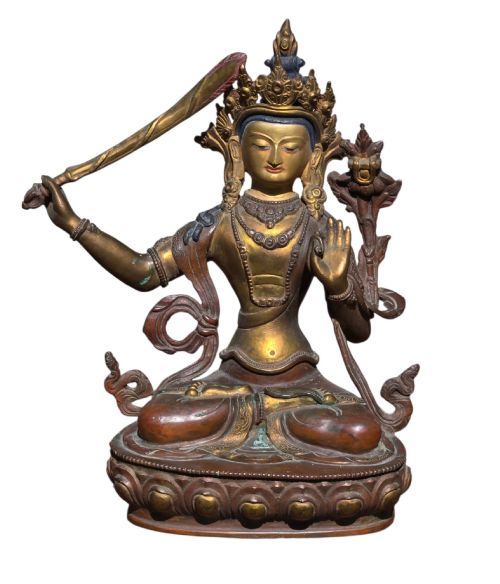
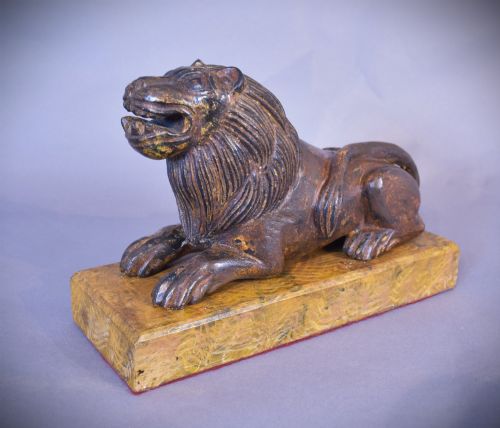
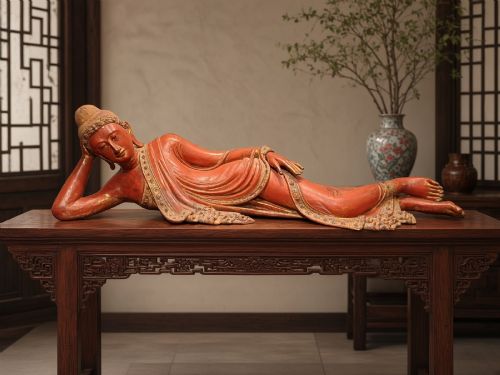
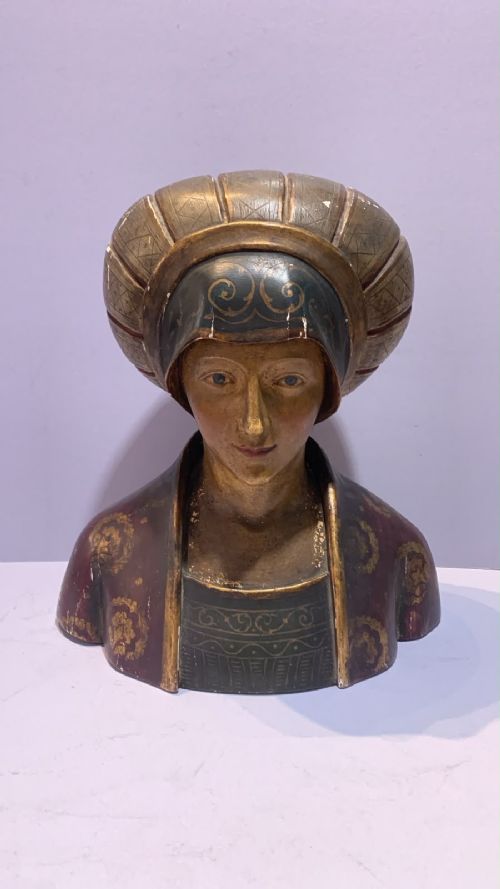
Gilded figure sculptures encompass three-dimensional representations spanning diverse cultures, eras and religious traditions. When exploring gilded figure sculptures, buyers encounter European devotional icons, Asian deities and classical portrait busts.
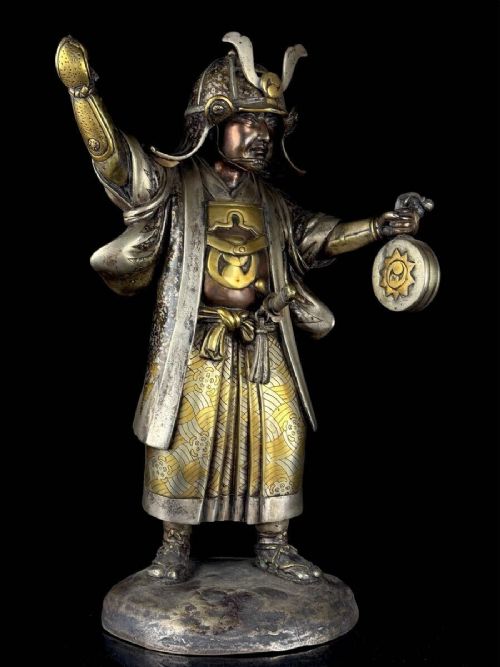
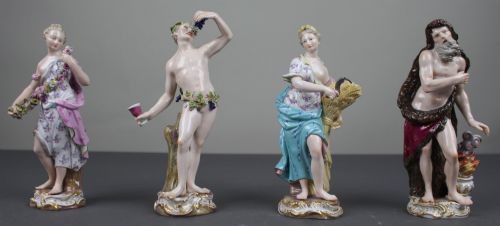
Continental European woodcarvings and Asian cast bronzes dominate the selection. These pieces reflect distinct regional aesthetics, from Baroque angels to Meissen porcelain groups and Japanese Satsuma okimono.
How They Were Made
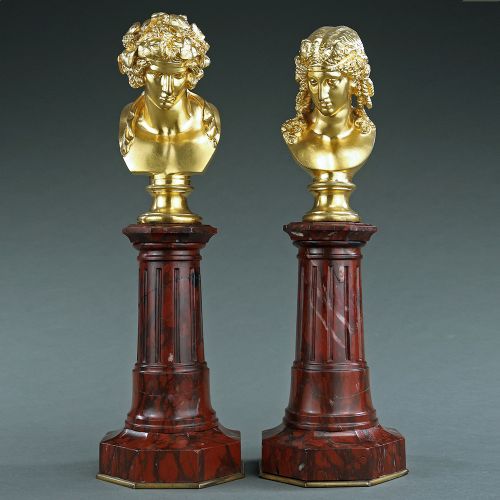
Metal sculptures utilise bronze, white metal and fire-gilding techniques. Artisans cast these objects using methods that capture fine detail in hair, drapery and facial expressions.
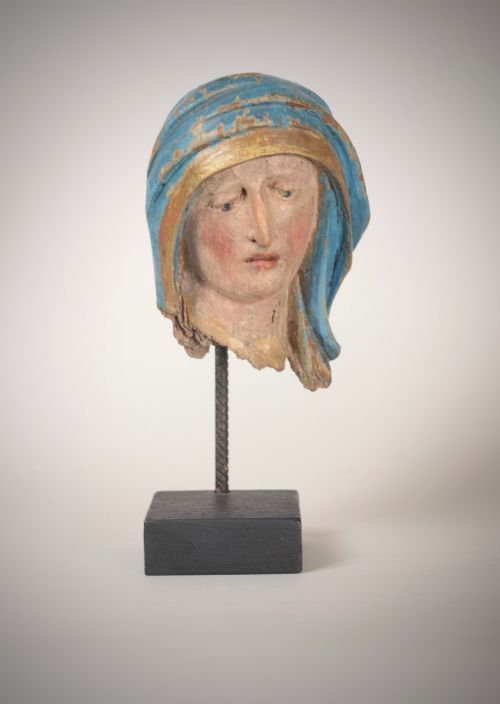
Wooden figures rely on carved lime wood, teak or gesso foundations. Craftsmen then apply gold leaf, enamel or polychrome paint directly onto the prepared wooden surface.
Ceramic pieces involve porcelain and blush ivory bodies. Factories such as Meissen, Royal Worcester, Bow and Derby shape, glaze and paint these figures before applying any surface gilding.
Gilded Figure Sculptures Retail Price Guide 2026
Typical asking prices for gilded figure sculptures among the pieces listed under this phrase on Sellingantiques today, from the lower quarter to the upper quarter. They describe what is for sale here now, not the wider market.
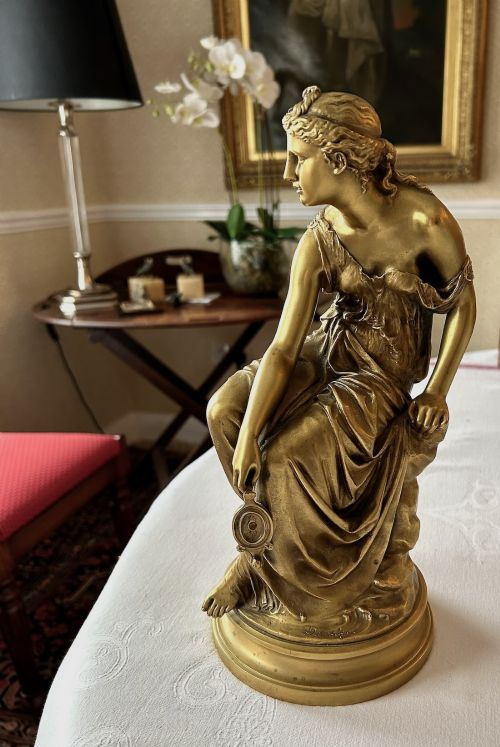
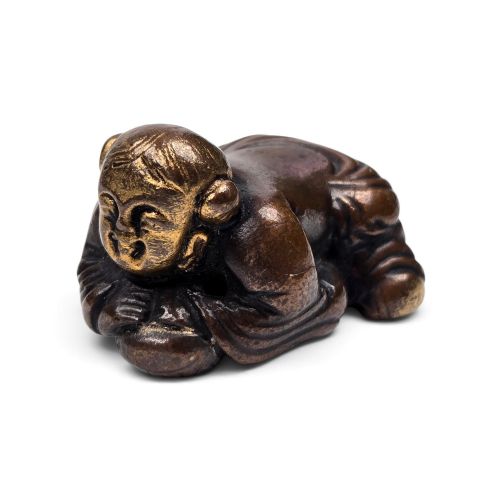
Several pieces depict scholarly pursuits, including a reclining boy paperweight and figures carrying water containers.
What Varies in Quality
Surface application determines the richness of the finish. High-grade gilding retains its original lustre and adheres evenly to the underlying wood, bronze or ceramic substrate.
Fidelity to period style and signature execution elevate individual works. Recognised modellers and established factories produce pieces with balanced proportions and convincing anatomical structure.
Etienne-Henri Dumaige·Affortunato Gory·James Hadley·Demetre Chiparus
The Gilded Figure Sculptures Glossary
- Gesso
- A plaster-like mixture applied to wood surfaces as a preparation for gilding. It provides a smooth base for gold leaf application.
- Fire-gilding
- A historical technique using a mercury and gold amalgam applied to bronze and heated until the mercury evaporates. This leaves a permanent, bonded gold layer.
- Okimono
- A Japanese ornamental figurine designed for display on a shelf or in a tokonoma alcove. These carvings depict deities, historical figures or everyday subjects.
- Polychrome
- The practice of decorating architectural elements, wood carvings or ceramics in a variety of colours. This technique enhances realism on devotional and decorative figures.
- Corpus Christi
- The body of Jesus depicted on a crucifix. These carved figures focus attention on the physical form of the subject.
Gilded Figure Sculptures: Frequently Asked Questions
What materials make up these sculptures?
The pieces utilise cast bronze, carved lime wood, porcelain and gesso. Artisans then enrich these varied substrates using gold leaf, enamel and polychrome pigments.
Different periods and regions favour specific combinations, such as fire-gilded bronze in European workshops or lacquer and paint on Asian carved wood.
How do I care for a gilded sculpture?
Keep the pieces away from direct sunlight and excessive moisture to protect delicate gold leaf and painted surfaces. Dust them gently with a soft, dry brush.
Avoid liquid cleaners and abrasive cloths, as these can easily damage the thin metallic layer or historical pigments underneath.
How do I identify the period of a piece?
Examine the material construction, tool marks and stylistic conventions. Eighteenth-century works often show hand-carved wood grain or early porcelain bodies, while nineteenth-century pieces may reflect Grand Tour tastes or Meissen factory marks.
Stylistic cues such as art deco silhouettes or Victorian orientalism also help anchor an object to its decade of manufacture.
Where were these figures originally displayed?
Many European wood and wax figures served devotional purposes in churches or domestic shrines. Bronze busts and porcelain groups typically decorated scholar desks, drawing rooms and cabinet displays in wealthy homes.
Asian figures often held religious significance in temples or functioned as auspicious household guardians and scholarly talismans.