





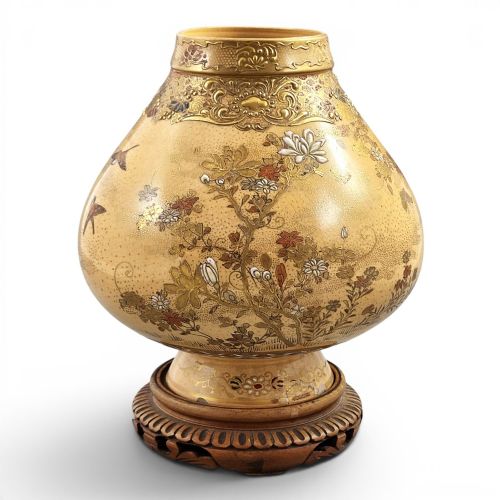

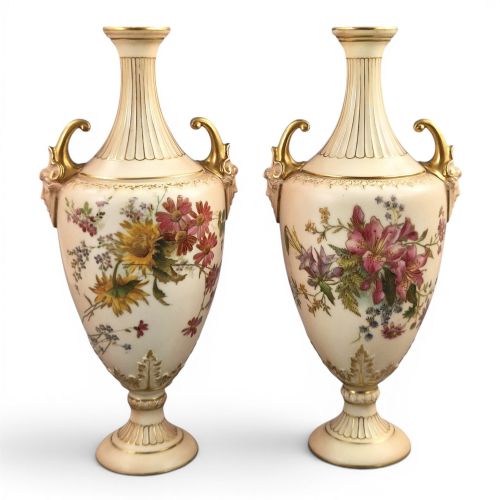

Gilded Cream Porcelain Urn
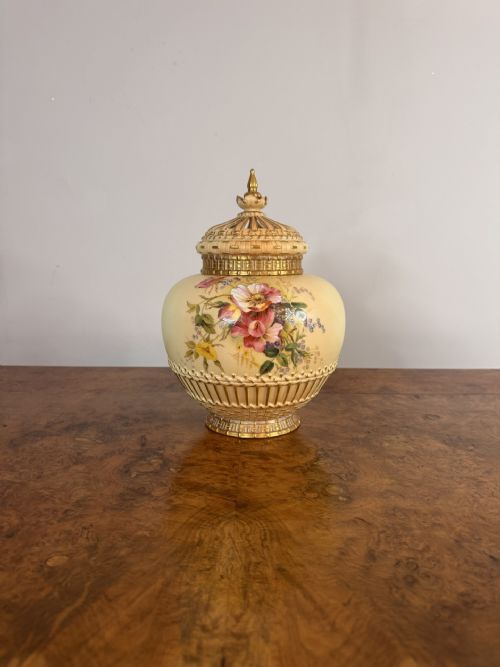
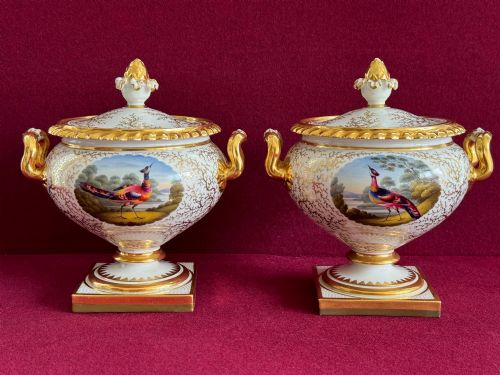
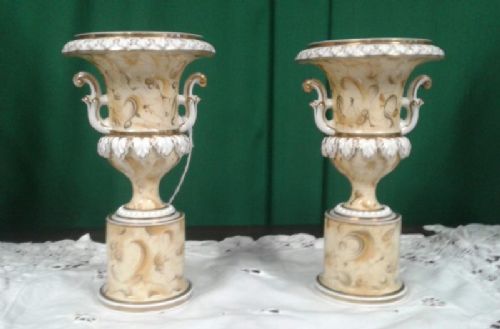
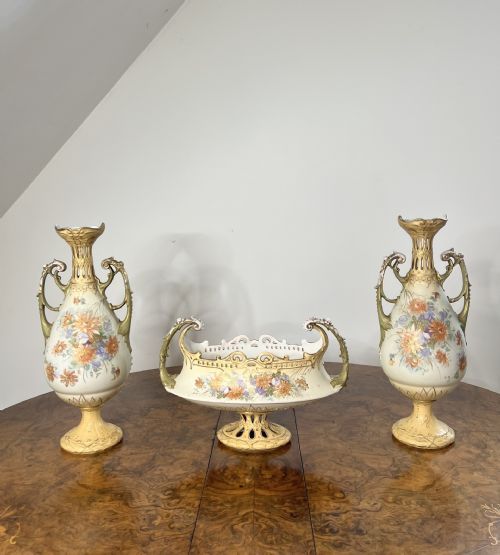
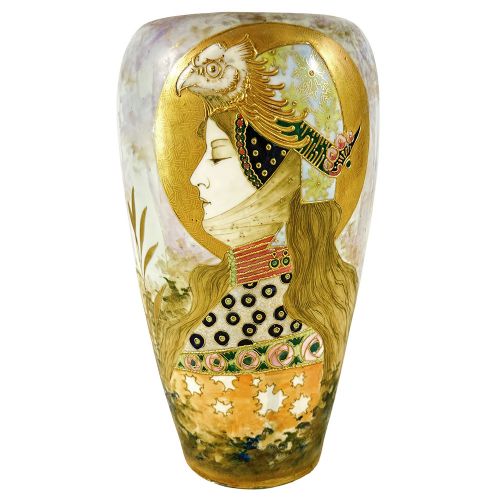
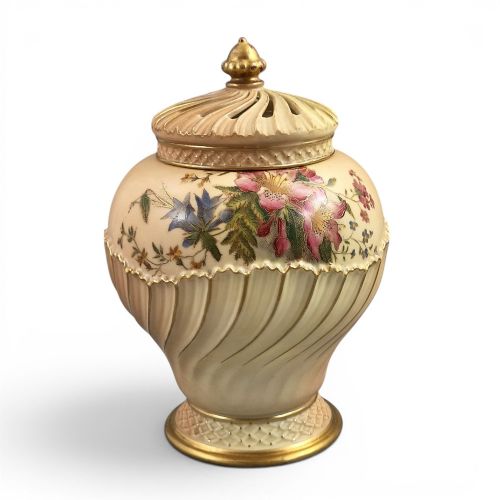
These items of gilded cream porcelain urn style are prized for their opulent painted scenes and metallic lustre, bringing nineteenth-century cabinet elegance to any mantelpiece.
Gilded Cream Porcelain Urn
A gilded cream porcelain urn brings together decorative vessels and lidded jars spanning the nineteenth century into the Edwardian era. These forms encompass European manufactories alongside Japanese Satsuma workshops influenced by Meiji period aesthetics.
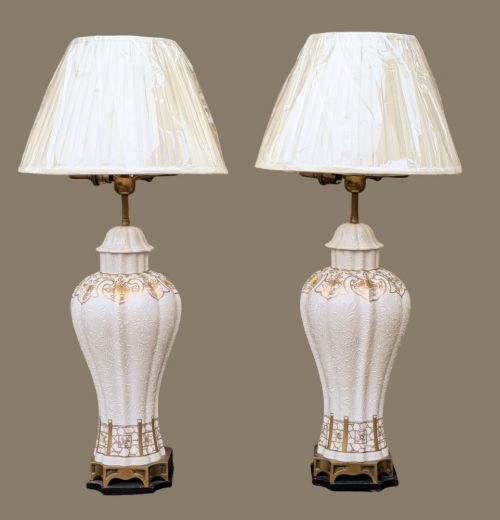
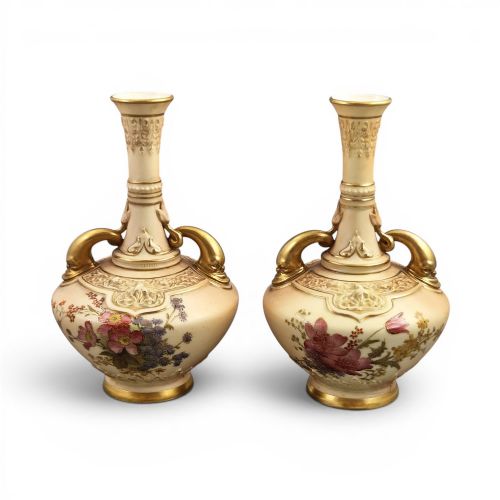
Buyers will frequently encounter table lamps, garniture sets, and campana vases bearing ivory grounds and metallic highlights. Such pieces blend classical European shapes with intricate oriental landscapes and floral motifs.
The selection ranges from miniature cabinet pieces to monumental floor-standing jars created across the Victorian and Edwardian periods. Each form serves primarily as a decorative focal point rather than a utilitarian container.
How they were made
Potters shaped fine ceramic and earthenware bodies before applying delicate enamel pigments and rich gold leaf details. Artisans frequently employed hand-painting techniques to build up layered floral scenes and figural panels.
Gilding was meticulously applied by hand around handles, rims, and borders to accentuate the pale cream porcelain body. Firing processes ensured the metallic leaf and enamel colours fused permanently with the glazed ceramic surface.
Gilded Cream Porcelain Urn Retail Price Guide 2026
Typical asking prices for gilded cream porcelain urn among the pieces listed under this phrase on Sellingantiques today, from the lower quarter to the upper quarter. They describe what is for sale here now, not the wider market.
Some miniature vessels are so small they sit comfortably in the palm of a hand yet contain entire samurai armies.
What varies in quality
The sophistication of the hand-painted detailing and the precision of the gilding set superior examples apart from standard productions. Master artists achieved remarkable depth in landscape scenes and portrait panels through controlled brushwork.
The weight and balance of the porcelain body, alongside the crispness of moulded handles and decorative mounts, indicate the original maker's skill. Well-preserved gilding without rubbing demonstrates careful ownership and higher initial manufacture standards.
Royal Vienna·Royal Worcester·Nicholas Kannhauser·Manpei·Kinkōzan·Tunnicliffe·Chosei·Shuzan·Seiko-en Chokei·Yamashu·Tagawa·Hododa·Tashiro·Hattori·Hayakawa·Ernst Wahliss·Doulton Lambeth·Hadley's Worcester·Wedgwood·Thomas Allen
The Gilded Cream Porcelain Urn Glossary
- Campana
- A bell-shaped vessel with an everted rim and a footed base, frequently utilised for classical decorative urns.
- Garniture
- A set of three or more matching vases or jars designed to be displayed together on a mantelpiece.
- Blush ivory
- A tinted cream ceramic ground developed by Royal Worcester to mimic the warmth of human skin, often highlighted with gold.
- Shimazu mon
- The heraldic crest of the Satsuma clan featuring a cross within a circle, commonly found on Japanese export ceramics.
- Enamel
- Opaque glass-like paint fused to the porcelain surface during firing to create vibrant, permanent polychrome designs.
Gilded Cream Porcelain Urn: Frequently Asked Questions
What is a gilded cream porcelain urn?
These decorative vessels combine pale ceramic bodies with metallic gold leaf highlights and hand-painted artistry. They emerged from various European and Japanese kilns during the nineteenth and early twentieth centuries.
Such items were created primarily for interior display within formal drawing rooms and parlours. Today, collectors value them for their intricate craftsmanship and historical design styles.
Where were these pieces made?
Production centres span traditional European ceramic houses in Britain and Austria alongside specialised Japanese pottery workshops. Kyoto and Satsuma province proved particularly prolific for fine earthenware and porcelain export wares.
Each region brought distinct cultural motifs to the form, combining classical European shapes with elaborate oriental landscape paintings.
How should I display them at home?
These decorative jars and vases suit prominent positions on mantelpieces, sideboards, or within secure glass cabinets. Their metallic leaf details catch natural light effectively when placed near windows.
Care should be taken to keep them away from direct sunlight and busy household traffic to protect the delicate enamel surfaces.
How do I identify the period?
Makers' marks stamped or painted on the base offer the most reliable guide to a piece's origin and date. Stylistic clues such as Aesthetic Movement borders or Meiji period signatures also help narrow down the decade.
Comparing pattern numbers and artist signatures against known factory records confirms the exact era of manufacture.