


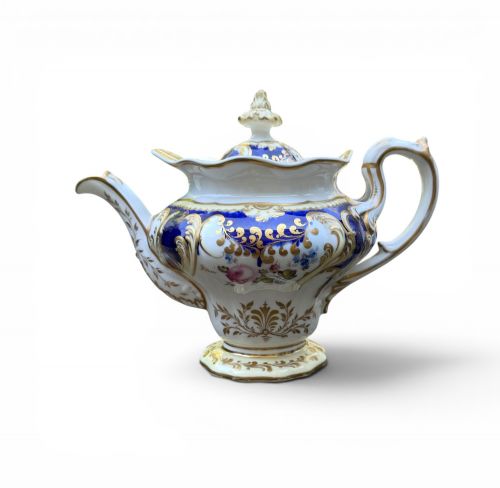
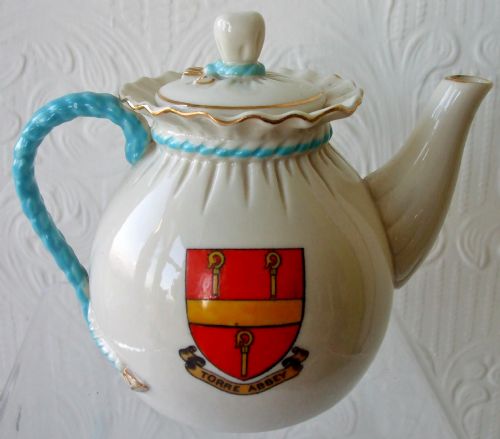


Gilded Ceramic Tea Pot
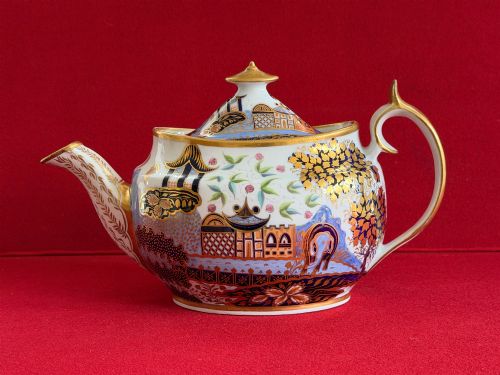
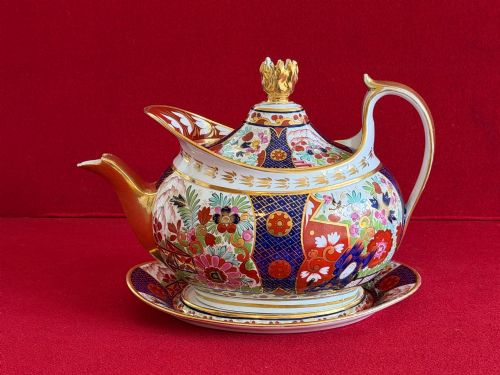
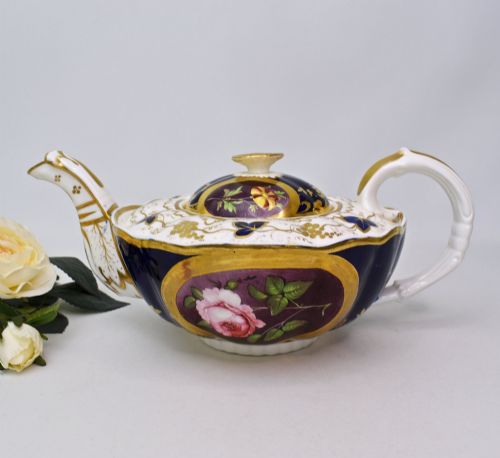
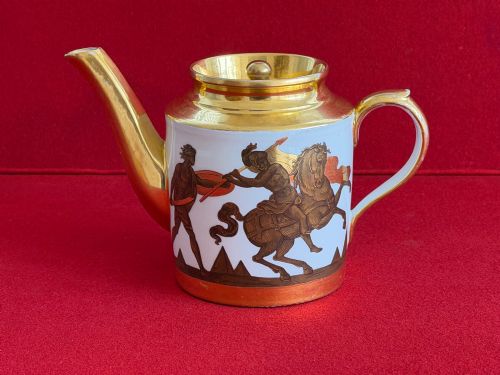
These gilded ceramic tea pots bring handpainted porcelain and gold leaf to the table, offering a glimpse into Georgian, Regency, and later British and European tea service design.
Gilded Ceramic Tea Pot
A gilded ceramic tea pot is a functional and decorative vessel designed for serving tea, featuring metallic surface enrichment alongside painted ceramics. When searching for a gilded ceramic tea pot, buyers encounter wares ranging from late eighteenth-century Worcester porcelain to nineteenth-century English and French productions.
The selections on this page span several eras including the Georgian, Regency, Victorian, and Edwardian periods. Alongside individual teapots, the listings include associated sugar bowls, sucriers, and larger tea and coffee sets.
Makers and factories represented in the evidence include New Hall, Barr, Flight and Barr, Samuel Alcock, John Rose Coalport, Spode, W.H. Goss, Flight Period Worcester, and Limoges producers such as Ahrenfeldt and Asalvary. Forms vary from traditional oval shapes and half-orange designs to rococo revival contours and specialised bagware.
Materials and Techniques
These pieces are constructed from ceramic bodies including standard porcelain, soft-paste porcelain, felspar porcelain, and bone china. Potters shaped these materials into teapots, sucriers, and coffee services using period-appropriate moulding and throwing methods.
Decoration relies on enamel painting combined with gold leaf, gilding, and applied gilt highlights. Artisans painted intricate patterns, such as the Japan pattern, floral motifs, and cobalt blue grounds, before applying precious metal accents by hand.
Gilded Ceramic Tea Pot Retail Price Guide 2026
Typical asking prices for gilded ceramic tea pot among the pieces listed under this phrase on Sellingantiques today, from the lower quarter to the upper quarter. They describe what is for sale here now, not the wider market.
Assessing Quality
Quality in these ceramics is visible in the crispness of the porcelain body and the precision of the handpainted enamel work. Superior examples display carefully applied gold leaf and refined form-making that reflect the standards of leading period factories.
The integration of the gilded details with the underlying ceramic glaze distinguishes finer wares. Variations in the execution of decorative borders and painted motifs indicate the skill level of the decorator and the standing of the manufactory.
New Hall Porcelain·Barr Flight and Barr·Samuel Alcock·John Rose Coalport·Spode·W.H. Goss·Ahrenfeldt and Asalvary
The Gilded Ceramic Tea Pot Glossary
- Soft-paste porcelain
- An early ceramic composition fired at lower temperatures than hard paste, known for a warm glaze and slightly softer body. It was widely used in eighteenth-century English manufactories.
- Felspar porcelain
- A refined ceramic body introduced in the nineteenth century containing feldspar, which improved durability and whiteness. Spode utilised this material for various tablewares.
- Sucrier
- A dedicated covered pot or bowl designed to hold sugar for tea service, often matching the teapot in pattern and material. These pieces frequently accompany ceramic tea sets.
- Gilding
- The application of gold or gold leaf to the ceramic surface to create decorative borders, handles, and highlights. It is a defining feature across Georgian and Victorian tea wares.
- Japan pattern
- A decorative style inspired by Imari wares, featuring iron red, cobalt blue, and abundant gilding. Worcester and other factories adopted this aesthetic during the Regency era.
Gilded Ceramic Tea Pot: Frequently Asked Questions
Are these teapots safe to use for daily tea?
While these are historical ceramic objects with delicate enamels and gold leaf, many owners prefer to display them rather than risk wear from modern use.
Handwashing is essential for any antique ceramic to protect the fragile gilded surfaces and handpainted details.
How do I identify a Regency period teapot?
Regency teapots often exhibit neoclassical shapes, bright enamel palettes, and rich gilding that reflect the taste of the early nineteenth century.
Examining the paste type and any factory marks on the base helps narrow down the production era.
How should I display a gilded ceramic tea pot?
Keep gilded ceramics in a stable environment away from direct sunlight to preserve the enamel colours and metallic leaf.
Ensure shelves are secure and free from heavy vibrations since historical porcelain bodies are vulnerable to impact.