



Gilded Ceramic Table Lamp
These gilded ceramic table lamps bring distinct form and warm light to a room, drawing on centuries of porcelain and earthenware craftsmanship.
Gilded Ceramic Table Lamp
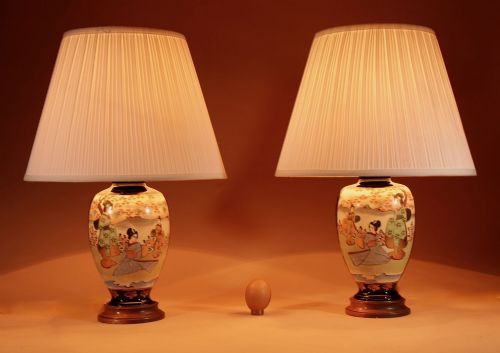
A gilded ceramic table lamp bridges the gap between historical decorative ceramics and functional interior lighting, serving as a striking focal point on a sideboard or side table. When exploring a gilded ceramic table lamp, collectors encounter a rich variety of nineteenth-century and early twentieth-century origins, including Japanese Satsuma and Kutani wares alongside European porcelain.
The selection ranges from robust earthenware bodies to refined porcelain vases mounted for electrical illumination. Many examples originate as earlier vases converted into lamps, retaining their original hand-painted motifs and gilded highlights.
Buyers frequently find pairs of lamps, particularly in Chinese and Japanese styles, which offer symmetrical balance for mantelpieces or larger living spaces. The integration of gilt details with blue and white glazes or polychrome enamels defines the visual appeal of these objects.
Materials and construction
The foundation of these pieces rests on ceramic bodies such as porcelain and earthenware, shaped and fired before receiving intricate hand-painted decoration. Artisans applied enamel pigments in vibrant palettes, often incorporating rich gilding to accent the surface designs.
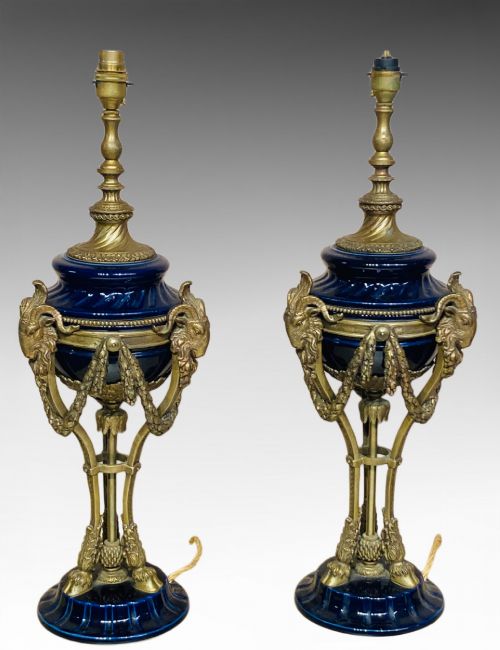
Many ceramic vessels were subsequently paired with metal mounts in brass, ormolu, or gilt spelter to support electrical components. Fabric elements like silk are frequently integrated through modern or period shades completing the assembly.
Several ginger jars had previous lives guarding spices before settling down to illuminate evening reading.
Assessing quality
Quality rests heavily on the fineness of the hand-painted details and the preservation of the original gilding across the ceramic surface. Superior pieces display crisp brushwork and harmonious colour application that remain intact without excessive rubbing.
The integration of metal mounts also dictates standard; cast ormolu and solid brass fittings demonstrate a higher degree of craftsmanship than simpler secondary hardware. The proportional balance between the ceramic body and the overall lamp structure determines the visual success of the conversion.
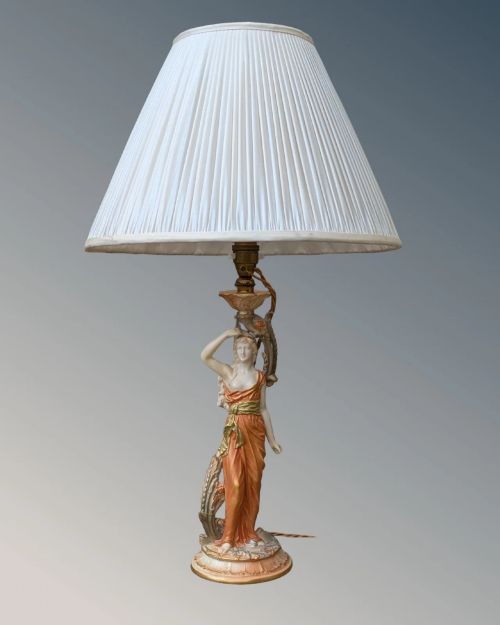
Royal Worcester·Samson
The Gilded Ceramic Table Lamp Glossary
- Satsuma
- A type of Japanese earthenware featuring a pale, ivory-coloured crackle glaze decorated with polychrome enamels and extensive gilt. It became particularly popular for export during the nineteenth and early twentieth centuries.
- Ormolu
- Gilded bronze or brass mounts used to embellish decorative objects and furniture. This technique imparts a rich metallic lustre that complements ceramic bodies.
- Kutani
- Japanese porcelain or earthenware characterised by vibrant colour palettes, most notably iron red and green, alongside detailed gold work. These wares often depict natural scenes and figurative subjects.
- Famille Rose
- A major palette of Chinese ceramic glazes introduced in the eighteenth century, distinguished by an opaque pink enamel derived from colloidal gold. The style persisted through the nineteenth century on decorative vessels.
- Japonisme
- A late nineteenth-century European artistic movement influenced by Japanese aesthetics and art. It profoundly affected the design of decorative arts across the continent.
Gilded Ceramic Table Lamp: Frequently Asked Questions
Are these lamps converted vases?
Many examples begin life as decorative vases or ginger jars before receiving professional conversion into functional lamps. This practice preserves historical ceramics while adapting them for modern domestic interiors.
The presence of drilled bases or specialised mounts often indicates where the original vessel was adapted to house wiring and bulb holders.
How do I clean a gilded ceramic lamp?
Dusting the ceramic body with a soft, dry cloth is the safest method to maintain the surface without disturbing fragile gilt details. Moisture and harsh cleaning agents should be avoided to protect delicate enamel and gold leaf.
Shades and fabric elements require separate care, using gentle brush attachments to remove accumulated particles.
Can I use modern lampshades?
Modern shades fit most standard lamp fittings provided the harp and spider dimensions match the existing hardware. Selecting a shade that respects the scale and era of the ceramic base ensures a balanced aesthetic.
Neutral silk or fabric shades often complement the intricate patterns found on nineteenth-century porcelain.
How do I distinguish Satsuma from Kutani?
Satsuma wares typically display a characteristic fine crackle glaze beneath detailed enamel and gilt decoration. Kutani pieces generally feature a smoother porcelain or earthenware surface dominated by rich greens and iron reds.
Examining the weight and texture of the ceramic body helps clarify the distinct regional origins.