


Gilded Ceramic Display Vases
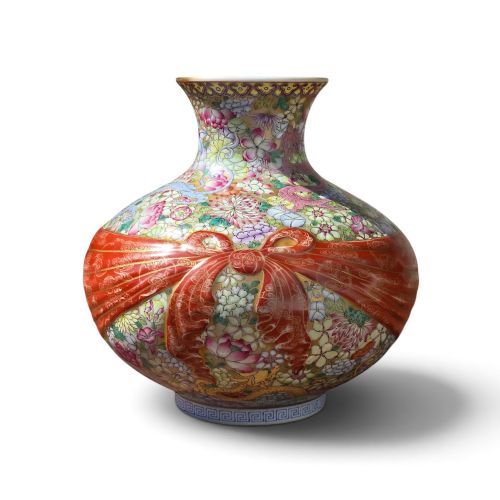
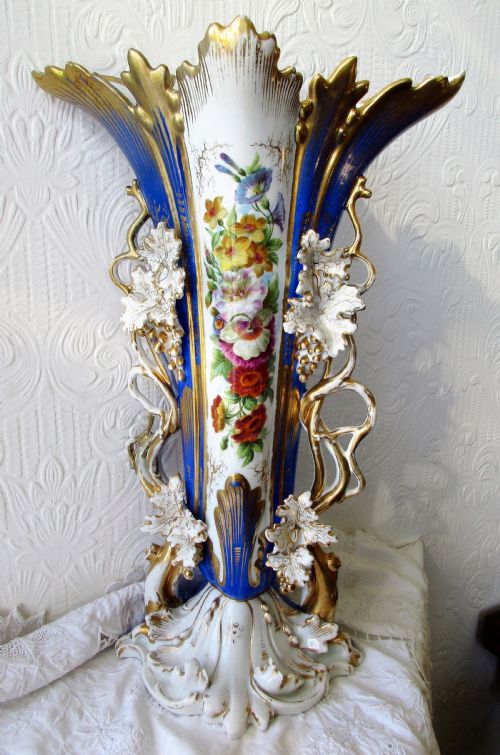
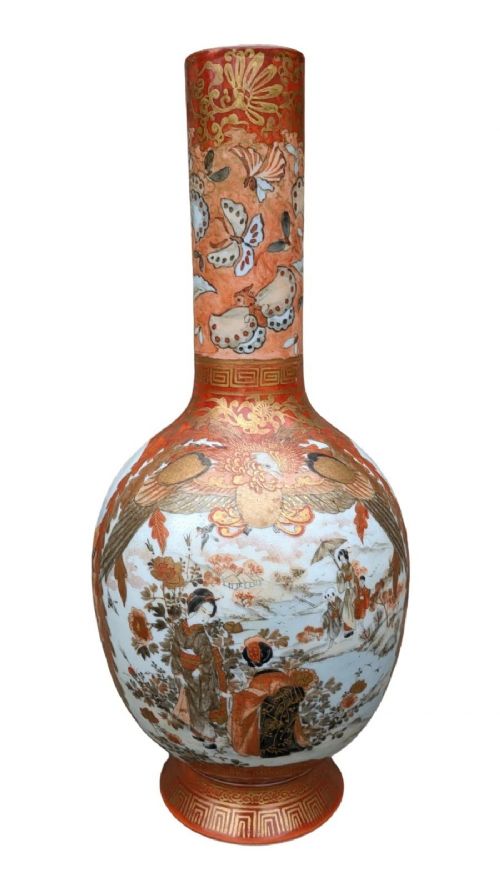
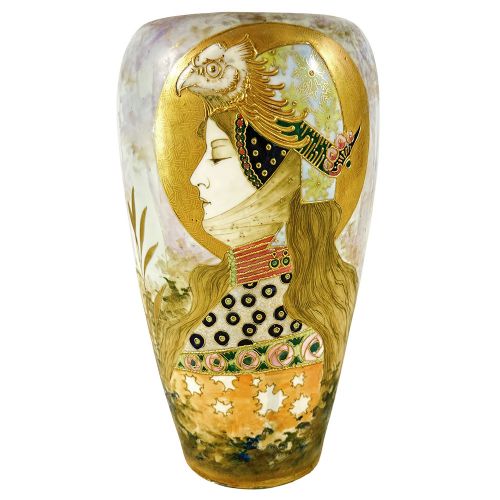
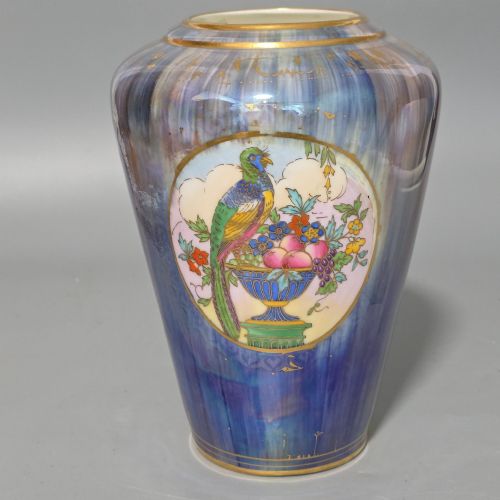
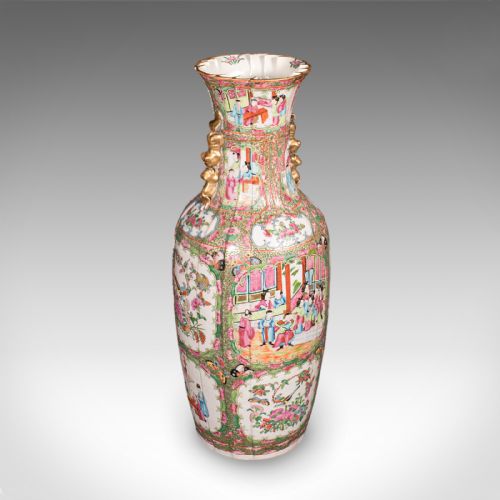
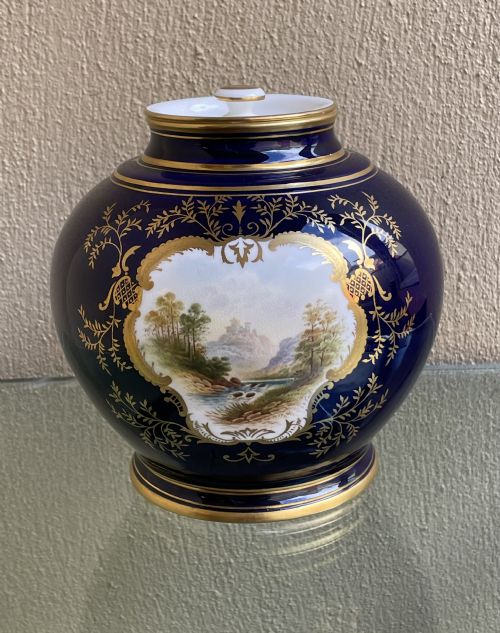
Gilded ceramic display vases bring together intricate hand painting and lustrous metallic embellishment from diverse international workshops.
Gilded Ceramic Display Vases
These pieces encompass decorative vessels, urns, and jars intended for ornamental display rather than utilitarian use. When exploring gilded ceramic display vases, buyers encounter objects ranging from nineteenth-century English porcelain and earthenware to elaborate Japanese Satsuma and Kutani wares.
The selection spans multiple periods, including the Victorian and Edwardian eras, alongside Japanese Meiji and Chinese Qing productions. Forms vary from monumental centrepieces and garnitures down to miniature cabinet pieces.
Makers from English factories such as Royal Worcester and Minton sit alongside Asian export ceramics and Austrian art pottery. Each piece displays a deliberate combination of ceramic body and metallic surface treatment.
Materials and Techniques
Potters shaped porcelain and earthenware bodies before applying glazes, enamels, and slip work such as pate-sur-pate. Artisans then introduced surface decoration through hand-painted motifs and raised moriage details.
Gilding was applied using gold leaf, gold gilt, or liquid gold paint, frequently fired to bond with the underlying glaze. Enamel colours and iron-red pigments were layered alongside these metallic elements to create complex pictorial panels.
Several Victorian decorators could not resist adding gold leaf even to floating swans and swimming storks.
Assessing Quality and Execution
Quality rests upon the precision of the hand painting and the density of the gilding. Pieces featuring signed artist marks or workshop signatures demonstrate higher production standards than unmarked commercial items.
The delicacy of raised enamelling and the complexity of figural or landscape panels separate standard decorative wares from exhibition-standard works. The crispness of the porcelain form and the stability of the glaze application determine the standing of each vessel.
Nicholas Kannhauser for Reissner, Stellmacher and Kessel·Kinkozan Satsuma·Kinrin Workshop·Royal Worcester·Minton
The Gilded Ceramic Display Vases Glossary
- Satsuma
- Earthenware pottery originating from the Satsuma province in Japan, typically characterised by a crackle-glaze ivory ground and intricate polychrome and gilt decoration.
- Moriage
- A Japanese ceramic technique using piped clay slip to build up raised decorative patterns before glazing and gilding.
- Pate-sur-pate
- A ceramic decorating method where successive layers of liquid white clay slip are built up on a coloured body to create a low relief cameo effect.
- Imari
- Japanese export porcelain decorated in underglaze blue, iron-red, and gilt, often featuring dense panel designs.
- Garniture
- A set of matching vases or urns designed to be displayed together on a mantelpiece or sideboard.
- Kutani
- Japanese painted porcelain and earthenware distinguished by bold palettes and extensive use of gold.
Gilded Ceramic Display Vases: Frequently Asked Questions
How do I identify Satsuma ware?
Satsuma ceramics generally display a distinctive cream-coloured earthenware body covered in a fine network of crackled transparent glaze. Artisans painted these surfaces with detailed figures and floral motifs heightened by heavy gold gilt.
Many pieces bear specific workshop or artist signatures on the base, helping to confirm their origin during the Meiji period.
Where were these vases displayed?
These decorative vessels were primarily manufactured for domestic display in nineteenth-century drawing rooms and parlours. Larger examples functioned as focal centrepieces on mantelpieces or cabinets.
Smaller vases and miniature forms were intended for cabinet display among collections of fine ceramics and art objects.
How do I clean gilded ceramics?
Gilded and enamelled surfaces require gentle dusting with a soft, dry brush to prevent the accumulation of particles. Moisture and abrasive cleaning agents must be avoided entirely to protect fragile gold leaf and surface enamels.
Professional restoration advice should be sought if structural cleaning becomes necessary.
What is the difference between porcelain and earthenware?
Porcelain is a dense, vitrified ceramic fired at high temperatures, resulting in a non-porous white body that often rings when struck. Earthenware is a more porous, opaque ceramic fired at lower temperatures.
Both materials served as foundations for elaborate gilding across European and Asian traditions.