

Gilded Canvas Oil Painting
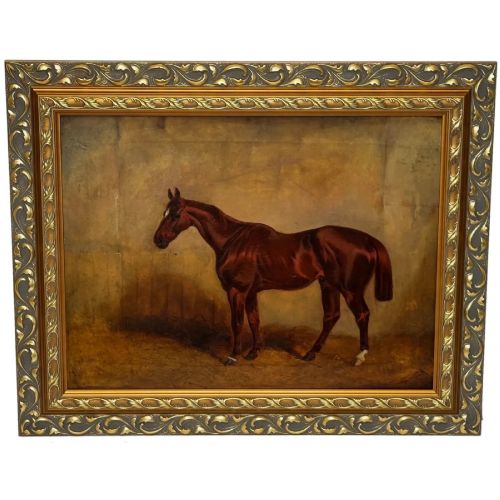
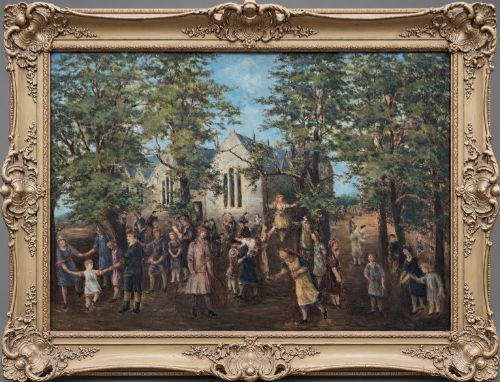
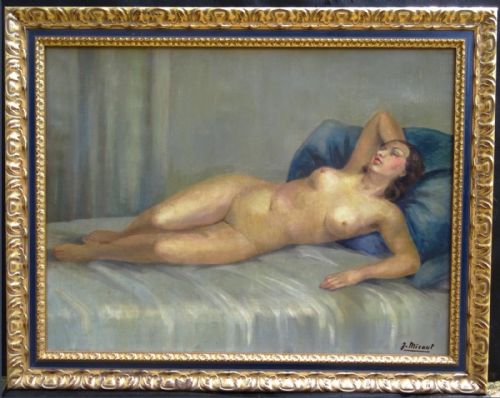
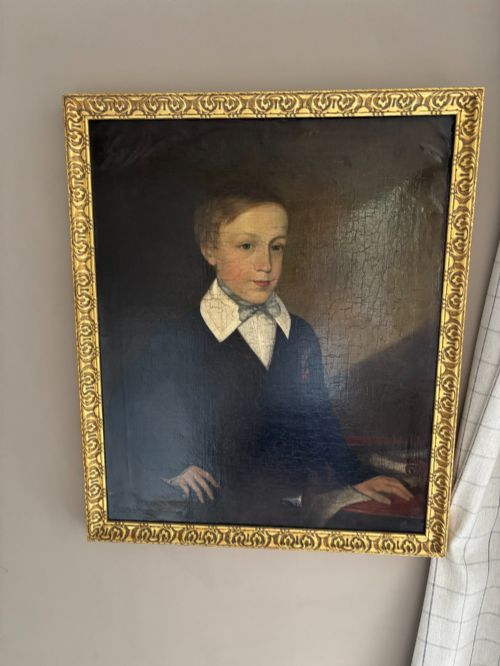
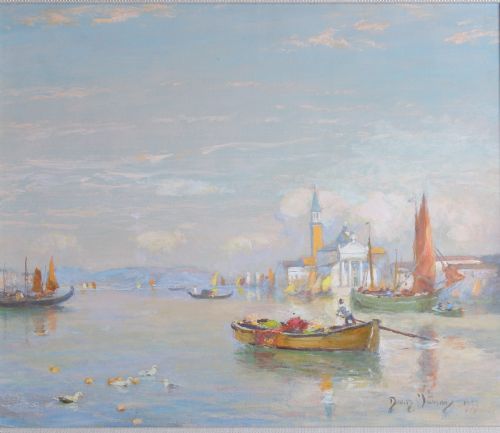
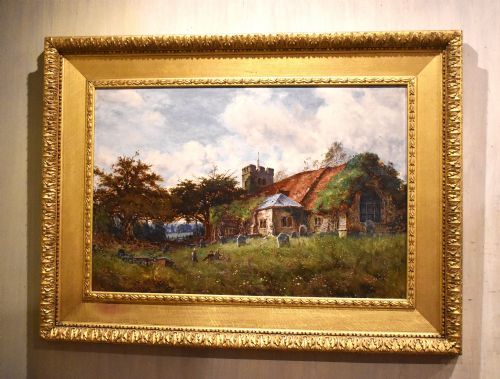
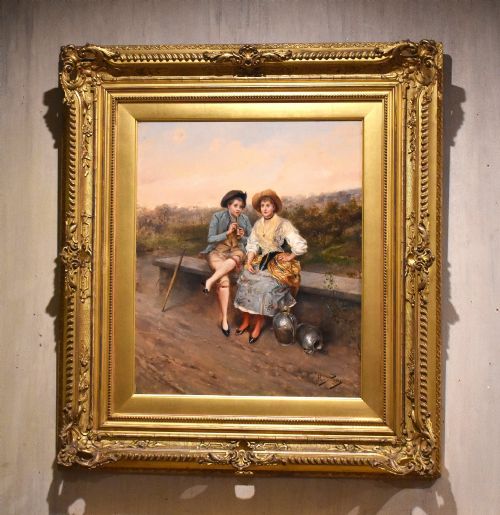
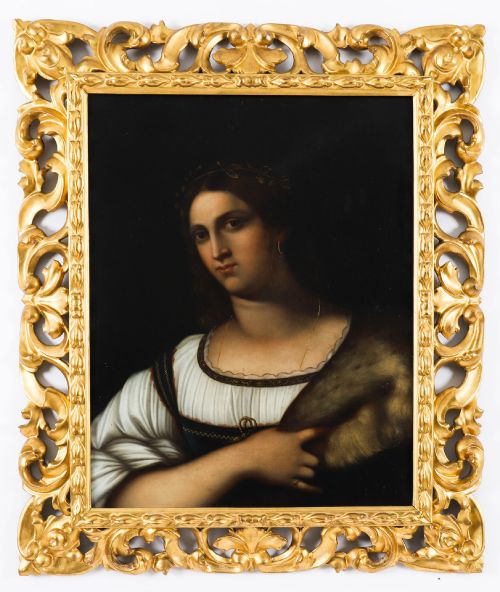
A gilded canvas oil painting brings the depth of historical portraiture and landscape into a room through rich pigments set inside gleaming, ornamental frames.
Gilded Canvas Oil Painting
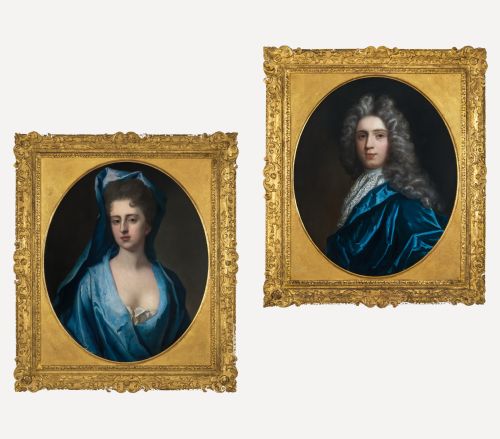
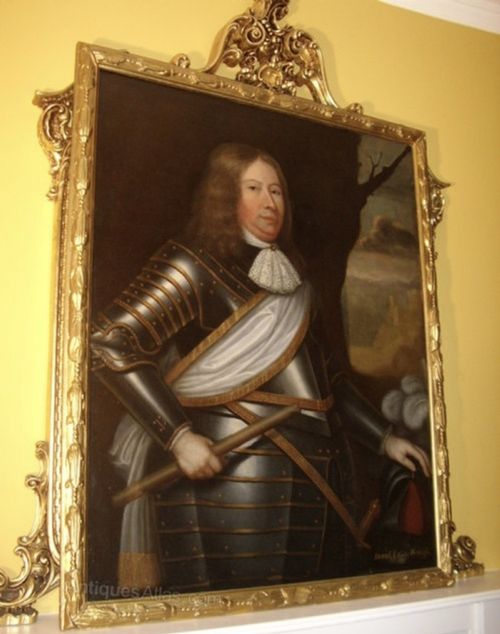
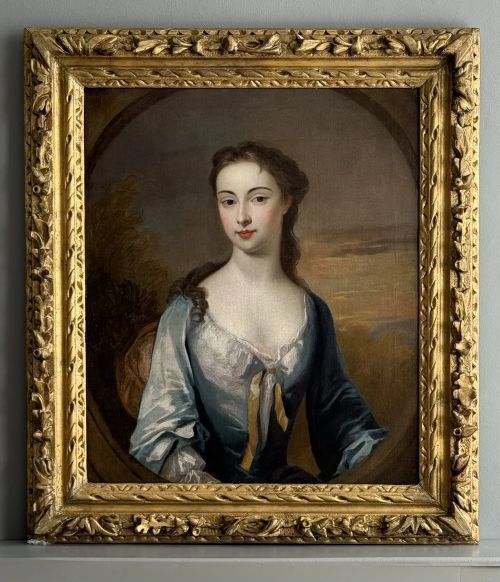
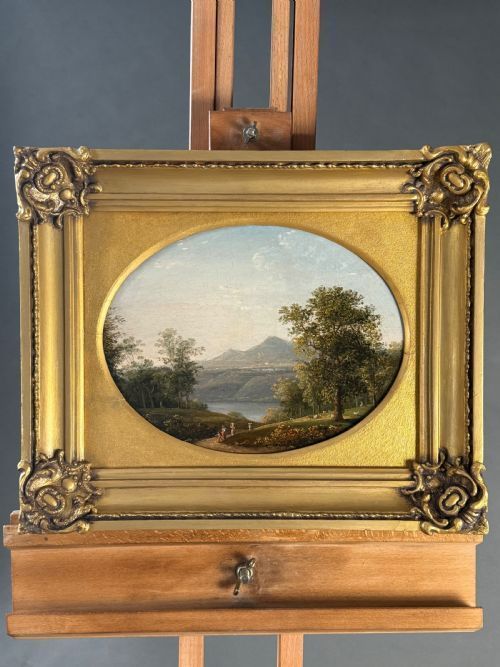
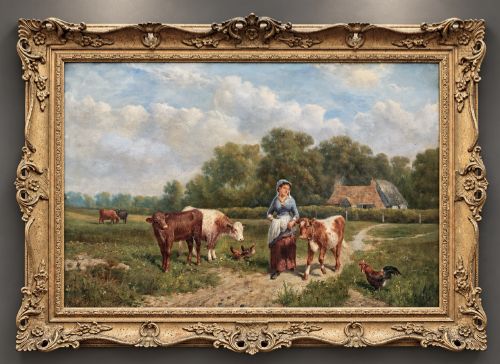
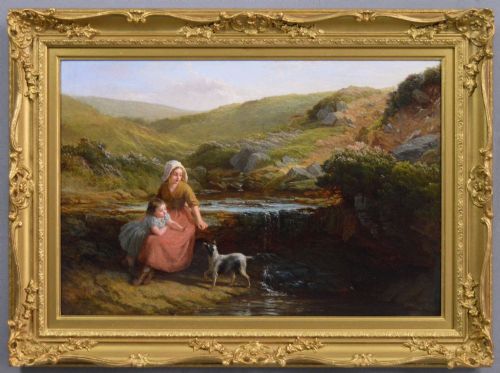
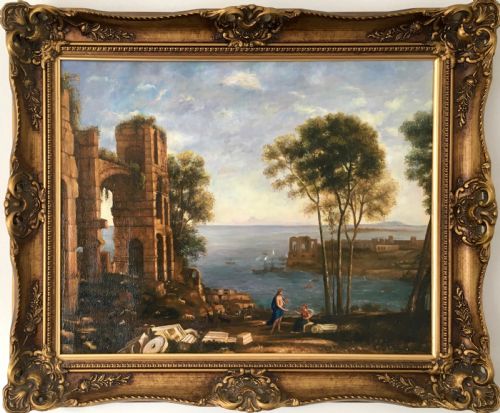
A gilded canvas oil painting combines traditional stretched canvas supports with oil pigments and an ornate gold-finished frame. These works span multiple centuries, ranging from seventeenth-century classical and Baroque portraiture to nineteenth-century landscapes and genre scenes.
Buyers encounter everything from grand aristocratic portraits attributed to known workshops to romantic rural landscapes and floral still lifes. The grouping encompasses pieces created across the Georgian, Victorian, and Baroque periods, alongside later twentieth-century interpretations and copies.
Many works arrive set within their original or period-appropriate giltwood and gesso surrounds, which form an integral part of the visual object. The subject matter typically reflects the tastes of its originating era, focusing on human likeness, mythological narratives, and natural scenery.
Materials and Construction
Artists painted primarily with oil-based pigments applied to woven fabric canvases stretched over wooden frames, allowing for subtle blending and rich tonal depth. These canvases were subsequently housed in wooden surrounds prepared with layers of gesso to create smooth profiles for gilding.
The decorative surrounds utilise thin sheets of gold leaf applied over bole or adhesive grounds, imparting a warm metallic lustre that complements the darker palettes of the paintings. Master frame makers carved intricate floral, scroll, and linear patterns directly into the wood and gesso matrix.
Sir Joshua Reynolds once complained that artists spent too much time mixing paints while gossip circulated around the studio.
Assessing Artistic Merit
Quality rests primarily on the brushwork dexterity, anatomical proportion, and compositional confidence demonstrated across the canvas surface. Superior works display confident handling of light, shadow, and fabric textures that reveal the direct hand of a master or a highly skilled studio.
The craftsmanship of the accompanying frame contributes significantly to the overall standing of the piece. Hand-carved wooden mouldings enriched with detailed gesso ornamentation represent a higher standard of artistry than later moulded plaster alternatives.
Sir Joshua Reynolds·Anthony Van Dyck·Sir Godfrey Kneller·John Opie·Charles-Antoine Coypel
The Gilded Canvas Oil Painting Glossary
- Giltwood
- Wood that has been coated with a thin layer of gold leaf or powder. This finish provides the characteristic metallic brilliance seen on historical picture frames.
- Gesso
- A plaster-like mixture applied to wooden frames as a smooth base before gilding. It allows artisans to carve intricate relief details.
- Baroque
- An artistic style prevalent from the seventeenth century characterised by drama, deep shadow, and rich ornamentation. Works from this period often depict grand historical or portrait subjects.
- Genre painting
- Artwork depicting scenes from everyday life, ordinary people, and domestic interiors rather than formal mythological or historical narratives.
- Provenance
- The documented history of ownership of an artwork. A clear record helps establish authenticity and historical context.
Gilded Canvas Oil Painting: Frequently Asked Questions
How do I care for my oil painting?
Keep the canvas away from direct sunlight and sudden temperature shifts to prevent the oil paint from cracking or drying out prematurely. Dust the surface and the surrounding frame gently with a dry, soft brush.
Avoid using liquid cleaners or damp cloths on the canvas or the gold leaf. Professional conservators should handle any deep cleaning or structural repairs.
Are these frames original to the canvases?
Many historical artworks retain their original or period-appropriate giltwood frames, which were tailored to complement the dimensions and style of the painting. Over the centuries, some pieces have been matched with later frames from the same era.
Examine the fit at the back of the stretcher and the wear on the gesso to understand the relationship between the canvas and its housing.
How can I identify the painting's age?
Clues lie in the canvas weave, the stretcher construction, and the ageing patterns of the oil pigments, known as craquelure. Stylistic indicators such as clothing, hair styling, and framing techniques also point toward specific historical periods.
Signatures, inscriptions, and historical labels on the reverse of the stretcher offer further chronological evidence.
Where should I hang these artworks?
Select an interior wall with stable humidity levels away from heat sources like radiators or fireplaces. Proper placement protects both the organic canvas fibres and the delicate gesso on the frame.
Ensure the wall fixings can support the substantial weight of large wooden frames and stretched canvas combinations.