

Gilded Bronze Table
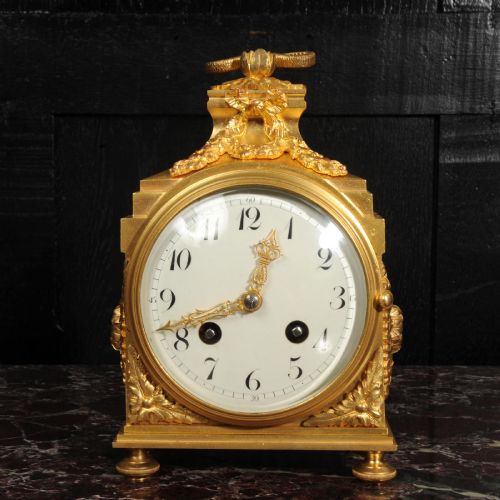
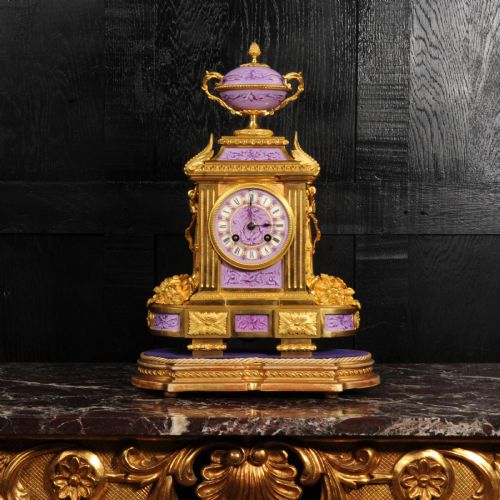
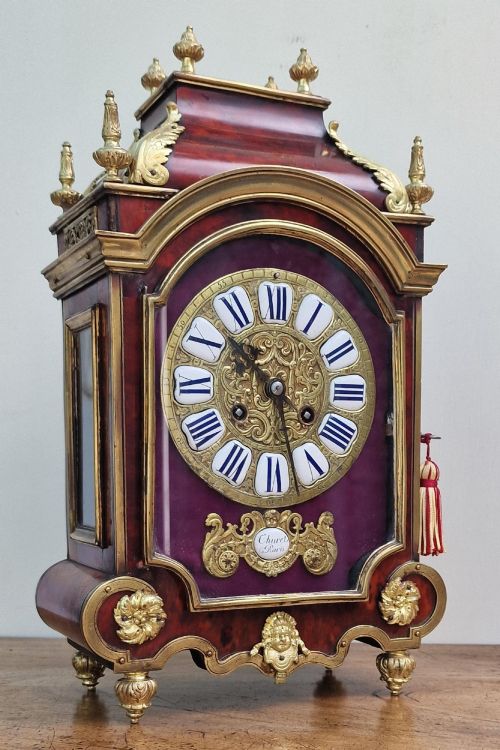
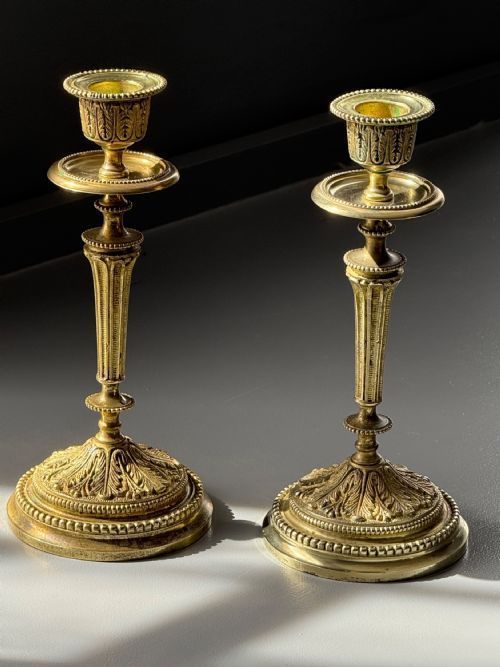
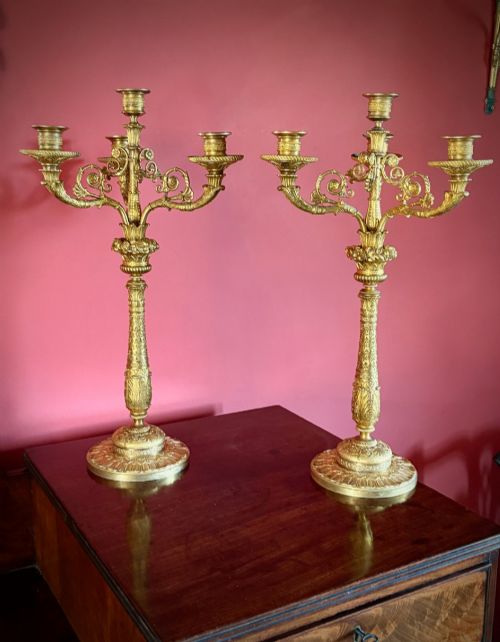
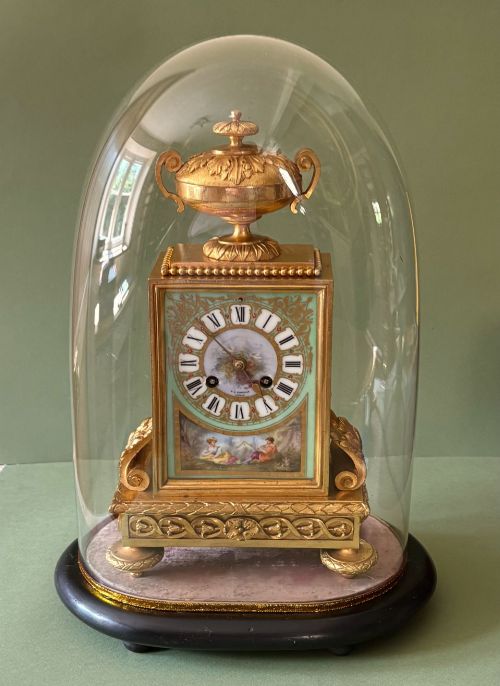
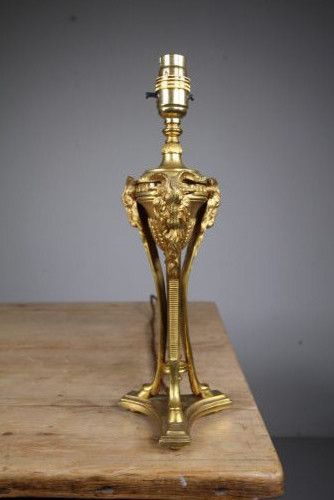
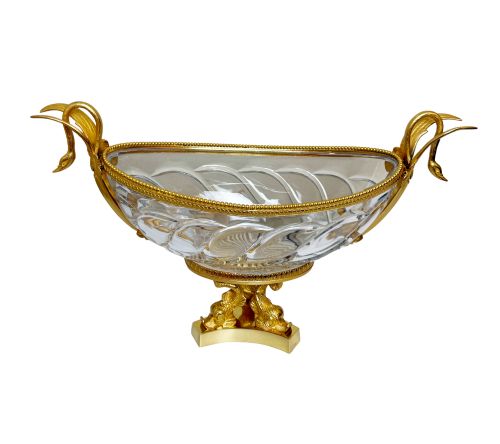
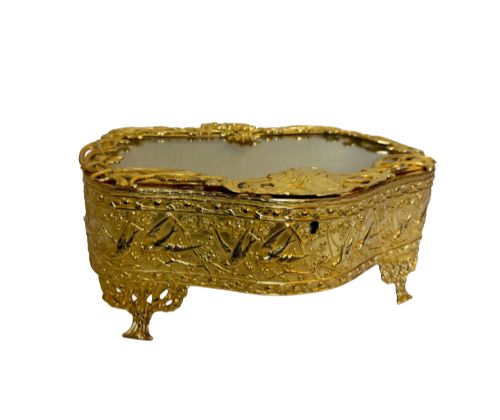
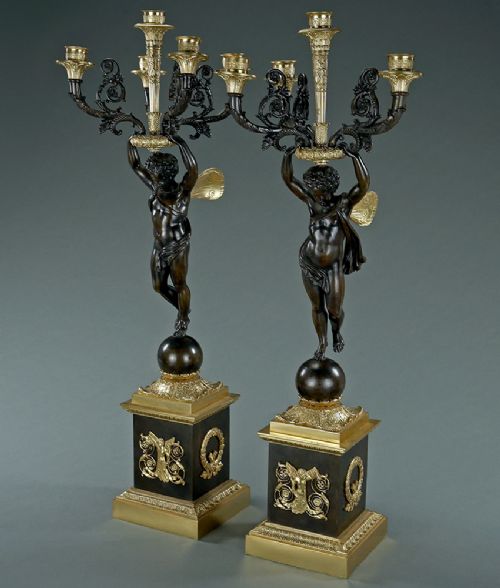
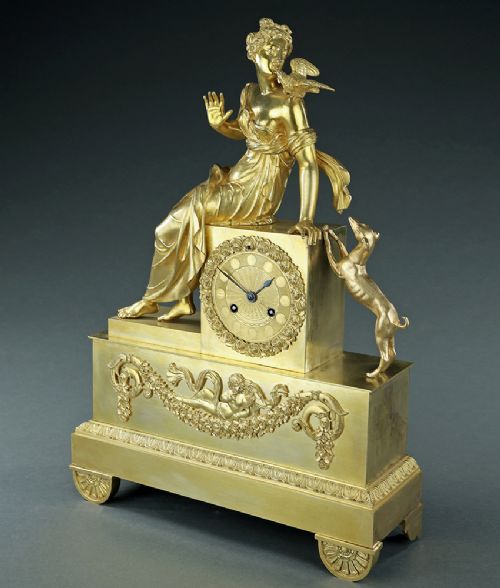
These gilded bronze table pieces bring nineteenth-century French and Victorian metalwork into a room.
Gilded Bronze Table
When you search for a gilded bronze table, you are looking at items featuring cast metalwork, including lamp tables, centre tables, writing desks, and bureau plat forms. The pieces available on this page lean heavily towards nineteenth-century French and Victorian designs, often incorporating classical styling.
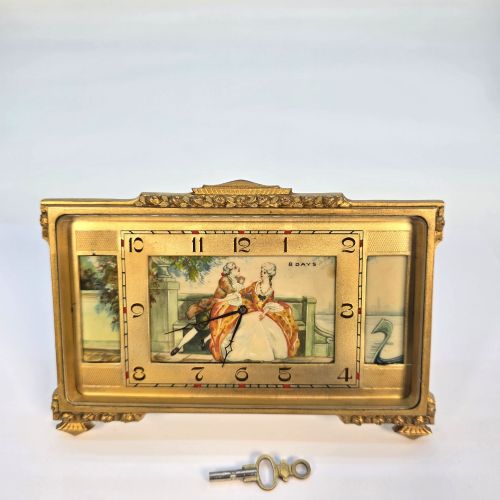
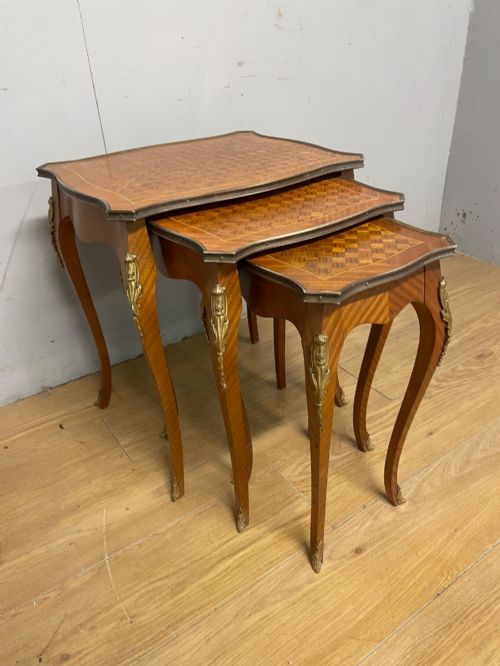
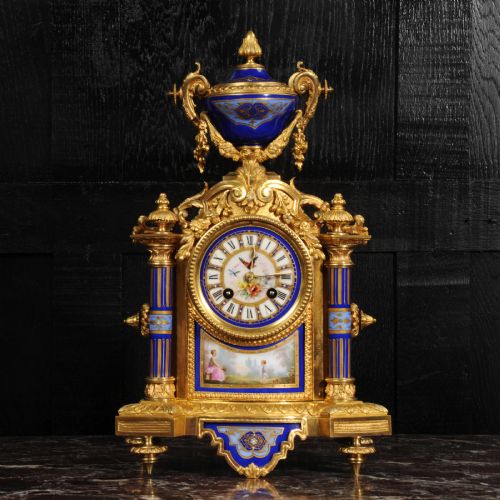
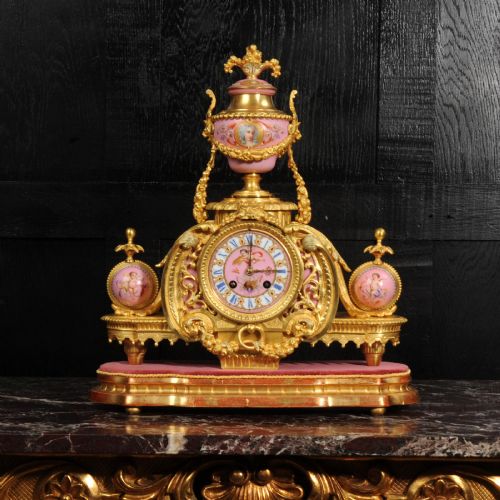
You will encounter smaller support surfaces such as lamp tables and bureau plat desks alongside centrepieces and candleholders mounted with similar cast metal frames. The range includes items bearing porcelain plaques, marble tops, and marquetry details set within the nineteenth-century period.
Objects span French Empire, Louis XVI, and Rococo Revival styles, showing the enduring popularity of ornate gilt metal mounts throughout the eighteen-hundreds. Most examples originate from French workshops or English makers influenced by continental tastes.
Materials and construction
These items rely on bronze cast by the lost-wax or sand-casting method, then treated with a gold amalgam or electroplating to achieve the distinctive gilded finish known as ormolu. Master craftsmen chased the cooled metal surface with punches and chisels to sharpen details before applying the final gilding.
Makers combined this gilt metal with timbers such as mahogany, satinwood, and kingwood, alongside inset marble tops, Sèvres porcelain plaques, and cut crystal glass. Structural joints often utilise traditional cabinet-making techniques to support the heavy bronze mounts and stone surfaces.
Listings feature nineteenth-century materials including gilt bronze, ormolu, Sèvres porcelain, marble, mahogany, and tortoiseshell across various decorative forms.
Assessing quality and execution
Quality rests primarily on the crispness of the bronze chasing and the depth of the original gilding. Finer pieces display sharply defined acanthus leaves, figures, and scrollwork where the chaser has worked the metal by hand after casting.
The choice of secondary materials marks the difference between standard and superior examples. Solid hardwoods, unblemished marble slabs, and intact porcelain plaques or enamel dials indicate higher workshop standards.
Achille Brocot·Thuret·Le Roy·Canaillor of Paris
The Gilded Bronze Table Glossary
- Ormolu
- Gilded bronze, derived from the French term ou moulu meaning ground gold. It describes the gold-coloured metallic finish applied to bronze mounts on furniture and decorative objects.
- Bureau plat
- A type of freestanding writing desk featuring a rectangular top and one or more drawers in the frieze. These desks frequently display ormolu mounts and leather writing surfaces.
- Champlevé
- An enamelling technique where troughs or cells are hollowed out of the metal surface and filled with vitreous enamel before firing. It appears frequently on nineteenth-century decorative pieces.
- Jardiniere
- A decorative stand or container designed to hold plants or flowers. In this period, they often featured gilt bronze frames combined with porcelain panels or marquetry.
- Vernis Martin
- A type of simulated Japanese lacquer developed in France during the eighteenth century and revived in later periods. It is often found on the panels of small cabinets and tables.
Gilded Bronze Table: Frequently Asked Questions
What is ormolu?
Ormolu is gilded bronze created by applying a gold-mercury amalgam or gold leaf to a cast bronze base. The surface is then hand-chased to enhance the crispness of the design.
This technique was widely used by French and English makers in the nineteenth century to ornament furniture, clocks, and decorative objects with a rich golden sheen.
How do I clean gilded bronze?
Gilded bronze requires gentle dusting with a soft, dry cloth to prevent the accumulation of dirt. Moisture and chemical cleaners should be avoided as they can strip the delicate gold layer.
Preserving the original surface depends entirely on avoiding abrasive materials that might wear away the thin layer of historic gilding over time.
Are these pieces French or English?
The majority of these items originate from French workshops, particularly in Paris, which set the standard for gilt bronze metalwork during the nineteenth century. Many pieces reflect specific continental design movements like the Empire and Louis XVI styles.
English makers also produced similar furniture and decorative objects, frequently adopting French revival aesthetics for the domestic Victorian market.
What does bureau plat mean?
A bureau plat is a flat-topped writing table designed to stand away from the wall in the centre of a room. These desks typically feature finished backs and drawers integrated into the apron.
In nineteenth-century examples, they are commonly embellished with ormolu mounts, bronze sabots on the feet, and leather-lined writing surfaces.