
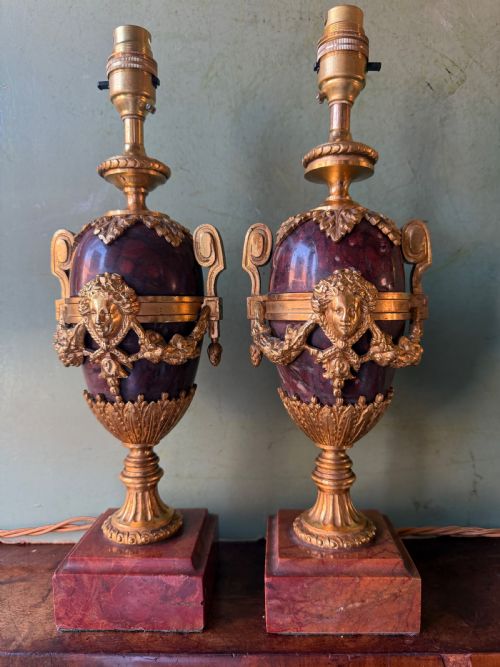
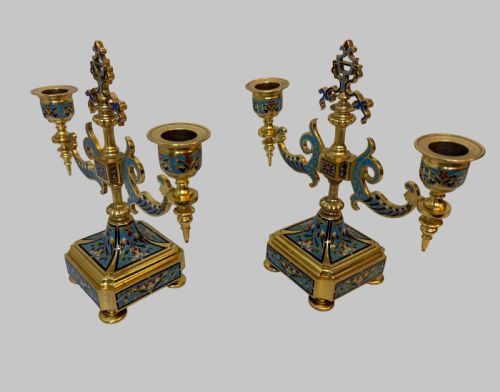


Gilded Bronze Table Light
A gilded bronze table light brings warmth to a room through bright metal and historic form.
Gilded Bronze Table Light
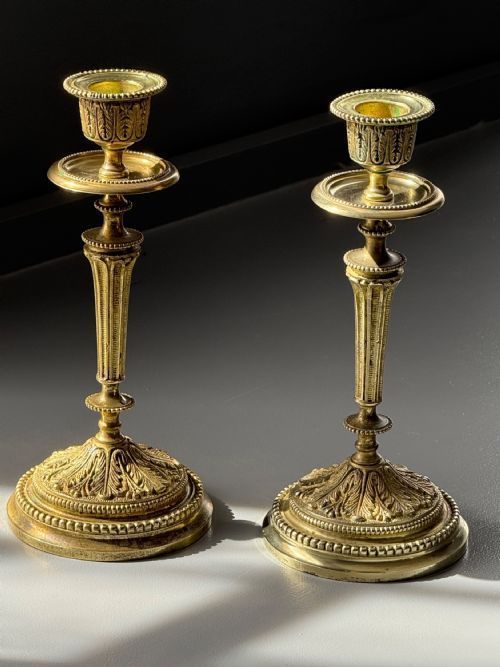
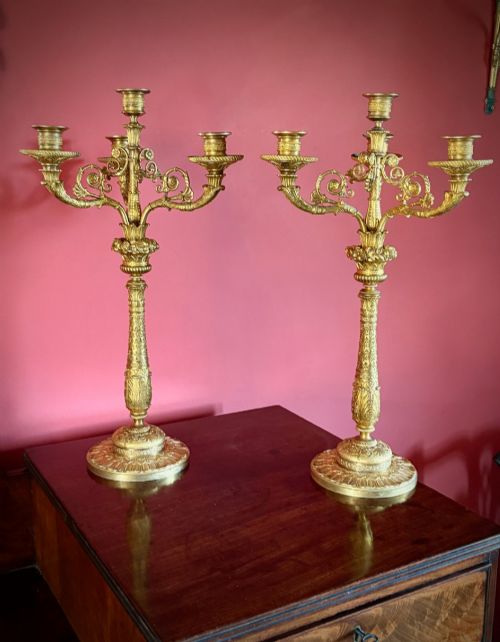
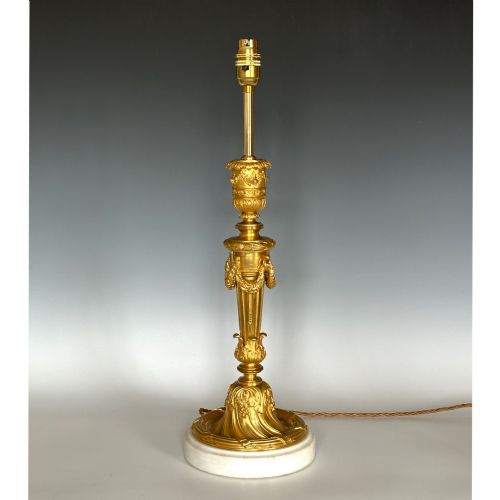
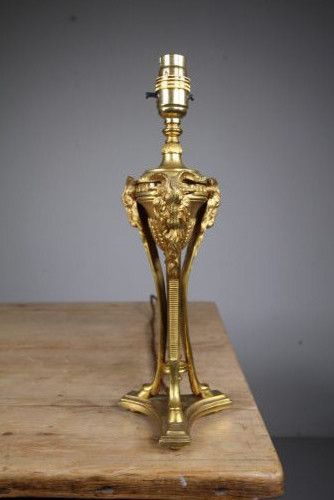
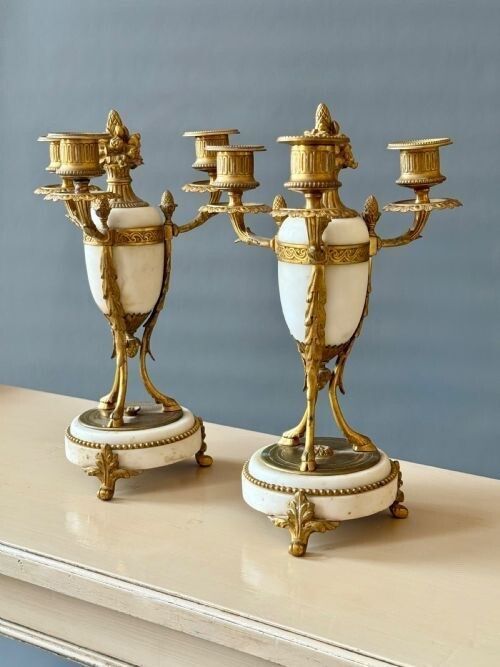
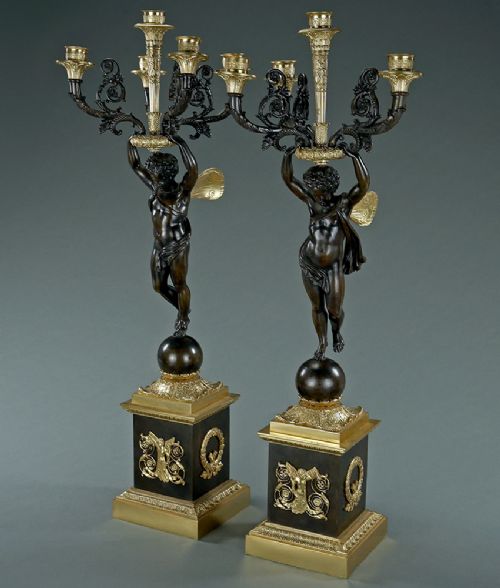
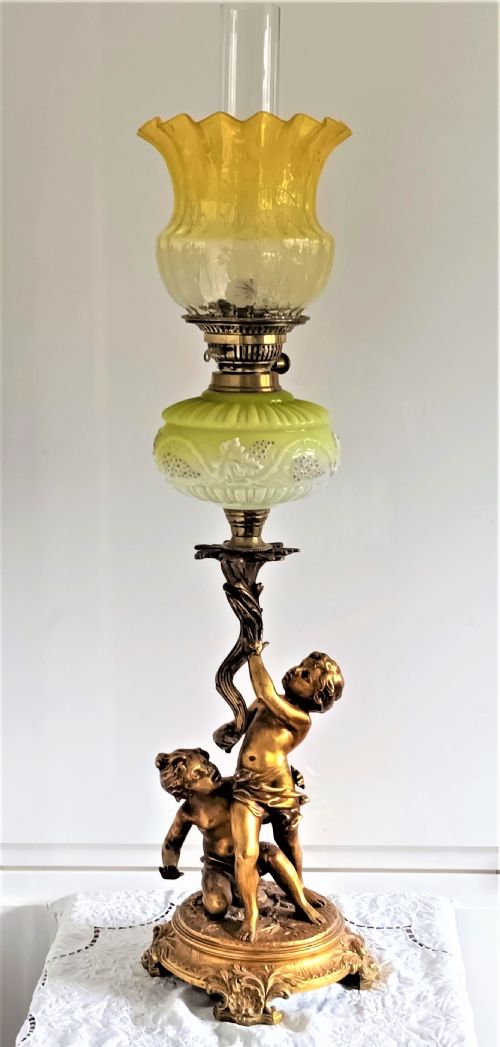
A gilded bronze table light brings together metalwork, candelabra, and converted lamps from the nineteenth century. These items include French Empire, Louis XVI, and Rococo Revival styles alongside Victorian English examples. Buyers encounter candelabra, candlesticks, and oil lamps adapted for modern illumination.
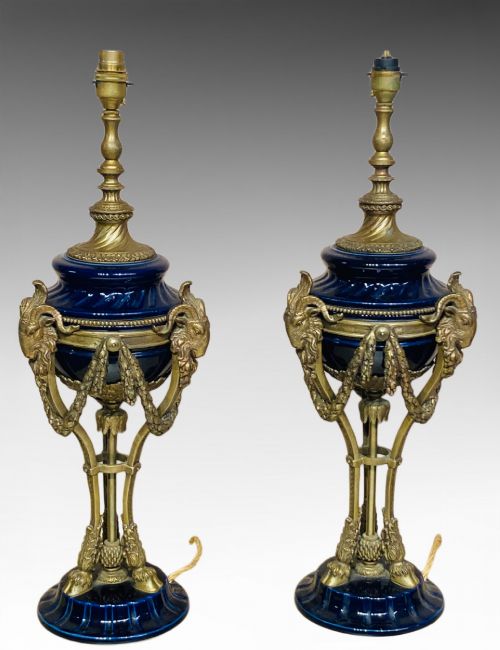
The selection ranges from pairs of marble-based candelabra to single table lamps featuring champlevé enamel or porcelain. Many pieces reflect Grand Tour origins or formal nineteenth-century drawing room aesthetics. Ormolu and gilt bronze dominate the inventory across various dates from the eighteen-fifties onward.
How they were made
Craftsmen cast these objects using bronze and brass before applying fire gilt or ormolu finishes. Foundries often combined cast components with hand-chased surface details to sharpen the decorative motifs.
Makers integrated white marble, rouge marble, crystal drops, and hand-painted porcelain panels into the metal frames. Many surviving examples began as candlesticks or oil lamps before later conversion to electricity.
Several heavy bases conceal mischievous cherubs hiding amongst classical acanthus leaves.
What varies in quality
The crispness of the chased metalwork separates standard production from superior examples. Sharp relief in acanthus leaves, cherubs, and rams' heads indicates skilled hand-finishing after casting.
The choice of secondary materials dictates overall character, from simple brass to rich ormolu paired with marble or champlevé enamel. Heavier castings and intact fire gilding maintain visual depth over time.
The Gilded Bronze Table Light Glossary
- Ormolu
- Gilded bronze produced by applying a mercury and gold amalgam to a bronze base and heating it. This technique creates a durable, warm metallic lustre found on French decorative objects.
- Champlevé
- An enamelling technique where troughs are dug into a metal surface and filled with vitreous enamel before firing. It appears frequently on nineteenth-century decorative pieces.
- Candelabra
- A branched candlestick designed to hold multiple candles simultaneously. Many period examples now feature electrical fittings.
- Grand Tour
- The nineteenth-century practice of wealthy travellers collecting classical antiquities and souvenirs across Europe. Items brought back often included bronze candlesticks and architectural fragments.
Gilded Bronze Table Light: Frequently Asked Questions
How do I identify French Empire style?
French Empire pieces draw heavily on classical Greek and Roman motifs, featuring symmetrical designs, caryatids, and military trophies.
Ormolu mounts on dark patinated bronze provide the strong contrast typical of this period.
What is the difference between ormolu and gilt brass?
Ormolu specifically describes mercury gilding applied to a bronze substrate, producing a deep and lasting golden hue. Gilt brass uses a different base metal alloy and often employs alternative plating methods.
How do I care for gilt bronze?
Dust the metal gently with a soft dry cloth and avoid abrasive polishes that wear away the thin gold layer. Keeping pieces away from direct moisture preserves the historic finish.