

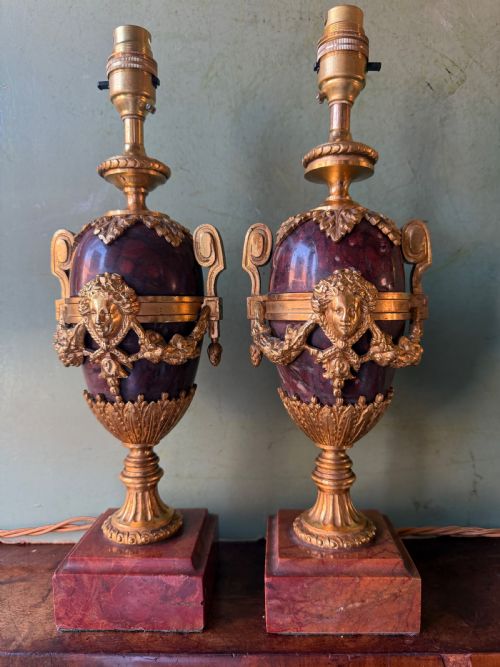


Gilded Bronze Table Lamp
A gilded bronze table lamp brings warm metallic lustre and classical proportion to a room, drawing the eye with its rich historical detail.
Gilded Bronze Table Lamp
A gilded bronze table lamp is a lighting fixture formed from cast bronze treated with gold or mercury gilding, appearing frequently alongside related forms such as oil lamps, candelabra, and lamp bases. These pieces emerge predominantly from the nineteenth and early twentieth centuries, spanning periods from the Victorian era through the early decades of the twentieth century.
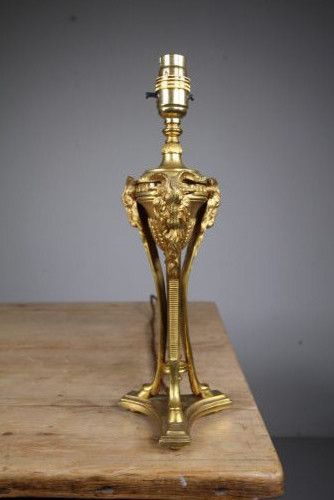
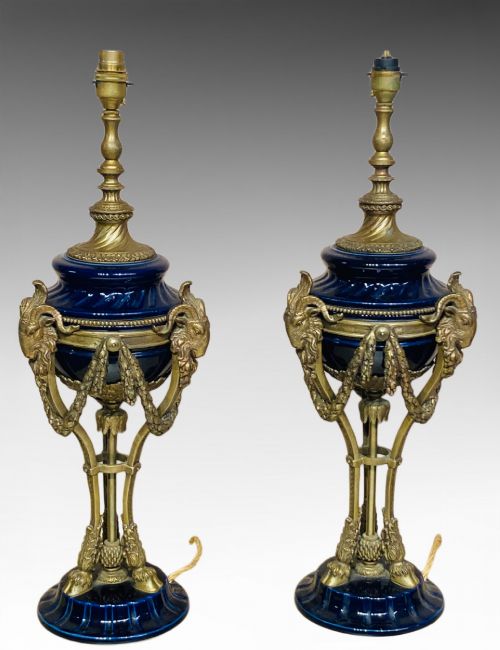
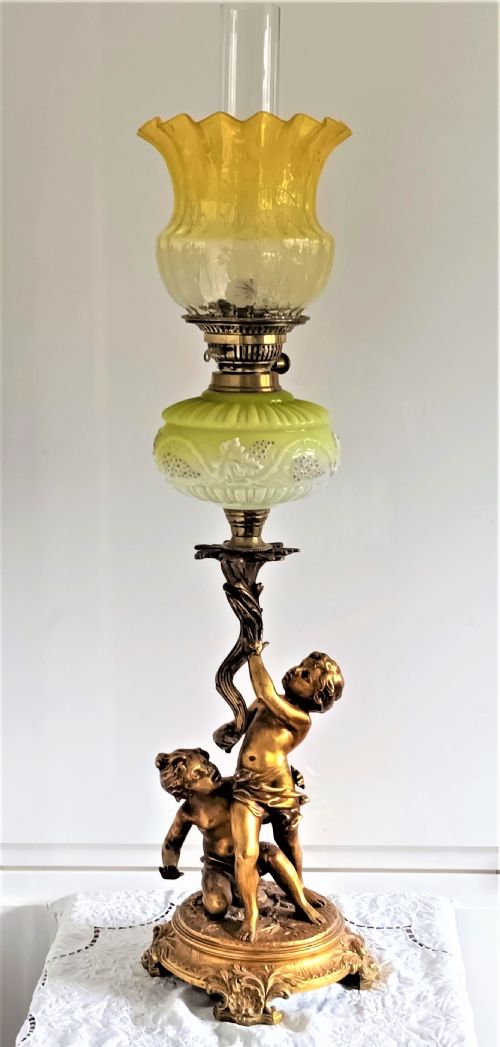
The aesthetic vocabulary draws heavily on continental and domestic design movements, notably French Rococo Revival, French Empire, Neoclassical, and Art Deco styles. Buyers encounter both single lamp bodies and balanced pairs, often incorporating figural elements like cherubs, putti, and rams heads alongside utility lighting.
Many items in circulation began life as other functional objects, including altar candlesticks, vases, and ewers, which were subsequently converted into table lamps during or after their primary period of manufacture. This adaptability accounts for the variety of forms found within the category, ranging from monumental proportions to modest desk lighting.
Materials and construction
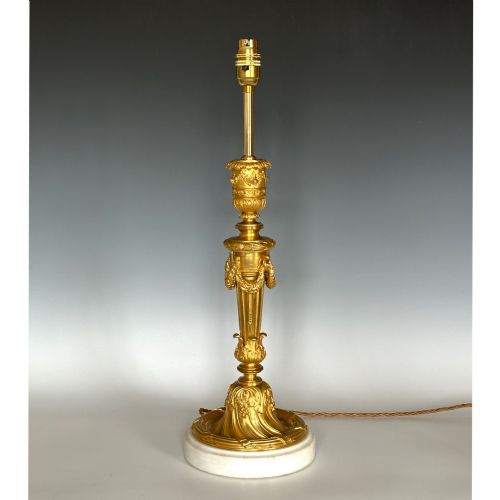
The primary structural metal is bronze, cast in sections and finished with fire gilding, ormolu, or gold bronze to impart a bright yellow metallic surface. Ormolu mountings frequently accent other natural materials such as rouge marble, white marble, cut crystal, and glazed porcelain.
Makers integrated various decorative techniques, combining patinated bronze with gilded highlights, hand-painted porcelain panels, and frosted glass shades. Candlestick conversions utilise original metal sockets and drip pans, adapted with wiring channels to serve modern electrical standards while retaining their historic components.
A young girl blows a kiss from one bronze base while cherubs lounge on ormolu mounts across the room.
Assessing quality and finish
The integration of secondary materials dictates the overall standing of the piece. Heavy, finely turned marble plinths, substantial ormolu mounts fitted flush to the body, and well-preserved mercury gilding separate standard production items from works produced by skilled workshops.
The Gilded Bronze Table Lamp Glossary
- Ormolu
- Finely chopped gold-mercury amalgam applied to a bronze base, creating a durable golden surface layer. This technique was widely employed in French workshops during the eighteenth and nineteenth centuries.
- Gilt bronze
- Metal cast in bronze and coated with a thin layer of gold leaf or powder. It provides a warm reflective finish similar to ormolu.
- Patinated bronze
- Metal that has been chemically treated to produce a dark brown, green, or black surface colour. It frequently contrasts with bright ormolu mounts on Empire style lighting.
- Candelabra
- Branched lighting fixtures designed to hold multiple candles. Many surviving examples were converted to electricity in later periods to function as table lamps.
- Ewer
- A large jug with a wide spout and handle, originally used for pouring water. Victorian makers often utilised decorative ceramic or glass ewers as lamp bodies.
Gilded Bronze Table Lamp: Frequently Asked Questions
What is a gilded bronze table lamp?
A gilded bronze table lamp is a decorative lighting fixture constructed from cast bronze and finished with a gold-coloured surface treatment like ormolu. These pieces often incorporate classical ornamentation derived from French and English design traditions.
Many examples originate as nineteenth-century candelabra, urns, or candlesticks that received electrical wiring at a later date. They serve both as functional illumination and as sculptural objects for side tables and desks.
How do I identify different periods?
Period identification relies on observing the decorative style and material combinations present in the casting. Neoclassical and Empire pieces favour strict symmetry, urns, and rams heads, whereas Rococo Revival examples display asymmetrical scrolls, acanthus leaves, and playful figures such as cherubs.
Later Victorian and Edwardian productions often synthesize these earlier motifs with sturdier brass elements or imported ceramic bodies. Examining the weight of the bronze and the quality of the chasing helps narrow down the decade of manufacture.
Were these lamps originally electric?
Most antique examples on the market began life as oil lamps, gas lamps, or non-electric candleholders. Workshops converted them to electricity during the twentieth century to suit modern domestic requirements.
This conversion process typically involves running a cord through the existing central shaft or burner assembly without altering the historic outer bronze body. Collectors value pieces that retain their original proportions and mountings despite these internal updates.
How do I style a lamp with marble and ormolu?
Lamps featuring ormolu and marble work well on heavy wooden side tables, chests of drawers, or desks where their substantial weight grounds the composition. Their reflective metallic surfaces catch natural light during the day and provide warm illumination at night.
Pairing them with simple fabric shades prevents the design from becoming overly ornate, allowing the cast bronze details to remain the focal point of the room.