

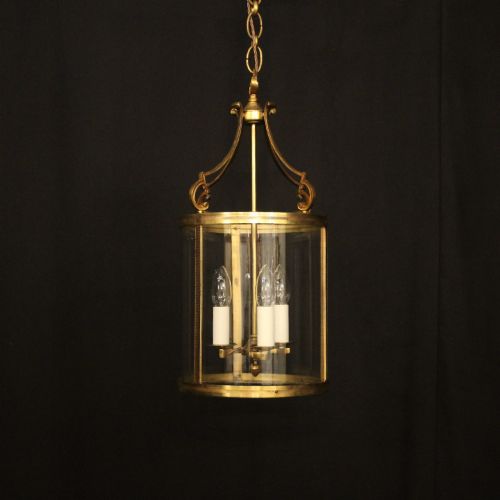
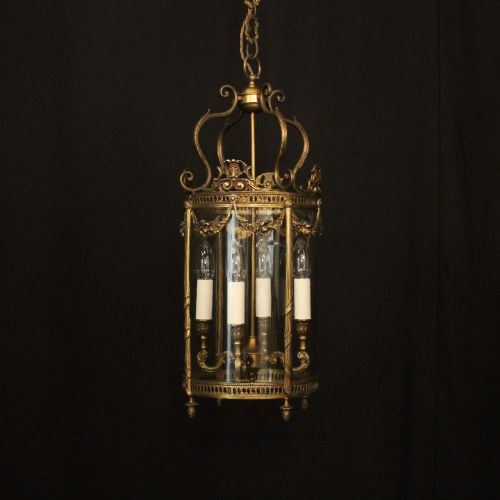
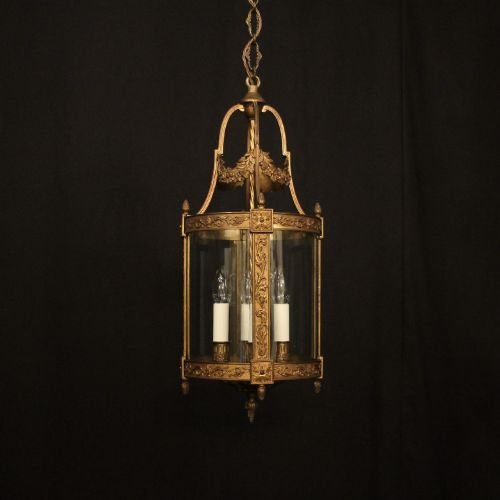
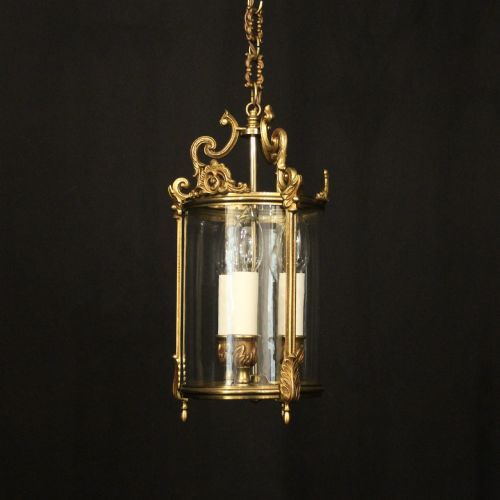
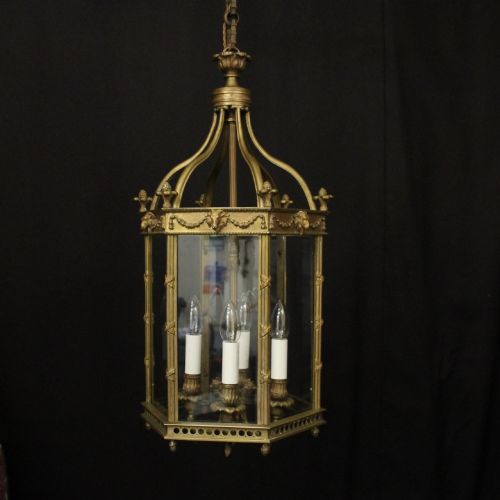
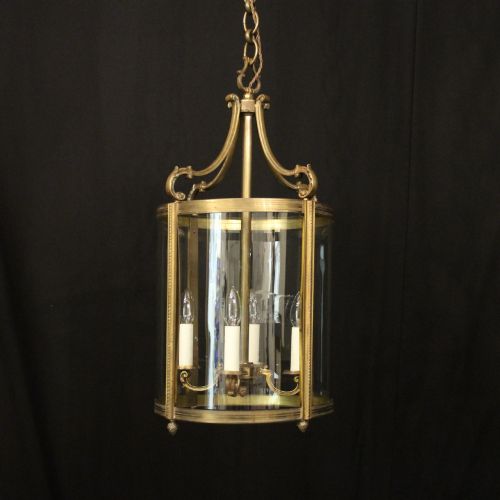
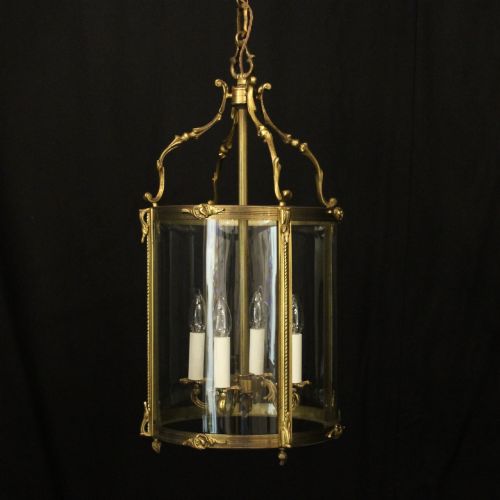
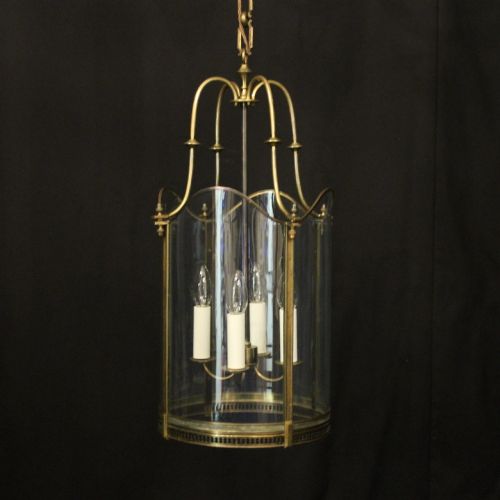
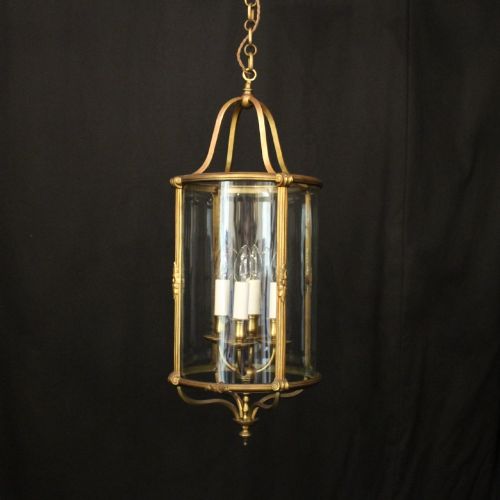
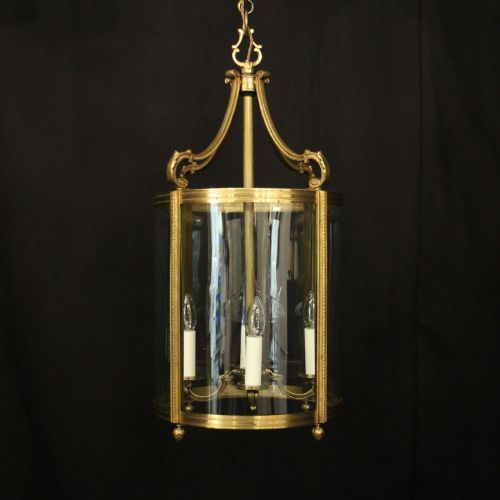
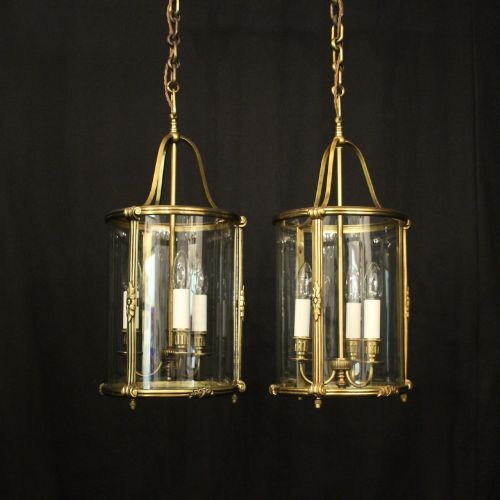
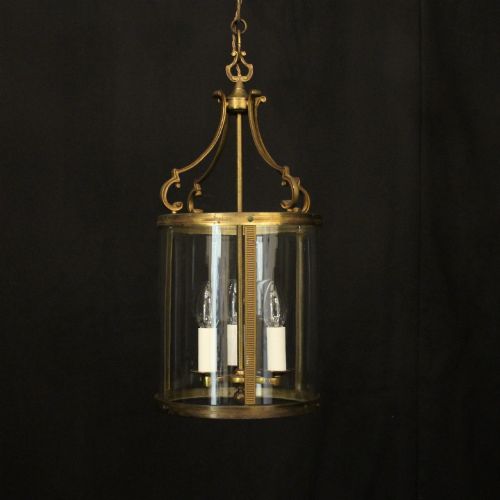
Gilded Bronze Lantern Pendant
A gilded bronze lantern pendant illuminates a hallway or entryway with refined metalwork and glass panels.
Gilded Bronze Lantern Pendant
When searching for a gilded bronze lantern pendant, buyers encounter hanging light fixtures designed for entrance halls and vestibules. These pieces originate predominantly from French workshops and English makers across the nineteenth and early twentieth centuries.
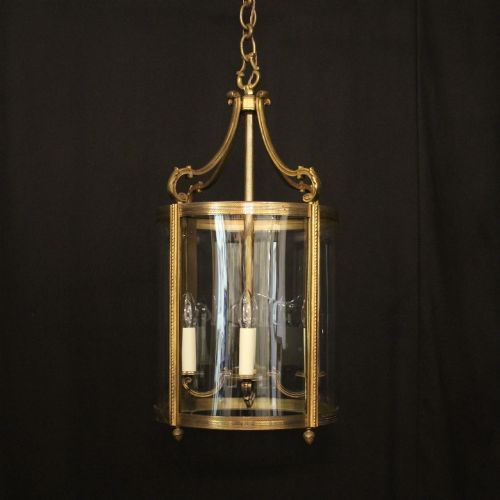
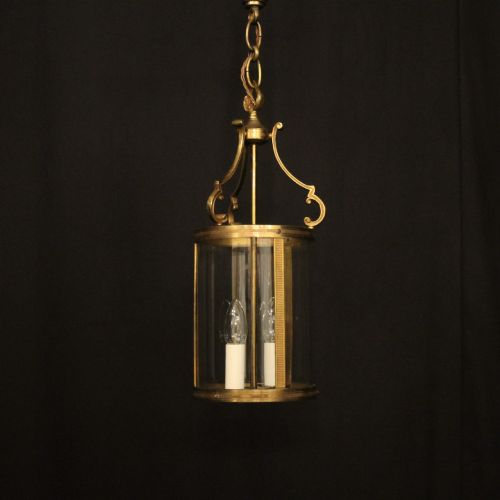
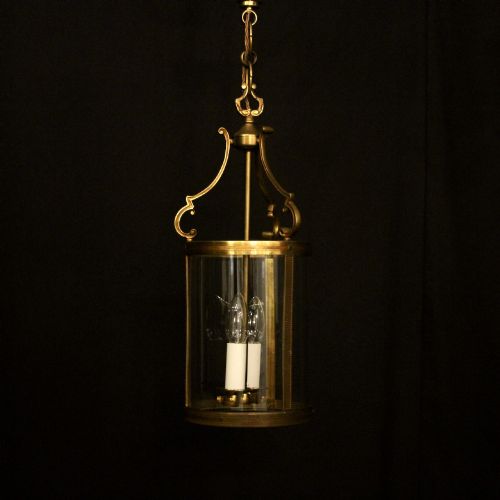
The most common examples on this page are French hall lanterns from the nineteen-twenties featuring convex glass panels. These fixtures combine metal framing with glass panes to diffuse light across entry spaces.
Makers often drew inspiration from historical interior schemes, producing pieces that reflect French neoclassical and Louis XVI styles. Such designs incorporate decorative metalwork around glass bodies intended to hang from ceilings in grand corridors.
Materials and Construction
These lanterns are constructed using bronze or brass frameworks finished with a layer of applied gold tone via gilding. Workshops utilised glass panels, including convex and bevelled types, secured within the metal armature to enclose the interior light sources.
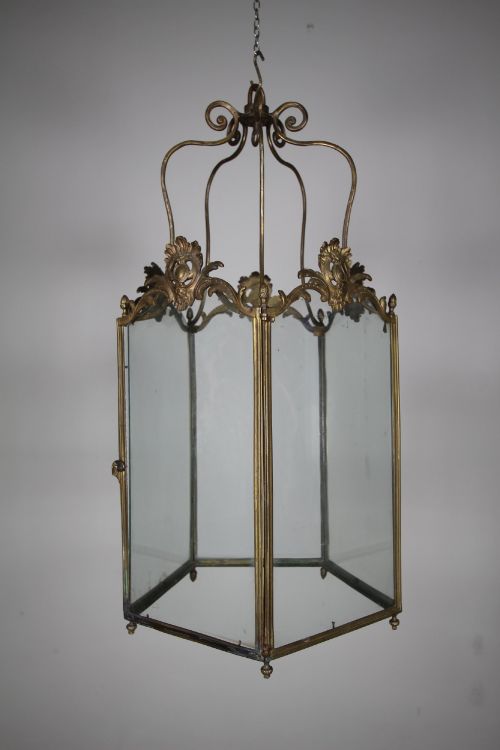
Craftsmen shaped the metal components to create multi-light configurations and hexagonal or curved profiles. The combination of cast metal frames and fitted glass panes required precise assembly to support hanging weights safely.
Gilded Bronze Lantern Pendant Retail Price Guide 2026
Typical asking prices for gilded bronze lantern pendant among the pieces listed under this phrase on Sellingantiques today, from the lower quarter to the upper quarter. They describe what is for sale here now, not the wider market.
Current listings feature pieces spanning the nineteenth century through the nineteen-thirties, constructed from gilded bronze, brass, and glass.
Distinctions in Quality
Quality in these lanterns rests upon the crispness of the cast metal ornamentation and the preservation of the original gilding. Pieces featuring heavier bronze castings and complex decorative motifs sit at the higher end of the range compared to simpler brass versions.
The choice of glass also separates examples, with heavy convex or bevelled panes indicating superior execution. The integrity of the frame construction and the subtlety of the surface finish determine the overall refinement of the fixture.
The Gilded Bronze Lantern Pendant Glossary
- Gilded Bronze
- Bronze metal treated with a thin layer of gold or gold-coloured finish to create a bright metallic surface. This material forms the primary structure of many period hall lanterns.
- Convex Glass
- Glass panes curved outward to alter the refraction of light from the interior bulbs or candles. This type of glass appears frequently on French hall lanterns from the early twentieth century.
- Hall Lantern
- A ceiling-hung lighting fixture specifically scaled for corridors, vestibules, and entrance halls. These fixtures combine enclosed glass sides with a metal frame.
- Ormolu
- Finely chased or cast bronze coated with a gold amalgam or finish, popular in decorative arts. It provides a bright golden appearance on period light fittings.
Gilded Bronze Lantern Pendant: Frequently Asked Questions
Where should I hang a lantern pendant?
These fixtures suit entryways, hallways, and high-ceilinged landings where vertical hanging space allows the design to be appreciated. Their enclosed glass and metal construction projects light downward and outward into circulation areas.
Ensure adequate ceiling height for clearance beneath the pendant drop. Positioning the lantern centrally in a hallway creates a formal focal point upon entering the space.
How do I identify the period of a lantern?
Dating relies on examining the casting techniques, the style of the metal mounts, and the cut of the glass panels. Nineteenth-century examples often display heavier bronze work and neoclassical or rococo revival motifs.
Twentieth-century pieces, particularly from the nineteen-twenties and thirties, frequently utilise convex glass and cleaner geometric or simplified French styling. Comparing the construction methods to established design eras confirms the age.
How many lights do these lanterns have?
Configuration ranges from single-bulb setups to four-light arrangements depending on the physical size of the fixture. Larger lanterns incorporate multiple internal candle arms or lamp holders to illuminate expansive spaces.
Triple and quadruple light models provide stronger illumination suitable for grander hallways. The scale of the frame generally dictates the number of internal light sources.
What maintenance do gilded bronze surfaces need?
Gilded surfaces require gentle dusting with a soft dry cloth to prevent the accumulation of grime on the metalwork. Avoid abrasive cleaners or chemical polishes that can strip the historic gilt layer from the bronze.
Glass panels can be cleaned with standard glass cleaner applied to a cloth rather than sprayed directly onto the metal frame. Regular care preserves the original finish and structural integrity of the antique.