



Entryway Hanging Lantern Light
An entryway hanging lantern light sets the tone for an interior, illuminating a threshold with period character and architectural glass.
Entryway Hanging Lantern Light
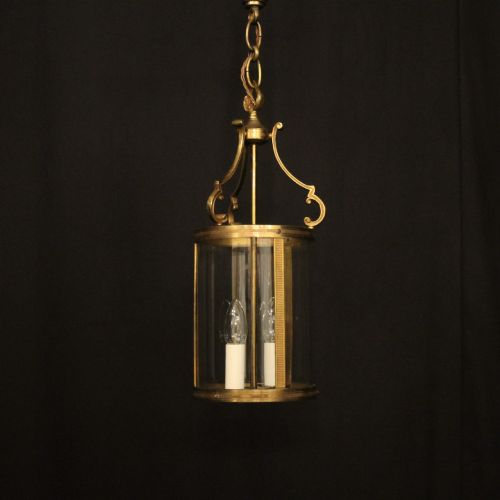
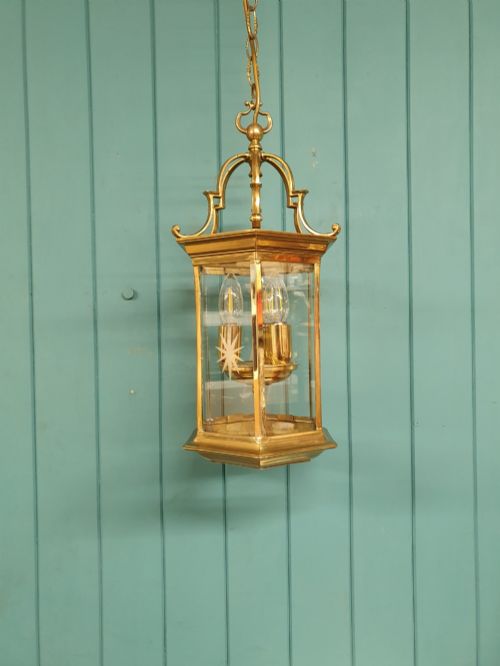
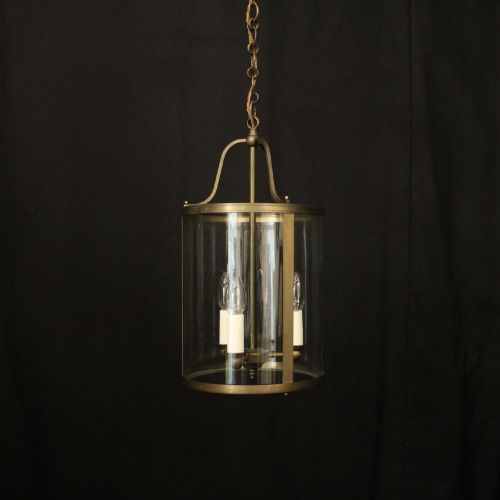
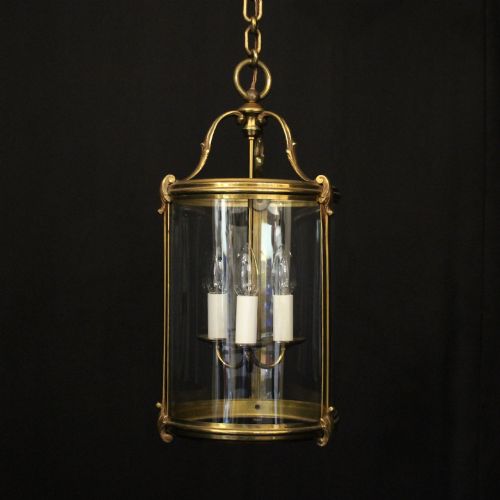
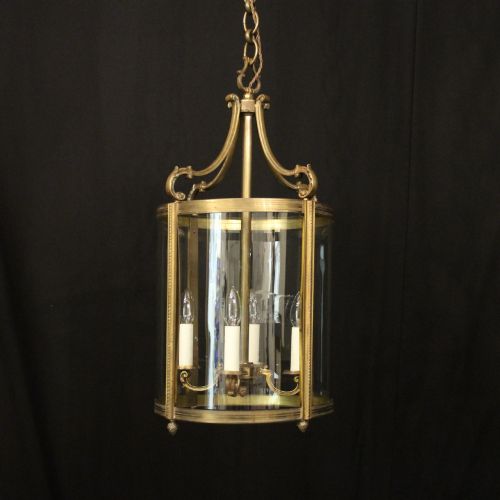
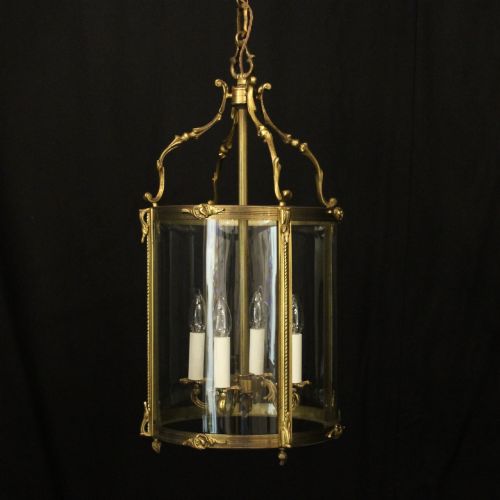
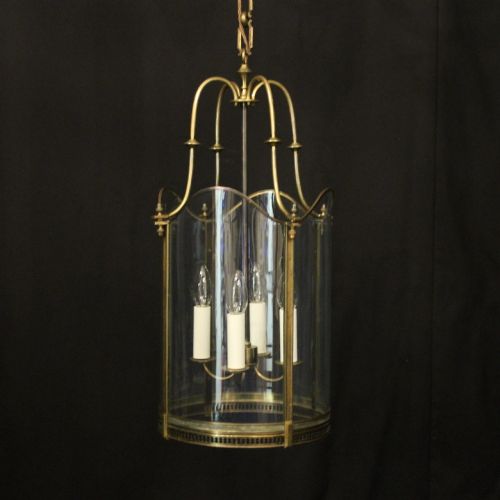
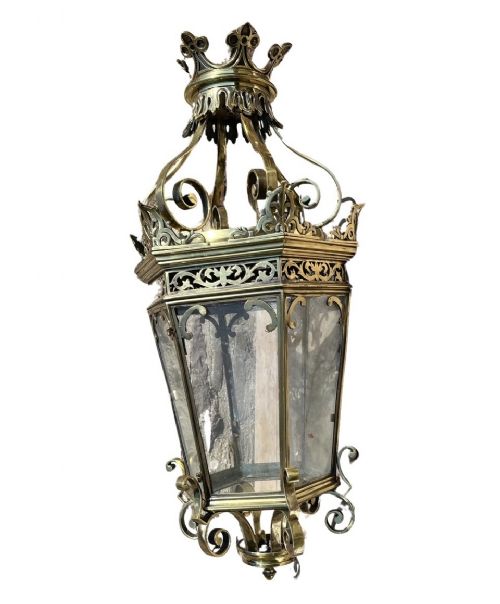
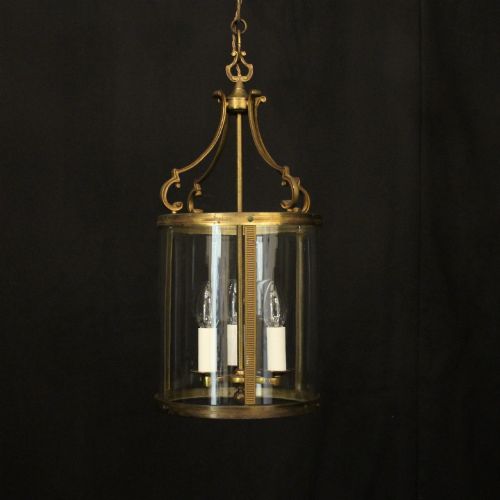
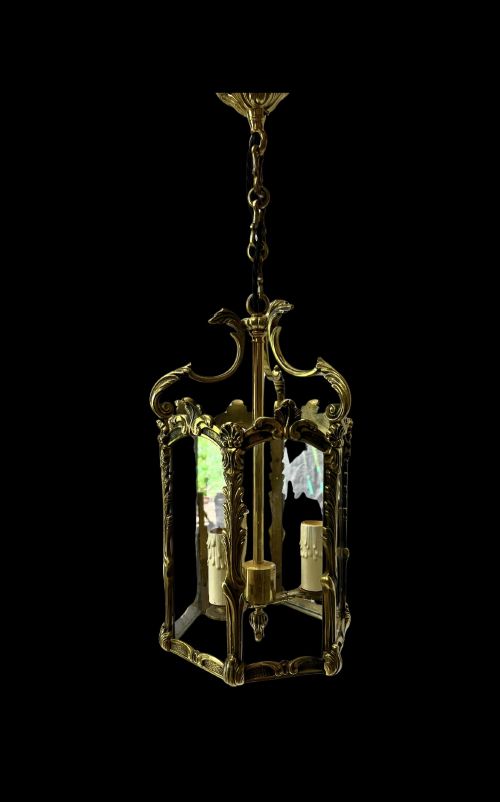
An entryway hanging lantern light brings functional overhead illumination to corridors, porches and vestibules using enclosed glass panels held within a metal framework. These ceiling-hung fixtures take the form of hall lanterns, pendant lights and ceiling lanterns designed to cast light across a transitional space.
The selection here draws primarily from nineteenth-century and early twentieth-century periods, spanning Victorian examples alongside pieces dated from the 1900s through to the 1930s. French designs predominate, alongside English and Italian pieces representing styles such as Gothic Revival, Arts and Crafts, and French Rococo.
Common formats range from compact single-light brass lanterns to large triple and quadruple-light fixtures equipped with convex glass or doors. Buyers encounter both robust wrought iron iterations and ornate gilded bronze or gilt brass constructions.
Materials and construction methods
Metalwork forms the skeletal structure of these fixtures, utilising cast brass, gilded bronze, wrought iron, copper and steel formed into frames, collars and decorative mounts. Lead secures individual glass panes within the metal channels, while gilding adds a reflective surface layer to bronze and brass frames.
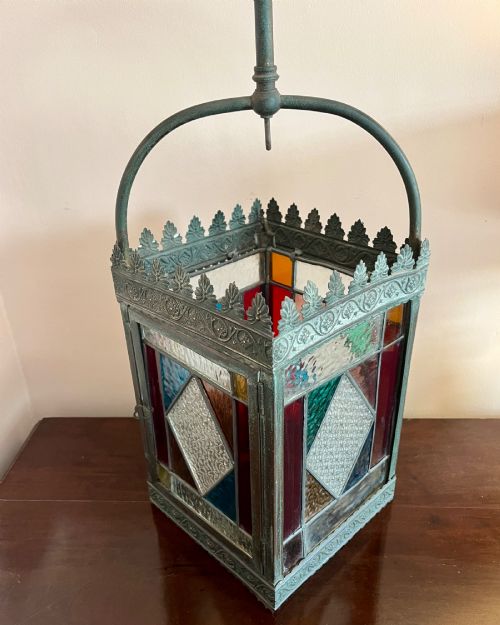
Glazing employs clear, stained or convex glass panels shaped to enclose the light source and diffuse illumination evenly. Doors, latches and hinges are integrated into the metal frames to allow access for maintenance and bulb replacement.
Entryway Hanging Lantern Light Retail Price Guide 2026
Typical asking prices for entryway hanging lantern light among the pieces listed under this phrase on Sellingantiques today, from the lower quarter to the upper quarter. They describe what is for sale here now, not the wider market.
Listings feature brass, bronze, iron, steel and copper materials across Victorian and early twentieth-century periods.
Distinctions in quality
Quality rests in the precision of the metalwork and the weight of the bronze, brass or iron used in the frame. Heavier castings, crisp chasing on gilded mounts and substantial gauge metal separate standard utility fixtures from finely detailed salon lanterns.
The Entryway Hanging Lantern Light Glossary
- Convex glass
- Curved glass panels that project outward, softening internal light sources and widening the beam. They require specialised moulding techniques during manufacture.
- Gilded bronze
- Bronze metal treated with a thin layer of gold leaf or gilt wash. This technique protects the underlying metal while offering a rich metallic sheen.
- Hall lantern
- A ceiling-hung lighting fixture specifically scaled for narrow corridors and entrance spaces. These pieces typically feature protective glass sides and enclosed tops.
- Wrought iron
- Iron heated and hammered into shape by hand, resulting in a textured surface finish. It appears frequently in Arts and Crafts and Gothic Revival designs.
Entryway Hanging Lantern Light: Frequently Asked Questions
Where should an entryway hanging lantern light go?
These fixtures suit transitional spaces such as hallways, vestibules and porches where ceiling suspension provides central illumination. Their enclosed designs protect the light source from drafts in high-traffic entry points.
Ensure adequate ceiling height for hanging pendants so clearance remains comfortable beneath the lowest point of the frame.
How do I determine the period of a lantern?
Dating relies on stylistic markers combined with construction materials, such as heavy cast bronze frames from the early twentieth century or hand-hammered wrought iron typical of nineteenth-century Arts and Crafts work. Fasteners, wiring channels and hinge types also offer clues to the decade of manufacture.
Comparing the glass curvature and metal patination against documented examples helps narrow down the era.
Are these lanterns wired for modern use?
Many vintage fixtures have been electrified during their lifespan or adapted to house standard internal bulbholders. Some retain period wiring styles or require rewiring to meet contemporary electrical standards.
Inspect the internal cluster and ceiling cap to understand how the fixture connects to domestic power supplies.
How are multi-light lanterns constructed?
Multi-light configurations use internal brass or bronze frames to support two, three or four bulbholders within the glass enclosure. This setup distributes light evenly through the surrounding panels without casting heavy shadows.
Access to these interior clusters is often provided via a hinged door or a drop-down base.