

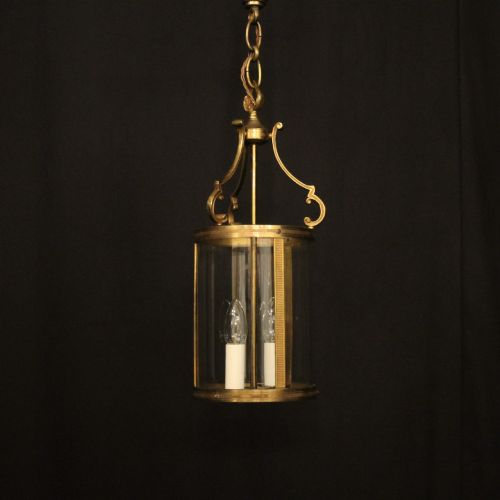
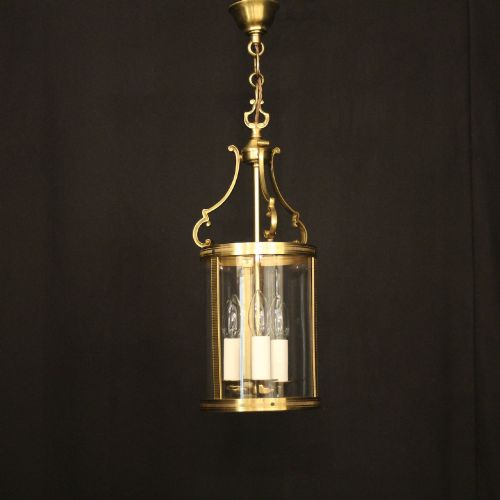
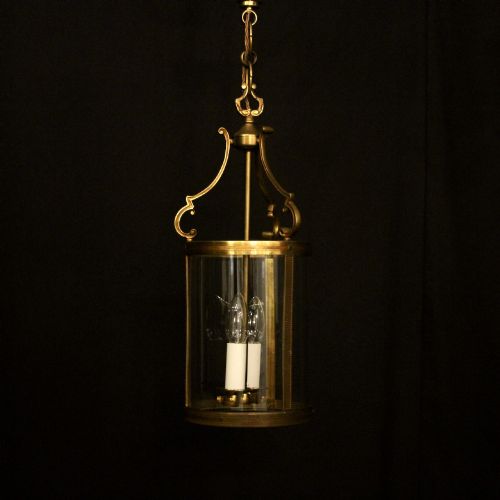
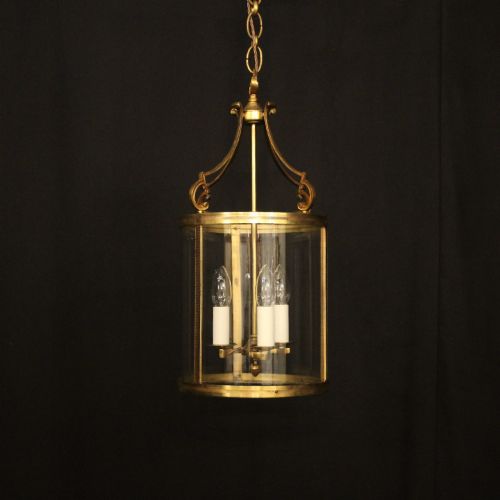
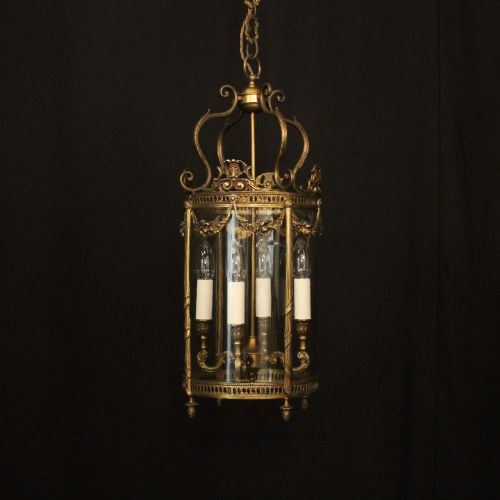
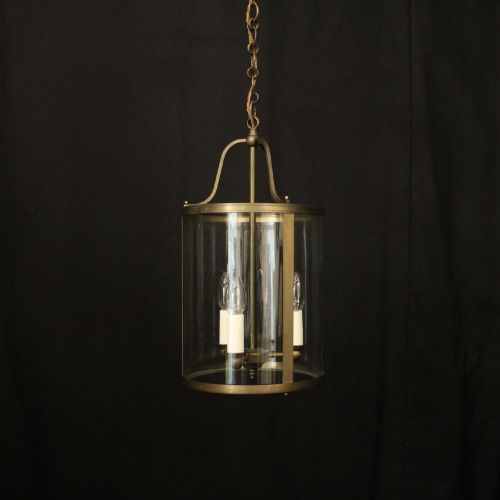
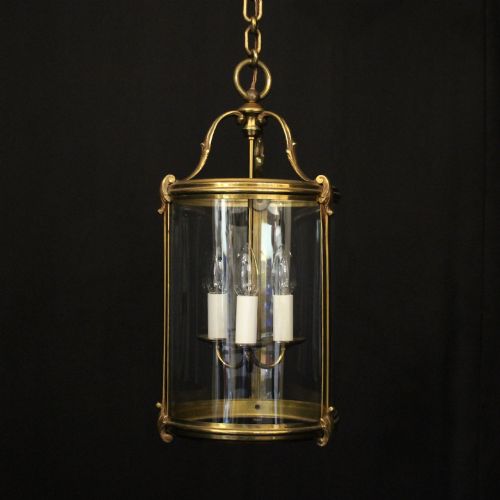
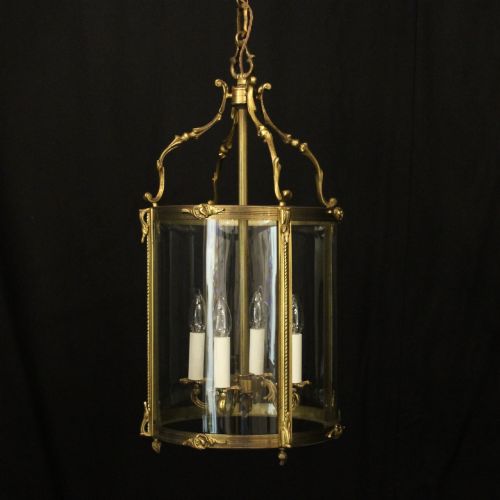


Convex Glass Pendant Light
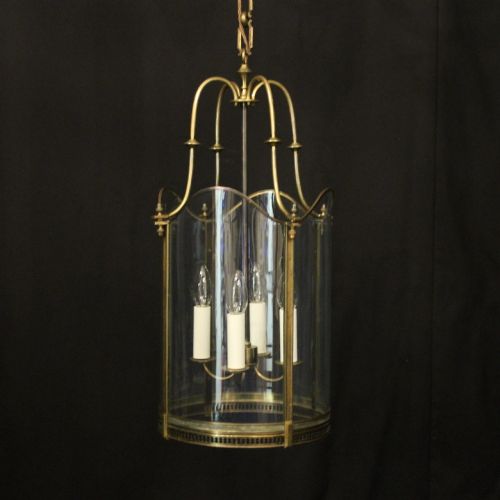
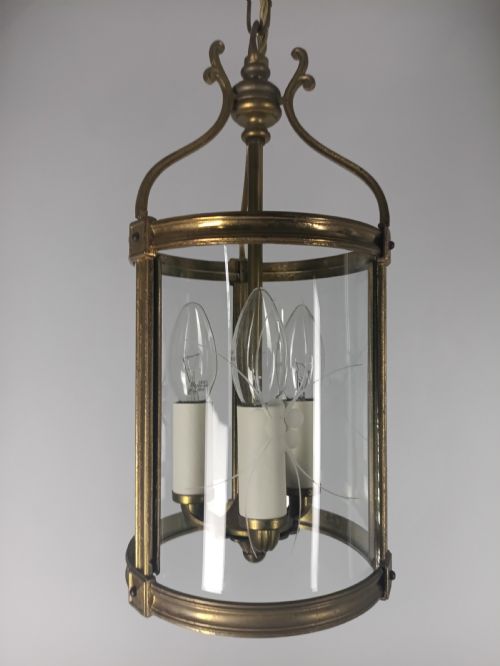
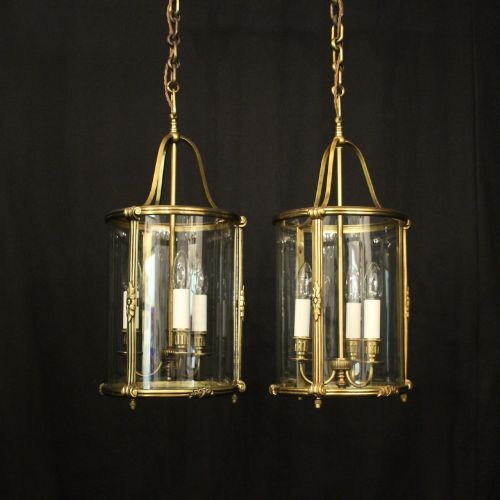
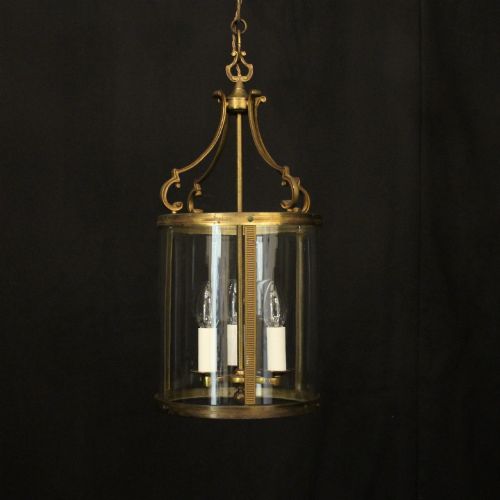
A convex glass pendant light brings singular presence to an entranceway, combining heavy metalwork with curved panes that diffuse light cleanly across the room.
Convex Glass Pendant Light
A convex glass pendant light is typically encountered as a hall lantern or ceiling light originating from the 1920s and 1930s. These hanging fixtures serve as commanding focal points in corridors, stairwells and entrance halls where illumination meets architectural character.
The selection here draws heavily from French workshops alongside English examples, reflecting styles such as French Louis XVI, French Empire and English Regency. Most pieces employ a substantial metal frame designed to enclose multiple internal light fittings.
Buyers seeking a convex glass pendant light will find single, triple and four-light configurations designed to hang securely from ceilings. The combination of curved glass panels and metal framing defines this distinct category of antique lighting.
Materials and construction methods
The construction relies on sturdy frames formed from brass, gilt brass, gilded bronze and gilt metal. These metallic structures provide the necessary rigidity to support the curved glass panels without flexing under weight.
Glass is utilised in blown or pressed convex forms, allowing the panes to bow outward and catch ambient light from multiple angles. Selected pieces incorporate delicate etching upon the glass surface for added decorative detail.
Metal components receive gilding to enhance their visual warmth and complement the transparency of the surrounding glass. Internal wiring configurations accommodate multiple bulb holders, ranging from simple single points to complex triple and quadruple light clusters.
Convex Glass Pendant Light Retail Price Guide 2026
Typical asking prices for convex glass pendant light among the pieces listed under this phrase on Sellingantiques today, from the lower quarter to the upper quarter. They describe what is for sale here now, not the wider market.
Listings feature items exclusively from the 1920s and 1930s, constructed predominantly from glass, brass, bronze and gilt metals.
Distinctions in quality and execution
Quality separates ordinary castings from superior examples through the crispness of the metal ornamentation and the weight of the bronze or brass used in the frame. Finer pieces display intricate chased details on the metal mounts rather than simple flat surfaces.
The clarity and thickness of the convex glass panels dictate the overall visual refinement of the fixture. Thicker glass produces a more substantial reflection and resists distortion better than lighter, thinner alternatives.
The integrity of the gilding and the cohesion between the glass panes and their metal rebate determine longevity and aesthetic balance. Superior lanterns maintain tight joints where the curved glass meets the frame without excessive visible securing agents.
The Convex Glass Pendant Light Glossary
- Convex glass
- Glass formed with an outward curve that projects from the frame. This curvature disperses light more broadly than flat glass panels.
- Gilt bronze
- Bronze metal treated with a thin layer of gold or gold-coloured finish. It provides a durable, lustrous surface popular in high-end decorative lighting.
- Hall lantern
- A ceiling-suspended light fixture specifically scaled for entryways and corridors. These fixtures often feature enclosed glass sides to protect the flame or bulbs from drafts.
- Regency style
- An English design aesthetic spanning the early nineteenth century characterised by classical restraint and clean lines. Pieces in this style often employ restrained brass mounts.
- Etched glass
- Glass decorated by applying acid or abrasives to cut designs into the surface. This technique creates frosted patterns that soften the emitted light.
Convex Glass Pendant Light: Frequently Asked Questions
Where should a convex glass pendant light be hung?
These fixtures suit entrance halls, high-ceilinged corridors and stairwells where their vertical presence can be fully appreciated. Hanging them at a sufficient height ensures adequate clearance while allowing the curved glass to distribute light effectively.
Positioning them centrally within a space lets the metalwork and glass act as an architectural feature rather than mere task lighting. Their enclosed design protects the internal bulbs from everyday air movement in busy transitional areas.
How do I identify a 1920s piece?
Pieces from the 1920s frequently exhibit specific French provincial or neoclassical revival styles executed in gilded bronze or brass. The construction methods of this decade rely on heavy cast metal components combined with hand-formed convex glass panels.
Examining the internal electrical fittings and the composition of the metal frame helps confirm the period. These lanterns typically display a heavy, solid construction standard for high-grade decorative lighting of that era.
Are these lights suitable for low ceilings?
Most of these lanterns are designed with hanging drops that require adequate vertical clearance to look balanced and function safely. Placing them in rooms with restricted height can crowd the space and disrupt traffic flow beneath the fixture.
For standard ceiling heights, measuring the drop of the lantern against the floor clearance is essential before installation. Selecting models with shorter suspension chains helps integrate them into moderately proportioned rooms.
How do multiple light fittings affect illumination?
Triple and four-light configurations project significantly more brightness and distribute it evenly in all directions through the convex glass. Multiple bulbs prevent harsh shadows by bouncing light off the interior metal surfaces and the curved glass panes.
Choosing a multi-light version provides a robust primary light source for dark hallways or large entry spaces. The arrangement of the bulbs inside the cage ensures the illumination remains balanced across the entire circumference.