

Gilded Brass Candle Sconces
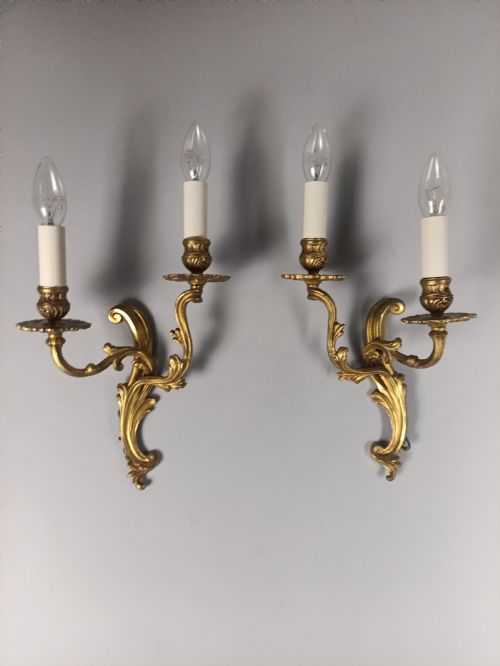
These gilded brass candle sconces bring warmth and decorative illumination to interior walls, drawing on French design traditions.
Gilded Brass Candle Sconces
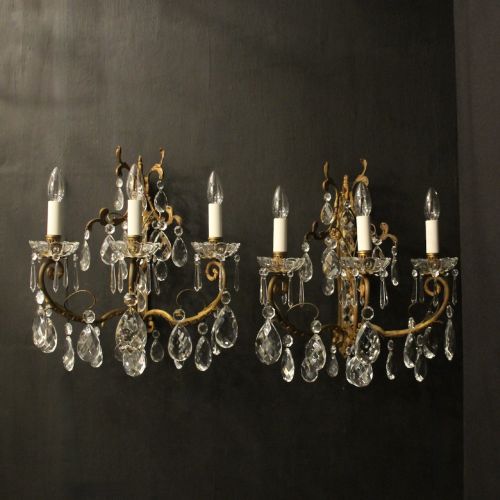
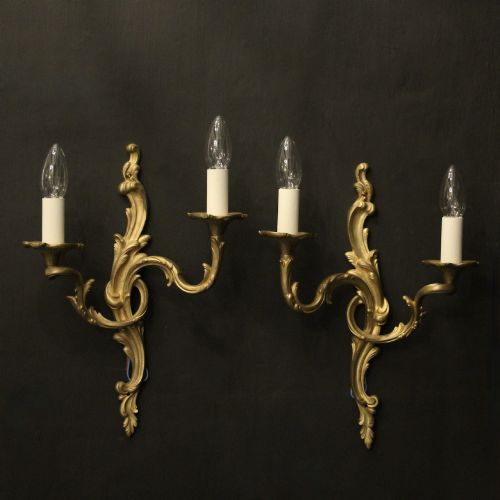
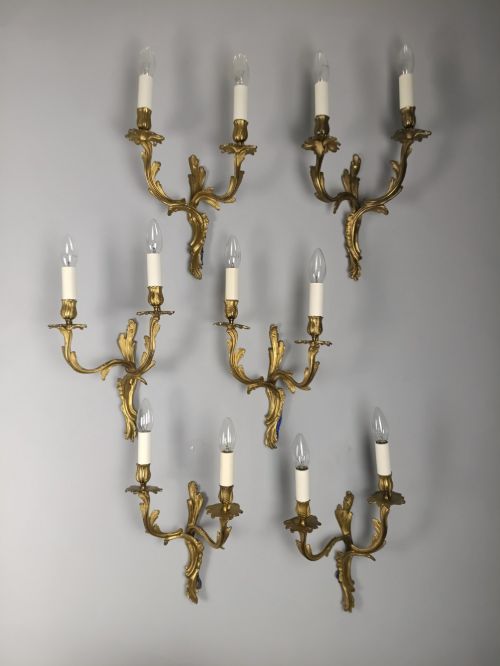
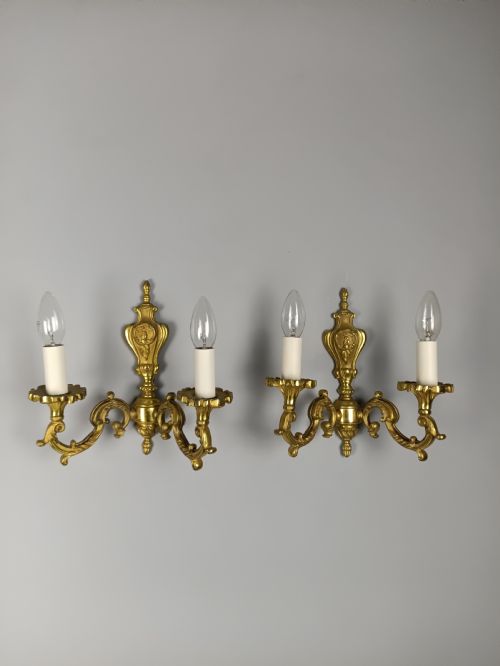
When searching for gilded brass candle sconces, buyers encounter wall-mounted lighting fixtures designed to hold candles or wired for electricity. The selections span the nineteenth century through the mid-twentieth century, with a strong representation from French workshops dating around nineteen thirty.
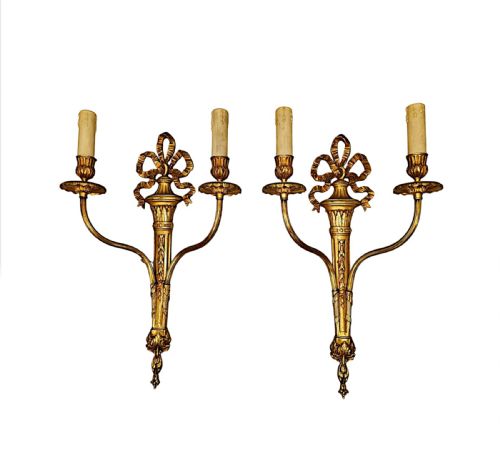
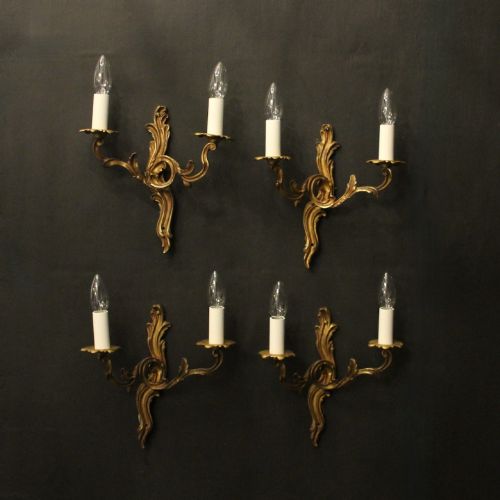
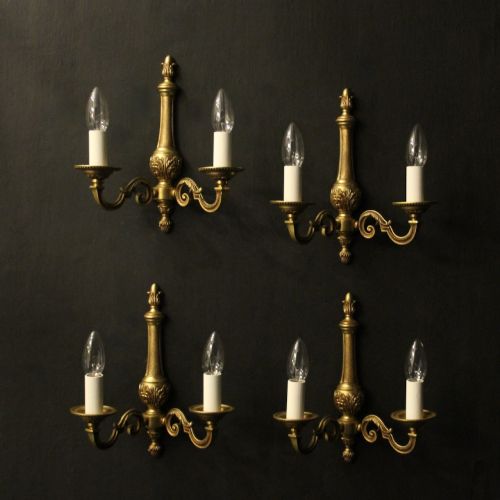
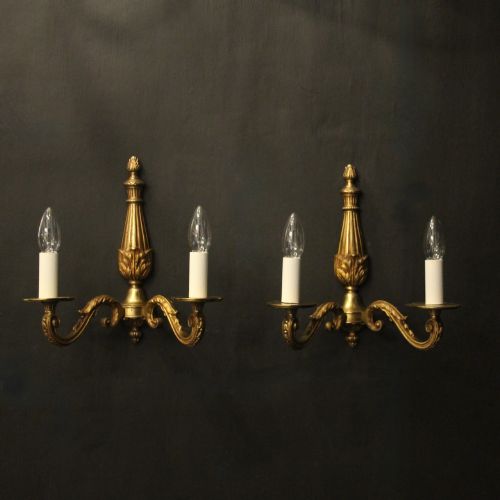
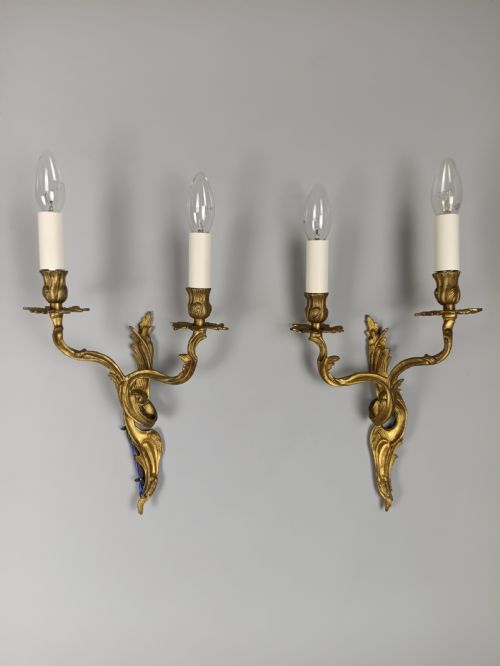
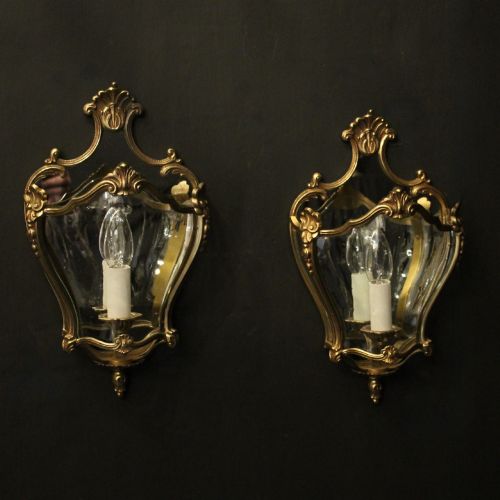
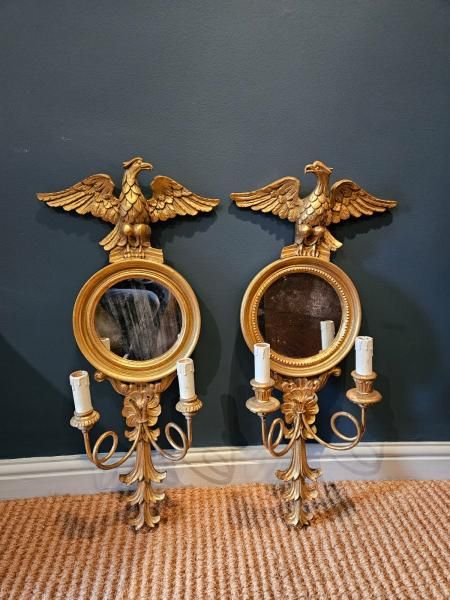
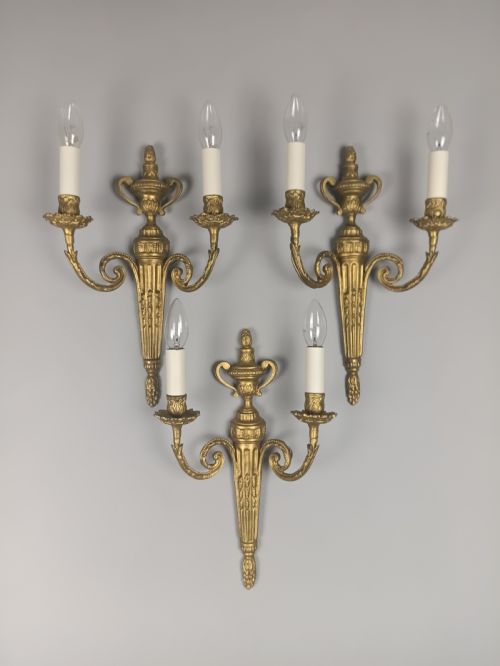
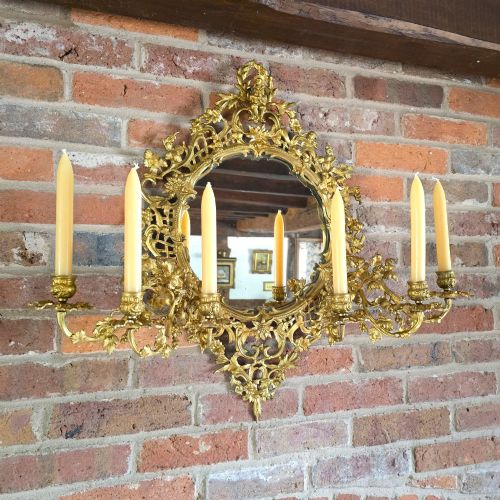
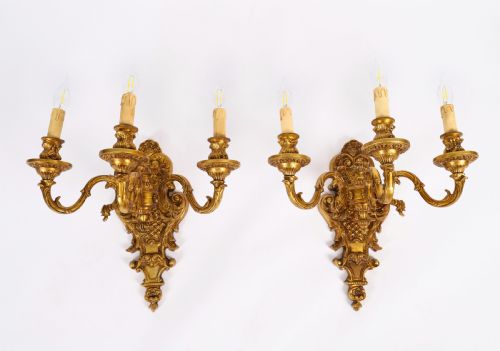
Most examples take the form of twin or triple-arm wall lights, alongside mirror-back sconces, girandoles, and half lanterns. French Rococo and Louis XVI styles dominate the listings, showing elaborate casting, ribbon motifs, and symmetrical scrollwork.
How they were made
The construction relies heavily on brass, bronze, and gilt metal, often finished with ormolu or gilding to achieve a bright surface layer. Selected pieces incorporate glass elements, champleve enamel, and onyx accents to build complex decorative forms.
Casting and chasing techniques allow for intricate relief work, particularly in the floral and ribbon motifs seen across nineteenth-century and later twentieth-century iterations.
Listings feature periods spanning from the mid-nineteenth century through nineteen fifty, with French stylistic influences appearing across brass, bronze, and gilt metal forms.
What varies in quality
The definition of the casting and the crispness of the chased detail separate standard items from superior examples. Heavier bronze foundations and finely articulated rococo scrolls indicate higher workmanship during the manufacturing process.
The consistency and preservation of the original gilding or ormolu finish also determine the visual weight and historical integrity of each wall light.
The Gilded Brass Candle Sconces Glossary
- Ormolu
- A technique of applying finely ground high-carat gold to a bronze object. This method creates a rich, durable golden surface on decorative metalwork.
- Girandole
- A branched wall-mounted candleholder often incorporating a mirror. The reflective backplate helps amplify the light cast by the candles.
- Champleve
- An enamelling technique where troughs are carved into the metal surface and filled with vitreous paste before firing. It frequently appears on nineteenth-century candlesticks and decorative hardware.
- Louis XVI
- A neoclassical design style characterised by straight lines, symmetry, and classical motifs such as ribbons and urns. It contrasts with the asymmetrical curves of the earlier rococo period.
- Applique
- A French term for a wall-mounted light fixture or sconce. These pieces attach directly to wall surfaces to provide ambient illumination.
Gilded Brass Candle Sconces: Frequently Asked Questions
How do I install antique wall sconces?
Many vintage wall lights arrive rewired and ready for installation by a qualified electrician, who secures the fixture to a standard wall junction box.
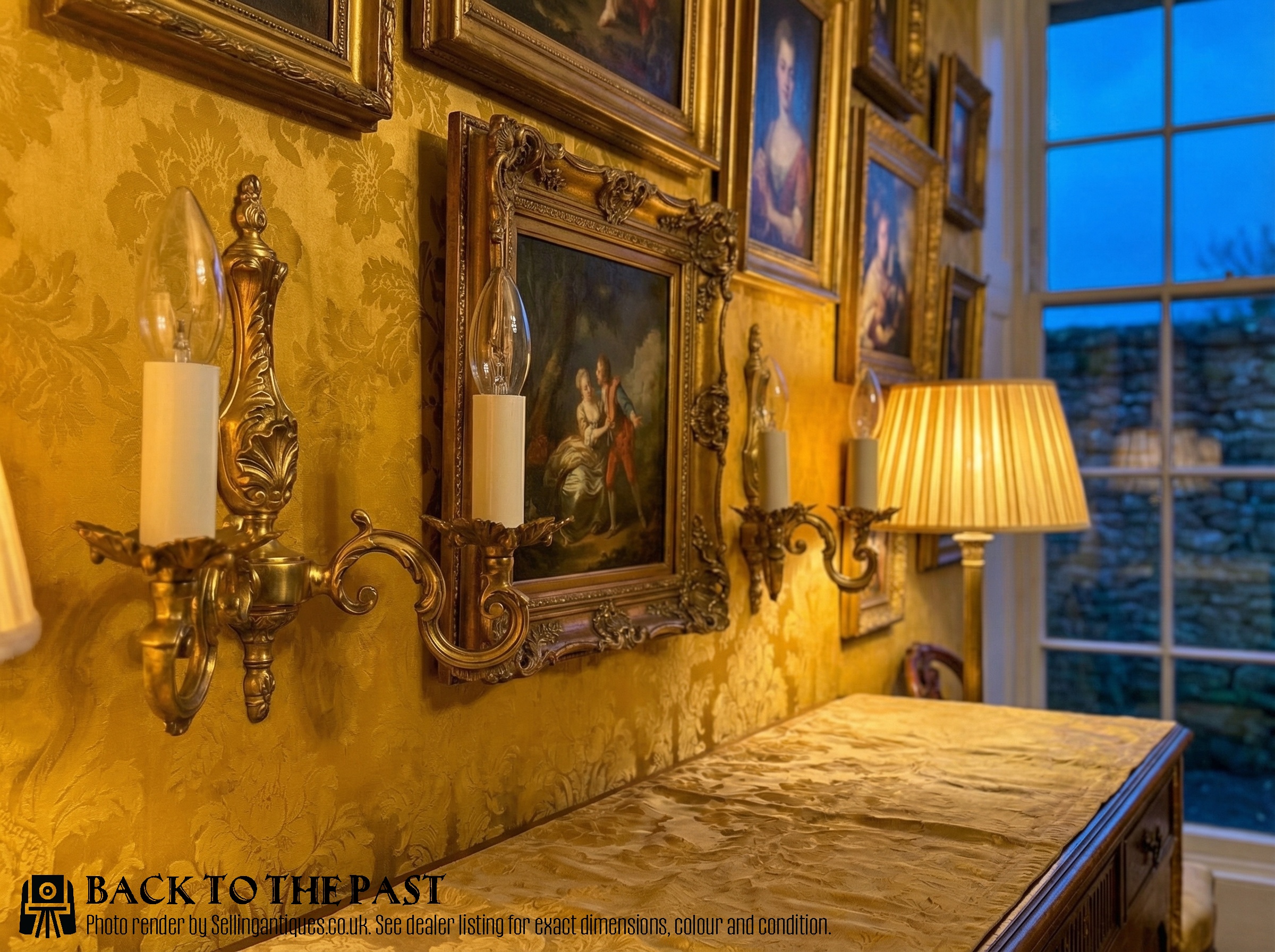
Placement typically depends on room proportions, often flanking mirrors, fireplaces, or doorways for balanced illumination.
Were these sconces originally wired for electricity?
Most pieces from the nineteenth and early twentieth centuries were originally designed for wax candles rather than modern bulbs. Subsequent conversions adapt the sockets to hold electric lamps while retaining the original metalwork.
Buyers should check individual listings to confirm whether wiring has been updated for current electrical standards.
What is the difference between rococo and louis xvi styles?
Rococo design focuses on asymmetry, naturalistic plant forms, and flowing C-scrolls that create a dynamic visual movement. This style appears frequently on mid-nineteenth-century wall lights.
Louis XVI style returns to classical geometry, featuring straight lines, architectural symmetry, and restrained decorative elements like ribbons and floral swags.
How do I care for gilded brass surfaces?
Maintenance requires gentle dusting with a soft, dry cloth to prevent the accumulation of grit on the delicate metal surface. Avoid abrasive cleaning products and chemical polishes, as these can strip away the original gilding or ormolu finish.