
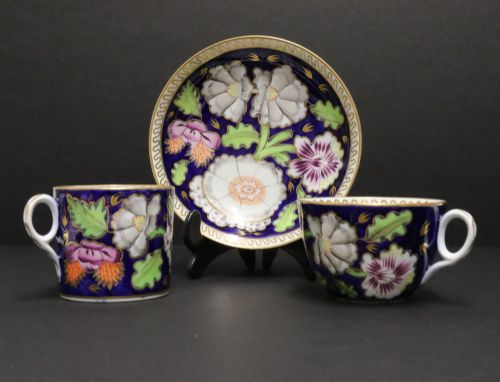
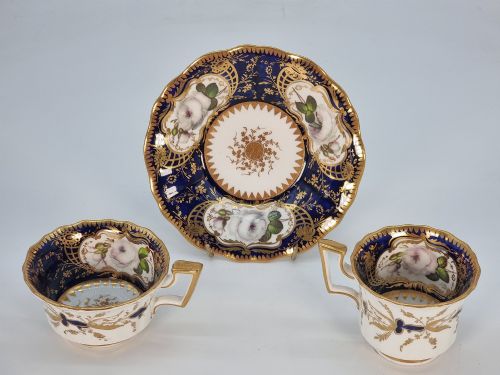
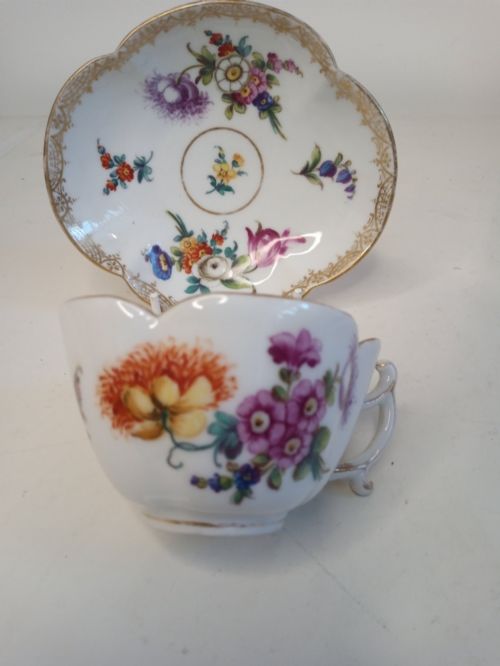
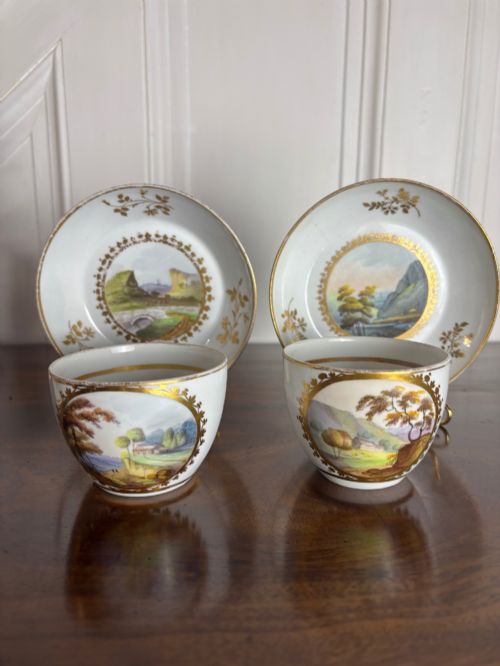


Gilded Bone China Saucers
These gilded bone china saucers bring bright ceramic forms and metallic lustre to the table, offering a touch of refined history for daily use or display.
Gilded Bone China Saucers
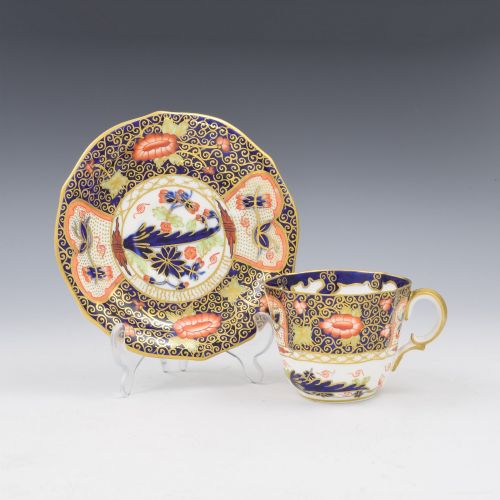
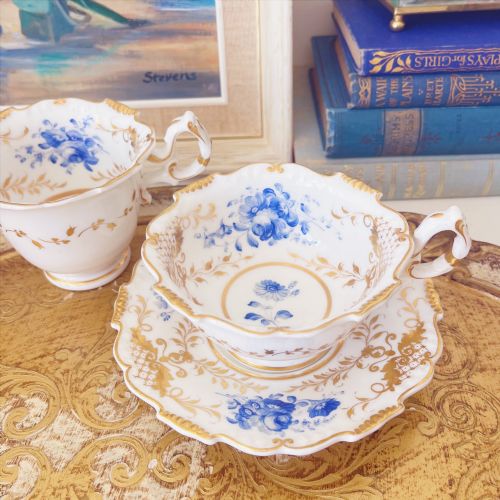
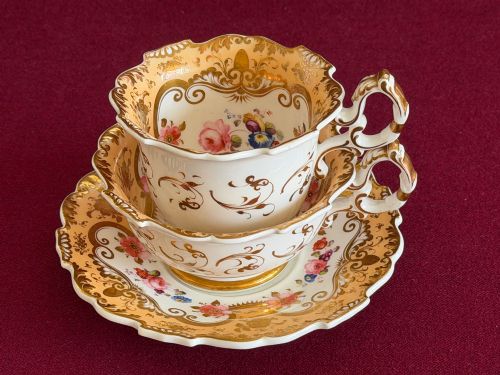
When you search for gilded bone china saucers, you are looking at small ceramic plates designed to hold cups, often appearing alongside teacups, trios, and larger tea services. These items span periods from the Regency era through the Victorian and Edwardian years into the twentieth century.
You will most commonly meet pieces shaped during the nineteenth century, including works from the Regency and Victorian periods, alongside later twentieth-century examples. They frequently form part of sets intended for afternoon tea or coffee service rather than standing entirely alone.
How they were made
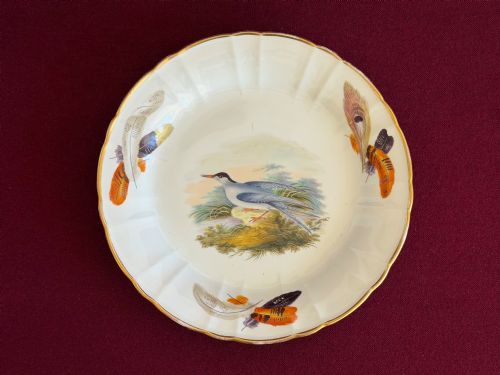
Makers shaped these items using porcelain and bone china, combining ceramic body production with handpainted decoration and enamel work. Artisans then applied gold leaf, gilding, or gold gilt to rims and surfaces to create metallic contrast.
Kiln firing set the ceramic body and fixed the painted designs and gold embellishments onto the glaze. Many examples show individual brushwork applied by named decorators before final finishing.
The listings on this site span porcelain, bone china, and gold leaf across Regency, Victorian, and Edwardian periods.
What varies in quality
The standard of these items rests upon the crispness of the porcelain body and the precision of the handpainted details. Superior examples display careful enamel work and even application of gold leaf or gilding without heavy wear.
Form and provenance also separate standard domestic wares from cabinet pieces, with certain shapes and known decorators lifting specific items above everyday production.
Royal Crown Derby·H and R Daniel·Wedgwood·Newhall·Coalport·Minton·Flight Barr and Barr·Royal Worcester·Doric China Longton Stafford·Davenport·Wileman Foley Shelley·Spode Copeland·Gladstone potteries
The Gilded Bone China Saucers Glossary
- Bone china
- A type of soft-paste porcelain containing bone ash, which gives the ceramic body strength and a characteristic milky translucency.
- Gilding
- The application of gold leaf, gold paint, or gold gilt to ceramic surfaces for decoration.
- Trio
- A matched set consisting of a teacup, a saucer, and a corresponding side or salad plate.
- Enamel
- Opaque glass-like paint applied over the glaze and fired again to produce bright permanent colours.
- Cabinet piece
- An ornamental ceramic item made for display in a cabinet rather than for regular functional use.
Gilded Bone China Saucers: Frequently Asked Questions
How do I date these saucers?
Dating relies upon factory marks stamped or painted on the underside, stylistic cues from periods like Regency or Edwardian, and the specific shape of the ceramic body.
Comparing pattern numbers with manufacturer archives helps narrow the decade of production.
Were they used every day?
Many sets served formal afternoon tea or social gatherings rather than rough daily meals, though wear varies across individual pieces.
Finer cabinet examples were often kept strictly for display behind glass.
Can I mix different tea services?
Mixing items from the Regency, Victorian, and later periods creates a varied table display that highlights different decorative styles.
Matching colour palettes or gold accents helps unify disparate cups and saucers.