
Gilded Teacups
Gilded antique teacups bring porcelain and gold leaf together on the table, offering a glimpse into centuries of fine ceramic design.
Gilded Teacups
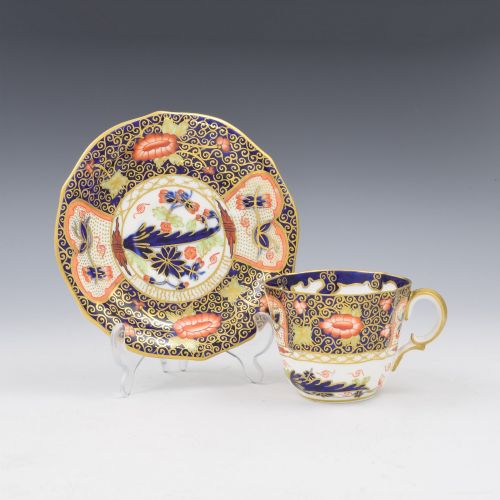
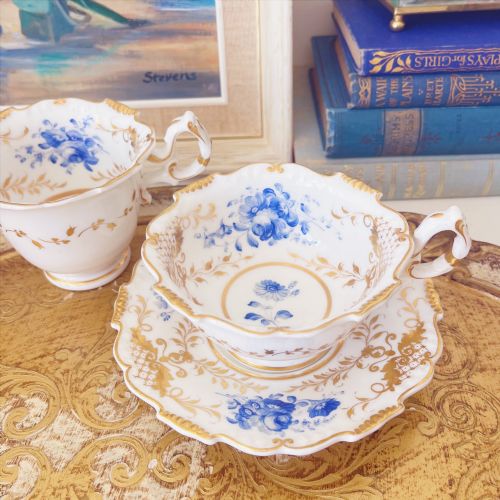
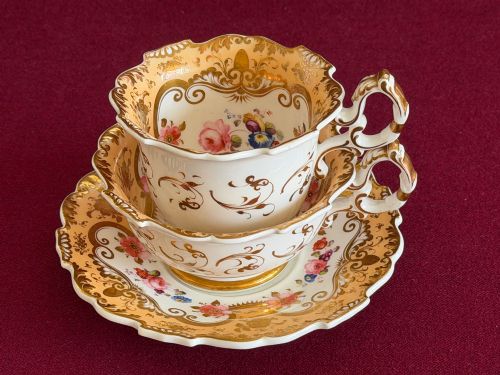
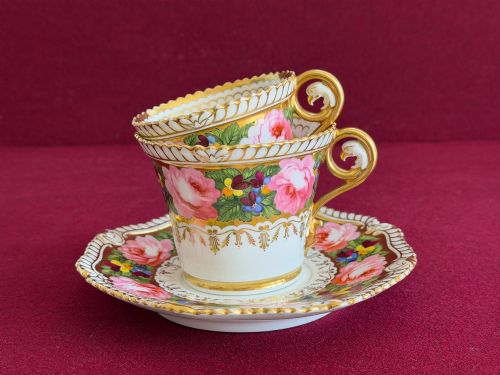
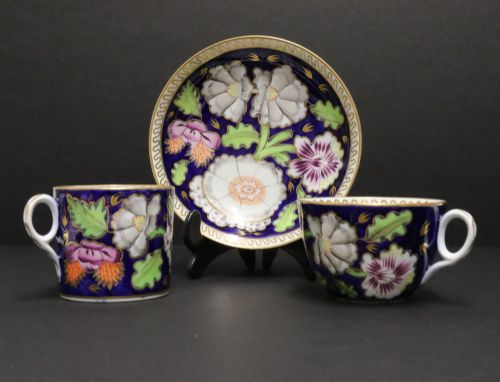
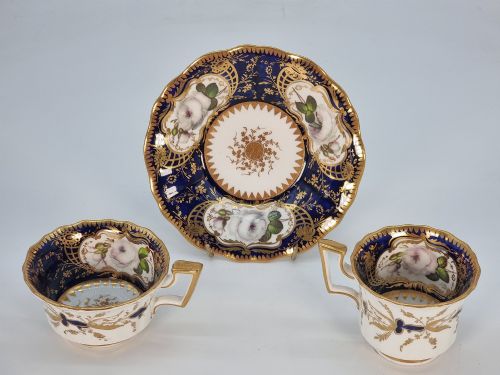
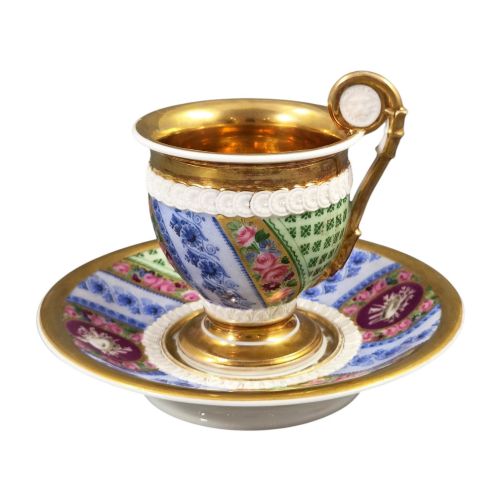
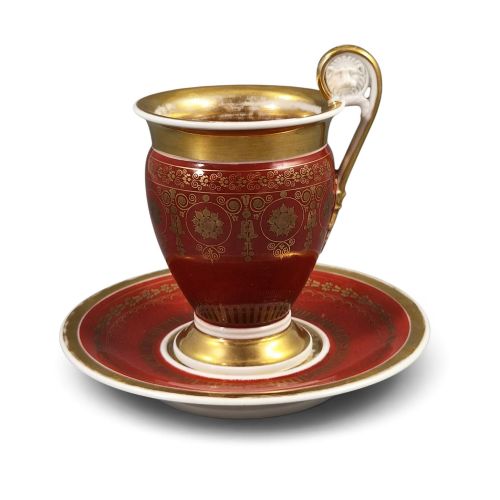
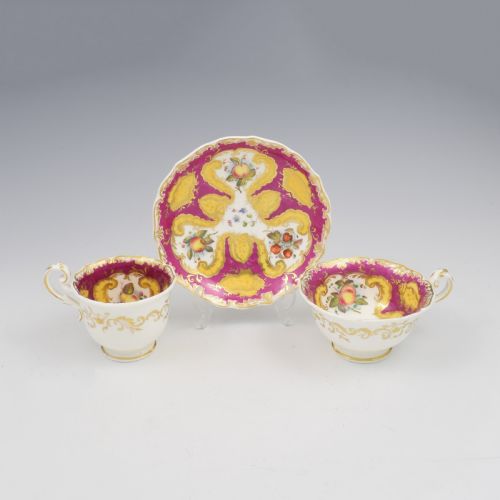
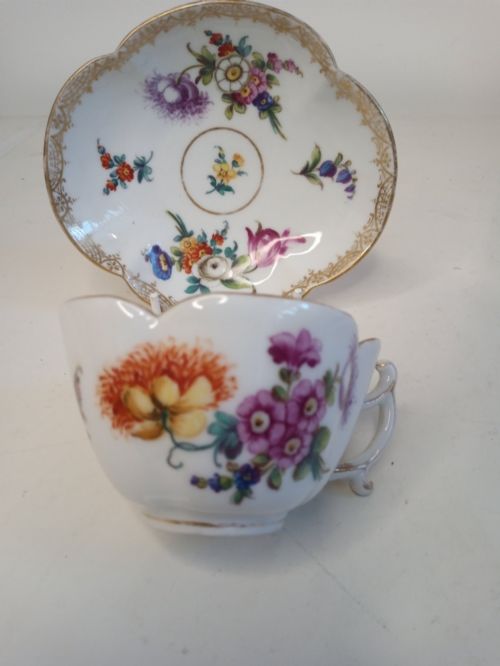
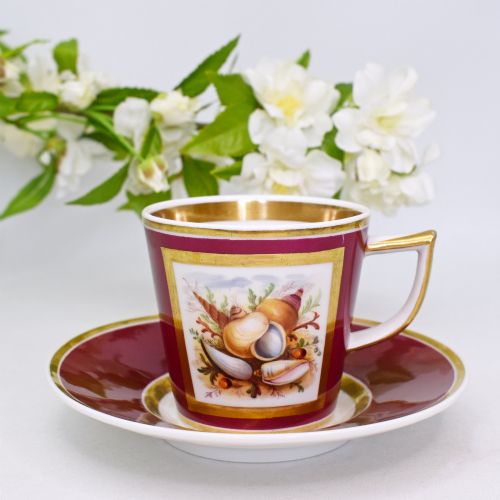
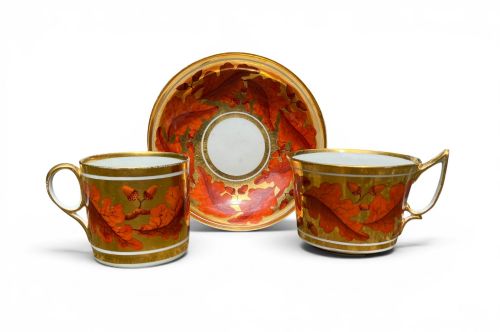
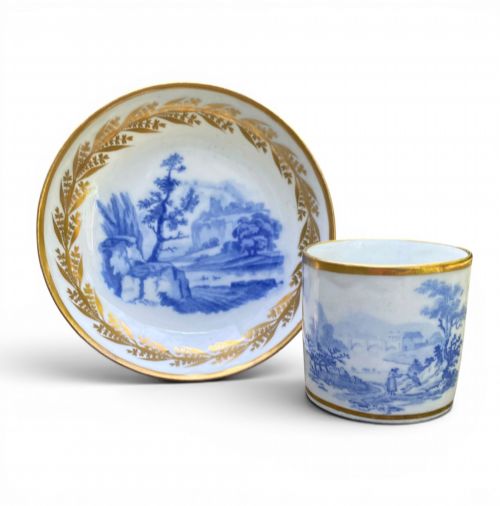
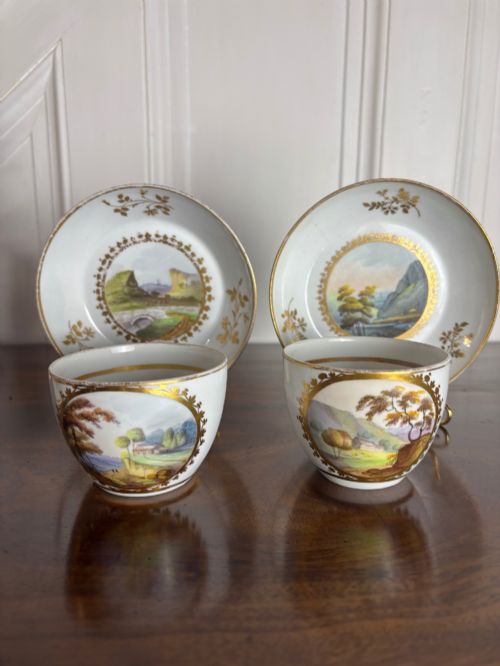
When you search for gilded antique teacups, you encounter porcelain vessels shaped into trios, cabinet cups, and complete tea services spanning the eighteenth century through to the early twentieth century. The selection ranges from early Worcester tea bowls and saucers to elaborate Victorian sets and Edwardian bone china.
Most examples hail from English potteries like Coalport, New Hall, and Chamberlain Worcester, alongside continental porcelain houses such as KPM Berlin and Vieux Paris. These formations appear as individual cups and saucers, trios with matching dessert plates, or multi-piece afternoon tea services.
The aesthetic stretches from restrained Georgian gilt borders to exuberant Regency patterns and ornate Victorian hand-painted landscapes. Each piece reflects the social rituals of tea drinking across changing periods of design.
Materials and construction
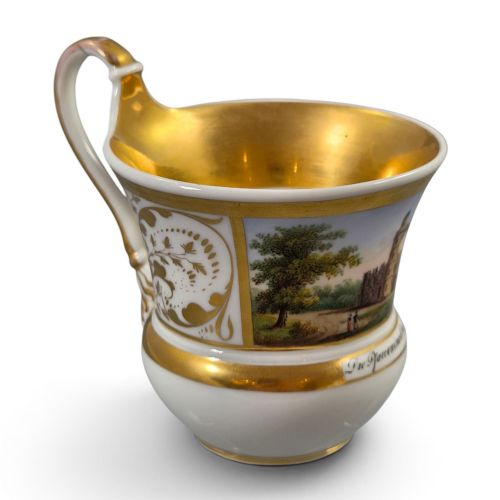
Makers utilised hard-paste porcelain, bone china, and soft-paste ceramic bodies as the foundation for these vessels, shaping them via throwing or casting before kiln firing. Enamel colours and hand-painted motifs were applied over or under the glaze to create topographical scenes, florals, and birds.
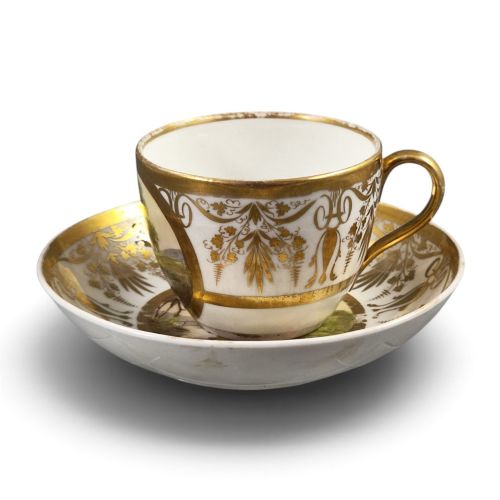
Gold leaf and gold gilding were meticulously painted or laid onto the porcelain surfaces, then fired and burnished to achieve a brilliant metallic sheen. This application often highlighted rims, handles, fluted borders, and intricate scrollwork.
Some cabinet cups feature lion mask handles, glaring steadfastly across the table as you sip your morning brew.
Separating the fine from the ordinary
Quality rests upon the precision of the hand-painting and the depth of the gilding, where crisp brushwork and heavy burnished gold distinguish superior cabinet pieces from standard production wares. The skill of named decorators and established factories elevates the artistic merit significantly.
The integrity of the porcelain body and the crispness of moulded details, such as lion mask handles or fluted contours, define the better examples. Preservation of the original gold leaf without excessive rubbing indicates careful handling across generations.
Royal Crown Derby·H & R Daniel·Chamberlain Worcester·Newhall·Coalport John Rose·KPM Berlin·Rockingham·Sevres·Flight Barr And Barr·Royal Worcester·Moser
The Gilded Teacups Glossary
- Trio
- A matched set consisting of a teacup, a coffee cup, and a saucer. This grouping became popular during the Georgian and Regency periods for formal tea and coffee service.
- Cabinet Cup
- A decorative cup and saucer intended for display in a cabinet rather than daily use. These pieces often feature hand-painted landscapes or elaborate armorial motifs.
- Gilding
- The application of gold leaf or gold paint to ceramic surfaces. It provides the characteristic metallic ornamentation on antique teacups.
- Hard-paste Porcelain
- A dense, vitrified ceramic material composed of kaolin and petuntse. It was widely used by European factories for durable and luminous tea wares.
- Guilloche
- An architectural pattern of intersecting curved bands. It appears as a decorative border on eighteenth-century porcelain saucers.
Gilded Teacups: Frequently Asked Questions
How do I date an old tea set?
Dating relies on factory marks stamped or painted on the base, alongside the potting style, paste composition, and painting techniques characteristic of specific periods like the Regency or Victorian eras. Shape profiles and pattern numbers also help narrow down the decade of production.
Examining the wear on the foot rim and the method of gilding provides additional clues to establish whether a piece originates from the eighteenth or nineteenth century.
Can I use antique cups for tea?
While these pieces were originally made for dining and social rituals, most collectors prefer to keep delicate porcelain and gold leaf away from modern dishwashers and heavy daily use. Hand washing in tepid water with mild soap protects the fragile enamel and prevents the gilding from wearing away.
Using them occasionally for gentle afternoon tea is acceptable provided you avoid thermal shock from boiling water poured directly into cold porcelain.
What is the difference between a tea bowl and a teacup?
Tea bowls are small handleless cups modelled after Chinese prototypes imported during the eighteenth century. Teacups feature applied handles for easier gripping as ceramic design evolved in European factories.
Both forms frequently appear accompanied by matching saucers in early porcelain table services.
Why do some cups lack makers marks?
Many early factories relied on pattern numbers, workman's ciphers, or paper labels rather than permanent factory stamps. Gilders and outside decorating studios often embellished blank porcelain wares without adding factory signatures.
Attribution then depends on matching the paste, shape, and pattern archives to known historic manufactories.