


Gesso Wood Mirror
A gesso wood mirror brings reflective depth and sculpted warmth to a room, relying on a plaster composition applied over a carved wooden base.
Gesso Wood Mirror
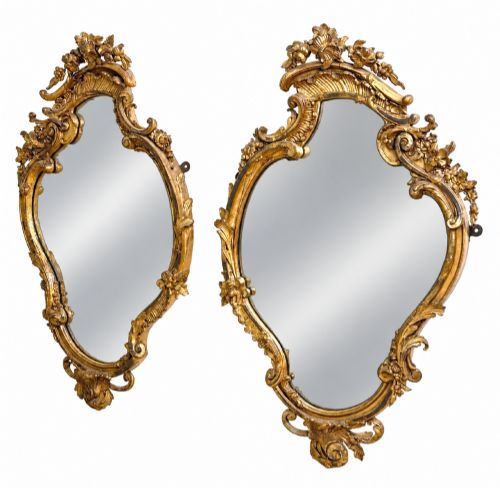
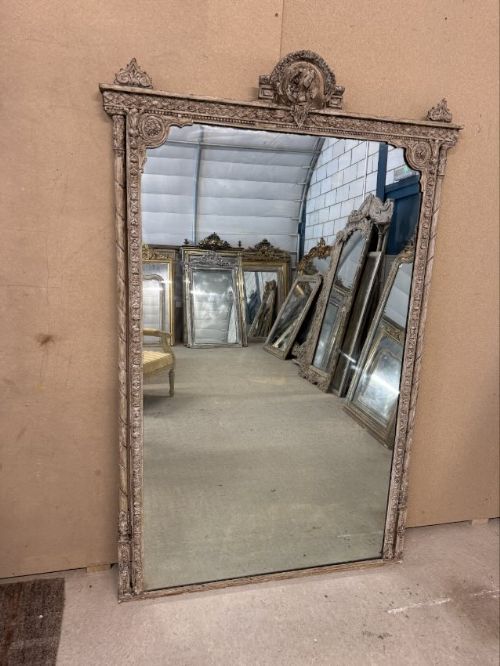
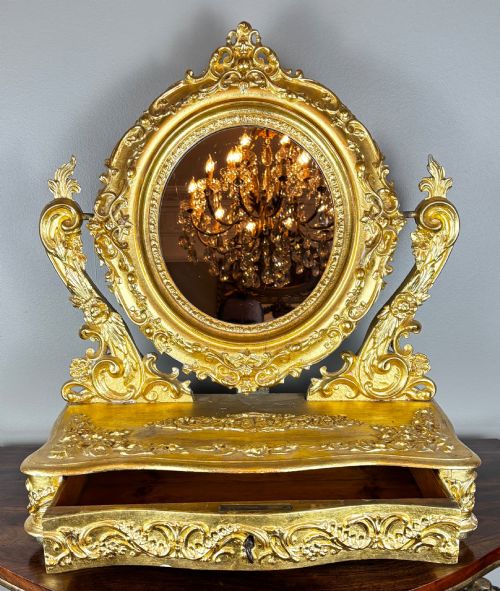
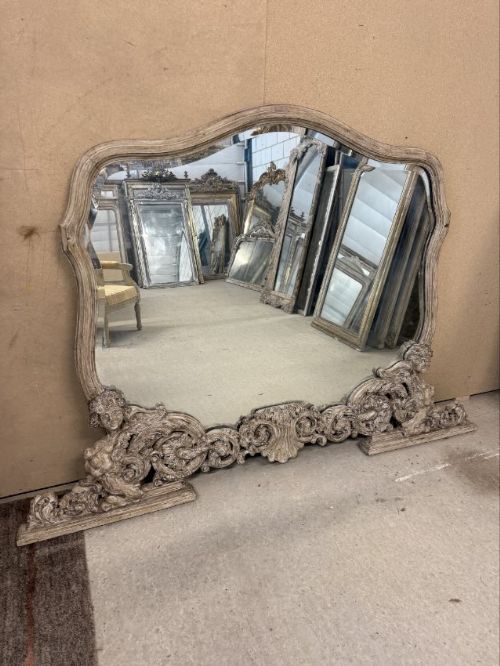
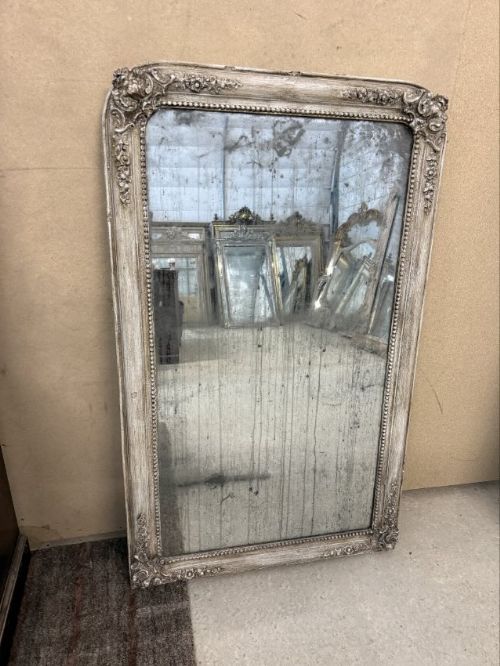
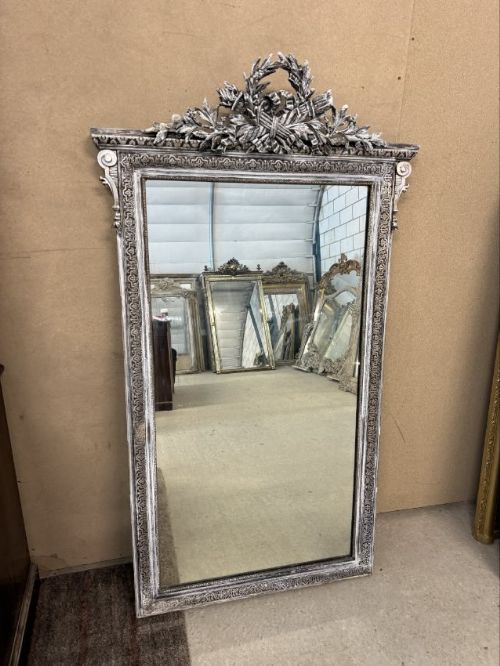
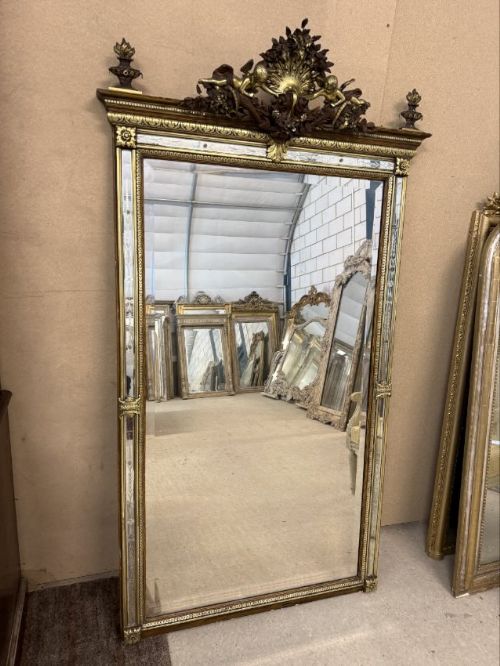
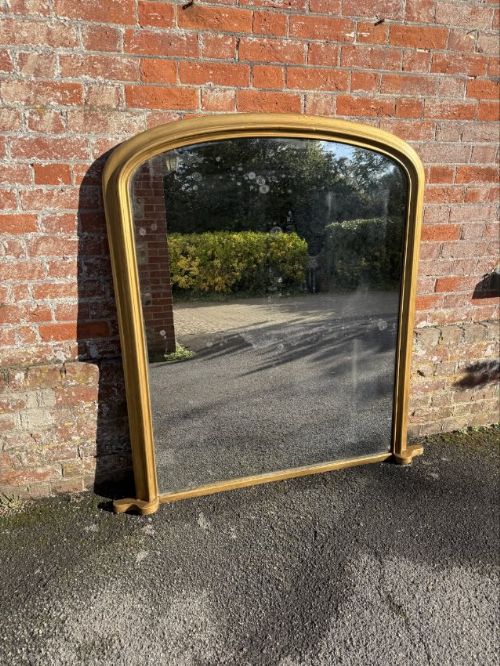
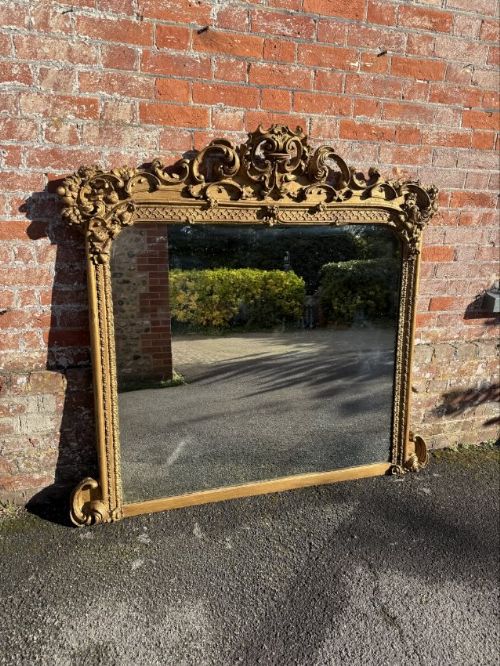
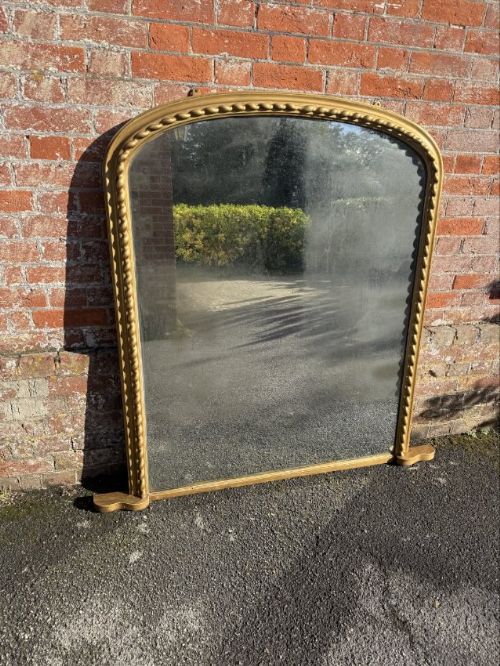
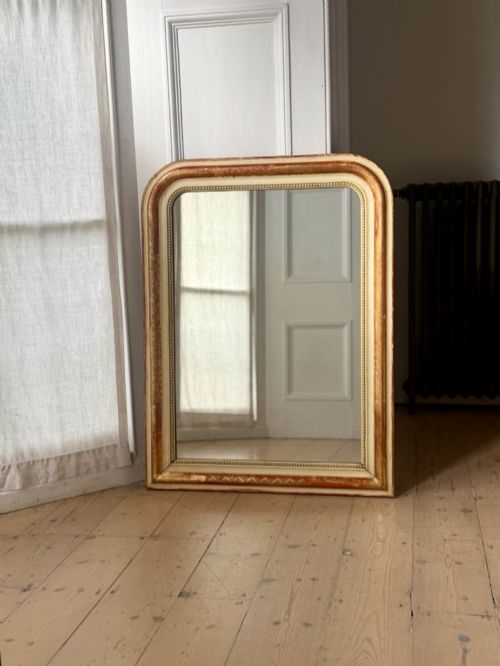
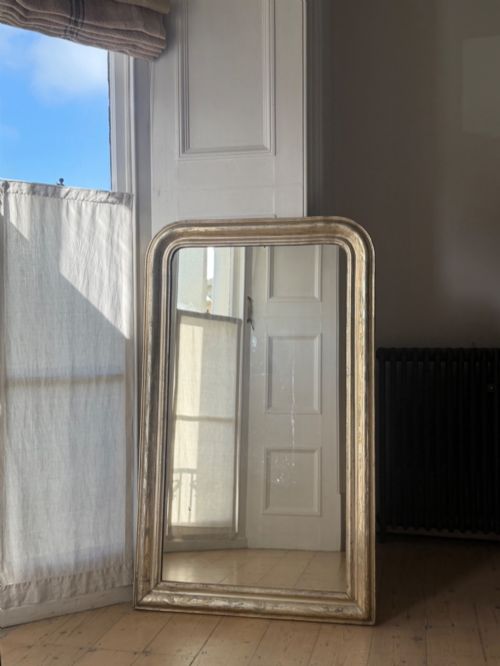
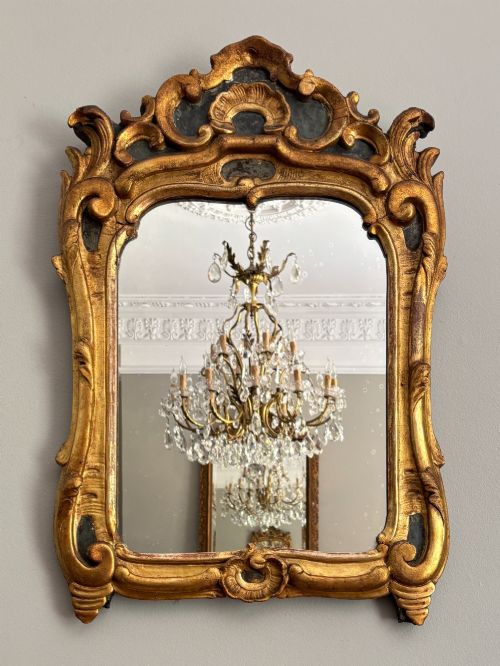
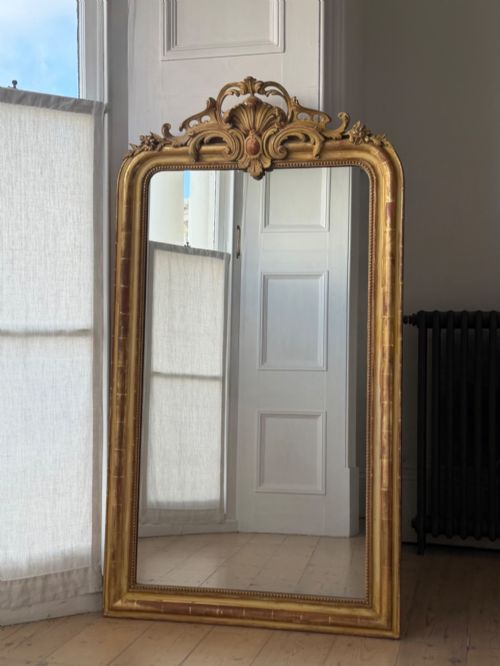
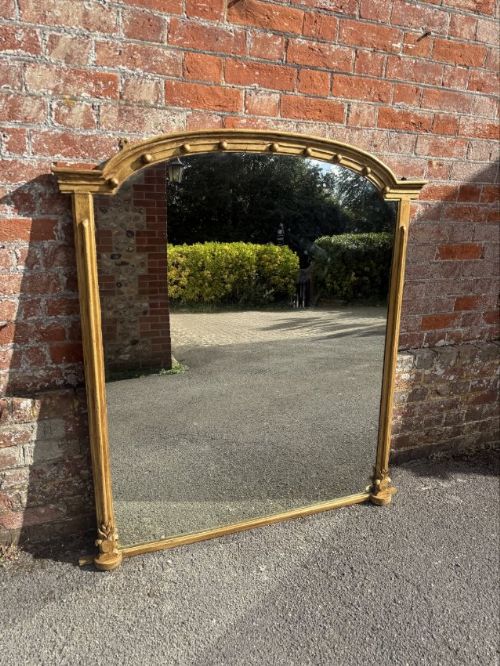
When searching for a gesso wood mirror, collectors encounter substantial overmantel and wall mirrors designed to command a principal room. The predominant examples appearing here stem from nineteenth-century English workshops, typically taking an arched top form intended for placement above a fireplace. French and Italian interpretations also surface, spanning wall mirrors, pier mirrors, and smaller table variants.
The design vocabulary draws heavily upon historical revivals, incorporating George II proportions, Louis XV curves, and Rococo flourishes alongside simpler rope twist or column frames. Pieces range from grand architectural overmantels down to oval wall formats and dressing mirrors. Dating stretches from the eighteenth century through the Victorian era into the early twentieth century.
Materials and construction methods
The foundation relies upon carved wood, usually pine or a similar timber, shaped to form the structural carcass and decorative mouldings. Artisans then applied gesso, a mixture of plaster of Paris or chalk bound with glue, building up thick layers over the timber base to receive sharp carving and detail. This smooth, absorbent ground provided the ideal surface for subsequent gilding with gold leaf or metal leaf, as well as painting.
Reflecting surfaces generally consist of traditional mirror glass or mercury glass, secured within the rebated frame behind the decorative gesso build-up. Frames often incorporate applied elements such as rope twists, ribbed mouldings, or tulip motifs pressed into or carved from the gesso layer before gilding took place.
Gesso Wood Mirror Retail Price Guide 2026
Typical asking prices for gesso wood mirror among the pieces listed under this phrase on Sellingantiques today, from the lower quarter to the upper quarter. They describe what is for sale here now, not the wider market.
Some nineteenth-century makers incorporated twisted rope motifs into the gesso, ensuring even mirrors got caught up in maritime enthusiasm.
Assessing craftsmanship and condition
Quality rests primarily upon the crispness of the modelled gesso relief and the depth of the underlying wooden carving. Superior pieces maintain sharp, undercut details where the plaster composition has taken the mould or chisel cleanly without rounding or softening.
The integrity of the original gilt surface and the character of the mirror glass dictate visual success. Finishes that retain their original gold leaf or early gilding without heavy modern overpainting command greater appreciation among purists.
The Gesso Wood Mirror Glossary
- Gesso
- A plaster-based medium applied to wood frames to create a smooth surface for carving and gilding. This mixture allows for intricate ornamental relief work.
- Giltwood
- Timber that has been coated with gold leaf over a prepared gesso ground. It provides a warm, reflective metallic finish.
- Overmantel mirror
- A large horizontal mirror designed specifically to hang on the wall directly above a fireplace mantelpiece. These pieces frequently feature arched tops.
- Mercury glass
- An early form of double-walled mirror glass created by pouring a mercury amalgam between two layers of glass. It produces a mottled, atmospheric reflection.
- Pier mirror
- A tall, narrow mirror designed to hang on the wall space between two windows. They often match the height of adjacent furnishings.
- Rococo revival
- A nineteenth-century design style emulating the asymmetrical scrolls, shell motifs, and exuberant curves of the eighteenth century.
Gesso Wood Mirror: Frequently Asked Questions
How do I hang a heavy gesso wood mirror?
Due to the substantial weight of the timber carcass and dense gesso layers, these mirrors require professional wall anchoring into solid masonry or structural studs. Wall fixings must distribute the load safely across the primary frame rather than relying on decorative crests.
Using a heavy-duty mirror plate or French cleat system ensures the piece hangs flush and secure against the wall without placing undue strain on the antique joints.
Where should I place an overmantel mirror?
Overmantel mirrors find their traditional home centred directly above a fireplace opening, where their proportions balance the hearth below. They also function effectively above large sideboards or console tables in principal reception rooms.
Positioning them opposite a window maximises natural light distribution, helping to brighten darker corners of an interior space while reflecting architectural details.
How do I distinguish eighteenth-century mirrors from later revivals?
Earlier eighteenth-century examples display hand-carved wooden detailing beneath thinner gesso layers, showing individual tool marks and organic asymmetry. Timber choice on the reverse typically points to period-appropriate softwoods or hardwoods suited to the region of origin.
Nineteenth-century revival pieces often utilise heavier, more uniform gesso applications and machine-sawn backing boards, reflecting the industrial techniques of the Victorian era.