



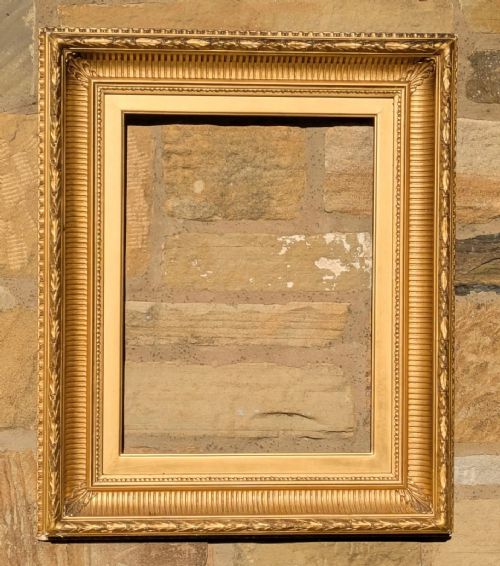
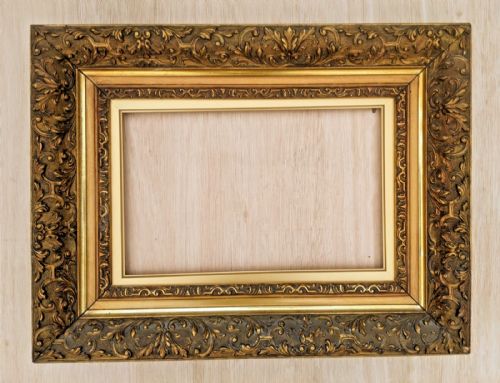


Gesso Gilt Portrait Frame
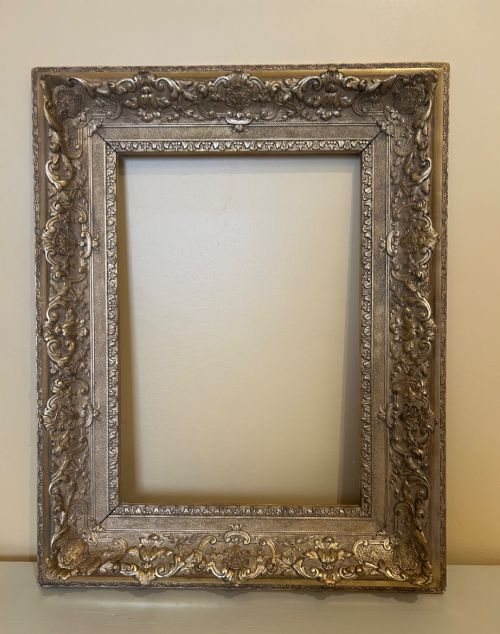
A gesso gilt portrait frame provides a gilded architectural surround that elevates portraiture through sculpted plaster and reflective leaf.
Gesso Gilt Portrait Frame
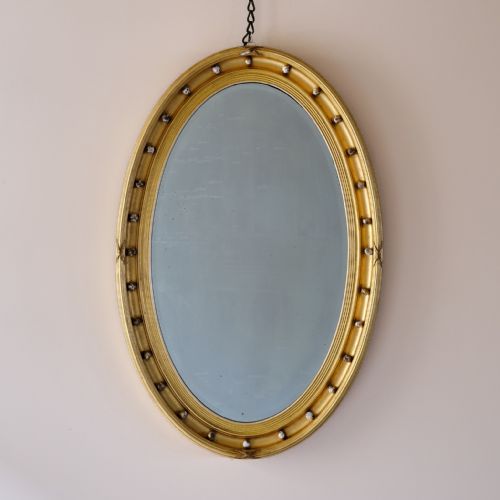
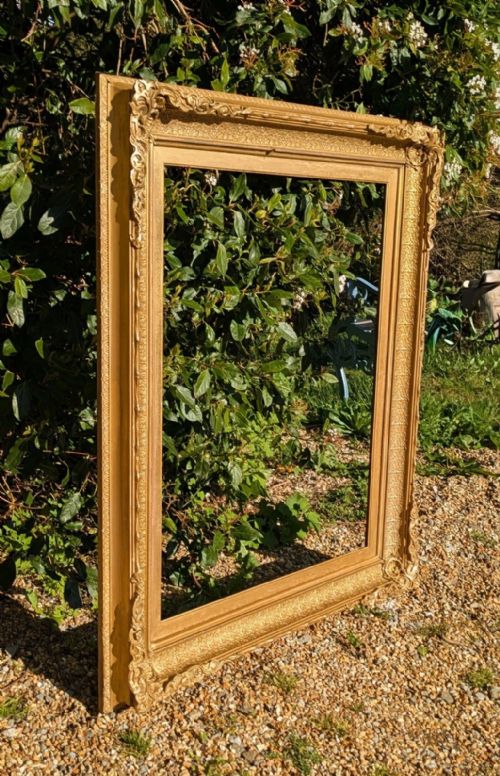
A gesso gilt portrait frame is a decorative border designed to hold paintings or mirrors, most frequently encountered here from the nineteenth century and the Victorian era. These pieces range from deep picture mouldings to oval glazed formats and overmantel mirrors.
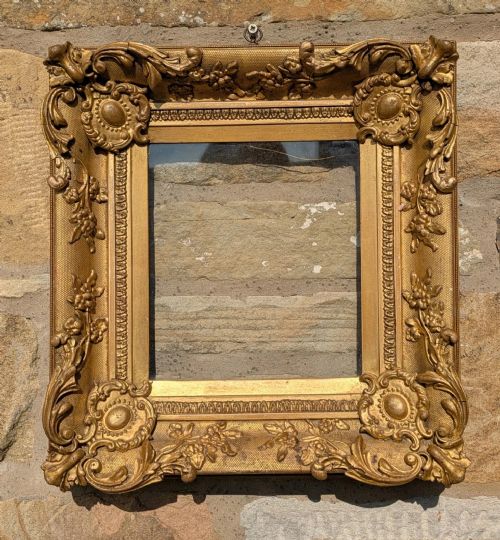
The selection includes empty frames ready for your own canvas alongside complete works such as nineteenth-century oil paintings of gentlemen and ladies. Styles span straightforward nineteenth-century profiles to elaborate Victorian Rococo Revival and French Baroque interpretations.
Originating primarily as protective and ornamental housings for fine art, these frames bring period character to domestic interiors. You will find timber structures built for both landscape and portrait orientations, often adapted over time to house mirrors.
How they were made
The foundation of a gesso gilt portrait frame typically consists of a solid timber base coated in gesso, a plaster-like mixture of chalk and binder. This preparation layer allows craftsmen to carve or stamp intricate relief ornament before gilding.
Workers applied gold leaf or silver gilt directly onto the prepared surface, burnishing the metal to achieve a bright finish. Glass and oil paint occasionally accompany these housings where the original artwork or mirror plate survives intact.
Listings feature pieces spanning the eighteenth century through the Edwardian period, constructed from timber, gesso, and gold leaf.
What varies in quality
The depth of the moulding and the crispness of the relief ornament distinguish standard production from superior work. Deeper profiles and hand-modelled gesso details demonstrate a higher degree of craftsmanship than shallow, cast substitutes.
The integrity of the gilding and the preservation of the underlying timber define the upper tier of these pieces. Original surfaces that retain their unpolished warmth carry more presence than heavy modern regilding.
Bryce Smith·John Eckstein
The Gesso Gilt Portrait Frame Glossary
- Gesso
- A prepared mixture of chalk, gypsum and size used as a base for gilding and relief moulding on wood. It provides a smooth, absorbent surface that accepts intricate carved detail.
- Giltwood
- Timber that has been coated with gold leaf or metal leaf. This material forms the primary structure of decorative frames from the eighteenth century onwards.
- Rococo Revival
- A nineteenth-century design style characterised by asymmetrical scrolling foliage, C-scrolls and naturalistic ornamentation. It appears frequently on Victorian picture frames and mirrors.
- Overmantel mirror
- A large wall mirror designed specifically to hang above a fireplace mantelpiece. These pieces often utilise deep gesso and gilt mouldings to anchor the room's proportions.
Gesso Gilt Portrait Frame: Frequently Asked Questions
How do I date a gesso frame?
Dating relies on examining the timber construction methods, the composition of the gesso layer and the style of the ornamentation. Victorian and nineteenth-century pieces often display machine-sawn backing timbers and distinct revival motifs.
Earlier examples from the eighteenth century show hand-carved elements directly into the wood beneath thinner gesso layers. Comparing the rebate depth and corner joints helps clarify the manufacturing era.
How do I clean a gilt frame?
Dusting gently with a very soft, dry brush removes surface particles without disturbing delicate gesso or flaking gold leaf. Avoid all commercial cleaning liquids, water and abrasive cloths.
Moisture can dissolve the traditional water-gilding size beneath the metal leaf. Professional conservation is recommended if deeper cleaning or consolidation of the surface is required.
What is the difference between gesso and wood carving?
Wood carving involves cutting the design directly into the timber substrate using gouges and chisels before finishing. Gesso moulding builds up relief decoration by applying plaster paste over a simpler wooden core, often pressed with metal stamps.
Gesso allows for sharper, more repetitive ornamentation that would be labour-intensive to carve from solid wood. Many nineteenth-century frames combine both techniques for efficiency and visual depth.