
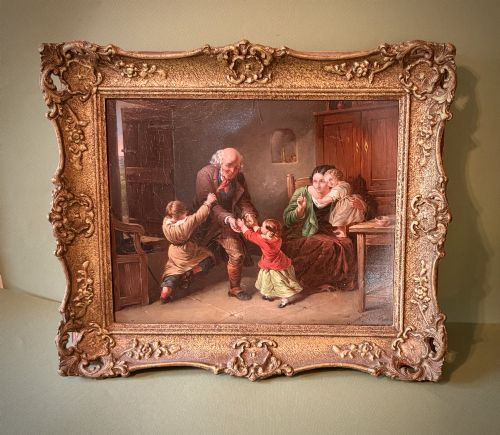
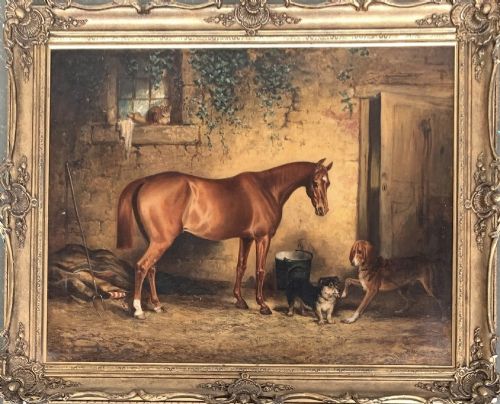
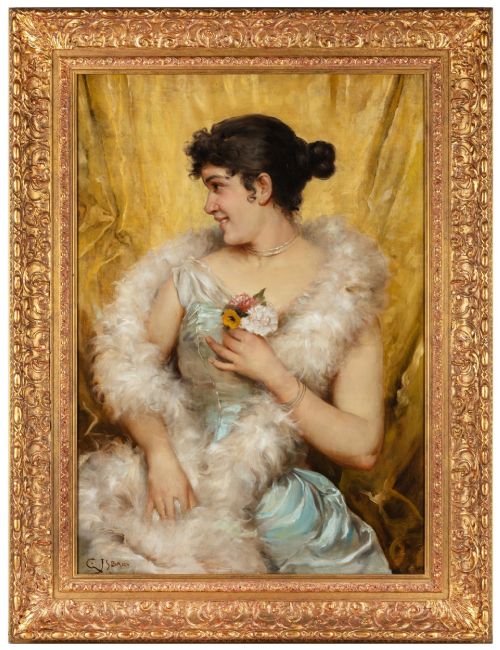
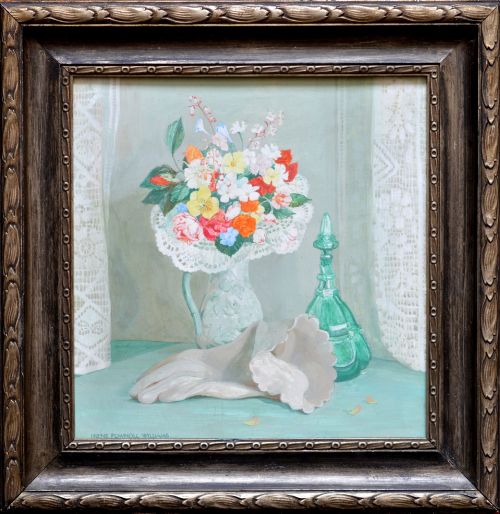

Vintage Artwork Frame
A vintage artwork frame protects and presents historic paintings, drawings and prints ranging from eighteenth-century mezzotints to mid-century oils.
Vintage Artwork Frame
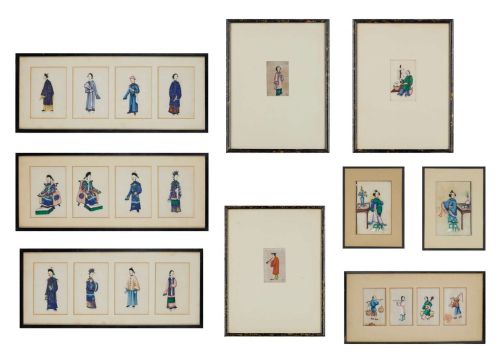
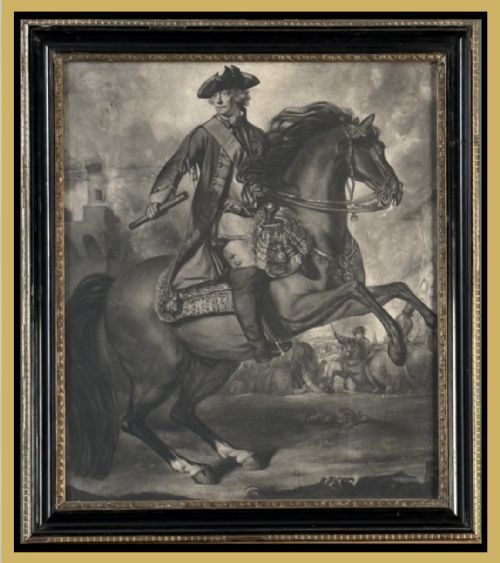
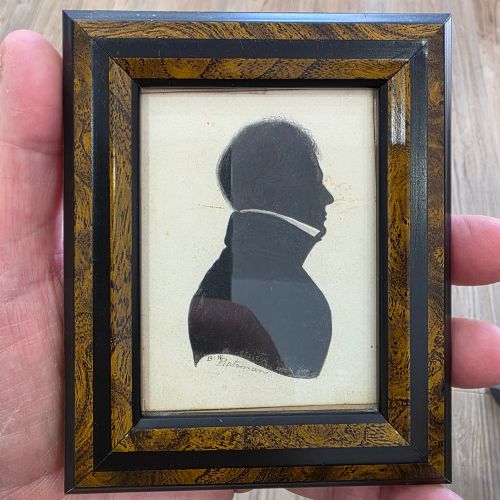
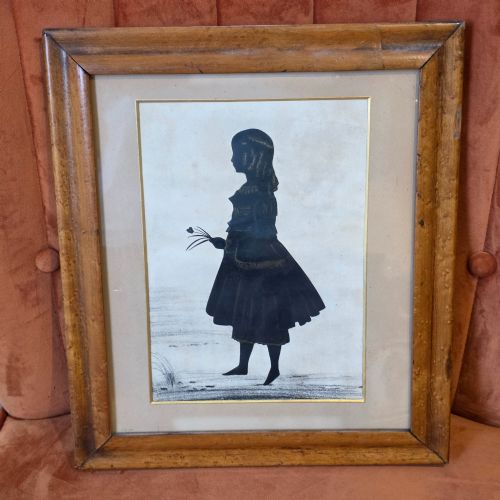
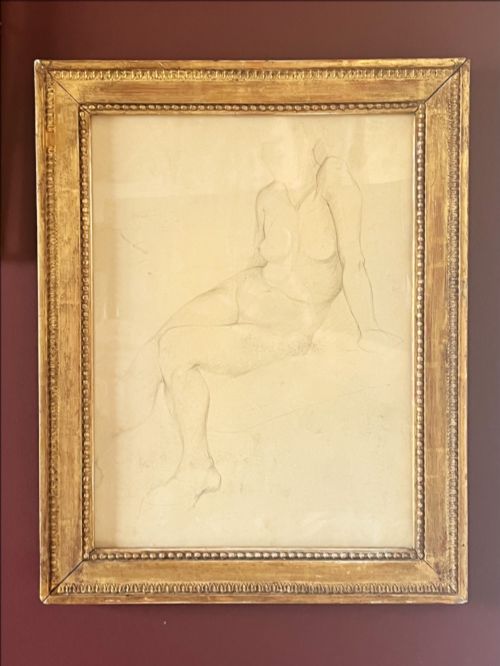
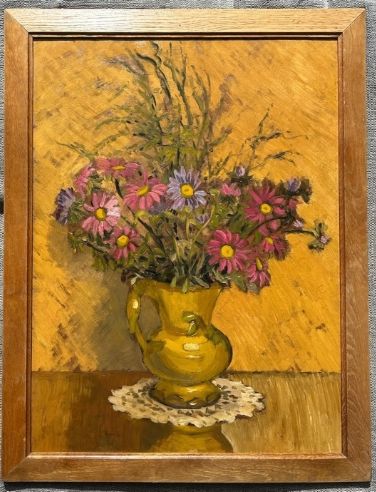
When you search for a vintage artwork frame, you encounter surrounds housing everything from oil paintings on canvas and panel to watercolours, gouache, pencil drawings, silhouettes, woodblock prints and mezzotints. These enclosures complete historical works originating across the nineteenth, twentieth and eighteenth centuries.
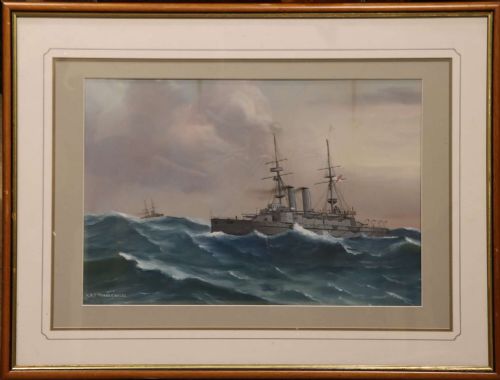
The pieces secured within these surrounds span diverse subjects, including maritime scenes, equine portraits, botanical still lifes, figural studies and Japanese prints. Many pieces arrive framed in period mouldings that match the stylistic demands of Georgian, Victorian, Edwardian or mid-century aesthetics.
Buyers meet structures fashioned from wood, embellished with gilt, or paired with protective glass. These artefacts function simultaneously as protective housings and as decorative statements for wall display.
Materials and construction
Makers constructed these housings primarily using wood, frequently applying layers of gilt to create reflective, ornate surfaces suited to formal portraits and landscapes. Glass frequently covers delicate works on paper, such as watercolours, pencil drawings and mezzotints, shielding fragile surfaces from environmental damage.
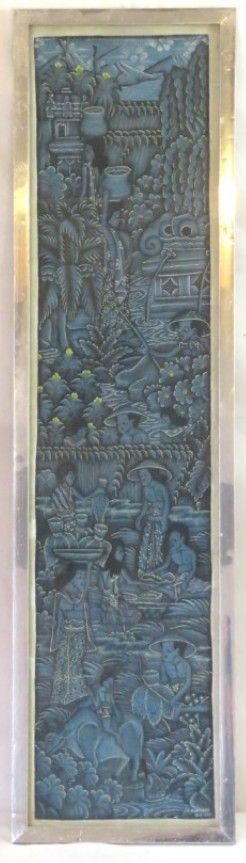
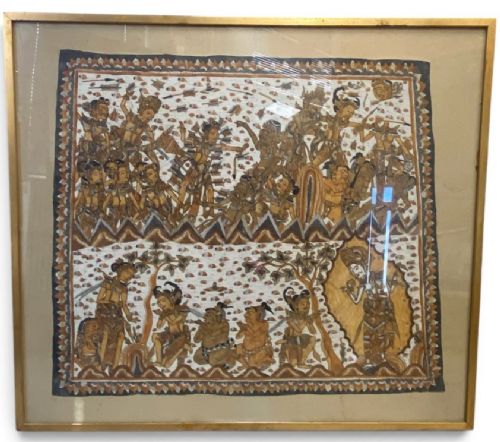
The art housed inside relies on traditional media including oil paint on canvas or board, tempera on panel, gouache, pastel, lithography and etching. Textile works like Balinese Kamasan paintings and pith paintings utilise specific fabric and plant-based supports typical of their regions of origin.
Listings feature works spanning the 18th century, 19th century, Edwardian, and mid-century modern periods, utilising wood, glass, canvas, and gilt.
Markers of distinction
The relationship between the visual weight of the surround and the artistic merit of the enclosed painting determines the visual success of the piece. Hand-carved wooden mouldings and original period gilding elevate the overall object above standard mass-produced alternatives.
The integrity of the internal artwork, whether an oil on canvas, a delicate pencil drawing or a mezzotint print, dictates the primary value of the ensemble. Preservation of the original backing, authentic framing materials, and documented authorship by known artists or printmakers strengthen the authenticity of the piece.
Henry Barraud·G. J. S. Bary·Irene Christobelle Pownoll Williams·Bruce Bairnsfather·John Simon·Michael Dahl·Edward Fisher·Sir Joshua Reynolds·Kurt Lorein Victor Peiser·Kenneth Cozens·Jozsef Molnar·Henry Percy Huggill·R Leyton·Georges de La Tour·William H Myers·John Smith·Emily Eyres·Dumini Leopoldo·Clifford Hanney·Hokusai·Frederick Marriott·James Watson·I. Berezny
The Vintage Artwork Frame Glossary
- Mezzotint
- A printmaking process of the intaglio family where the plate is roughed with a rocker to produce dark tones. This technique allows for subtle gradations of light and shade, common in eighteenth-century portraiture.
- Silhouetter
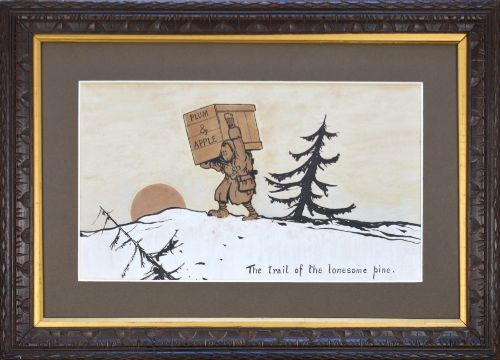
- An artist who cuts profile portraits from paper or paints them in solid black, often enhanced with subtle watercolour highlights. These items appear frequently in nineteenth-century formats.
- Gouache
- An opaque water-based paint medium consisting of pigment, water, and a binding agent such as gum arabic. It creates a matte finish useful for maritime and illustrative works.
- Tempera
- A permanent, fast-drying painting medium consisting of coloured pigment mixed with a water-soluble binder entity, such as egg yolk. It provides a durable surface on wooden panels.
- Etching
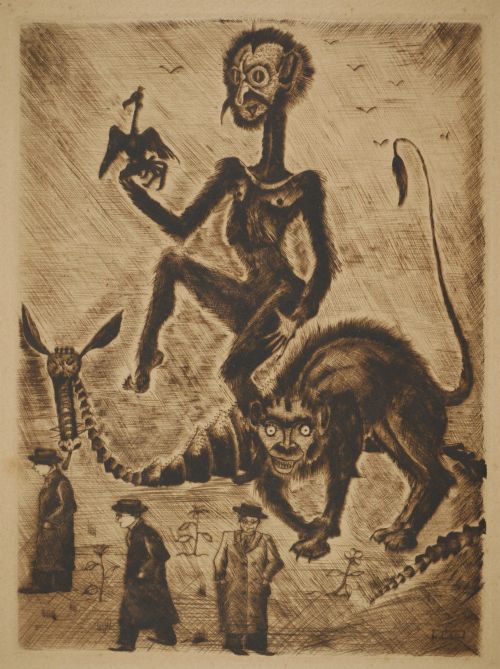
- A printmaking method where lines are incised into a metal plate with acid before ink is applied. This technique produces fine, detailed graphic works.
Vintage Artwork Frame: Frequently Asked Questions
How do I hang a heavy framed oil painting?
Ensure your wall fixings match the weight of the wooden frame and canvas. Heavy antique pieces require secure wall anchors or direct placement into wooden studs.
Check the wire or hanging brackets on the reverse of the frame before mounting. Professional picture hangers provide the safest support for large nineteenth-century works.
Can I replace the glass on an antique frame?
Original glass on antique pieces often displays subtle bubbles and imperfections characteristic of older manufacturing methods. Collectors generally prefer to retain original glass where possible.
If replacement becomes necessary due to breakage, select conservation-grade glass to protect sensitive watercolours or prints from ultraviolet light damage.
How do I date a vintage artwork frame?
Examine the construction techniques visible on the reverse of the wooden surround, such as corner joinery and fastening nails. Hand-cut elements and older types of screws indicate nineteenth-century or earlier origins.
The style of the moulding often mirrors the artistic period of the painting it houses, ranging from ornate Victorian gilt to simpler mid-century profiles.
Should I clean the gilt on a vintage frame?
Gilt surfaces accumulate dust and grime over decades of display. Gentle dusting with a soft, dry brush removes surface particles without disturbing the delicate gold leaf.
Avoid liquid cleaners or chemical solvents, as these substances strip historical finishes from wooden mouldings. Consult a professional restorer for deeper cleaning tasks.